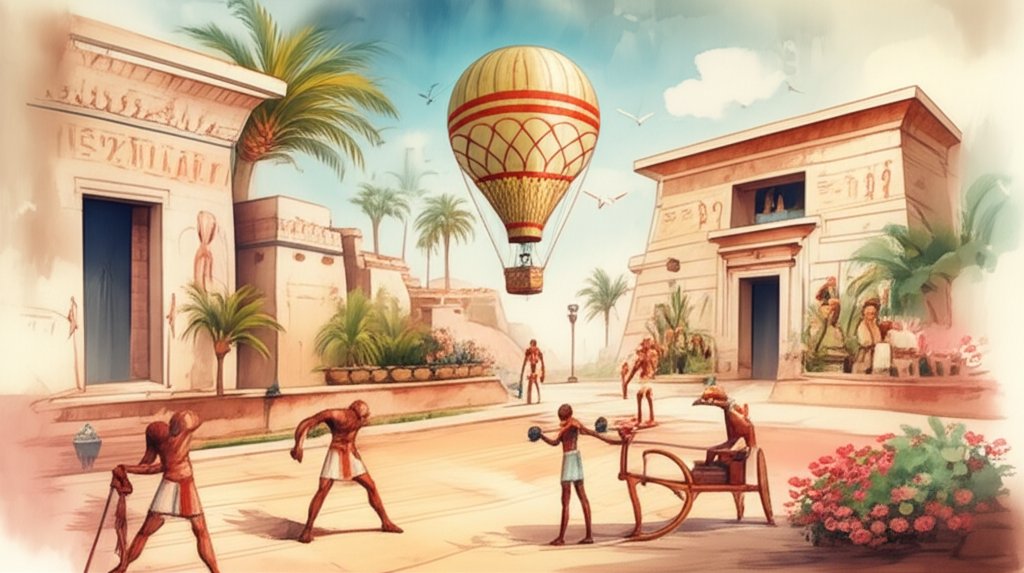
Imagine pharaohs not just as rulers, but as ripped athletes, showcasing strength and agility as symbols of their divine right. Ancient Egyptian sports weren’t just leisure; they were integral to military prowess, religious festivals, and the very fabric of society. Explore how this dedication to physical fitness shaped a civilization, and even influenced our modern sports scene.
At a glance:
- Discover the diverse range of ancient egyptian sports, from wrestling and boxing to chariot racing and field hockey.
- Understand the role of sports in military training and the education of the elite.
- Explore how athletic competitions were woven into religious festivals and pharaonic rituals.
- Learn about the surprising level of women’s participation in various sporting activities.
- Grasp the significance of sports as a reflection of Egyptian values such as discipline, strength, and community.
Physical Prowess: More Than Just a Game
In ancient Egypt, physical activity was far more than mere recreation; it was a crucial element in developing a well-rounded individual. From the common citizen to the pharaoh, physical fitness was valued for its practical applications and symbolic meaning. Soldiers needed strength and agility for battle, while the elite required physical fitness to demonstrate leadership and maintain order. This widespread appreciation for athleticism is reflected in the numerous depictions of ancient egyptian sports found in tombs, temples, and other historical artifacts.
From Combat to Competition: A Spectrum of Sports
The sports practiced in ancient Egypt were incredibly diverse, spanning combat sports, team activities, and individual pursuits.
Here’s a glimpse into some popular activities:
- Wrestling and Boxing: Depictions from the Middle Kingdom showcase highly developed wrestling techniques. Boxing, often a feature in festive events.
- Archery: Essential for both hunting and warfare, archery was practiced by all social classes. Pharaohs like Amenhotep II were renowned for their archery skills, using them to inspire their troops.
- Rowing: More than mere transportation, rowing served as a competitive sport, particularly during festivals.
- Chariot Racing: Introduced later in Egyptian history, chariot racing became a favorite among the elite, demonstrating skill, courage, and wealth.
- Field Hockey: Played with rudimentary equipment (palm branches and papyrus balls), this team sport highlights the Egyptians’ inventive approach to recreation.
- Gymnastics: Depictions show advanced floor exercises, vaulting, and balancing, showcasing an early appreciation for agility and body control.
- Weightlifting: While not exactly bodybuilding, weightlifting was also a sport!
The Pharaoh as Athlete: Demonstrating Divine Right
The pharaoh’s physical fitness was inextricably linked to their legitimacy as a ruler. A strong and capable pharaoh symbolized stability and prosperity for the kingdom.
- Heb-Sed Festival: Celebrated after 30 years of rule, this festival featured athletic demonstrations designed to prove the pharaoh’s continued vitality and fitness to govern. Running was a key component, symbolizing the pharaoh’s ability to protect and provide for the nation.
- Amenhotep II: Known for his exceptional strength and archery skills, Amenhotep II was celebrated as a warrior-king who embodied physical perfection. His athletic prowess was seen as a sign of divine favor.
- Ramesses II: Another pharaoh famed for his archery, Ramesses II used his skills to inspire his troops and project an image of invincible power.
Training Regimens: Forging Warriors and Leaders

To cultivate physical excellence, the ancient Egyptians developed structured training regimens.
- Military Training: Soldiers underwent rigorous training in archery, wrestling, javelin-throwing, and weightlifting to prepare for combat. Chariot racing was also essential for chariot drivers.
- Elite Education: Princes and nobles received extensive physical training alongside their academic studies. This included running, swimming, archery, and other sports deemed essential for leadership roles.
- Location: Temples and royal estates often served as training grounds, providing the space and resources needed for athletes and soldiers to hone their skills.
- Nutrition: The athletes’ and soldiers’ diets were rich in grains, fish, and vegetables, providing the energy and nutrients needed for optimal performance.
Women on the Playing Field: Challenging Stereotypes
Far from being excluded from sports, ancient Egyptian women actively participated in a variety of athletic activities.
- Gymnastics and Acrobatics: Women were frequently depicted performing gymnastics, juggling, and acrobatic feats, often as part of religious ceremonies.
- Swimming: Swimming was a common skill, and women likely participated in recreational swimming and possibly competitive events.
- Archery: Queen Nefertari, the wife of Ramesses II, was famously depicted wielding a bow, challenging traditional notions of female roles.
- Religious Offerings: Women’s athletic performances were sometimes considered religious offerings, showcasing their physical prowess as a form of devotion.
- The pillar article, Ancient Egyptian Pastimes, offers broader context on the role of women in Egyptian society.
Sports in Religious Festivals: Honoring the Gods
Athletic competitions were an integral part of many religious festivals, serving to honor the gods and reinforce the connection between the earthly and divine realms.
- Opet Festival: This annual festival, celebrated in Thebes (modern-day Luxor), featured rowing competitions and wrestling matches along the Nile River.
- Heb-Sed Festival: As mentioned earlier, the pharaoh’s athletic demonstrations during this festival were a crucial part of reaffirming their legitimacy and connection to the gods.
- Victory as Divine Favor: Success in athletic competitions was often interpreted as a sign of divine favor, reinforcing the belief that the gods supported and blessed the winners.
Practical Playbook: How to Integrate Ancient Egyptian Fitness Principles Today
Want to train like an ancient Egyptian? Here’s a modern adaptation:
- Focus on Full-Body Strength: Incorporate exercises that work multiple muscle groups simultaneously, such as squats, lunges, push-ups, and rows.
- Embrace Bodyweight Training: Gymnastics and acrobatics were popular, so integrate bodyweight exercises like planks, pull-ups, and handstands.
- Archery for Focus: Try archery to develop focus, precision, and upper body strength.
- Cardio with a Purpose: Rowing was a key skill. If you can’t row, incorporate other cardio exercises like running or swimming.
- Nutrition: Prioritize whole, unprocessed foods like fruits, vegetables, grains, and lean protein sources.
Quick Answers: FAQs About Ancient Egyptian Sports
- Were all social classes allowed to participate in sports? Yes, to varying degrees. While the elite had more access to formal training and specialized equipment (like chariots), commoners participated in activities like wrestling, running, and swimming.
- Was there a professional league for athletes? There’s no evidence of organized professional sports in the modern sense. However, skilled athletes likely gained recognition and rewards for their performances, particularly during festivals and competitions.
- What was the primary purpose of sports? While recreational enjoyment was certainly a factor, the primary purposes of sports in ancient Egypt were military training, physical development, religious expression, and demonstration of pharaonic power.
- Did women compete against men? While there are depictions of them participating in similar activities, it’s unclear if women competed directly against men in formal events. Their participation was often linked to religious rituals.
Actionable close: Unleash Your Inner Pharaoh
The ancient Egyptians understood the importance of physical fitness for individual well-being, military strength, and societal stability. By incorporating their principles of full-body strength, functional movement, and a balanced diet, you can tap into the wisdom of the past and unlock your own athletic potential. So, whether you’re aiming to build strength, improve your focus, or simply enhance your overall health, consider drawing inspiration from the ancient egyptian sports and training regimens.










