For the bigger picture and full context, make sure you read our main guide on Real Ancient Egyptian Jewelry: Status, Protection, and Beliefs.
markdown
The allure of ancient Egyptian jewelry artifacts stems from more than just beauty; these objects whisper tales of power, belief, and an intricate social structure. But what happens when these irreplaceable pieces vanish? In September 2023, the theft and subsequent melting down of a 3,000-year-old gold bracelet belonging to Pharaoh Amenemope from the Egyptian Museum in Cairo sent shockwaves through the archaeological world, raising critical questions about artifact preservation and security.
At a glance:
- Understand the profound symbolism embedded in ancient Egyptian jewelry.
- Learn about the devastating impact of looting and theft on cultural heritage.
- Examine the typical materials and crafting techniques employed by ancient Egyptian artisans.
- Grasp the role of jewelry in both daily life and funerary practices.
- Discover how social status was reflected in the type and quality of jewelry worn.
- Explore the ongoing efforts to protect and recover stolen ancient artifacts.
Beyond Adornment: Jewelry as a Window into Ancient Egyptian Beliefs
Ancient Egyptian jewelry wasn’t simply decorative; it was a powerful statement of status, a conduit for magical protection, and a vital element in religious beliefs. Pieces discovered in royal tombs, like the treasures of Tutankhamun, illustrate the wealth and sophistication of the era. But even simpler pieces recovered from commoners’ graves reveal much about daily life and spiritual concerns.
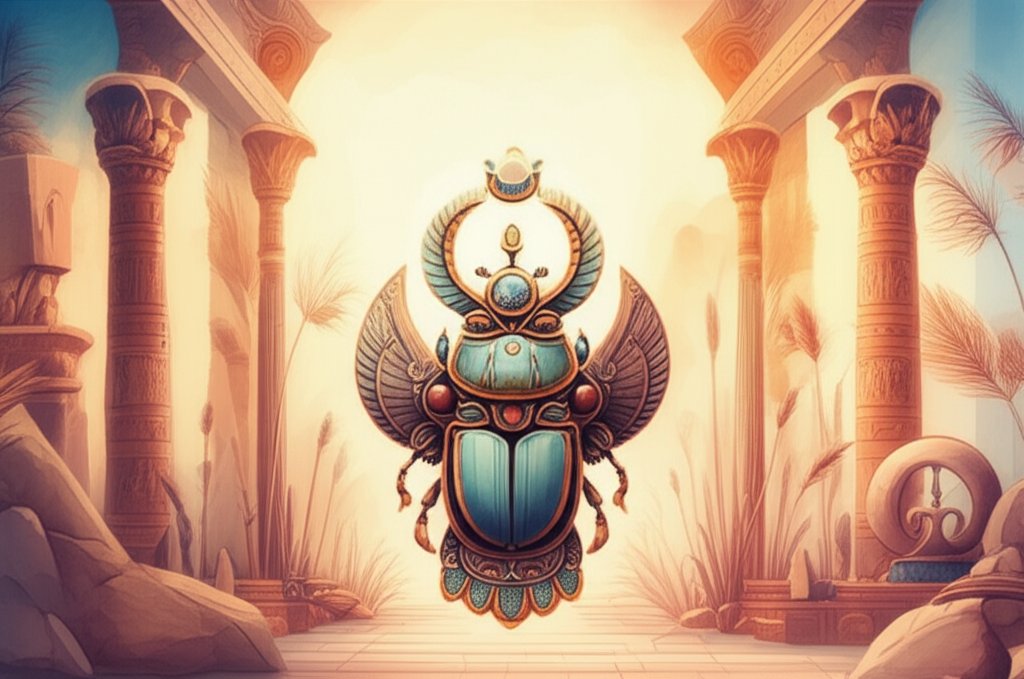
Consider the ubiquitous scarab beetle motif. More than just a pretty design, the scarab symbolized rebirth and regeneration. These beetle-shaped amulets, often crafted from faience (a glazed ceramic material) or precious stones like lapis lazuli, were believed to imbue the wearer with the life-giving power of the sun god Ra. Similarly, the ankh, the hieroglyphic symbol for life, frequently appeared in necklaces, bracelets, and rings, promising the wearer continued vitality.
Materials Speak Volumes: Gold, Lapis, and the Colors of Power
The materials used in ancient Egyptian jewelry artifacts held significant meaning. Gold, prized for its brilliance and association with the sun god Ra, was the metal of choice for royalty and the elite. It symbolized immortality and was believed to be the very flesh of the gods. Silver, though rarer in Egypt than gold, represented the moon. Lapis lazuli, with its deep, celestial blue, was associated with royalty and the heavens. Carnelian, a reddish-orange stone, symbolized protection and vitality. Turquoise was valued for its healing properties.
The colors themselves also played a role. Blue and green represented life and fertility, while red symbolized power and protection. The skillful combination of these materials and colors created jewelry that was not only beautiful but also imbued with potent symbolic meaning.
Crafting Techniques: A Legacy of Skill and Precision
Ancient Egyptian goldsmiths were masters of their craft. They employed a variety of techniques, including:
- Filigree: Delicate patterns created from fine wires of gold or silver.
- Granulation: Decorating surfaces with tiny spheres of metal.
- Engraving: Carving designs into metal or stone.
- Inlay: Setting pieces of colored glass, stone, or other materials into recessed areas.
- Hieroglyphic Writing: Incorporating sacred writings into the design.
- Bead Making: Creating beads from various materials, offering a range of styles.
The level of skill required to execute these techniques is remarkable, particularly considering the tools available at the time. These skills were usually passed down through generations of artisans.
The Case of Amenemope’s Bracelet: A Tragedy in Gold and Lapis
The story of Pharaoh Amenemope’s bracelet is a stark reminder of the vulnerability of ancient Egyptian jewelry artifacts. The 3,000-year-old gold bracelet, adorned with a lapis lazuli bead, was stolen from the Egyptian Museum in Cairo in September 2023. What makes this case particularly tragic is the fate of the artifact: it was melted down for its gold content.
Here’s how the theft unfolded, and what went wrong:
- Theft: The bracelet was stolen from a display case inside the museum.
- Sale: A restoration specialist at the museum allegedly gave the bracelet to a silver shop owner.
- Melting: The silver shop owner then sold it to a gold workshop owner who sold it to yet another shop, and it was melted down for its gold.
- Apprehension: Four individuals were apprehended, including the restoration specialist.
The loss of this bracelet represents more than just the disappearance of a valuable object; it’s a loss of cultural heritage, a piece of history erased. This incident ignited public outrage in Egypt, prompting calls for stricter security measures and a renewed focus on protecting the nation’s archaeological treasures. This incident also highlights vulnerabilities in the security of even major museums.
Protecting the Past: Challenges and Solutions
The theft of Amenemope’s bracelet underscores the challenges faced in safeguarding ancient Egyptian jewelry artifacts. Here’s a look at some key areas and potential solutions:
- Museum Security: Many museums, particularly in regions with political instability or economic hardship, struggle to maintain adequate security measures. Solution: Increased funding for security upgrades, improved staff training, and deployment of advanced security technologies are crucial.
- Looting: Illegal excavations and looting of archaeological sites remain a persistent threat. Solution: Stricter laws, increased enforcement, and community engagement are needed to combat looting. UNESCO and other organizations work with local communities to raise awareness about the importance of preserving cultural heritage.
- The Antiquities Market: The demand for ancient artifacts fuels the black market. Solution: International cooperation to regulate the antiquities market, stricter import/export controls, and public awareness campaigns are essential.
- Lack of Awareness: A lack of appreciation for the cultural and historical significance of these objects can lead to neglect and damage. Solution: Educational programs and public outreach initiatives can help foster a sense of responsibility for preserving cultural heritage.
Explore Egyptian jewelry history to gain a deeper understanding of the cultural context surrounding these precious artifacts. This will provide additional context for the importance of preserving these relics.
Decoding the Symbols: A Quick Guide to Common Motifs
Understanding the symbolism inherent in ancient Egyptian jewelry artifacts enhances appreciation for their cultural significance. Here’s a short guide to some common motifs:
| Motif | Symbolism | Material Examples |
|---|---|---|
| Scarab Beetle | Rebirth, regeneration | Faience amulets, rings, pectoral ornaments |
| Ankh | Life | Necklaces, bracelets, rings, amulets |
| Eye of Horus | Protection, healing | Amulets, pendants, bracelets |
| Lotus Flower | Creation, rebirth, the sun | Necklaces, pendants, bracelets, headdresses |
| Uraeus (Cobra) | Royal authority, protection from enemies | Headdresses, bracelets, pectoral ornaments |
Quick Answers: Common Questions about Ancient Egyptian Jewelry Artifacts
Q: Was all ancient Egyptian jewelry made of gold?
A: No. While gold was highly prized, other materials like silver, copper, bronze, faience, lapis lazuli, carnelian, and turquoise were also commonly used, especially by commoners.
Q: Did only pharaohs wear jewelry?
A: No. While pharaohs and nobles wore elaborate, expensive jewelry, both men and women of all social classes adorned themselves with jewelry made from various materials.
Q: What happened to the jewelry buried with the dead?
A: Much of the jewelry buried with the dead was intended to protect the deceased in the afterlife and ensure their safe passage. Unfortunately, many tombs were looted over the centuries, and their treasures were lost or dispersed.
Q: How can I tell if a piece of ancient Egyptian jewelry is authentic?
A: Determining the authenticity of ancient Egyptian jewelry artifacts is complex and requires expert knowledge. Consult with reputable archaeologists, art historians, and gemologists. Look for signs of wear and age, as well as stylistic consistency with known examples. Be wary of pieces offered at suspiciously low prices.
Take Action: Protecting Cultural Heritage
The loss of Amenemope’s bracelet serves as a critical call to action. What can you do?
- Educate Yourself: Learn more about ancient Egyptian history and culture. Understanding the value of these artifacts is the first step in protecting them.
- Support Preservation Efforts: Donate to organizations dedicated to preserving and protecting cultural heritage.
- Be a Responsible Tourist: When visiting museums and archaeological sites, respect the rules and guidelines in place to protect these treasures.
- Report Suspicious Activity: If you suspect that someone is involved in the illegal trade of antiquities, report it to the appropriate authorities.
The story of Amenemope’s bracelet is a tragedy, but it’s also an opportunity to reaffirm our commitment to preserving the past for future generations. We must learn from this incident and take concrete steps to safeguard these precious remnants of ancient Egyptian civilization.










