Imagine pharaohs pausing from ruling empires to roll dice, or farmers competing in wrestling matches after a long day’s work. This wasn’t just about killing time; ancient Egyptian entertainment wove together recreation, religion, and social life into a vibrant cultural tapestry.
At a glance:
- Discover the surprising range of sports enjoyed by all social classes in ancient Egypt.
- Uncover the symbolic significance of games like Senet and their connection to the afterlife.
- Learn how music and dance played a vital role in religious ceremonies and social gatherings.
- Explore the stories and festivals that shaped Egyptian culture and provided entertainment.
- Understand how you can bring elements of ancient Egyptian entertainment into your own life today.
Beyond Pyramids: A Look at Leisure in Ancient Egypt
Life in ancient Egypt wasn’t just about building monuments and worshipping gods; it was also about having fun! Ancient Egyptian entertainment reflects a society that valued both work and play, with activities ranging from intense physical competitions to artistic performances and strategic board games. This wasn’t segregated by class either; while nobles had more leisure time, everyone participated in some form of recreation. If you’re curious about the broader spectrum of leisure activities, Explore Ancient Egyptian Pastimes for a comprehensive overview.
Unleashing Your Inner Athlete: Sports and Physical Prowess
Forget the image of Egyptians only as pyramid builders. They were also quite athletic! Sports were a huge part of ancient Egyptian entertainment, with activities enjoyed by everyone from pharaohs to farmers.
- Handball: A popular game that involved throwing and catching a leather ball. Think of it as an ancient, less formal version of team sports.
- Wrestling: Depicted in tomb paintings, wrestling was a test of strength and skill. Imagine local tournaments with crowds cheering on their favorite wrestlers.
- Archery: Used for both hunting and warfare, archery was a royal sport. Pharaohs would show off their skill by shooting targets from their chariots.
- Other Sports: Egyptians also enjoyed weightlifting, gymnastics, swimming, boating, running, javelin throwing, boxing, and rowing. The Nile provided the perfect setting for water sports!
Example: Chariot racing was particularly popular among young nobles. It wasn’t just for fun; it was also valuable training for military service. Think of it as the ancient Egyptian equivalent of Formula 1 racing, but pulled by horses!
Melodies and Movements: The Allure of Music and Dance
Music and dance were central to ancient Egyptian entertainment, deeply embedded in religious and social ceremonies. They weren’t just background noise; they were active forms of expression and celebration.
- Instruments: Harps, lutes, flutes, percussion instruments (clappers, cymbals, tambourines) created the soundscape of ancient Egypt. Imagine the lively sounds of a festival with music filling the air.
- Dance: A variety of dance forms existed, adapted to religious rituals, banquets, or street performances. Harem dances were for entertainment, while others were more solemn and sacred.
Example: During religious festivals, dancers would perform intricate routines accompanied by musicians, creating a multisensory experience that honored the gods and strengthened the community.
Board Games and Brain Teasers: Senet and Other Pastimes
Ancient Egyptians weren’t just about physical activities; they also loved games of strategy and chance. These games provided entertainment and also served as a way to socialize and test one’s skills.
- Senet: This board game was more than just a pastime; it had deep symbolic meaning. It represented the journey of the soul to the afterlife, and pharaohs were even buried with Senet boards, as demonstrated by the four boards found in King Tutankhamun’s tomb.
- Mehen: Played on a circular board shaped like a coiled snake, the rules of Mehen are still debated by historians, but it was clearly a popular game enjoyed throughout Egyptian history.
- Toys: Children played with dolls, balls, jump ropes, animal toys, puppets, pull cars, and even miniature kitchen sets. These toys were made from materials like cloth, clay, and wood.
Playing Senet Today: While the exact rules are lost to time, modern interpretations of Senet exist that try to capture its original spirit. Why not purchase one and learn the game?
Tales Around the Fire: The Art of Storytelling
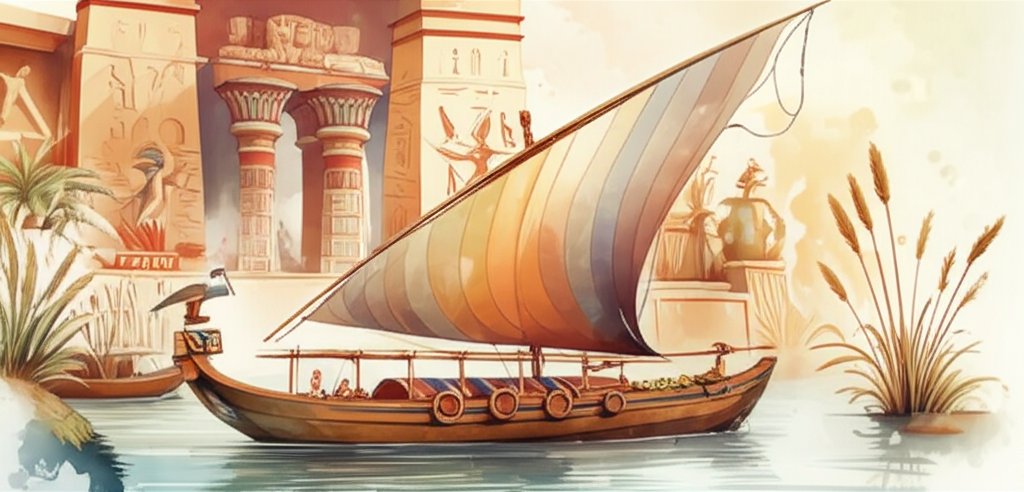
Storytelling was a crucial form of ancient Egyptian entertainment and also served as a vehicle for preserving their culture and history. These stories weren’t just for amusement; they were packed with moral lessons and insights into the Egyptian worldview.
- Oral Tradition: Tales of gods, heroes, love, and adventure were passed down orally from generation to generation (written form also existed). Imagine families gathered around a fire, listening to captivating stories.
- Moral Lessons: These stories often carried moral lessons, teaching people about values like courage, wisdom, and the importance of respecting the gods.
Example: Tales of the gods battling chaos and creating order were common, reflecting the Egyptian belief in the importance of balance and harmony.
Celebrating Life: The Grandeur of Festivals
Ancient Egyptians loved to celebrate! Their calendar was filled with religious festivals, each with its own unique rituals and forms of entertainment. These festivals were essential for honoring the gods, strengthening social bonds, and reinforcing the pharaoh’s role.
- Opet Festival: This festival involved carrying statues of Amun, Mut, and Khonsu from Karnak to Luxor Temple. Imagine the vibrant processions with music, dancing, and offerings to the deities.
- Thoth Festival: Honored the god Thoth, the god of wisdom and knowledge.
- Heb-Sed: The pharaoh showcased their physical fitness after 30 years of reign.
- Other Festivals: New Year, the Beautiful Feast of the Valley, Feast of Drunkenness, Festival of Min, Osiris Festival, and the Festival of the Inundation. Each were unique opportunities for community celebration and joy.
Planning Your Own Ancient Egyptian Inspired Party: While you might not be able to recreate the Opet Festival, consider incorporating elements of ancient Egyptian celebrations into your own parties, such as themed decorations, music, and food.
The Social Glue: How Entertainment Fostered Community
Ancient Egyptian entertainment wasn’t just about individual enjoyment; it played a crucial role in fostering unity, camaraderie, and celebrating life together. These activities brought people together, transcending social classes and building a sense of community.
- Shared Experiences: Whether it was watching a wrestling match, listening to a storyteller, or participating in a religious festival, these shared experiences created a powerful sense of belonging.
- Healthy Living: Sports and physical activity were valued for creating healthy, productive individuals. The Egyptians understood the importance of staying active, both physically and mentally.
Practical Playbook: Recreate Ancient Egyptian Fun Today
Want to add a touch of ancient Egyptian entertainment to your modern life? Here are some ideas:
- Learn to Play Senet: Purchase a Senet board game and try to learn the rules (or a modern interpretation). It’s a fun way to connect with the past and challenge your strategic thinking.
- Host an Egyptian-Themed Party: Decorate with Egyptian motifs, play some traditional music (or modern interpretations), and serve Egyptian-inspired food.
- Try Egyptian Dance: Learn some basic Egyptian dance moves and get your body moving.
- Tell Ancient Egyptian Stories: Read up on ancient Egyptian myths and legends and share them with your friends and family.
- Visit an Egyptian Museum: Immerse yourself in ancient Egyptian culture by visiting a museum with Egyptian artifacts.
Quick Answers: Common Questions About Ancient Egyptian Entertainment
Q: Was ancient Egyptian entertainment only for the wealthy?
A: No! While wealthy nobles had more leisure time, people of all social classes participated in some form of entertainment. Sports, music, and storytelling were enjoyed by everyone.
Q: Was Senet just a game, or did it have a deeper meaning?
A: Senet was more than just a game. It had deep symbolic significance and was believed to represent the journey of the soul to the afterlife.
Q: What kind of music did ancient Egyptians listen to?
A: Ancient Egyptians used instruments like harps, lutes, flutes, and percussion instruments to create music for religious ceremonies, banquets, and other social gatherings.
Q: Did ancient Egyptians have a sense of humor?
A: Yes! While much of their entertainment was tied to religious themes, there is evidence of humor and lightheartedness in their art and stories.
Embrace the Past: Your Next Steps
Ancient Egyptian entertainment offers a fascinating glimpse into a vibrant and complex culture. By exploring their sports, games, music, stories, and festivals, we can gain a deeper appreciation for their way of life. Consider taking one small step today—learn a new game, explore a museum collection online, or share a story from ancient Egypt. These small acts will breathe new life in the past.










