Stuck brainstorming ideas for ancient Egypt projects for 6th graders? It’s easy to get lost in the vastness of this civilization. The key is to find hands-on activities that spark curiosity and make the subject matter relatable. Let’s dive into how to create engaging projects that will bring the pharaohs and pyramids to life.
At a glance:
- Discover project ideas beyond simple reports, focusing on interactive and creative activities.
- Learn how to tailor projects to different learning styles – visual, kinesthetic, auditory, and reading/writing.
- Explore practical tips for building models, creating games, and writing stories set in ancient Egypt.
- Get inspired with real-world examples and resources to make planning easier.
- Address common questions and misconceptions about teaching Ancient Egypt.
Why Hands-On Projects Matter for 6th Graders
Sixth graders are at a great age to really dig into history, but lectures and textbooks alone often fall short. Hands-on projects provide a tactile experience that solidifies understanding. Think about it: building a miniature pyramid lets them experience the engineering challenges firsthand, while writing a diary entry from the perspective of an Egyptian farmer fosters empathy and critical thinking. These aren’t just crafts, they’re gateways to a deeper understanding.
Project Theme 1: Become an Archaeologist
Recreate an Excavation Site
Outcome: Students understand the process of archaeological digs and the importance of careful record-keeping.
- Preparation: Bury small “artifacts” (beads, coins, small toys) in a sandbox or large container filled with sand. Mark sections of the dig site with string.
- Excavation: Students carefully excavate their assigned section using brushes and small tools.
- Documentation: Each artifact is photographed, sketched, and its location meticulously recorded on a grid map.
- Analysis: Students research their artifacts, make inferences about their purpose, and present their findings.
Pitfalls: Ensure the “artifacts” are age-appropriate and won’t cause harm. Supervise the excavation closely to prevent damage to the “artifacts.”
Rosetta Stone Code Breakers
Outcome: Students will understand the context of the Rosetta Stone, and get a flavor for the challenge of deciphering lost languages.
- Provide students with a simplified version of the Rosetta Stone. There are versions available online showing hieroglyphs alongside Greek and a modern translation.
- Assign small phrases for students to decipher. Start with simple words like names or common objects.
- Encourage collaboration and problem-solving. Students can work in pairs or small groups to crack the code.
Project Theme 2: Ancient Egyptian Architects and Engineers
Building Impressive Pyramid Models
Creating pyramid models is one of the most popular ancient egypt projects for 6th graders. It’s a great way to visualize the immense scale and complexity of these structures.
Outcome: Students understand the geometry, scale, and construction techniques used to build pyramids.
- Material Selection: Choose from sugar cubes, LEGOs, cardboard, or even a salt/flour dough. Consider the level of detail and durability desired.
- Scale Translation: Introduce the concept of scale. For example, 1 inch = 10 feet. Translate the dimensions of the Great Pyramid of Giza into scaled-down measurements for their model.
- Construction: Guide students through the construction process, emphasizing the importance of a solid base and precise angles.
- Finishing Touches: Add details like the outer casing stones (using smooth paper or paint) and the capstone.
Tips: For sugar cube pyramids, use a strong glue and let each layer dry completely before adding the next. For LEGO pyramids, encourage students to experiment with different brick configurations for stability. For cardboard pyramids reinforce the corners with tape.
Mud Brick Making: A Taste of Ancient Construction
Outcome: Students understand the basic building blocks (literally!) of ancient Egyptian architecture and the importance of readily available materials.
- Recipe: Mix soil (play sand or dirt from the yard), water, and straw (optional) to create a thick mud paste.
- Molding: Press the mud into small molds (plastic containers or even ice cube trays).
- Drying: Allow the bricks to dry in the sun for several days until they are hard and solid.
- Construction: Use the dried bricks to build a small wall or other structure.
Safety Considerations: Ensure students wash their hands thoroughly after handling the mud. Supervise the drying process to prevent the growth of mold.
Project Theme 3: Daily Life in Ancient Egypt
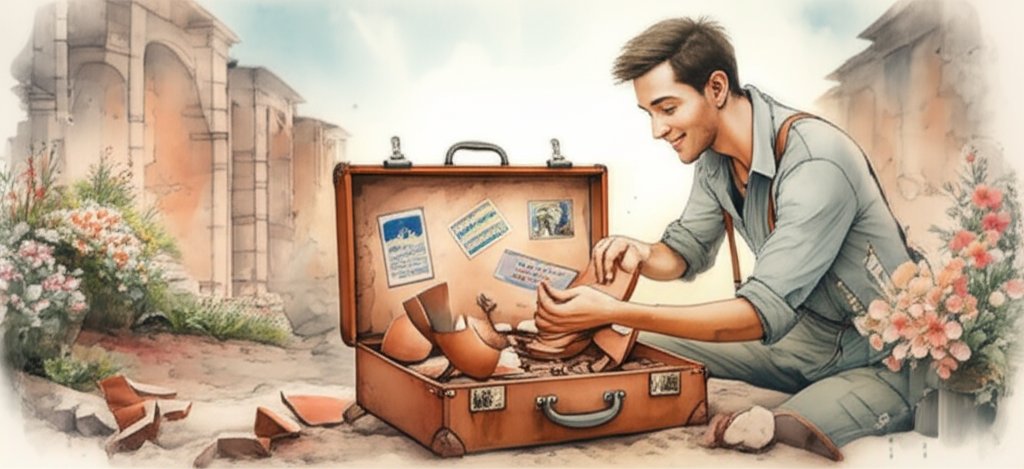
Writing from an Egyptian’s Perspective
Outcome: Students develop empathy and understand the social hierarchy, customs, and challenges of daily life in ancient Egypt.
- Character Selection: Have students choose a character (farmer, scribe, priest, noble, pharaoh) and research their daily life.
- Diary Entries: Write diary entries detailing a typical day, including tasks, meals, interactions with others, and personal thoughts.
- Narrative Story: Craft a short story about a significant event in their character’s life, such as the flooding of the Nile, a religious festival, or a royal decree.
Example: A student writes diary entries from the perspective of a young scribe, detailing their training, the importance of their role, and their aspirations for the future.
Mock Bazaar: Bartering in the Ancient World
Outcome: Students understand the concept of bartering and the economic system of ancient Egypt.
- Item Creation: Students create “goods” to trade (drawings, crafts, or even snacks).
- Deben Values: Assign each item a “deben” value (the ancient Egyptian unit of currency – represented by a standard sized piece of copper).
- Bartering Simulation: Students barter with each other to acquire desired goods, using their understanding of value and negotiation skills.
Project Theme 4: Gods, Goddesses and Mummification
Mummification Simulation: A Hands-On Approach
Outcome: Students understand the complex process of mummification and its religious significance.
- “Mummy” Preparation: Use a doll or stuffed animal as the “mummy.”
- Step-by-Step Process: Students simulate the key steps of mummification:
- Removing the organs (represented by small objects).
- Drying the body with natron (baking soda).
- Wrapping the body in linen strips (gauze or fabric strips).
- Sarcophagus Creation: Design and decorate a sarcophagus for the “mummy.”
Ethical Considerations: Discuss the ethical implications of mummification and the respect for the deceased.
Important Note: It’s crucial to emphasize that this is a simulation and should be treated with respect.
Ancient Egyptian Board Games: A Fun Way to Learn
Outcome: Understand the cultural significance of games in Ancient Egypt.
- Research: Have students research ancient Egyptian board games like Senet or Mehen (the Snake Game).
- Game Creation and Play: Using the information gathered, students create their own version of the game, including the board, pieces, and rules.
- Play the game: The students test their created games.
Practical Playbook for Awesome Ancient Egypt Projects
- Keep it relevant: Connect the project to current events or students’ personal interests.
- Offer choices: Allow students to choose projects that align with their learning styles and interests.
- Provide clear guidelines: Outline the project requirements, grading criteria, and deadlines.
- Encourage collaboration: Foster teamwork and peer learning through group projects.
- Celebrate success: Showcase student work through presentations, exhibitions, or online platforms.
To take your 6th graders’ Ancient Egypt learning to the next level, Bring ancient Egypt alive with even more project ideas and activities!
Quick Answers About Teaching Ancient Egypt
Q: How can I address the religious aspects of ancient Egypt in a sensitive and respectful way?
A: Focus on the historical context and the beliefs of the ancient Egyptians, avoiding judgment or proselytizing. Emphasize the importance of religious tolerance and understanding different belief systems.
Q: What are some common misconceptions about ancient Egypt that I should be aware of?
A: Common misconceptions include the idea that all Egyptians were slaves (most were farmers or skilled workers), that pyramids were built solely by slaves (skilled laborers were also involved), and that mummification was a morbid practice (it was a deeply spiritual process).
Q: How can I incorporate technology into ancient Egypt projects?
A: Use online resources for research, create digital presentations, design interactive timelines, or even develop a virtual tour of ancient Egyptian sites.
Q: What if I have limited resources?
A: There are plenty of low-cost or free resources available online and in libraries. Focus on projects that utilize readily available materials like cardboard, paper, and recycled items.
Actionable Close: Start Small, Dream Big
Don’t feel overwhelmed by the sheer volume of potential ancient Egypt projects for 6th graders. Start with one or two simple activities that you know will engage your students. As you gain confidence and experience, you can gradually incorporate more complex and ambitious projects. Remember, the goal is to make learning about ancient Egypt fun, interactive, and memorable. Now go forth and inspire your students to explore the wonders of this fascinating civilization!










