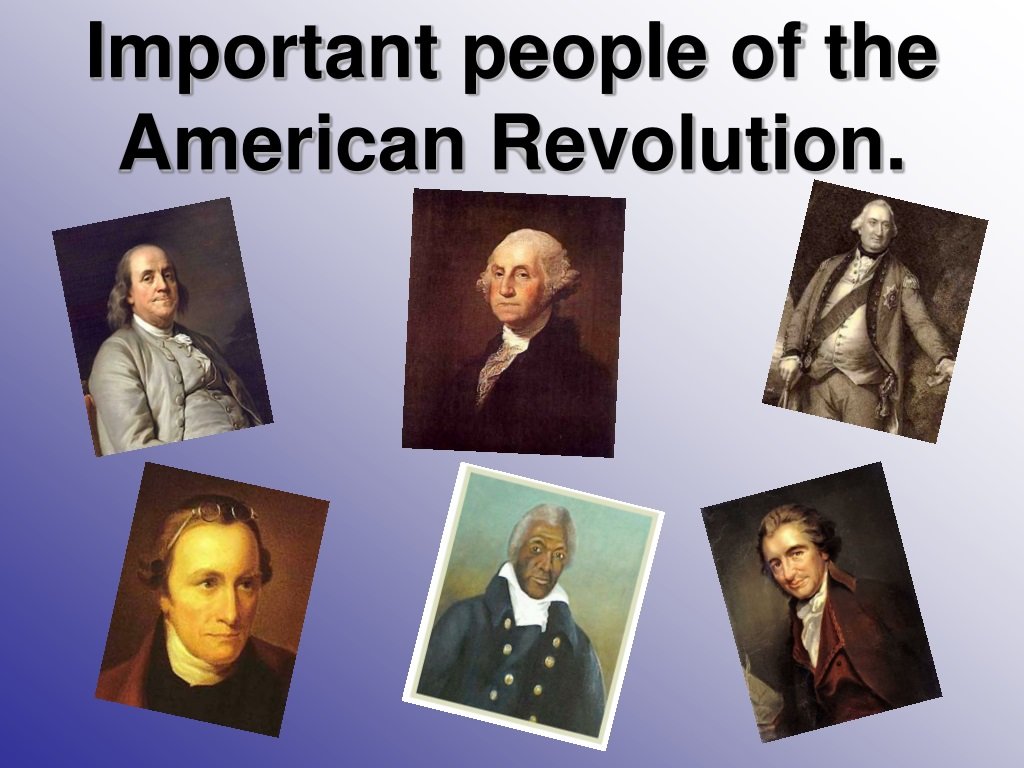
When we picture the American Revolution people who shaped the United States, we often see a room of powdered wigs and gentlemen signing parchments. While those figures were undeniably crucial, the fight for independence was not won in meeting halls alone. It was won on battlefields, in camps, and on the home front by a far more diverse coalition of individuals than history books often suggest. The story of America’s founding is the story of farmers, formerly enslaved men, Native American strategists, and determined women who risked everything for a future they could only imagine.
Understanding this wider cast of characters reveals the true, complex, and collaborative nature of the nation’s birth. It shifts the focus from a handful of famous founders to the mosaic of people whose courage and sacrifice made victory possible.
At a Glance: What You’ll Discover
- Beyond the Founders: Learn about the soldiers, spies, and civilians who formed the backbone of the Revolution.
- Black Patriots’ Dual Struggle: Uncover the stories of African American soldiers who fought for national independence while seeking their own personal liberty.
- Complex Native American Alliances: Understand why different Native nations chose to side with the Patriots, the British, or remain neutral.
- The Critical Roles of Women: See how women contributed not just as nurses and spies but as soldiers and political influencers.
- A New Perspective: Gain a framework for looking past the well-known narratives to see the full, diverse picture of the Revolution.
The Faces Behind the Front Lines
The names we know best—Washington, Jefferson, Adams—provided the political and military leadership that defined the cause. They crafted the documents, commanded the armies, and negotiated the treaties that secured independence. To learn more about these central figures and their monumental contributions, you can Discover key Revolutionary figures.
But to truly grasp the struggle, we must look at the people who answered their call. The Continental Army was a cross-section of society. Men like Joseph Plumb Martin, who enlisted in 1776, left behind invaluable memoirs detailing the grueling life of an ordinary soldier—the starvation at Valley Forge, the terror of battle, and the unwavering camaraderie. Or Nicholas Bovee, who enlisted at 20 and suffered a lifelong disability from an attack, representing the thousands who bore the physical scars of war long after the peace treaty was signed. These were the men who executed the grand strategies, whose resilience in the face of hardship was the army’s greatest asset.
Black Patriots: A Fight for Double Freedom
For the thousands of Black soldiers who fought for the Patriot cause, the Revolution was a battle on two fronts. They fought for the nation’s freedom from Britain and, often, for their own freedom from slavery. Their contributions began at the very start of the conflict.
- Crispus Attucks: A man of African and Native American descent, he was the first person killed in the Boston Massacre in 1770, becoming an early martyr for the cause of liberty.
- Prince Estabrook: An enslaved man who stood on Lexington Green on April 19, 1775, he was wounded in the first military engagement of the war. He survived, served multiple tours in the Continental Army, and ultimately lived as a free man.
- Salem Poor: His heroism at the Battle of Bunker Hill was so extraordinary that fourteen officers signed a petition to the General Court of Massachusetts praising his battlefield prowess. The petition noted he “behaved like an experienced officer, as well as an excellent soldier.”
- Peter Salem: Freed from slavery specifically to enlist in a Minute Man company, his role at Bunker Hill also became legendary, with some accounts crediting him with firing the shot that killed British Major John Pitcairn.
These men were not alone. From Caesar Ferrit, an immigrant of African, Native, French, and Dutch heritage who fought at Lexington, to Barzillai Lew, a fifer and drummer who served alongside colonists, Black Americans were integral to the Patriot war effort. Writers like Lemuel Haynes, a free Black man who served in the militia, took the ideals of the Revolution to heart. In his essay “Liberty Further Extended,” Haynes was one of the first to use the phrase “all men are created equal” from the Declaration of Independence to argue against the institution of slavery, highlighting the profound contradiction at the heart of the American cause.
Native American Nations: Navigating a Civil War
The American Revolution was a deeply divisive event for Native American nations, often forcing them into a complex web of alliances. Their decisions were not based on abstract ideals of liberty but on practical assessments of which side would better protect their land, sovereignty, and way of life.
Tribes Allied with the Patriots:
Many in the Haudenosaunee (Iroquois) Confederacy tried to remain neutral, but the conflict eventually fractured their league. The Oneida and Tuscarora nations ultimately sided with the Americans, thanks in part to the efforts of missionaries like Samuel Kirkland. Their support was critical.
- Hanyerry Doxatader, an Oneida warrior, fought at the brutal Battle of Oriskany and the pivotal Battle of Saratoga. He and other Oneida warriors provided vital scouting for the Continental Army and even brought corn to Washington’s starving troops at Valley Forge.
Tribes Allied with the British:
For many other nations, the British seemed the lesser of two evils. The Royal Proclamation of 1763 had attempted to limit colonial expansion into their territories, a promise the land-hungry American colonists openly ignored. - Joseph Brant (Thayendanegea): A highly influential Mohawk leader, he allied his people with the Crown, believing a British victory was the only hope of preserving their lands. He was a formidable military strategist, leading raids on American settlements throughout New York and Pennsylvania.
- Molly Brant (Konwatsi’tsiaiénni): Joseph’s sister and the wife of a British superintendent, she was a powerful Mohawk Clan Mother. She used her immense influence to maintain Haudenosaunee loyalty to the British, providing intelligence and securing resources for their cause.
The Revolution became a devastating civil war for the Haudenosaunee and other tribes, pitting neighbor against neighbor and forever altering the political landscape of North America.
Women of the Revolution: Agents of Victory
Women’s contributions went far beyond managing farms and businesses while men were at war, though that work was vital. They were active participants in nearly every aspect of the conflict.
| Role | Example Figure | Contribution |
|---|---|---|
| Combatant | Margaret Corbin | After her husband was killed operating a cannon at the Battle of Fort Washington, she took his place, firing the cannon until she was gravely wounded. She became the first woman to receive a military pension from Congress. |
| Camp Follower | Sarah Osborn Benjamin | She traveled with her husband’s regiment, performing essential duties like washing, mending, and cooking for the soldiers. Her detailed pension application provides a rare, firsthand account of life in the Continental Army camps, including interactions with George Washington. |
| Political Influencer | Molly Brant | As a Mohawk leader, she wielded significant political power, persuading key tribal leaders to remain loyal to the British, demonstrating that women’s influence extended to high-level strategy. |
| Civilian Witness | Faith Trumbull Huntington | An artist and the daughter of a Connecticut governor, she witnessed the aftermath of the Battle of Bunker Hill. The experience plunged her into a severe depression that led to her suicide, a tragic story that highlights the profound psychological toll the war took on the civilian population. |
| These women, and thousands like them, were not passive observers. They were spies, fundraisers, political agitators, and soldiers who fundamentally shaped the war’s outcome. |
Quick Answers to Common Questions
Q: Did all African Americans who fought for the Patriots gain their freedom?
No, unfortunately. While many, like Peter Salem and Prince Estabrook, were freed to serve or gained freedom through their service, the promise of liberty was not universal. Some slave owners reneged on their promises after the war. The fight for emancipation had only just begun, but the Revolution provided a powerful new language and moral high ground for the abolitionist movement, championed by figures like Lemuel Haynes.
Q: Why would any enslaved person fight for the American cause?
Motivations varied greatly. For some, serving in the army was the most direct path to personal freedom. Others were compelled to serve in place of their enslavers. Many were also swept up in the revolutionary ideals of liberty and believed that a victory would eventually lead to the abolition of slavery. They fought for a promise, even if that promise was not immediately fulfilled for all.
Q: Were the British more progressive on the issue of slavery?
Not necessarily, but they used it as a tool of war. In 1775, Lord Dunmore’s Proclamation offered freedom to enslaved men who fled their Patriot enslavers to fight for the King. This was a strategic military move designed to disrupt the colonial economy and bolster British forces, not a moral stance against slavery. It did, however, lead thousands of enslaved people to seek refuge with the British, believing it was their best chance at freedom.
Q: Were there other diverse groups involved?
Absolutely. The war involved soldiers and leaders from across Europe. Marquis de Lafayette from France and Baron von Steuben from Prussia were instrumental in training and leading the Continental Army. The British employed German Hessian mercenaries, like George Noteware, whose stories add another layer to the conflict. This was a global event, with American revolution people representing a wide range of nationalities and backgrounds.
Reclaiming the Full Story
The American Revolution was not a tidy affair led by a few dozen men. It was a sprawling, messy, and deeply human conflict fought by a diverse population with overlapping and sometimes competing motivations. The farmer who took up his musket, the enslaved man fighting for his own liberty, and the Native American leader defending her homeland are not footnotes to the story—they are the story.
To honor their legacy, we must look beyond the traditional narratives. When you visit a battlefield, ask who built the fortifications. When you read the Declaration, remember the people like Lemuel Haynes who immediately grasped its radical promise. By recognizing the full cast of American revolution people, we gain a richer, more accurate understanding of how the United States was truly forged.










