Have you ever caught yourself wondering, “What if things had gone differently?” That’s the heart of alternative history – a fascinating genre that takes historical events and twists them, exploring the potential ramifications of a different outcome. It’s more than just wishful thinking; it’s a thought experiment that can offer fresh perspectives on the forces that shaped our world.
Alternative history isn’t just about rewriting battles. It’s about examining how different political decisions, scientific breakthroughs, or even personal choices could have led to vastly different realities. From novels and films to online forums buzzing with “what if” scenarios, the possibilities are endless, inviting us to reconsider everything we thought we knew.
Diving Deep into the “What Ifs” That Reshape Worlds
Alternative history asks us to imagine. It’s about crafting plausible scenarios based on real events, but with a crucial divergence point. What if the South had won the American Civil War? What if the Roman Empire never fell? The answers ripple outward, reshaping not just the immediate aftermath, but the entire course of civilization. These thought experiments can also lead us to consider mysteries of the world, hidden within our own timeline and perhaps amplified in altered versions of it.
The key characteristic involves:
- Point of Divergence: Identifying the specific moment where history deviates.
- Plausible Change: Ensuring the alteration is grounded in historical possibility.
- Ramifications: Exploring the logical consequences of that change.
Exploring the Dark Side: When Empires Prevail

Some of the most compelling alternative histories delve into darker possibilities. Imagine a world where the Axis powers won World War II, completely reshaping the global political landscape. Or a scenario where the Mongol Empire conquered Europe, leaving an indelible mark on Western culture. These scenarios, while unsettling, offer valuable insights into the fragility of our present and the dangers of unchecked power.
Counterfactual History vs. Alternative History: What’s the Difference?
It’s important to distinguish alternative history from counterfactual history. While both explore “what if” scenarios, counterfactual history is primarily a tool for historians to understand why things happened the way they did in our timeline.
Alternative history, on the other hand, is a form of speculative fiction that prioritizes storytelling and character development within a changed world. It’s less about rigorous historical analysis and more about exploring the human experience within a different reality. Perhaps some of those experiences cross over with our understandings of mysterious events in real life.
Ancient Re-imaginings: From Alexander to the Qin Dynasty
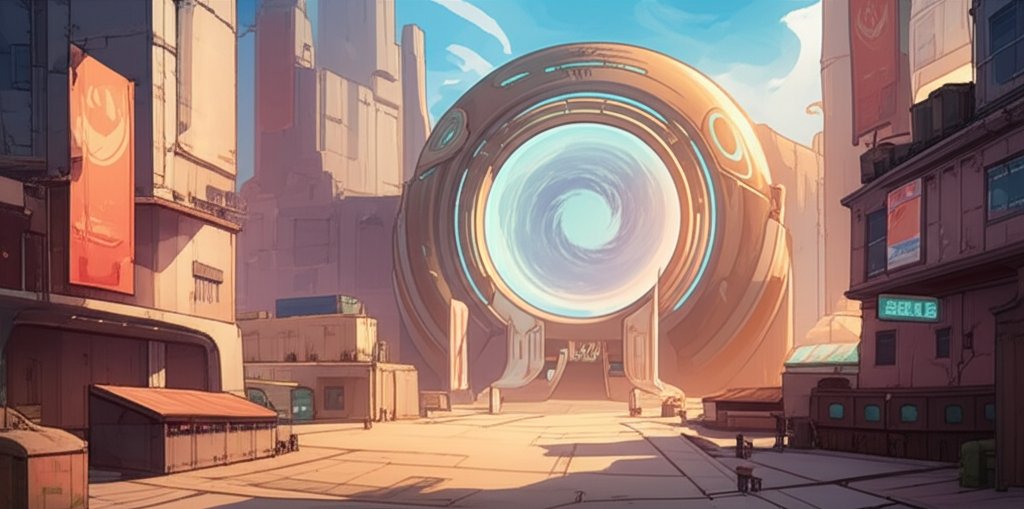
The appeal of alternative history isn’t limited to modern conflicts. Consider the impact if Alexander the Great had lived a long life or if the Qin dynasty had failed to unite China. These ancient turning points could have drastically altered the trajectory of empires, trade routes, and the very foundations of Western and Eastern civilizations.
Alternate History’s Hidden Connections to the Past
Sometimes, looking at what could have happened shines a new light on what did happen. The genre allows us to consider the contingency of historical events, reminding us that the present is not inevitable, but rather the result of countless choices and circumstances.
Furthermore, some historical events are shrouded in mystery, and exploring alternative outcomes can sometimes offer new perspectives, even if fictional. Think, for instance, of scenarios that echo Telescopic Views into Ancient Mysteries, hinting at the enduring power of the past in shaping potential futures.
Embracing the “What If”: A Never-Ending Exploration
Alternative history is a genre that constantly evolves, driven by our endless curiosity about the past and our desire to understand the forces that shape our world. It encourages us to question assumptions, explore possibilities, and ultimately, appreciate the complex and often unpredictable nature of history. We can learn a lot from these thought experiments. The “what if?” questions of alternative history are never truly answered, as each possibility only begets more thought and, ultimately, more questions.










