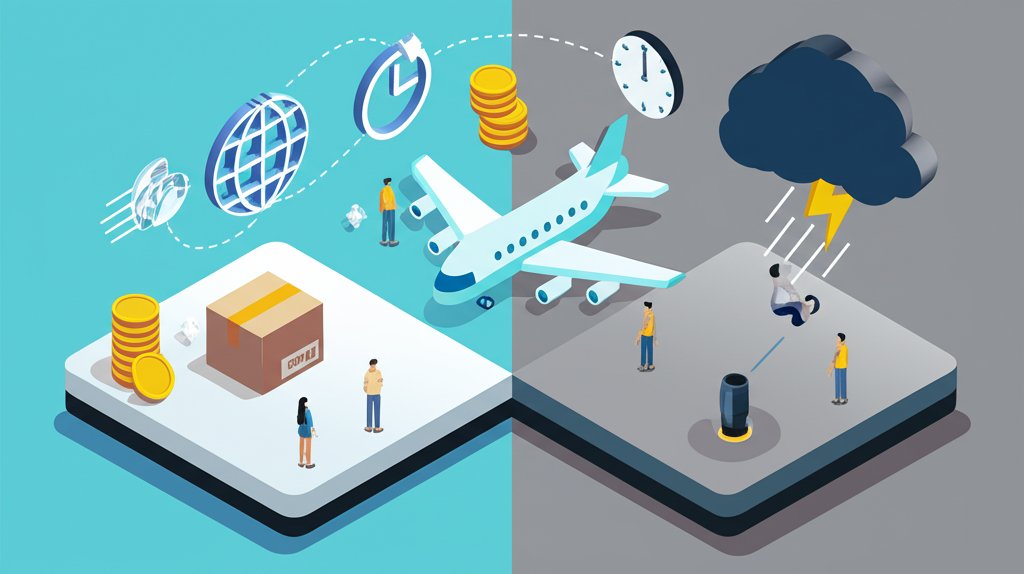
Air transport has revolutionized the way we connect, trade, and experience the world. From swiftly delivering critical medical supplies across continents to enabling seamless global business operations and unforgettable personal journeys, the influence of air travel is profound. However, this indispensable mode of transportation also comes with its own set of trade-offs. Understanding the full spectrum of its advantages of air transportation and disadvantages of air transportation is crucial for businesses, travelers, and policymakers alike.
This comprehensive guide will delve deep into the multifaceted nature of air transport, outlining 10 advantages of air transportation that make it a superior choice in many scenarios, and exploring 10 disadvantages of air transportation that present significant challenges. By gaining an unbiased perspective, you’ll be equipped with the knowledge to make informed decisions regarding logistics, travel, and the future of global connectivity.
While air travel offers speed and convenience, it’s also important to consider potential downsides, mirroring how weighing the disadvantages of travelling is crucial before any trip.
Understanding Air Transport: A Brief Overview
Air transport refers to the movement of passengers and cargo by aircraft, primarily airplanes and helicopters. It operates on a vast global network of airports, air traffic control systems, and airlines, facilitating rapid movement across immense distances. Unlike sea, road, or rail transport, air operations are largely unhindered by geographical barriers, offering a unique mode of transit that prioritizes speed and directness. Its role in modern logistics and global commerce is irreplaceable, often serving as the backbone for time-sensitive deliveries and international business.
The Unrivaled Benefits: 10 Advantages of Air Transportation
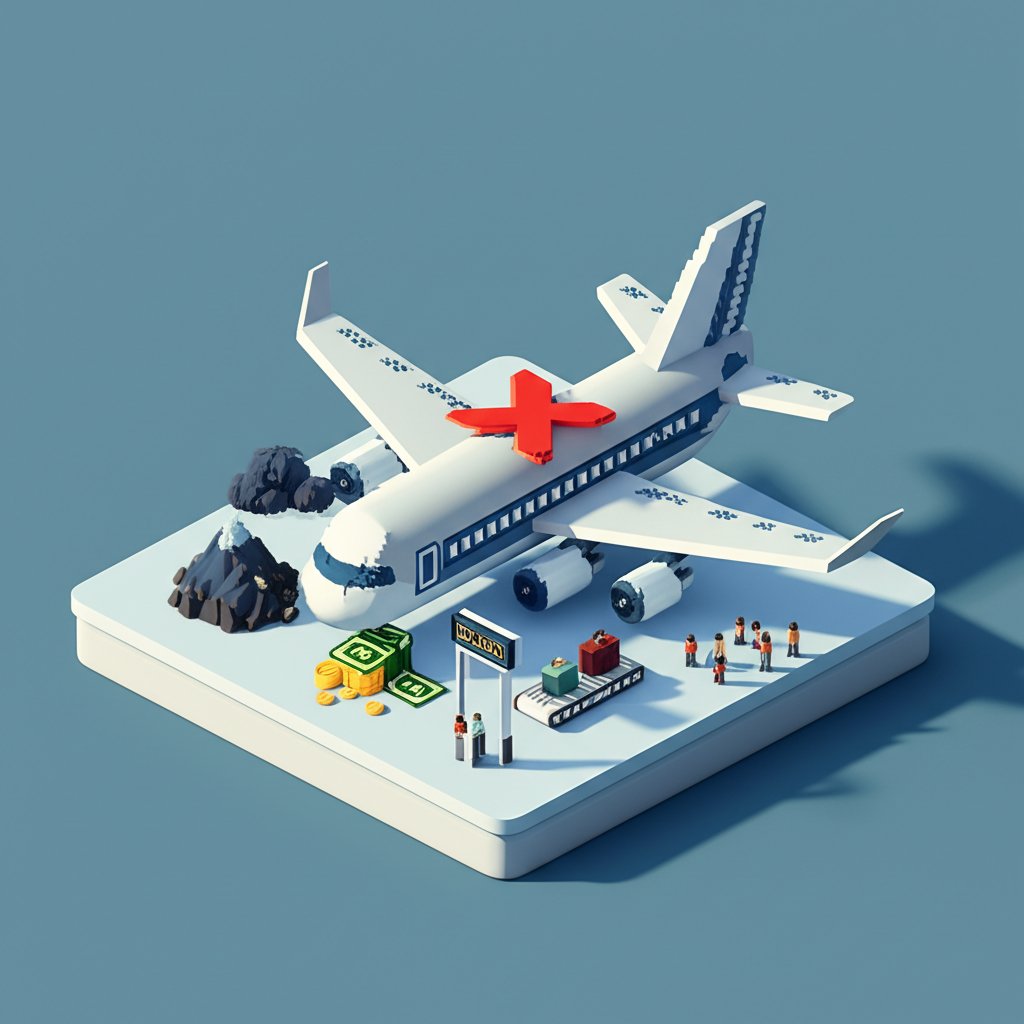
Air transport stands out due to its unique capabilities that no other mode can fully replicate. Here are the primary advantages of air transportation that underscore its importance:
1. Unmatched Speed and Efficiency
The most prominent advantage of air transport is undoubtedly its incredible speed. Airplanes can cover vast distances in a fraction of the time it takes for ships, trains, or trucks. This speed is critical for reducing transit times, which directly impacts supply chain efficiency and allows for quicker market response. For products with a short shelf life or urgent delivery requirements, air freight is the only viable option.
2. Global Accessibility and Connectivity
Air transport boasts unparalleled global reach. With an extensive network of international airports, it connects virtually every corner of the globe, regardless of geographical obstacles like mountains, oceans, or deserts. This advantage of air transport makes it possible to transport goods and people to remote or landlocked regions that are inaccessible by other means, fostering global trade and cultural exchange.
3. Enhanced Security for High-Value Goods
Airlines and airports implement rigorous security protocols, including strict screening procedures, secure warehousing, and constant surveillance. This high level of security significantly reduces the risk of theft, damage, or loss for valuable, sensitive, or high-risk cargo. For industries dealing with luxury goods, electronics, or confidential documents, the enhanced security offered by air transport provides peace of mind.
4. Reliability and Predictability in Scheduling
Air transport operates on meticulously planned schedules, making it highly reliable and predictable. Airlines adhere to strict flight timetables, and advancements in logistics technology allow for real-time tracking of shipments. This predictability is vital for businesses that require precise delivery windows, enabling better inventory management and production planning. While weather can cause disruptions, the overall system is designed for punctuality.
5. Reduced Inventory Holding Costs
Due to the speed of air freight, businesses can adopt just-in-time inventory strategies. Faster transit times mean less need to hold large stockpiles of goods, thereby reducing warehousing costs, insurance expenses, and the risk of obsolescence. This advantage of air transportation frees up capital and improves cash flow, especially for businesses with high-value or rapidly changing products.
6. Ideal for Perishable and Time-Sensitive Cargo
For goods that spoil quickly, such as fresh produce, flowers, pharmaceuticals, or medical supplies, air transport is indispensable. Its speed ensures these items reach their destination while still fresh, potent, or viable. Specialized temperature-controlled cargo holds further enhance its suitability for sensitive items, making it a critical link in cold chain logistics.
7. Overcomes Geographical Barriers and Obstacles
Unlike land or sea transport, air transport is largely unaffected by topographical features. Mountains, oceans, dense forests, or impassable terrains pose no direct challenge to aircraft. This allows for direct routes, minimizing detours and significantly cutting down travel and transit times, especially between continents or island nations.
8. Critical for Emergency and Humanitarian Aid
In times of natural disaster, conflict, or public health crises, air transport becomes the lifeline for emergency response. It can rapidly deploy medical teams, relief supplies, food, and equipment to affected areas that are otherwise cut off. This unique capability saves lives and facilitates urgent humanitarian efforts on a global scale.
9. Passenger Comfort and Convenience (Advantages of Air Travel)
Modern airliners offer a level of comfort and convenience that makes long-distance travel significantly more manageable. With amenities like in-flight entertainment, Wi-Fi, meal services, and various seating classes, advantages of air travel include a more relaxed journey compared to prolonged road or sea trips. It minimizes travel fatigue, allowing passengers to arrive at their destination refreshed and ready.
10. Economic Growth and International Trade Facilitation
Air transport is a powerful catalyst for economic development. By connecting markets and enabling quick movement of goods and people, it supports international trade, foreign investment, and tourism. Businesses can tap into new global markets, fostering economic growth and creating jobs worldwide. It’s a key enabler for globalization.
Navigating the Challenges: 10 Disadvantages of Air Transportation
While air transport offers significant benefits, it also presents a range of limitations and drawbacks that must be considered. Here are the 10 disadvantages of air transportation:
1. High Operational and Ticket Costs
One of the most significant disadvantages of air transportation is its prohibitive cost. Operating aircraft involves substantial expenses related to fuel, maintenance, highly skilled personnel, airport fees, and air traffic control. These high operational costs translate into higher freight charges and passenger ticket prices compared to other modes of transport, making it less accessible for budget-constrained individuals or bulk, low-value cargo.
2. Limited Cargo Capacity and Size Restrictions
Airplanes, especially passenger planes that carry cargo in their belly holds, have finite space and weight limitations. This restricts the volume and size of goods that can be transported. Oversized, extremely heavy, or very bulky items are often unsuitable for air freight, redirecting them to sea or rail transport. This disadvantage of air transportation limits its applicability for certain industries and large-scale shipments.
3. Significant Environmental Impact (Carbon Footprint)
Air transport contributes substantially to greenhouse gas emissions, primarily carbon dioxide (CO2), through the burning of jet fuel. The aviation industry’s carbon footprint is a major environmental concern, contributing to climate change and air pollution. This disadvantage of air transportation puts pressure on the industry to invest in sustainable aviation fuels and more fuel-efficient aircraft.
4. Susceptibility to Weather Disruptions
Air operations are highly vulnerable to adverse weather conditions such as fog, heavy snow, severe thunderstorms, or strong winds. These conditions can cause extensive flight delays, diversions, or outright cancellations, leading to inconvenience for passengers and disruptions in supply chains. Unlike ground transport, planes cannot simply pull over or reroute easily in severe weather.
5. High Capital Investment for Infrastructure
Establishing and maintaining air transport infrastructure requires immense capital. Airports, runways, air traffic control towers, navigation systems, and security equipment demand massive investments for construction, upgrades, and ongoing maintenance. These costs are often borne by governments and public entities, making the development of new air routes a complex and expensive undertaking.
6. Stringent Regulations and Bureaucracy
The air transport industry is heavily regulated both nationally and internationally to ensure safety, security, and fair operation. While essential, these regulations can lead to significant bureaucracy, complex customs procedures, and extensive documentation requirements. This can slow down freight processing and make international air travel or shipping more complicated for individuals and businesses.
7. Noise Pollution in Surrounding Areas
Airports are major sources of noise pollution, particularly during take-offs and landings. Communities located near airports often experience significant disturbance, which can impact quality of life, property values, and even health. This disadvantage of air transportation often leads to local opposition to airport expansion and flight path changes.
8. Potential for Delays and Cancellations Beyond Weather
Beyond weather, various factors can lead to flight delays or cancellations, including mechanical issues, air traffic control congestion, airline operational problems (e.g., crew shortages), or industrial action. These unforeseen disruptions can have a cascading effect, causing missed connections, extended travel times, and significant financial losses for businesses.
9. Need for Specialized Skills and Training
Operating and maintaining aircraft, as well as managing complex air traffic systems, requires highly specialized skills and extensive training. Pilots, air traffic controllers, aircraft mechanics, and ground crew undergo rigorous education and certification processes. This specialized workforce is expensive to train and retain, contributing to the overall high costs of the industry.
10. Security Risks and Concerns (Terrorism, Theft)
Despite enhanced security measures, air transport remains a potential target for terrorism due to its high profile and capacity to cause widespread disruption. There are also ongoing concerns about cargo theft, smuggling, and cyber-attacks on aviation systems. The constant threat necessitates ever-evolving security protocols, which can be costly and inconvenient for passengers and freight alike.
Mitigating the Disadvantages: Strategic Solutions
Addressing the inherent downsides of air transport requires multi-faceted strategies:
- Cost Reduction: Airlines can optimize fuel efficiency through modern aircraft, refine route planning, and leverage economies of scale. For businesses, consolidating shipments or exploring multimodal transport (e.g., sea-air combinations) can offer cost savings.
- Environmental Impact: Investment in sustainable aviation fuels (SAFs), research into electric and hydrogen-powered aircraft, and operational efficiencies (like optimized flight paths) are crucial for reducing the carbon footprint.
- Capacity Limitations: Strategic partnerships between airlines for shared cargo space and the development of specialized freighter aircraft can help manage capacity. For shippers, careful planning and packaging optimization are key.
- Disruption Management: Advanced weather forecasting, real-time communication systems, and flexible operational protocols help minimize the impact of weather and other disruptions. Clear communication with customers is paramount.
- Security & Regulation: Continuous innovation in screening technologies, intelligence sharing, and streamlined regulatory processes can enhance security while minimizing bureaucratic hurdles.
Conclusion
Air transport, with its unparalleled speed and global reach, offers profound advantages of air transportation that make it indispensable for modern commerce and travel. It drives global connectivity, facilitates urgent deliveries, and fosters economic growth, positioning it as a cornerstone of the global supply chain and personal mobility. From the advantage of air transport in rapid delivery of pharmaceuticals to the advantages of air travel for business and tourism, its benefits are clear.
However, it is equally important to acknowledge the disadvantages of air transportation, including its high cost, environmental impact, limited capacity, and susceptibility to disruptions. As the world moves towards greater sustainability and efficiency, addressing these challenges will require ongoing innovation, strategic planning, and collaborative efforts across the industry. By understanding both the 10 advantages of air transportation and the 10 disadvantages of air transportation, we can better harness its power while responsibly mitigating its drawbacks for a more connected and sustainable future.
FAQ
Q1: What are the primary advantages of air transport?
A1: The primary advantages of air transportation include unmatched speed, global connectivity, enhanced security for valuable goods, high reliability in scheduling, reduced inventory holding costs, and its suitability for perishable and time-sensitive cargo. It also overcomes geographical barriers, is vital for emergency aid, offers passenger comfort, and boosts economic growth.
Q2: What are the key disadvantages of air transportation?
A2: The key disadvantages of air transportation are its high operational and ticket costs, limited cargo capacity and size restrictions, significant environmental impact (carbon footprint), susceptibility to weather disruptions, high capital investment for infrastructure, and stringent regulations. Other drawbacks include noise pollution, potential for delays, need for specialized skills, and security risks.
Q3: Is air travel more expensive than other modes of transportation?
A3: Yes, air travel and air freight are generally more expensive than other modes like sea, road, or rail transport. This is due to higher fuel costs, specialized equipment, infrastructure requirements, and the need for highly trained personnel.
Q4: How does air transport contribute to environmental concerns?
A4: Air transport is a significant contributor to greenhouse gas emissions, primarily carbon dioxide, from burning jet fuel. This contributes to climate change and air pollution, making its environmental impact a major concern.
Q5: For what types of goods is air freight most suitable?
A5: Air freight is most suitable for high-value goods, perishable items (like fresh food, flowers, pharmaceuticals), time-sensitive shipments, and critical components where speed of delivery outweighs cost considerations. It’s also ideal for urgent documents and electronics.










