In an increasingly interconnected world, the movement of goods and people across vast distances is the lifeblood of global commerce and development. Among the various modes of transport, water transport stands as an ancient yet perpetually vital system, silently underpinning much of modern civilization. From bustling megacities to remote island communities, the waterways — oceans, seas, rivers, and canals — serve as indispensable highways.
This comprehensive guide delves into the multifaceted world of water transport, shedding light on its profound importance of water transportation, the compelling advantages it offers, and the significant drawbacks that demand careful consideration. We’ll explore why this mode of transport remains critical, what makes it a preferred choice for many, and the challenges that stakeholders must navigate to ensure its continued efficiency and sustainability.
While water transport excels in moving massive quantities, travelers should also be aware of potential drawbacks when considering different modes of transit, some of which overlap with the general disadvantages of traveling such as longer journey times or potential for unexpected delays, making it wise to weigh all options carefully.
The Unrivaled Importance of Water Transportation in a Globalized World
The importance of water transportation cannot be overstated. It is far more than just moving goods from point A to point B; it is an economic engine, a geopolitical tool, and a crucial link for communities worldwide.
Fueling Global Trade and Economy
At its core, water transportation is the backbone of international trade. Approximately 90% of global trade by volume is carried by sea. Without the vast network of shipping routes, the global economy as we know it would grind to a halt. From raw materials like crude oil, iron ore, and grains to finished products like electronics, apparel, and automobiles, the sheer volume transported by sea is staggering. This cost-effective movement of goods enables lower consumer prices, supports diverse industries, and fosters economic growth across continents. Supply chains, both national and international, are intricately woven with maritime logistics, making its role in economic prosperity absolutely paramount.
Connecting Continents and Cultures
Beyond economics, water transport acts as a powerful bridge connecting disparate geographies and cultures. It facilitates the movement of people, whether through cruise tourism or ferry services, fostering cultural exchange and understanding. For island nations and coastal regions, it’s often the only viable link to the rest of the world, ensuring access to essential supplies, medical aid, and emergency services. Inland waterways, such as major rivers and canals, extend this connectivity deep into continental landmasses, enabling regional development and opening up new markets for goods and services.
Strategic Significance and National Security
The ability to control and navigate waterways has profound strategic implications for nations. Maritime power is intrinsically linked to national security, safeguarding trade routes, projecting influence, and responding to global crises. Navies protect commercial vessels, ensure freedom of navigation, and conduct humanitarian missions. Secure sea lanes are vital for energy security, food security, and the uninterrupted flow of essential resources, making the maintenance and protection of water transport infrastructure a top national priority for many countries.
Environmental Stewardship Potential
While not without its challenges, water transport, particularly modern shipping, has a significant potential for environmental stewardship. Per unit of cargo, ships are often the most fuel-efficient mode of transport, leading to a lower carbon footprint compared to air or road freight, especially over long distances. Ongoing efforts in the industry focus on decarbonization, with innovations in propulsion systems, cleaner fuels, and optimized vessel design aiming to further reduce its environmental impact, solidifying its role as a potentially greener alternative for large-scale logistics.
What Are the Advantages of Water Transport? Unpacking Its Core Strengths
When considering logistics options, understanding what are the advantages of water transport is crucial. Its unique characteristics provide compelling benefits that other modes often cannot match, particularly for specific types of cargo and routes.
Unmatched Cost-Effectiveness for Bulk Cargo
One of the most significant advantages of water transportation is its inherent cost-effectiveness. For bulk goods (like oil, grain, minerals, and chemicals) and large volumes of containerized cargo over long distances, shipping is considerably cheaper per ton-mile than air, road, or rail. This is primarily due to the massive carrying capacity of vessels and the relatively lower fuel consumption per unit of cargo. The economies of scale achieved by a single vessel moving thousands of containers or tons of raw materials represent substantial savings for businesses and, ultimately, consumers.
Exceptional Carrying Capacity
No other mode of transport can compete with water vessels in terms of sheer carrying capacity. Modern container ships can carry over 24,000 TEUs (twenty-foot equivalent units), while bulk carriers can transport hundreds of thousands of tons of cargo. This immense capacity makes water transport ideal for moving large, heavy, or oversized items that would be impossible or prohibitively expensive to transport by road, rail, or air. This capability is vital for industries dealing with raw materials, heavy machinery, or project cargo.
Higher Fuel Efficiency and Lower Carbon Footprint
Compared to road or air freight, water transport boasts superior fuel efficiency per ton of cargo moved. Large vessels move through water with relatively less friction and consume less fuel than the equivalent cargo moved by trucks or airplanes. This translates to a lower carbon footprint and reduced greenhouse gas emissions per unit of freight, making it an environmentally preferable option for businesses committed to sustainability goals. Continuous advancements in ship design and engine technology further enhance this eco-friendly aspect.
Relative Immunity to Terrestrial Congestion
While ports can experience congestion, maritime routes themselves are free from the traffic jams that plague roads and cities. Once a vessel departs, its journey across the open sea is generally unimpeded by land-based obstacles. This allows for more predictable transit times for the sea leg of a journey, contributing to schedule adherence, especially for long-haul international shipments.
Accessibility to Remote Coastal and Inland Regions
Water transport provides unique accessibility to areas that may lack developed road or rail networks. Rivers and canals extend transportation networks deep into continents, while coastal shipping connects communities along vast coastlines. This is particularly beneficial for islands, remote coastal towns, and regions where building extensive land infrastructure is economically unfeasible or environmentally disruptive. It opens up these areas to trade and development opportunities.
Enhanced Safety and Reliability for Specific Goods
For certain types of cargo, especially hazardous materials or extremely fragile items, water transport can offer enhanced safety. Specialized vessels are designed to transport dangerous goods with strict safety protocols, often in purpose-built compartments. The relatively stable motion of large ships (compared to the vibrations of road or rail) can also be beneficial for delicate cargo, reducing the risk of damage during transit. Furthermore, modern shipping benefits from advanced navigation systems and satellite tracking, improving reliability and security across global routes.
The Disadvantages of Water Transportation: A Comprehensive Look at Its 10+ Drawbacks
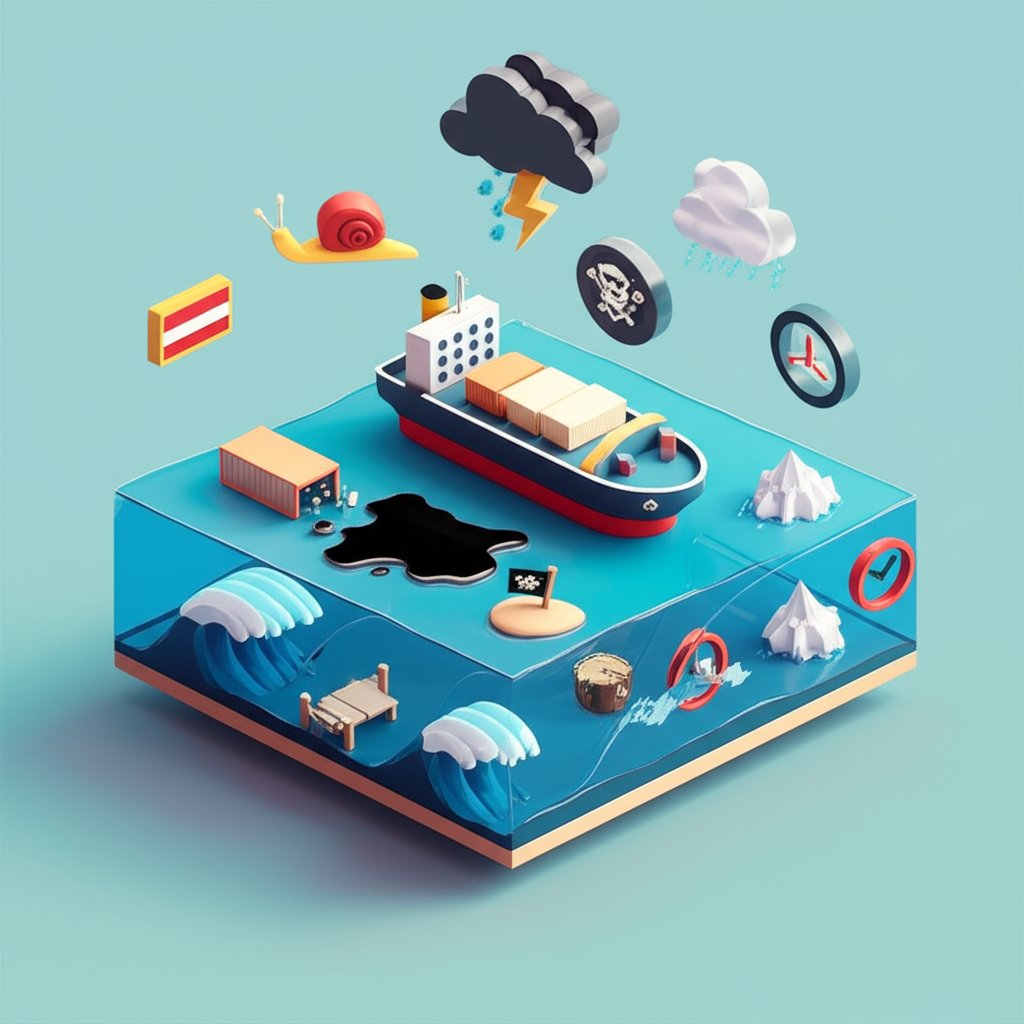
While the benefits are significant, it’s equally important to understand the disadvantages of water transportation. This mode of transport, while powerful, comes with its own set of challenges that can impact logistics, timelines, and costs. We will outline more than 10 disadvantages of water transportation to provide a thorough overview, also addressing the common query about 5 disadvantages of water transportation.
1. Slow Transit Times
Perhaps the most significant drawback of water transport is its inherent slowness. Ships travel at significantly lower speeds compared to airplanes or even trains and trucks. This means that for time-sensitive goods, perishable items, or urgent deliveries, water transport is often unsuitable. Transit times can range from several days for short sea routes to weeks or even months for intercontinental journeys, demanding extensive lead times and careful planning in supply chains.
2. Limited Flexibility and Route Dependency
Water transport is constrained by the existence of navigable waterways, ports, and harbors. Unlike road transport, which offers door-to-door flexibility, ships must adhere to fixed marine routes, port calls, and schedules. This often necessitates additional land-based transportation (trucks or rail) at both ends of the journey, adding layers of complexity, cost, and potential for delay due to intermodal transfers.
3. Vulnerability to Weather and Natural Disasters
Ships are highly susceptible to adverse weather conditions. Storms, hurricanes, tsunamis, dense fog, and ice can cause significant delays, rerouting, or even cancellation of voyages. These disruptions can have a cascading effect on supply chains, leading to missed deadlines, increased storage costs, and potential loss of perishable goods. Natural disasters, like earthquakes impacting port infrastructure, can cripple operations for extended periods.
4. Significant Infrastructure Dependencies
The efficiency of water transport relies heavily on extensive and well-maintained infrastructure, including deepwater ports, docks, cranes, warehouses, canals, and navigation aids. Developing and maintaining this infrastructure requires massive capital investment and ongoing upkeep. Inadequate or outdated infrastructure in certain regions can severely limit the effectiveness and accessibility of water transport, creating bottlenecks and increasing operational costs.
5. Security Risks: Piracy and Smuggling
Certain maritime routes, particularly in regions like the Gulf of Aden, the Straits of Malacca, and parts of West Africa, are notorious for piracy. This poses a significant threat to cargo, vessels, and crew, leading to increased insurance premiums, the need for armed security, and potential for ransoms or violent encounters. Beyond piracy, smuggling of illegal goods, arms, or people also presents a constant security challenge for maritime authorities and shipping companies.
6. Potential for Environmental Pollution
While often more fuel-efficient, water transport still contributes to environmental concerns. Accidental oil spills, discharge of ballast water (which can introduce invasive species to new ecosystems), and emissions of sulfur oxides, nitrogen oxides, and particulate matter (despite stricter regulations) are ongoing challenges. Marine pollution can devastate ecosystems, harm marine life, and impact coastal communities that rely on fishing and tourism.
7. High Initial Capital Investment
The acquisition, operation, and maintenance of vessels are incredibly capital-intensive. Purchasing or leasing large ships, ensuring they meet international safety and environmental regulations, and covering crewing, fuel, and insurance costs represent substantial financial outlays. This high barrier to entry can limit competition and make it challenging for new players to enter the market.
8. Risk of Cargo Damage or Loss
Despite robust packaging and loading procedures, cargo transported by sea is susceptible to damage or loss from various factors, including rough seas, improper stowage, container mishaps, fire, or theft. While insurance mitigates financial losses, the disruption to supply chains and the potential for reputational damage remain significant concerns for shippers.
9. Complex Customs and Port Procedures
International water transportation involves navigating a labyrinth of customs regulations, import/export duties, port charges, and bureaucratic procedures in multiple countries. Delays caused by paperwork errors, inspections, or changing national policies can be frustrating and costly, adding significant time and effort to the shipping process.
10. Seasonal Restrictions and Navigational Challenges
Certain waterways, like the Great Lakes or parts of the Arctic, are subject to seasonal icing, rendering them impassable for several months of the year. Low water levels in rivers during dry seasons can also limit navigability for larger vessels. These natural constraints can force shippers to seek alternative, potentially more expensive, transport modes during off-peak seasons.
11. Intermodal Transfer Challenges (Beyond Port-to-Port)
While a ship handles the long-haul, the journey typically begins and ends on land. The necessity of transferring cargo between different modes (ship to truck/train) at ports introduces additional handling, potential for damage, and points of congestion. Efficient intermodal facilities are crucial, but their absence or inefficiency can negate some of the cost benefits of the sea leg.
12. Limited Speed for Perishable Goods
For highly perishable goods like fresh produce, certain pharmaceuticals, or live animals, the slow speed of water transport often makes it an unviable option. The extended transit times can lead to spoilage, degradation of quality, or even complete loss of temperature-sensitive cargo, making air freight or faster land routes mandatory despite higher costs.
These 12 disadvantages of water transportation highlight the complex operational environment and the careful planning required to leverage its strengths effectively. While the top 5 disadvantages of water transportation typically include slow speed, limited flexibility, weather vulnerability, infrastructure dependency, and security risks, it’s clear the challenges extend much further.
Beyond Cargo: Diverse Types of Water Transport
To truly master water transport, it’s essential to recognize its varied forms, each tailored for specific purposes.
Ocean Shipping (Container, Bulk, Tanker)
- Container Ships: The most visible manifestation of global trade, carrying standardized containers filled with diverse goods. These form the backbone of modern international logistics.
- Bulk Carriers: Designed to transport unpackaged bulk cargo such as grain, coal, iron ore, cement, and fertilizers. They are vital for moving vast quantities of raw materials.
- Tankers: Specialized vessels for transporting liquids, primarily crude oil, refined petroleum products, liquefied natural gas (LNG), and chemicals. They are critical for global energy supply.
- Roll-on/Roll-off (Ro-Ro) Ships: Carry wheeled cargo such as cars, trucks, and trains that can be driven on and off the vessel, streamlining logistics for vehicle manufacturers.
Inland Waterways (Barges, Ferries)
- Barges: Flat-bottomed boats designed to transport heavy, non-perishable cargo along rivers and canals. Often pushed or pulled by tugboats, they are highly cost-effective for domestic bulk transport.
- Ferries: Vessels that transport passengers and vehicles across relatively short stretches of water, connecting islands, coastal towns, or across large lakes and rivers, serving local communities and tourism.
Passenger and Cruise Liners
- Cruise Ships: Floating resorts offering leisure travel, featuring extensive amenities and entertainment. They represent a significant segment of the tourism industry.
- Passenger Ships: Primarily designed for point-to-point transport of people across seas or between landmasses, often on scheduled routes.
The Future of Water Transport: Innovation and Sustainability
The maritime industry is not static; it’s constantly evolving to meet new demands and overcome existing challenges. The future of water transport is being shaped by two major forces: innovation and sustainability.
Decarbonization and Green Shipping
With increasing environmental concerns and stricter regulations, the push for decarbonization is paramount. This involves:
These efforts aim to drastically reduce the industry’s carbon footprint and move towards net-zero emissions.
Automation and Digitalization
Technology is transforming maritime operations:
Resilient Supply Chains
Lessons learned from global disruptions (like the Suez Canal blockage or pandemics) are driving a focus on more resilient and adaptive supply chains. Water transport will play a role in this by:
Conclusion
Water transport, in its various forms, remains an indispensable pillar of global connectivity, trade, and economic development. Its unparalleled capacity and cost-effectiveness for bulk and long-distance cargo underscore its enduring importance of water transportation. While the advantages of water transport are crucial for globalized commerce, it is equally vital to acknowledge and address the numerous disadvantages of water transportation, from its inherent slowness and vulnerability to environmental impacts and security concerns.
By understanding both the profound benefits and inherent challenges, businesses, policymakers, and communities can make informed decisions, invest in critical infrastructure, and champion innovative, sustainable solutions. As the world continues to navigate complex economic and environmental landscapes, mastering water transport will be key to fostering a more connected, prosperous, and sustainable future.
Frequently Asked Questions (FAQ)
Q1: What is the primary importance of water transportation?
A1: The primary importance of water transportation lies in its role as the backbone of global trade, moving approximately 90% of international cargo by volume. It enables cost-effective transport of bulk goods and large volumes over long distances, connecting economies, fostering development, and facilitating access to remote regions worldwide.
Q2: What are the advantages of water transport?
A2: The key advantages of water transport include unmatched cost-effectiveness for bulk and large-volume cargo, exceptional carrying capacity for heavy and oversized items, superior fuel efficiency leading to a lower carbon footprint per ton-mile, relative immunity to terrestrial traffic congestion on open routes, and accessibility to coastal and inland regions lacking other infrastructure.
Q3: Can you list 5 disadvantages of water transportation?
A3: Certainly, here are 5 disadvantages of water transportation:
Q4: What are some 10 disadvantages of water transportation?
A4: Beyond the top five, here are 10 disadvantages of water transportation for a more comprehensive view:
Q5: How does water transport impact the environment?
A5: While often more fuel-efficient per ton-mile, water transport does have environmental impacts. These include greenhouse gas emissions and air pollutants (though often lower than other modes), the risk of oil spills, and the discharge of ballast water which can introduce invasive species into new ecosystems. The industry is actively working on decarbonization and stricter environmental regulations to mitigate these impacts.










