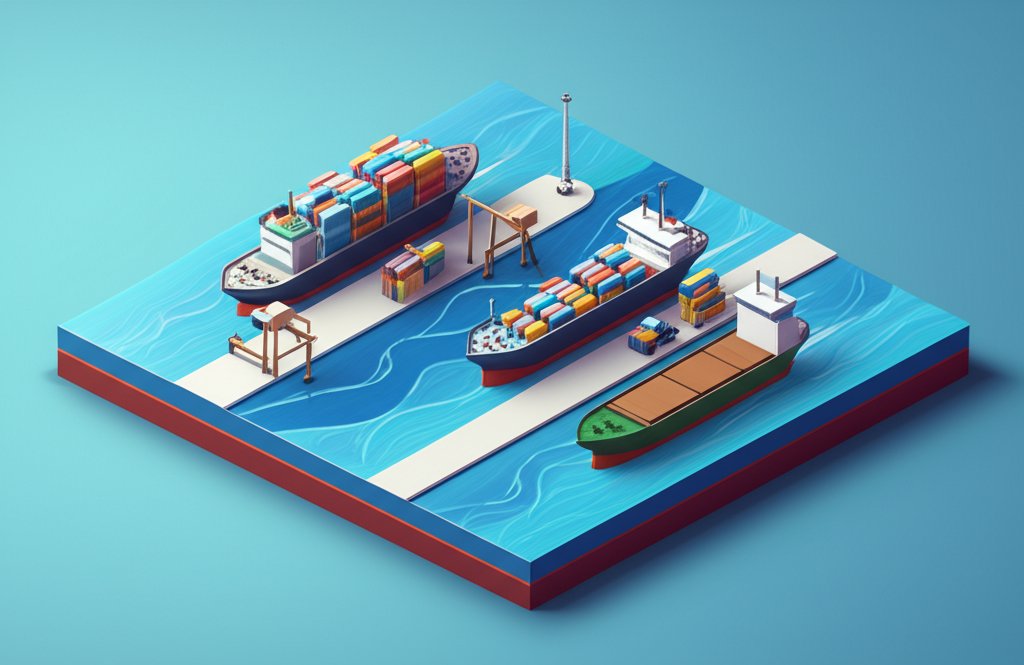
The vast blue highways of our oceans are the lifeblood of global commerce, silently carrying trillions of dollars worth of goods across continents. But beneath this unified purpose, two fundamentally different operational models dictate how cargo moves: tramp shipping and liner shipping. For businesses involved in logistics, understanding the profound difference between liner and tramp shipping is not merely academic—it’s crucial for optimizing supply chains, managing costs, and ensuring timely deliveries.
This comprehensive guide will meticulously unravel the intricacies of both liner shipping and tramp shipping. We’ll move beyond simple definitions to explore their distinct operational philosophies, the types of cargo they typically handle, their unique advantages and disadvantages, and ultimately, help you determine which service best aligns with your specific shipping requirements. Get ready to dive deep into the world of maritime transport and reveal the pros and cons of these essential shipping paradigms.
Understanding Liner Shipping: The Scheduled Navigator
Liner shipping represents the backbone of modern global trade, characterized by its structured, scheduled approach to cargo transport.
What is Liner Shipping?
Liner shipping involves vessels operating on fixed routes between predetermined ports, adhering to published schedules and tariffs. Much like a public bus or airline, liner vessels sail whether they are fully loaded or not, offering a regular, reliable service for various shippers. This model is built on consistency and predictability, making it ideal for manufactured goods and general cargo that need to move frequently and on time.
While liner shipping provides structure, it’s important to weigh its inherent limitations, just as considering the disadvantages of scheduled travel is vital when planning a trip.
Common Cargoes and Vessel Types
The most iconic image of liner shipping is the container ship. These colossal vessels carry thousands of TEUs (Twenty-foot Equivalent Units), transporting everything from electronics and apparel to machinery and perishables. Beyond containers, liner services also accommodate:
Liner services primarily handle finished goods, semi-finished products, and general cargo that can be standardized and containerized, enabling efficient loading, unloading, and intermodal transfer.
The Liner Model in Practice
The liner model operates on a hub-and-spoke system, with major ports serving as central hubs where cargo from feeder vessels is consolidated onto larger mainline ships, and vice-versa. This extensive network ensures global reach and connectivity. Shippers book space on a vessel, pay a set freight rate, and expect their cargo to arrive at the destination port according to the published timetable. This high degree of organization fosters predictability and efficiency throughout the supply chain.
Delving into Tramp Shipping: The Flexible Wanderer
In stark contrast to the rigid structure of liner services, tramp shipping offers a more ad-hoc, demand-driven approach to sea transport.
What is Tramp Shipping?
Tramp shipping, often referred to as tramping, involves vessels that do not operate on fixed routes or schedules. Instead, a tramp ship (or tramp steamer) seeks cargo wherever it is available, contracting on a voyage-by-voyage basis. These vessels are essentially “for hire,” navigating the seas opportunistically to transport specific bulk or project cargo for one or a few shippers. The term “tramp” aptly describes their wandering nature, always seeking the next profitable journey.
Typical Cargoes and Vessel Types
Tramp ships are the workhorses for raw materials and oversized goods, often less sensitive to precise delivery times but requiring significant carrying capacity. Key cargo types include:
Vessel types in tramp shipping are highly specialized to their cargo, including:
How Tramp Operations Work
Tramp shipping operates predominantly on the spot market, where shipowners and charterers negotiate freight rates for each specific voyage. The shipowner offers the vessel, and the charterer (shipper) needs to transport cargo. Negotiations consider factors like cargo type, volume, origin/destination, current market demand, and fuel prices. This dynamic market means rates fluctuate significantly, reflecting real-time supply and demand for shipping capacity. The entire operation is characterized by its adaptability, allowing vessels to divert to any port where a lucrative charter might arise.
The Core Differences Between Liner and Tramp Shipping
Understanding the fundamental difference between liner and tramp shipping is paramount for anyone navigating the complexities of global logistics. These two models diverge significantly across multiple operational and commercial aspects.
Route and Schedule: Fixed vs. Flexible
- Liner Shipping: Operates on fixed routes and timetables. Vessels call at predetermined ports on a regular basis, irrespective of full cargo loads. This offers predictability and allows shippers to plan their supply chains with precision.
- Tramp Shipping: Follows no fixed route or schedule. Vessels are chartered for specific voyages, often diverting to different ports based on cargo availability and market demand. This flexibility allows for opportunistic exploitation of cargo needs but offers less predictability.
Cargo Type and Volume: Diverse vs. Homogeneous
- Liner Shipping: Primarily carries containerized cargo (manufactured goods, consumer products, electronics) from a large number of shippers. It handles diverse types of cargo, consolidating many smaller shipments into full container loads (FCL) or less-than-container loads (LCL).
- Tramp Shipping: Specializes in bulk cargo (raw materials like coal, grain, oil) or large breakbulk/project cargo from one or a few shippers. The cargo is often homogeneous and occupies the entire vessel or a significant portion of it.
Pricing Structure: Published Rates vs. Negotiated Charters
- Liner Shipping: Uses published freight rates (tariffs) that are generally stable over short periods, though subject to surcharges (e.g., fuel, currency adjustment). Shippers pay for space on a vessel.
- Tramp Shipping: Rates are negotiated for each shipment or charter, reflecting the immediate supply and demand conditions of the market. This often takes the form of voyage charter (per ton of cargo) or time charter (per day for a period).
Contractual Agreements: Long-Term vs. Short-Term
- Liner Shipping: Often involves long-term contracts (service contracts) between shippers and carriers, providing stability in pricing and capacity. Bookings are made well in advance.
- Tramp Shipping: Typically operates on short-term contracts or the spot market, with agreements made for individual voyages or short periods. This makes securing long-term commitments challenging.
Market Focus: Regular Trade Lanes vs. Opportunistic Voyages
- Liner Shipping: Concentrates on established, high-traffic trade lanes connecting major economic centers, serving a continuous flow of general cargo.
- Tramp Shipping: Responds to specific cargo demands wherever they arise, often serving less common routes or smaller ports that may not be on a liner’s regular rotation.
Operational Speed and Reliability
- Liner Shipping: Emphasizes speed and schedule reliability. Vessels maintain consistent transit times, crucial for time-sensitive cargo and just-in-time inventory management.
- Tramp Shipping: Generally operates at a slower pace and has less schedule reliability. Delays caused by weather, port congestion, or waiting for cargo are more common, impacting strict logistics timelines.
Shipper Relationships and Service Personalization
- Liner Shipping: Deals with a vast number of shippers, offering a standardized service. While customer service exists, the focus is on efficient processing of high volumes.
- Tramp Shipping: Often involves more personalized attention to one or a few shippers. The service can be tailored to unique cargo requirements, loading/unloading needs, and specific port calls.
These distinct characteristics highlight why the difference between liners and tramps makes each suitable for different types of maritime trade, catering to varied business needs across the globe.
Advantages and Disadvantages of Liner Shipping
Choosing liner shipping offers a distinct set of benefits and drawbacks that impact supply chain efficiency and cost.
Liner Advantages: Predictability, Efficiency, Broad Network, Modern Fleet
- High Schedule Reliability and Predictability: The most significant advantage. Fixed routes and timetables allow businesses to plan inventory, production, and distribution with confidence, minimizing delays. This is crucial for time-sensitive cargo and just-in-time (JIT) logistics.
- Containerization and Intermodal Efficiency: Standardized containers simplify handling, reduce cargo damage, and facilitate seamless transfer between different modes of transport (ship, rail, truck). This leads to significant operational efficiencies.
- Extensive Global Network: Liner services connect virtually every major port in the world, offering unparalleled reach and frequent departures, consolidating cargo from numerous shippers.
- Modern and Specialized Fleet: Liner operators typically invest in state-of-the-art vessels equipped with advanced technology, designed for speed, fuel efficiency, and specialized cargo handling (e.g., reefer containers for perishables).
- Fixed and Transparent Freight Rates: Published tariffs, though subject to surcharges, offer a degree of price stability and transparency, making budgeting easier for shippers.
- Regular and Frequent Departures: Companies can ship smaller, more frequent batches of goods, reducing inventory holding costs.
- Cargo Security: Containerization offers enhanced security, reducing theft and damage due to less direct handling of individual packages.
Liner Disadvantages: Less Flexibility, Higher Fixed Costs (Potentially), Port Congestion Vulnerability, Standardized Service
- Lack of Flexibility: Strict schedules and routes mean limited ability to deviate for unexpected port calls or specific cargo requirements. Shippers must conform to the carrier’s timetable.
- Potentially Higher Costs for Bulk/Large Cargo: While efficient for containerized goods, liner services might be less cost-effective for very large volumes of homogeneous bulk cargo compared to tramp shipping’s negotiated rates.
- Vulnerability to Port Congestion: Given their fixed schedules, liner vessels can face significant delays and associated costs (e.g., demurrage) if they encounter port congestion or operational issues at specific terminals.
- Standardized Service Limits Personalization: The high-volume, standardized nature of liner operations means less room for highly customized solutions for unique or unusual cargo.
- Indirect Shipper-Carrier Relationship: Shippers often deal with booking agents or freight forwarders rather than directly with the vessel owner, which can sometimes lead to communication complexities.
- Potential for Rolling Cargo: During peak seasons or unforeseen disruptions, a container might be “rolled” to the next available vessel, causing unexpected delays.
Advantages and Disadvantages of Tramp Shipping
Tramp shipping, with its unconstrained nature, offers its own unique set of advantages and disadvantages.
Tramp Advantages: Flexibility, Cost-Saving Potential (for Bulk), Versatility, Personalized Service
- Unmatched Flexibility and Capacity Availability: Tramp ships are the epitome of adaptability. They can serve virtually any port worldwide at short notice, unconstrained by rigid schedules. This allows for superior responsiveness to immediate market demands or urgent, one-off shipments.
- Significant Cost-Saving Potential for Bulk/Large Cargo: As rates are individually negotiated for each shipment, tramp shipping can offer highly competitive, budget-friendly rates, especially for large volumes of bulk commodities or when vessels are underutilized. This is a key
cost-saving potentialfor certain industries. - Versatility in Servicing Niche and Multiple Markets: Tramp ships are relied upon to service any type of market or port, including those not on regular liner routes. They excel at transporting specialized, oversized, or project cargo that wouldn’t fit standard liner services.
- Personalized Attention and Tailored Solutions: Since contracts often involve a single or a few shippers, tramp operators can offer highly customized services, including specific loading/unloading arrangements, direct port-to-port service, and specialized vessel configurations.
- Efficiency for Full Vessel Loads: When a single shipper needs to move a large, homogeneous volume of cargo that fills an entire vessel, tramp shipping is often the most efficient and cost-effective solution.
Tramp Disadvantages: Market Volatility, Reduced Schedule Reliability, Limited Contract Terms, Higher Risk
- Susceptibility to Market Volatility and Uncertainty: One of the main challenges is its inherent
market volatility. Freight rates can fluctuate wildly based on global economic conditions, geopolitical events, and the real-time balance of vessel supply and cargo demand. This unpredictability makes budgeting and long-term planning difficult. - Reduced Schedule Reliability: Tramp ships often operate at a slower pace and lack the fixed schedules of liner services, leading to
reduced schedule reliability. Delays can occur due to waiting for cargo, adverse weather, port congestion, or re-negotiating routes, posing significant challenges for time-sensitive deliveries. - Limited and Short-Term Contract Terms: Tramp shipping typically involves
limited contract terms(e.g., voyage charters, short-term time charters). Securing long-term commitments is difficult due to the unpredictable nature of the market, potentially disrupting supply chains and logistics planning for shippers seeking stability. - Higher Risk and Less Transparency: Shippers face greater exposure to market fluctuations and potential operational risks (e.g., vessel breakdowns, rerouting) without the buffer of a large liner network. Rate transparency can be lower compared to published liner tariffs.
- Less Suitable for Small, Diverse Shipments: For small volumes or highly diverse manufactured goods, the cost and complexity of chartering an entire tramp vessel (or a significant portion) are impractical.
- Less Intermodal Integration: While progress is being made, tramp shipping traditionally offers less seamless intermodal connectivity compared to containerized liner services.
When to Choose Liner vs. Tramp: Making the Informed Decision
The choice between liner shipping and tramp shipping is not about one being inherently “better” than the other. Instead, it’s about aligning the service with your specific cargo, business needs, and risk tolerance. Understanding the difference between liners and tramps empowers you to make an informed, strategic decision.
Ideal Scenarios for Liner Shipping
Liner services are the superior choice when your priorities include:
- Predictability and Reliability: If your cargo is time-sensitive, part of a just-in-time inventory system, or requires consistent delivery schedules (e.g., retail goods, electronics, automotive parts).
- Containerized or General Cargo: For manufactured goods, consumer products, or any cargo that fits into standard containers (FCL or LCL shipments).
- Regular, Frequent Shipments: If you need to move goods consistently between major global trade hubs.
- Smaller Volumes: For cargo that doesn’t fill an entire vessel or even a full container, where you can share space with other shippers.
- Extensive Network Coverage: When you require access to a vast network of ports and intermodal connections.
- Budgeting Stability: For businesses that value fixed, transparent freight rates for easier financial planning.
Example: An electronics manufacturer in Asia consistently shipping laptops to distributors in Europe would almost exclusively use liner shipping due to the need for regular, reliable, and containerized transport of high-value goods.
Ideal Scenarios for Tramp Shipping
Tramp services are the optimal solution when your needs lean towards:
- Bulk or Specialized Cargo: For large quantities of homogeneous raw materials (e.g., iron ore, coal, grain, oil) or oversized/heavy project cargo (e.g., wind turbine blades, factory modules).
- Flexibility in Port Calls: When you need a vessel to call at specific, potentially less common ports that may not be on a liner’s fixed route, or when direct port-to-port service is paramount.
- Cost Efficiency for Full Vessel Loads: If your shipment is large enough to fill a significant portion or an entire vessel, allowing you to negotiate highly competitive rates.
- Less Time-Sensitive Cargo: When goods are not urgent and can tolerate potential delays, prioritizing cost and customized transport over strict adherence to a schedule.
- Opportunistic or Unique Shipments: For one-off projects, seasonal harvests, or when market conditions offer advantageous charter rates.
Example: A mining company needing to transport a large volume of iron ore from a remote port in South America to a steel mill in China would charter a tramp bulk carrier, negotiating terms specific to that single voyage. Similarly, a construction company moving an entire power plant unit would opt for a heavy-lift tramp vessel.
Hybrid Approaches and Considerations
In some cases, businesses might utilize a hybrid approach, combining both liner and tramp services to optimize their logistics network. For instance, a commodity trader might use tramp shipping for transporting raw materials from the source, and then liner services to distribute smaller, processed batches to various markets.
When making your decision, consider:
By carefully evaluating these factors against the distinct pros and cons of tramp shipping and liner shipping, you can strategically choose the mode of transport that best serves your business objectives.
Conclusion
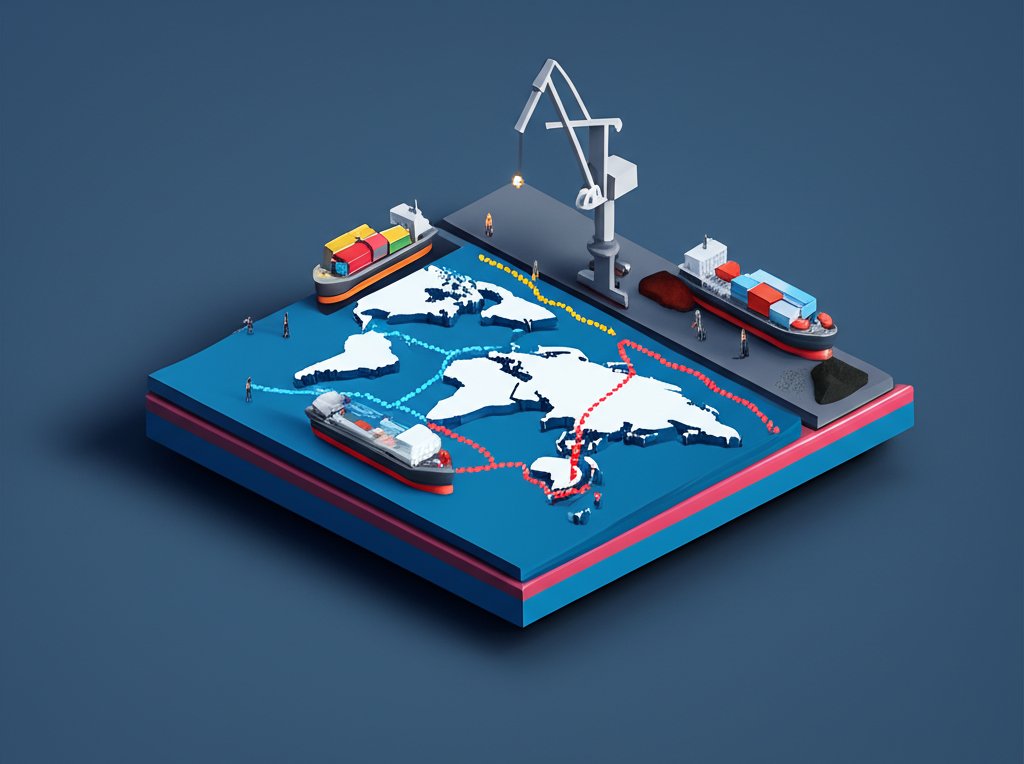
The global shipping landscape is fundamentally shaped by the interplay of tramp shipping and liner shipping. While liner services offer the reliability and efficiency of a scheduled, fixed-route network, ideal for diverse, containerized goods with strict delivery timelines, tramp shipping provides unparalleled flexibility and cost-effectiveness for bulk commodities and specialized cargo, operating on a demand-driven, opportunistic basis.
The profound difference between liner and tramp shipping lies in their operational models, pricing structures, cargo types, and the level of predictability they offer. Liner transportation prioritizes consistency and global connectivity, while tramp transport thrives on adaptability and customized solutions for specific, often large-scale, shipments.
Ultimately, the choice hinges on your unique requirements. By understanding the distinct advantages and disadvantages of each, businesses can make informed decisions, optimizing their supply chains for improved efficiency, cost management, and ultimately, greater success in the dynamic world of international trade.
FAQ
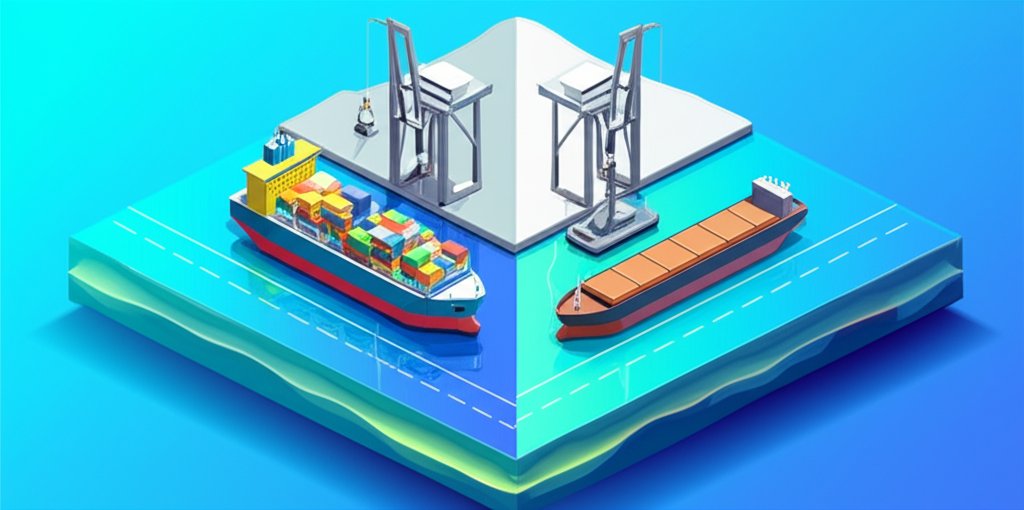
Q1: What is the primary difference between liner and tramp shipping?
A1: The primary difference between liner and tramp shipping is their operational model. Liner shipping operates on fixed routes and published schedules, carrying diverse cargo from many shippers. Tramp shipping has no fixed route or schedule, operating opportunistically to carry specific bulk or project cargo for one or a few shippers on a voyage-by-voyage basis.
Q2: Which type of shipping is more suitable for time-sensitive cargo?
A2: Liner shipping is generally more suitable for time-sensitive cargo due to its fixed schedules and high reliability. Tramp shipping, while flexible, often involves longer transit times and less predictable schedules.
Q3: How do freight rates differ between liner and tramp services?
A3: In liner shipping, freight rates are typically published tariffs, generally stable and transparent. In tramp shipping, rates are negotiated for each individual shipment, reflecting real-time market supply and demand, which can lead to significant fluctuations.
Q4: What kinds of cargo are typically carried by tramp ships?
A4: Tramp ships primarily carry bulk cargo such as grains, coal, iron ore, and crude oil, as well as oversized or project cargo that doesn’t fit into standard containers.
Q5: Can liner services handle large volumes of raw materials like iron ore?
A5: While liner services, particularly certain specialized vessels like some bulk carriers on fixed routes, can handle some raw materials, tramp shipping is the predominant and generally more cost-effective method for transporting very large, homogeneous volumes of raw materials like iron ore due to its ability to dedicate an entire vessel to a single charter.
Q6: What are the main disadvantages of tramp shipping?
A6: The main disadvantages of tramp shipping include high susceptibility to market volatility, reduced schedule reliability, and limited contract terms (often short-term or voyage-specific), which can make long-term financial and logistical planning challenging.










