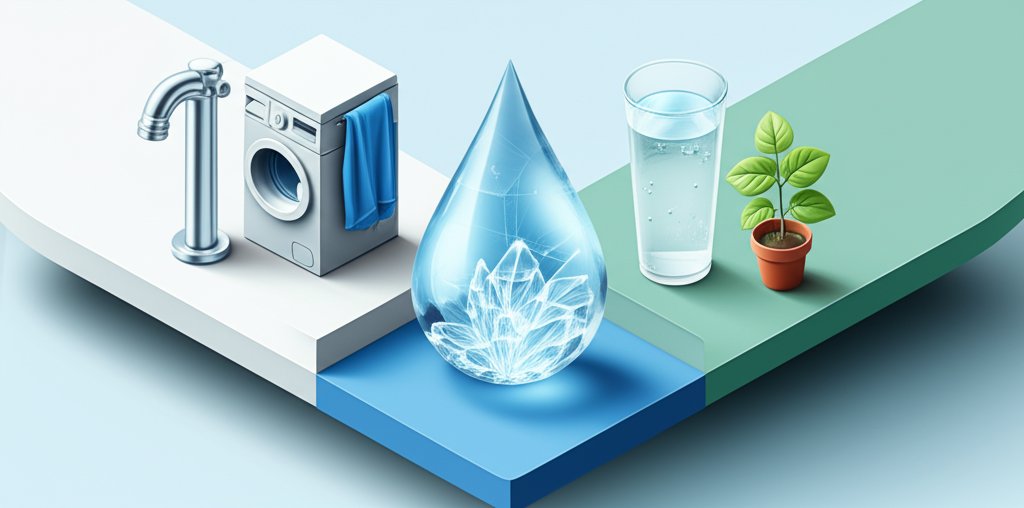
Discover the pros and cons of hard water with our comprehensive guide. In this article, we delve into the advantages and disadvantages of this often misunderstood water quality, alongside a detailed look at soft water. Understanding the benefits and drawbacks of hard water and soft water is essential for anyone looking to make informed decisions about their water usage and treatment options. Join us as we explore the fascinating intricacies of hard water and soft water and their impact on our daily lives and the environment.
Key Takeaways:
- Hard water consumption can help strengthen bones and teeth.
- Hard water does not dissolve lead from pipes, reducing the risk of lead poisoning from lead plumbing.
- Many find hard water has a more appealing taste due to its minerals, though some may experience metallic notes.
- Hard water is less likely to cause pipe corrosion compared to soft water.
- Soft water has the ability to dissolve potentially toxic metals like cadmium and lead, especially from older pipe systems.
- Hard water contains less sodium than soft water, particularly compared to chemically softened water.
- Soft water has a lower boiling point but can have a higher sodium content, which can be a health concern for some individuals, while hard water’s higher boiling point can concentrate minerals.
Advantages and Disadvantages of Hard Water
Hard water, a term used to describe water with a high mineral content, has both advantages and disadvantages. In this article, we will explore the benefits and drawbacks of hard water, helping you understand the impact it can have on your daily life and decision-making processes.
Types of Hard Water
Understanding the types of hard water can further clarify its characteristics and treatment. Hard water is primarily categorized into two types:
- Temporary Hard Water: This type of hard water contains dissolved bicarbonate minerals, primarily calcium bicarbonate and magnesium bicarbonate. It’s called “temporary” because its hardness can be easily removed by boiling. Boiling causes these soluble bicarbonates to convert into insoluble carbonates (limescale), which then precipitate out of the water, effectively softening it.
- Permanent Hard Water: Unlike temporary hard water, permanent hard water contains dissolved calcium and magnesium sulfates, chlorides, and nitrates. This type of hardness cannot be removed by simple boiling, requiring more advanced treatment methods like water softeners or distillation to remove the mineral ions.
The Benefits of Hard Water
Hard water offers several notable advantages, some of which are beneficial to health and infrastructure. These include:
1. Stronger Bones and Teeth
One major advantage of hard water is its potential to contribute to the strength of our bones and teeth when consumed. Hard water contains essential minerals like calcium and magnesium, which are vital for maintaining healthy teeth and bones. By regularly consuming hard water, you can help fortify your skeletal system and potentially aid in digestion, helping reduce constipation due to its mineral content. (Source: safewaterfilter.in)
2. Reduced Risk of Lead Poisoning
Hard water does not dissolve lead from pipes, making it a safer option if you have lead pipes in your household. Unlike soft water, which may leach lead from plumbing systems, hard water’s mineral content can form a protective scale inside pipes, reducing the risk of lead contamination. This can provide peace of mind, particularly in older homes with outdated plumbing infrastructure.
3. Enhanced Taste and Safety for Drinking
While many individuals find hard water’s mineral content imparts a subtle, refreshing, and often more pleasant taste compared to bland soft water, it’s also true that in some cases, the presence of certain minerals or contaminants can lead to a metallic or sulfurous taste and smell. (Source: allcityplumbing4u.com) Nonetheless, the minerals present in hard water can offer additional health benefits, making it an appealing option for hydration.
4. Reduced Pipe Corrosion
In terms of infrastructure, hard water has an advantage over soft water. Soft water possesses a higher corrosive potential due to its lack of minerals. On the other hand, hard water’s mineral content acts as a protective layer, reducing the likelihood of pipe corrosion. This can extend the longevity of your plumbing system and save you from potential repair costs.
5. Lower Sodium Content
Hard water generally contains less sodium than artificially softened water. For individuals monitoring their sodium intake, or those with sodium-related health concerns such as high blood pressure, this can be a beneficial aspect of consuming hard water.
The Drawbacks of Hard Water
While hard water offers many advantages, it does have its drawbacks that can impact daily life and household systems.
1. Potential Dissolution of Toxic Metals
While hard water reduces lead leaching from lead pipes, a concern exists regarding the potential dissolution of certain toxic metals from the water source itself, such as cadmium and other heavy metals. If these metals are present in your water source, hard water’s high mineral content may be associated with their presence. This emphasizes the importance of water quality testing and treatment. (Source: halcyanwater.com)
2. Potential Health Hazards
Due to its higher mineral content, hard water has a higher boiling point compared to soft water. While this may seem inconsequential, it can pose a health hazard. Boiling hard water can result in the concentration of minerals, potentially leading to kidney stone formation over time. If you frequently consume boiled hard water, consider scaling back and incorporating balanced water sources into your daily routine.
3. Impact on Skin and Hair
Hard water’s mineral content can be harsh on skin and hair. The alkalinity of hard water can disrupt the skin’s natural acidic pH balance, leading to dryness, irritation, and potentially exacerbating conditions like eczema. For hair, it can leave residue, making it feel dry, dull, and difficult to manage, as the minerals prevent shampoo from rinsing cleanly. (Source: banddindustries.com)
4. Poor Lathering and Cleaning Effectiveness
The minerals in hard water react negatively with soap, making it difficult to form a rich lather. This reduces the effectiveness of soaps, shampoos, and detergents, requiring more product for cleaning and potentially leaving residues on dishes, clothes, and surfaces. This lack of lather can make proper cleaning and hand-washing difficult. (Source: banddindustries.com)
5. Potential for Harmful Chemical Interactions
Hard water, especially when treated with chlorine, can sometimes produce other harmful byproducts and create further contamination. The interaction between hard water minerals and treatment chemicals can lead to unintended consequences, affecting overall water quality. (Source: banddindustries.com)
Conclusion
In summary, hard water comes with a unique set of advantages and disadvantages. Its mineral content can strengthen our bones and teeth, reduce the risk of lead poisoning from pipes, enhance taste for some, and lower the potential for pipe corrosion. However, hard water may also be associated with the presence of some toxic metals, have a higher boiling point that can present health concerns, negatively impact skin and hair, and reduce the effectiveness of cleaning agents.
To make an informed decision about your water usage and treatment options, consider factors specific to your health, infrastructure, and personal preferences. While hard water offers some health benefits, it is essential to strike a balance and consider water quality testing and treatment as necessary. Remember, understanding the advantages and disadvantages of hard water empowers you to choose the best water source for your needs.
For more information on the advantages and disadvantages of hard and soft water, click here.
Explore the advantages and disadvantages of recycling wastewater here.
Curious about the advantages and disadvantages of rivers? Find out more here.
Understanding Soft Water: Advantages and Disadvantages
What is Soft Water?
Soft water is characterized by its very low concentration of dissolved minerals, particularly calcium and magnesium ions. It typically occurs in regions where water flows through granite or other non-calcareous rocks and therefore does not pick up these minerals. Water with low hardness (less than 4°dH) is generally considered soft water. Artificially softened water, often achieved through ion exchange, also falls into this category.
Advantages of Soft Water
Soft water offers a range of benefits for residential use, primarily due to its lack of mineral content:
1. Better for Household Appliances
One of the key advantages of soft water is its positive impact on household appliances such as water heaters, washing machines, and dishwashers. Soft water does not form limescale deposits, which are common with hard water. This absence of mineral buildup means appliances have a longer lifespan, work more efficiently, and require less frequent repairs and maintenance. (Source: amii.pl/en)
2. Savings on Detergents and Cleaning Products
In soft water, soaps, detergents, and cleaning products work more effectively because their active ingredients are not neutralized by minerals like calcium or magnesium. This increased efficacy means smaller quantities of cleaning products are needed to achieve the same results, leading to significant savings on household chemicals and reduced environmental impact. (Source: amii.pl/en)
3. Improved Skin and Hair Health
Soft water is considerably gentler on the skin and hair. Bathing with soft water can reduce skin irritation, making it particularly beneficial for individuals with sensitive skin, eczema, or other dermatological problems. Hair washed in soft water tends to be softer, shinier, and less prone to dryness and dullness, simplifying hair care routines. (Source: amii.pl/en)
4. Cleaner Dishes and Laundry
Without the mineral content of hard water, soft water actively prevents the formation of limescale deposits on dishes, glassware, and laundry. Dishes emerge from the dishwasher sparkling clean without spots or filmy residue, while clothes remain brighter, feel softer, and retain their fabric lifespan, avoiding the gray, drab look often associated with hard water washing. (Source: amii.pl/en)
Disadvantages of Soft Water
Despite its many advantages, soft water also has certain drawbacks that are important to consider:
1. Potential Mineral Deficiency
Soft water has a lower content of essential minerals such as calcium and magnesium, which are important for human health. While most people obtain these minerals from their diet, prolonged drinking of very low hardness water, especially if it’s the sole source of hydration, could potentially contribute to a deficiency of these minerals in the body, which might have a negative impact on bone and cardiovascular health. (Source: amii.pl/en)
2. Higher Sodium Content (especially from softeners)
Soft water, particularly that produced by ion-exchange water softeners, typically has a higher sodium level. This is because the softening process exchanges hardness minerals for sodium ions. For individuals sensitive to heightened salinity, such as those with high blood pressure, diabetes, or those on a strict low-sodium diet, consuming softened water can be a health concern. (Source: sciencing.com)
3. Difficulty Rinsing Soap
While soft water produces a luxurious lather with soap, it can make it feel more challenging to rinse soap from skin and shampoo from hair. This sensation often leads individuals to use more water during showering, as the absence of mineral residue doesn’t provide the same “squeaky clean” feeling as hard water, even if the skin is technically clean. (Source: sciencing.com)
4. Plant Sensitivity
Plants can be extraordinarily sensitive to sodium levels. Consequently, watering plants with softened water, which is naturally high in sodium, can stunt their growth or cause adverse effects. Distilled or neutral water is generally preferred for plant care. (Source: sciencing.com)
5. Aquarium Risks
Soft water cannot be safely used in aquariums, especially for fish species that require specific parameters. Fish need very strict pH levels to remain healthy, but soft water is highly susceptible to pH fluctuations, which can occur even with small additives like fish waste. These rapid pH changes can be harmful or even fatal to aquatic life. (Source: sciencing.com)
6. Bland Taste
Many people find that soft water tends to taste flat or bland compared to the mineral-rich taste of hard water. This can be particularly true for water softened through certain treatment methods, which might also impart a slightly salty taste. (Source: halcyanwater.com)
Key Takeaways:
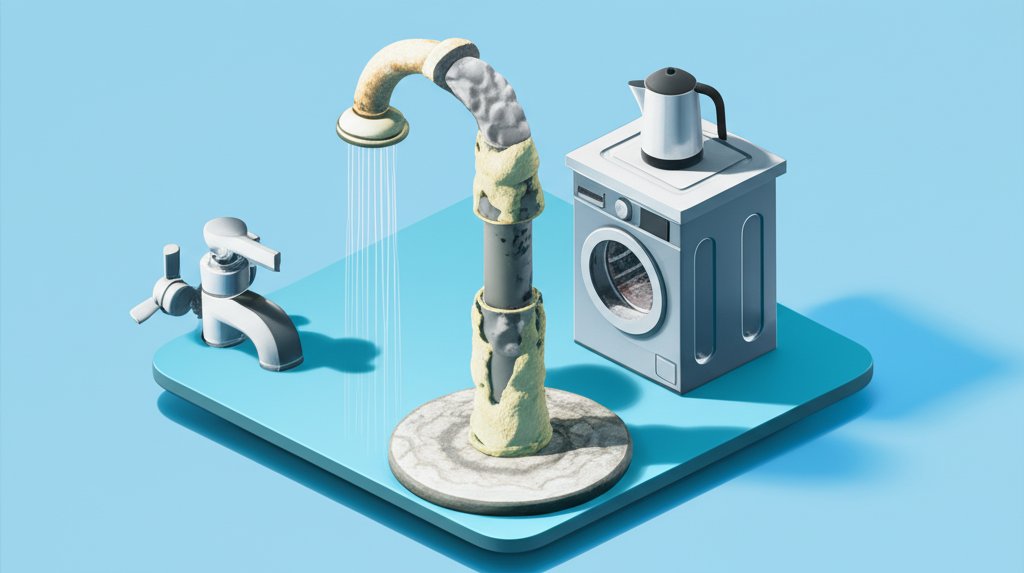
– Using hard water in household appliances can reduce their efficiency and lifespan due to scale build-up.
– Hard water can cause staining on surfaces and may require additional cleaning efforts.
– The build-up of limescale in plumbing systems can lead to clogged pipes and increased maintenance costs.
– Hard water can result in higher energy bills, especially with water heating.
– Mineral deposits from hard water can decrease the fabric lifespan of clothing and contribute to more frequent appliance replacements.</










