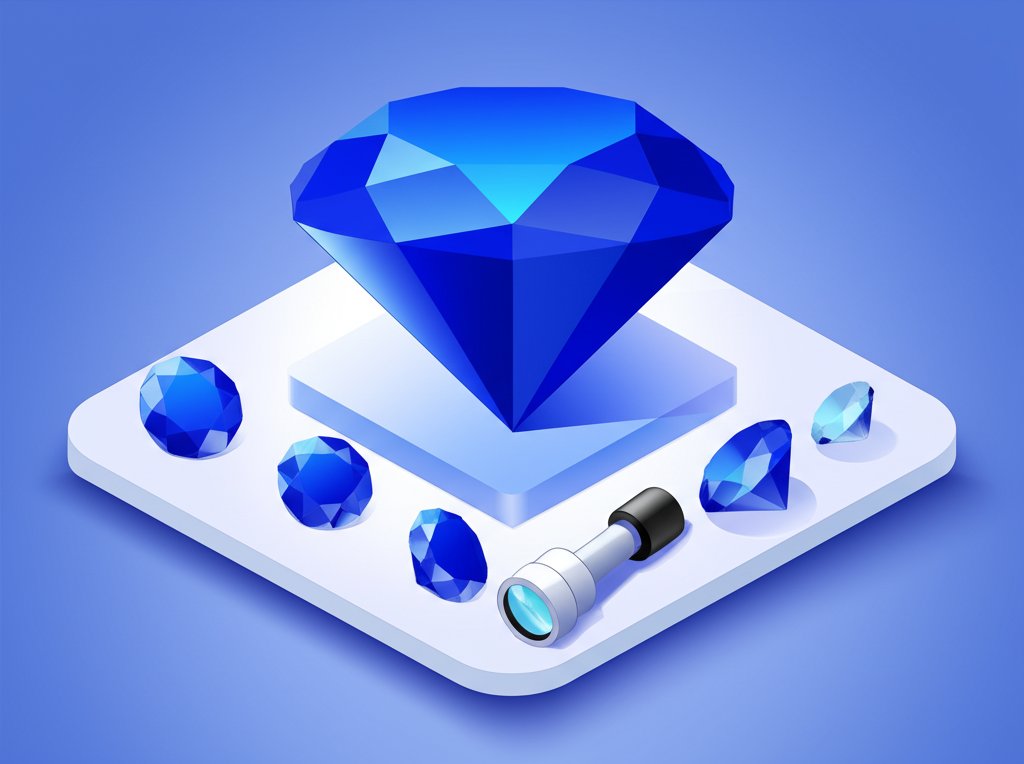
From the deepest blues mirroring the night sky to a kaleidoscope of vibrant hues, sapphire crystals have captivated humanity for millennia. These magnificent gems, steeped in history and adorned with unparalleled beauty, hold an undeniable allure of sapphire crystals that transcends mere aesthetics. While often synonymous with a rich, velvety blue, the world of sapphire is far more diverse and scientifically fascinating than many realize.
In this ultimate guide, we will embark on a comprehensive journey to uncover the intricate facts about sapphire crystal, delve into the hidden secrets of their formation and value, and explore the myriad ways this remarkable sapphire gemstone continues to enchant and serve us. Prepare to have your understanding transformed as we unveil the true essence of sapphire, aiming to provide the most exhaustive and authoritative resource available online.
The Core Identity of Sapphire Crystals: More Than Just Blue

At its heart, the sapphire crystal is a marvel of geological engineering. Understanding its fundamental composition and properties is key to appreciating its enduring prestige.
What Exactly is a Sapphire Crystal?
The term “sapphire crystal” refers to the mineral corundum, a crystalline form of aluminum oxide (Al₂O₃). What makes corundum into a sapphire (or ruby, its red cousin) are the minute trace elements present during its formation. Pure corundum is colorless; however, when elements like iron, titanium, chromium, vanadium, or magnesium are incorporated into its crystal lattice, the magic of color comes alive. This fundamental structure and the presence of these chromophores are the very secrets behind sapphire’s visual splendor. When cut and polished, this raw crystal becomes the stunning sapphire gemstone we cherish.
The Unmatched Strength: A Mohs Hardness of 9
One of the most compelling facts about sapphire crystal is its exceptional durability. Rating a remarkable 9 on the Mohs scale of mineral hardness, sapphire is second only to diamond (which scores a perfect 10). This extraordinary hardness means sapphire crystals are incredibly resistant to scratching and abrasion, making them ideal for both everyday wear in jewelry and demanding industrial applications. This inherent toughness contributes significantly to the long-term allure of sapphire crystals, ensuring their beauty endures for generations. It’s why a high-quality sapphire gemstone can be a treasured heirloom.
This exceptional hardness not only contributes to sapphire’s longevity in jewelry but also highlights why it’s considered one of the most durable choices, a property it shares with other remarkable stones, making facts about gemstones like sapphire a key consideration for discerning collectors.
A Spectrum of Brilliance: Beyond the Iconic Blue
While “sapphire blue” is a widely recognized color, it’s a delightful fact about sapphire crystal that this gemstone comes in almost every color of the rainbow, with the notable exception of red (red corundum is classified as ruby). These non-blue varieties are affectionately known as “fancy sapphires.”
- Blue Sapphire: Ranging from light pastel to deep indigo, the most prized blues include the vibrant “cornflower blue” of Kashmir sapphires and the intense “royal blue” (like the famous engagement ring of Princess Diana and Kate Middleton). The precise ratios of iron and titanium give blue sapphire crystals their signature hue.
- Pink Sapphire: Often displaying delicate to vivid pinks, colored by trace amounts of chromium.
- Yellow Sapphire: From pale lemon to rich golden hues, these are colored primarily by iron.
- Green Sapphire: Exhibiting muted to intense greens, caused by a combination of iron and titanium.
- Purple Sapphire: A mesmerizing blend of blue and pink, influenced by both chromium and vanadium.
- Orange Sapphire: A rarer find, captivating with its warm, fiery tones.
- Padparadscha Sapphire: Arguably the rarest and most sought-after fancy sapphire, this distinct pinkish-orange hue is named after the Sinhalese word for “lotus blossom.” It embodies a unique blend of color that contributes immensely to the modern allure of sapphire crystals.
- Color-Change Sapphire: A truly magical phenomenon, these sapphire crystals shift color depending on the light source. For example, a stone might appear blue in daylight but transform to purple under incandescent light, a testament to the complex light absorption properties of the sapphire gemstone.
- Star Sapphire: Containing needle-like inclusions of rutile, these sapphire crystals exhibit a captivating asterism (a star-like effect) when cut en cabochon. This unique visual effect adds another dimension to the allure of sapphire crystals.
From Earth’s Depths to Dazzling Gems: The Journey of Sapphire Gemstones
The journey from a raw mineral deep within the Earth to a sparkling sapphire gemstone worn on a finger is a tale of immense geological forces and skilled human artistry.
How Sapphire Crystals Form: A Geological Marvel
The formation of sapphire crystals is a lengthy and arduous process, taking millions of years. They typically crystallize in metamorphic or igneous rocks under conditions of extreme heat and pressure, deep within the Earth’s crust. As magma cools slowly, or existing rocks undergo intense transformation, the aluminum oxide molecules, along with various trace elements, arrange themselves into the hexagonal crystal structure characteristic of corundum. The specific geological environment dictates the size, clarity, and color of the resulting sapphire crystal. This natural alchemy is one of the profound secrets behind the gem’s existence.
Global Sources of the Finest Sapphire Crystals
While sapphires are discovered in various locations worldwide, certain regions are renowned for producing exceptionally high-quality sapphire gemstones. Each source often imparts distinct characteristics to the stones, influencing their allure of sapphire crystals in the market.
- Kashmir, India: Historically, Kashmir has been the gold standard for blue sapphires, famous for their velvety, intense “cornflower blue” hue, which appears soft and luminous due to microscopic rutile inclusions. These are among the most valuable sapphire crystals.
- Sri Lanka (Ceylon): A prolific source known for a wide range of colors, including vibrant blues, pinks, yellows, and Padparadscha sapphires. Sri Lankan sapphire gemstones are celebrated for their clarity and brilliance.
- Madagascar: A relatively newer but significant source, producing a broad spectrum of colors, including fine blues that can rival Kashmir in intensity.
- Myanmar (Burma): Also a source of high-quality blue sapphires, often displaying a rich, deep hue.
- Australia: Known for producing darker, inky blue sapphires, often more affordable.
- Montana, USA: An important source for North American sapphires, particularly those from Yogo Gulch, famous for their unheated, cornflower blue gems. This is a crucial fact about sapphire crystal for collectors seeking domestic origins.
Evaluating the Allure: The 4 Cs and Beyond
Determining the value and enhancing the allure of sapphire crystals involves a careful evaluation of several factors, commonly known as the “4 Cs,” along with other critical considerations.
- Color: This is paramount. For blue sapphires, the most desirable color is a strong, vivid blue without being too dark or inky, and without gray or green undertones. For fancy sapphires, purity and vibrancy of color are key. The distribution of color should be even, with no visible zoning.
- Clarity: Refers to the absence of inclusions (internal characteristics) and blemishes (external characteristics). While some inclusions are acceptable and can even prove natural origin, too many can reduce transparency and brilliance, diminishing the allure of sapphire crystals.
- Cut: A well-executed cut maximizes a sapphire gemstone’s brilliance, symmetry, and overall visual appeal. It affects how light interacts with the stone, making it sparkle.
- Carat Weight: The size of the sapphire crystal, with larger, high-quality stones being significantly rarer and more valuable.
- Treatment: Many sapphires undergo heat treatment to improve their color and clarity. While widely accepted in the industry, unheated natural sapphires of fine quality are exceedingly rare and command higher prices. Other treatments, like diffusion, are less accepted and significantly reduce value. Disclosing treatments is a critical fact about sapphire crystal purchasing.
- Origin: As seen with Kashmir sapphires, the geographical source can dramatically impact a sapphire gemstone’s prestige and price due to historical reputation and perceived quality.
The Enduring Allure of Sapphire Crystals: History, Symbolism & Modern Uses
Beyond its physical properties, the allure of sapphire crystals is deeply rooted in human culture, spirituality, and technological advancement.
A Royal Legacy: Sapphire in History and Lore
The sapphire gemstone has graced the jewelry of royalty and the vestments of clergy for centuries, symbolizing divinity, wisdom, and protection.
- Ancient Beliefs: Persians believed the Earth rested on a giant sapphire, whose reflections painted the sky blue. Ancient Greeks and Romans revered sapphires, associating them with the god Apollo and using them to seek guidance from oracles.
- Biblical Significance: Sapphire is mentioned in the Bible as one of the twelve “stones of fire” in the breastplate of the High Priest and as a foundation stone of the New Jerusalem, representing heavenly grace.
- Medieval Europe: Believed to cure illness, protect from evil, and bring peace. Kings wore sapphires as a defense against harm and to promote wisdom and good judgment.
- Modern Royalty: Perhaps the most famous example is the 12-carat oval blue sapphire gemstone engagement ring worn by Princess Diana and now by Catherine, Princess of Wales, cementing sapphire’s association with enduring love and royalty. Other notable historical sapphire crystals include the Star of Adam (the largest star sapphire, 1,404.49 carats) and the Star of India. These stories are a testament to the lasting allure of sapphire crystals.
Symbolic Meanings and Metaphysical Properties
The deep allure of sapphire crystals extends into their rich symbolic meanings and perceived metaphysical properties.
- Truth and Sincerity: Historically used as a “truth stone,” believed to reveal deceit.
- Wisdom and Insight: Associated with intellect, learning, and the pursuit of spiritual truth.
- Protection: Thought to offer protection from envy, harm, and negative energy.
- Faithfulness and Fidelity: A popular choice for engagement and wedding rings, symbolizing lasting commitment.
- Serenity and Peace: Its calming blue hues are believed to soothe the mind and promote inner peace.
- Focus and Creativity: Many contend sapphires can enhance mental clarity, stimulate creativity, and aid concentration, making it a favorite among scholars and artists.
Beyond Jewelry: Practical Applications of Sapphire Crystal
The remarkable hardness and optical properties of sapphire crystal extend its utility far beyond ornamental jewelry, showcasing another fascinating fact about sapphire crystal.
- Watch Crystals: The unparalleled scratch resistance of synthetic sapphire crystal makes it the material of choice for high-end watch faces, protecting delicate mechanisms from daily wear and tear. This is a very common non-gemstone use of
sapphire crystal. - Optical Components: Used in infrared optical filters, windows for high-pressure or high-temperature environments, and protective covers for cameras and sensors due to its transparency across a broad spectrum of light and extreme durability.
- LED Technology: Synthetic sapphire wafers are widely used as substrates for blue, green, and white Light Emitting Diodes (LEDs), making modern lighting and display technologies possible.
- Scientific Instruments: Its chemical inertness and hardness make it ideal for components in analytical instruments, high-precision bearings, and extremely durable windows for industrial applications.
- Medical Implants: Biocompatibility and strength lead to its use in certain dental and medical implants.
These varied applications reveal the scientific and industrial importance of sapphire crystals, adding a practical dimension to their allure of sapphire crystals.
Deciphering the Secrets: Key Facts About Sapphire Crystal

For enthusiasts and buyers, understanding the nuances of sapphire crystal is crucial. Here, we address some of the deeper secrets and essential facts about sapphire crystal that inform informed decisions.
Natural vs. Lab-Created Sapphire Crystals
It’s a critical fact about sapphire crystal that they can be either natural (mined from the Earth) or lab-created (synthetic).
- Natural Sapphire: Formed over millions of years by geological processes. Their rarity, unique inclusions, and natural origin contribute to their higher value and desirability.
- Lab-Created Sapphire: Grown in controlled laboratory environments, these share the same chemical composition, crystal structure, and physical properties as natural sapphires. They offer excellent clarity, color, and durability at a more accessible price point. Advanced techniques are often needed to distinguish them from natural stones, highlighting a complex fact about sapphire crystal authenticity.
The decision between natural and lab-created often comes down to personal preference, budget, and the importance placed on natural rarity.
Identifying and Caring for Your Sapphire
Knowing how to identify a real sapphire gemstone and how to care for it are important facts about sapphire crystal ownership.
- Authenticity: For sapphires over one carat, independent laboratory reports (from GIA, IGI, etc.) are highly recommended. These reports confirm origin, treatments, and quality, providing immense confidence in your purchase. Visual inspection, such as observing color zoning or specific natural inclusions, can also provide clues for experienced eyes. A common tip for identifying real sapphire is its ability to scratch glass easily due to its hardness (though this can damage the sapphire if not done carefully).
- Cleaning: Sapphires are remarkably durable. Clean them with warm soapy water and a soft brush. Ultrasonic and steam cleaners are generally safe for untreated, un-fracture-filled sapphires, but always consult a jeweler if unsure about specific treatments.
- Storage: Store sapphire crystals separately from other jewelry to prevent them from scratching softer gems. A soft pouch or a fabric-lined jewelry box is ideal.
Investment and Ethical Sourcing
The value of a sapphire gemstone can fluctuate, making understanding its investment potential and ethical considerations important.
- Untreated Value: Untreated, fine-quality sapphire crystals are considered excellent investments due to their rarity and timeless allure of sapphire crystals.
- Ethical Sourcing: As with all precious gemstones, ethical sourcing is an increasingly important fact about sapphire crystal. Consumers are more often seeking sapphires from mines that adhere to fair labor practices, environmental responsibility, and conflict-free operations, ensuring the beauty of the gem doesn’t come at a human or ecological cost.
Conclusion: The Everlasting Allure of Sapphire Crystals
From its fundamental composition as corundum to its breathtaking spectrum of colors, its incredible hardness, and its profound historical and symbolic significance, the sapphire crystal remains an undisputed titan in the world of gemstones. We’ve journeyed through the geological secrets of its formation, explored the global sources that yield these treasures, and uncovered the intricate facts about sapphire crystal that guide its valuation and care.
The allure of sapphire crystals is not merely skin-deep; it’s woven into the fabric of human history, culture, and technological progress. Whether admired for its vibrant beauty as a sapphire gemstone, revered for its deep symbolism, or utilized for its unmatched strength in cutting-edge industries, sapphire continues to be a source of wonder and inspiration. Embrace the enchantment, appreciate the science, and discover the true depth of this extraordinary gem.
FAQ
What is the Mohs hardness of sapphire crystals?
Sapphire crystals have a Mohs hardness of 9, making them one of the hardest natural materials on Earth, second only to diamonds. This makes the sapphire gemstone highly resistant to scratches and abrasions.
What colors do sapphire crystals come in?
While famous for blue, sapphire crystals come in almost every color of the rainbow, including pink, yellow, green, purple, orange, and even colorless. Red corundum is classified as a ruby, not a sapphire.
Where are some of the most famous high-quality sapphires found?
High-quality sapphire crystals are notably produced in regions like Kashmir (India), Sri Lanka (Ceylon), Madagascar, Myanmar (Burma), Australia, and Montana (USA). Kashmir is particularly renowned for its velvety “cornflower blue” sapphires.
What factors primarily affect the value of a sapphire gemstone?
The value of a sapphire gemstone is primarily determined by the 4 Cs: Color, Clarity, Cut, and Carat Weight. Additionally, factors like the presence or absence of treatments (unheated sapphires are more valuable), and the geographical origin of the sapphire crystal (e.g., Kashmir, Sri Lanka) significantly influence its price and desirability.
How can I tell if a sapphire crystal is natural or lab-created?
Distinguishing between natural and lab-created sapphire crystals often requires gemological expertise and specialized equipment. For sapphires over one carat, it’s highly recommended to obtain an independent laboratory report (e.g., from GIA or IGI), which will verify the stone’s origin and any treatments.
What are some non-jewelry uses of sapphire crystals?
Beyond jewelry, sapphire crystals are extensively used for high-durability applications due to their hardness. Common uses include watch faces, optical lenses, substrates for LEDs in electronics, military applications (e.g., armored windows), and components in high-precision scientific instruments. This highlights a significant fact about sapphire crystal related to its industrial importance.
What does a sapphire gemstone symbolize?
The sapphire gemstone has long symbolized truth, sincerity, wisdom, nobility, and faithfulness. It’s often associated with royalty, divine favor, and protection, contributing to the enduring allure of sapphire crystals.










