
Few names in the automotive world command the reverence and excitement of the Toyota Supra. More than just a vehicle, it’s a cultural icon, a high-performance marvel, and arguably the quintessential Japanese sports car. From its origins as a luxurious grand tourer to its modern, precision-engineered revival, the Toyota Supra has consistently pushed boundaries, captivating enthusiasts with its formidable engineering, breathtaking design, and undeniable impact on both the street and screen.
Are you ready to unlock the full story of this automotive legend? Buckle up as we embark on an exhaustive journey through the rich Supra history, uncover fascinating Supra facts, and dissect the incredible features that define every generation. Whether you’re a lifelong devotee or a newcomer to its allure, this comprehensive guide will illuminate why the Toyota Supra remains a dominant force in the world of performance vehicles and a proud flagbearer for the Japanese sports car tradition. We’ll explore its evolution, legendary engines, cultural impact, and its enduring place in the hearts of drivers worldwide, aiming to provide the definitive resource for all things Supra.
The Unrivaled Legacy of the Toyota Supra: A Global Automotive Icon
The Toyota Supra doesn’t merely represent a model; it embodies an era of unparalleled performance, innovation, and an unwavering spirit for speed. Its reputation transcends borders, etched into the minds of gearheads and pop culture enthusiasts globally. As a premier Japanese sports car, the Supra has consistently pushed technological and performance boundaries, offering a compelling blend of reliability, tunability, and exhilarating driving dynamics that has often rivaled more exotic and expensive machinery from Europe and beyond.
More Than Just a Car: Defining the Japanese Sports Car
For many, the Supra is the very definition of a Japanese sports car. It perfectly encapsulates the philosophy of precision engineering, advanced technology, and accessible performance that Japan brought to the automotive world. Unlike some of its contemporaries, the Supra offered a unique balance: sophisticated enough for grand touring, yet ferociously powerful for spirited driving and endlessly modifiable for extreme performance. This dual nature cemented its appeal, allowing it to become a benchmark for what a performance vehicle from Japan could achieve.
Why the Supra Continues to Captivate
The enduring allure of the Toyota Supra lies in its multifaceted appeal. It’s a testament to Toyota’s commitment to driving pleasure, showcasing what can be achieved with dedicated engineering and a clear vision for speed. Its journey from a luxury-oriented coupé to a street-racing legend and a modern, high-tech instrument showcases continuous evolution. Understanding the Supra means understanding a significant chapter in automotive history – a chapter filled with iconic engines, revolutionary designs, groundbreaking innovations, and a fanbase that borders on zealous. Every facet of the Supra, from its distinctive silhouette to its throaty exhaust note, contributes to a mythos that continues to grow.
Beyond its performance, the Supra benefits from Toyota’s renowned reliability, a key aspect that distinguishes it from other sports cars, and something you can learn more about when considering general facts about Toyota cars.
Tracing the Toyota Supra History: A Generational Saga
The captivating narrative of the Toyota Supra is one of continuous evolution and strategic reinvention, spanning five distinct generations, each leaving an indelible mark on automotive history. A deep dive into Supra history reveals a lineage of innovation and adaptation.
First Generation (A40/Mk1 Celica Supra, 1978-1981): The Grand Tourer Genesis
The story of the Supra begins not as a standalone model, but as a more powerful, luxurious, and extended variant of the popular Toyota Celica, specifically designed to compete with the Datsun Z-car. This initial foray established the Supra’s identity as a premium, straight-six powered sports coupé.
- Introduction: Launched in 1978 (1979 in the US), the Celica Supra, or Celica XX in Japan, featured a longer wheelbase than the standard Celica to comfortably accommodate Toyota’s M-series inline-six engine.
- Engine & Philosophy: The 2.6-liter (later 2.8-liter) 4M-E and 5M-E engines were a significant upgrade from the Celica’s four-cylinder, emphasizing smooth power delivery and a comfortable grand touring experience suitable for long journeys.
- Pioneering Supra Fact: Notably, the Japanese-market Celica XX of 1981 was a pioneer, featuring the world’s first automotive navigation computer – a remarkable Supra fact that highlights Toyota’s forward-thinking approach to in-car technology, decades before GPS became commonplace.
Second Generation (A60/Mk2 Celica Supra, 1981-1986): Sharper Edges, Dual Personalities
The Mk2 Celica Supra represented a significant evolution, both aesthetically and mechanically, solidifying its reputation as a capable grand tourer with a sporting edge. This generation refined the formula, offering choices for different driving preferences.
- Design & Styling: It evolved with a more aggressive, angular styling, defined by its iconic pop-up headlights and pronounced fender flares.
- Performance & Luxury Variants: Toyota offered two distinct trims: the “Performance Type” (P-Type) with wider fender flares, sportier suspension, and larger wheels, and the “Luxury Type” (L-Type) with a more subdued appearance, digital dash, and comfort-focused features like power seats.
- Engine Refinement: Both were powered by a refined 2.8-liter 5M-GE inline-six engine, producing between 145-161 hp, paired with either a five-speed manual or a four-speed automatic transmission. This generation further built on the performance aspects while retaining its luxury appeal.
Third Generation (A70/Mk3 Supra, 1986-1992): Independence, Turbo Power & Tech Forward
In 1986, a pivotal moment arrived in Supra history: the Toyota Supra officially broke away from the Celica lineage, establishing itself as a distinct, rear-wheel-drive performance model. This was a crucial step in defining the Supra’s independent identity and its trajectory as a dedicated sports car.
- Full Independence: The Mk3 was now a completely separate entity from the front-wheel-drive Celica, designed from the ground up as a powerful rear-wheel-drive sports coupé.
- Technological Marvel: This generation was a technological powerhouse for its time, introducing significant advancements like independent rear suspension across the range and optional electronically controlled adaptive suspension (TEMS – Toyota Electronic Modulated Suspension).
- Turbocharged Power: Engine choices included naturally aspirated and turbocharged versions of various inline-six engines. The most iconic was the 3.0-liter 7M-GTE turbocharged engine, initially producing 230 hp (later up to 232 hp), making it a serious contender against its contemporaries like the Nissan 300ZX and Mazda RX-7. This marked the beginning of modern turbocharged Supra performance.
- Market Position: While sometimes overshadowed by its successor, the A70 Mk3 was a crucial bridge, showcasing Toyota’s intent to position the Supra as a world-class performance vehicle, laying the groundwork for future legends.
Fourth Generation (A80/Mk4 Supra, 1993-2002): The Legend is Forged, 2JZ-GTE Enthroned
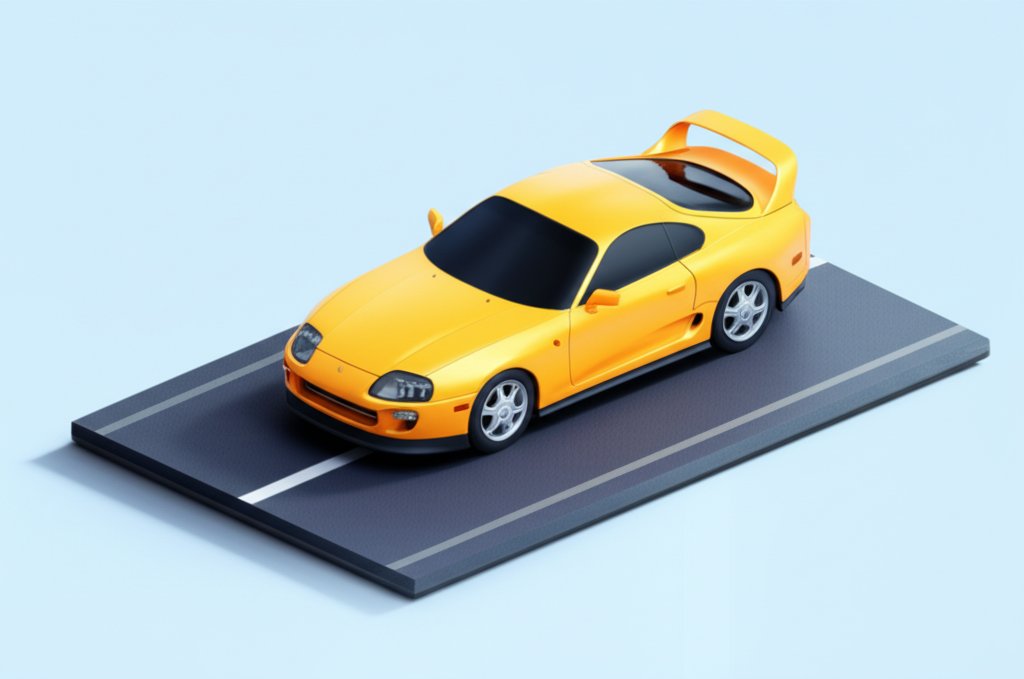
For many, the Toyota Supra Mk4 is the zenith of its legacy, a car that needs no introduction, thanks in large part to its unforgettable role in popular culture and its legendary performance capabilities. This is where Supra history truly becomes legend.
- Radical Redesign: Launched in 1993, the Mk4 Supra was a radical departure. Toyota focused relentlessly on performance, shedding significant weight (up to 200 pounds lighter than the Mk3, despite being physically larger), embracing a sleek, organic, and futuristic design.
- Legendary Engines: It famously came with two engine options: the naturally aspirated 2JZ-GE producing 220 hp, and the truly legendary twin-turbocharged 2JZ-GTE, boasting 320 hp in its US specification (276 hp in Japan due to the gentleman’s agreement). The 2JZ-GTE engine became an icon of engineering—renowned for its incredible strength, robust closed-deck block design, and unparalleled tunability, capable of handling immense power outputs (often exceeding 1000 hp) with minimal internal modifications.
- Performance Prowess: The Mk4’s active aero features, massive brakes, and near 50/50 weight distribution cemented its status as a technological tour de force and a dominant force on the street and track. Its sophisticated double-wishbone suspension delivered exceptional handling and stability, making it a true driver’s car.
- Cultural Icon: Its starring role in “The Fast and the Furious” movie franchise (2001) propelled it to global superstardom, making it instantly recognizable and highly coveted, influencing an entire generation of car enthusiasts.
- Discontinuation: Production ceased in 2002, leaving a gaping hole in the Toyota sports car lineup for over a decade, with demand for the Mk4 reaching stratospheric levels.
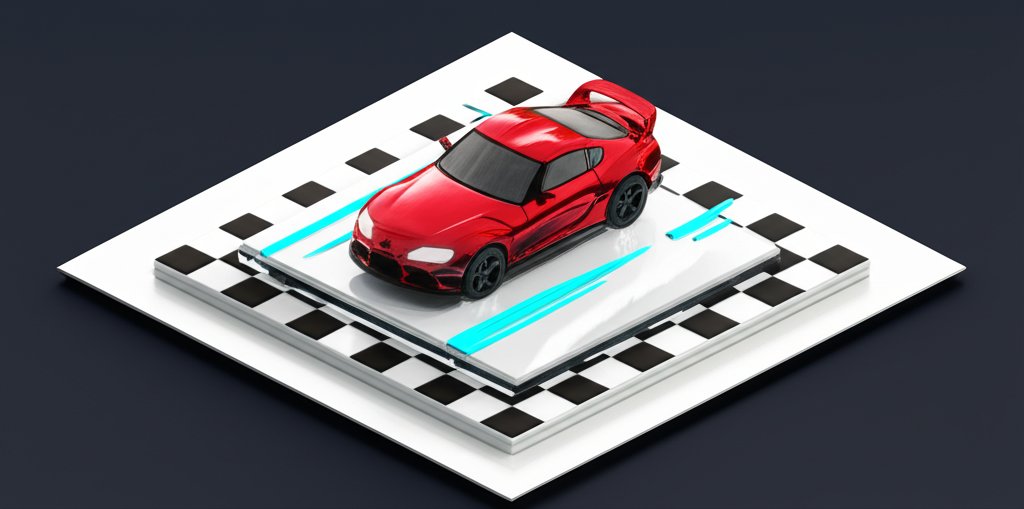
Fifth Generation (A90/Mk5 GR Supra, 2019-Present): A Modern Revival, Blending Heritage and Innovation
After years of anticipation and fervent speculation, the Toyota Supra made its triumphant return, signaling a bold new direction for the legendary nameplate and continuing its rich Supra history.
- The Revival: Introduced in 2019, the long-awaited GR Supra (Gazoo Racing Supra) arrived developed in collaboration with BMW. This partnership was a strategic move by Toyota to bring a high-performance sports car to market cost-effectively amidst declining sports car sales.
- BMW Collaboration: The Mk5 shares its platform, chassis components, and powertrain with the BMW Z4. Initially powered by a BMW-sourced 3.0-liter B58 turbocharged inline-six engine (335 hp, later upgraded to 382 hp for 2021+ models), and a 2.0-liter turbocharged four-cylinder option. Toyota’s Gazoo Racing division meticulously tuned the suspension, steering, and electronics to deliver a distinct driving feel aligned with the Supra’s heritage, emphasizing a dynamic, driver-focused experience.
- Modern Performance: While controversial for some purists due to the BMW collaboration, the Mk5 has proven itself as a potent track machine and a comfortable daily driver, re-establishing the Supra’s presence as a formidable modern Japanese sports car.
- Enthusiast-Focused Updates: In a major nod to enthusiasts, a manual transmission option was introduced for the 2023 model year, further enhancing its appeal as a driver’s car.
- Advanced Features: Modern GR Supra models come packed with cutting-edge technology, including a 12-speaker 500-watt JBL Premium Audio System, wireless Apple CarPlay compatibility with full-screen capability, Full-Speed Dynamic Radar Cruise Control (on AT models), embedded Navigation, Blind Spot Monitor (BSM), Rear Cross-Traffic Alert (RCTA), Speed Limit Information, and Parking Sensors with Emergency Braking Function. The Toyota Supra Connect trial also includes Remote Services, Automatic Emergency Call, Real-Time Traffic Information, and Stolen Vehicle Recovery, making it a technologically advanced Supra.
Unpacking Crucial Supra Facts & Engineering Marvels
Beyond its captivating Supra history, the Toyota Supra is defined by a set of core engineering principles and design philosophies that have consistently set it apart. Examining these Supra facts reveals the depth of its automotive excellence.
The Enduring Straight-Six Philosophy: Power, Balance, and Tunability
One of the most enduring Supra facts is its unwavering commitment to the inline 6-cylinder engine configuration. This choice is no accident; the inline-six is inherently balanced, offering silky-smooth operation, a distinct power delivery, and an ideal platform for performance enhancement.
- Early M-Series Engines: From the 1M-EU to the 5M-GE, these early powerplants prioritized refinement, durability, and reliability. They delivered ample power for grand touring in the A40 and A60 generations, setting a high standard for smooth, capable performance.
- The 7M-GTE: The turbocharged 7M-GTE in the Mk3 Supra marked a significant leap, showcasing Toyota’s ability to extract serious performance from the inline-six architecture. It introduced the modern era of turbocharged Supra performance, proving the platform’s potential for forced induction.
- The Legendary 2JZ-GTE: The 2JZ-GTE from the Mk4 is arguably the most famous engine in Japanese sports car history. Its closed-deck block design, massively robust internals, over-engineered components, and advanced sequential twin-turbocharging system made it incredibly durable and exceptionally tunable. It’s legendary for its ability to handle astronomical horsepower figures (often well over 1,000 hp) with minimal internal modifications, making it a global favorite in the aftermarket tuning scene. This engine alone accounts for many fabled Supra facts.
- The Modern B58: The BMW-sourced B58 inline-six in the GR Supra continues this powerful heritage. It’s a highly sophisticated, single twin-scroll turbocharged engine known for its broad, flat torque curve, quick response, and impressive tunability. It upholds the tradition of powerful, smooth, and easily modifiable Supra engines, proving the inline-six concept remains at the heart of the modern Supra.
Aerodynamics and Design Evolution: Form Meets Function
Each generation of the Toyota Supra boasts a distinct aesthetic, yet all share a fundamental commitment to functional design and an engaging driving experience. This evolution showcases how the Supra always blended style with performance.
- Aggressive Grand Tourer (A40-A70): Early Supras featured long hoods to accommodate the inline-six engines, muscular stances, and evolving aerodynamic elements like integrated spoilers and pop-up headlights. The A70 introduced a wider, more assertive profile, reflecting its newfound independence and performance aspirations.
- Sleek and Purposeful (A80): The Mk4 Supra’s design was revolutionary—a smooth, organic shape that prioritized aerodynamics and a low center of gravity. Its iconic rear wing wasn’t just for show; it provided genuine downforce at high speeds, a critical Supra fact for its track performance. The lightweight, rigid chassis, coupled with sophisticated double-wishbone suspension, delivered exceptional handling and stability, making it a true driver’s car.
- Modern and Athletic (A90): The GR Supra blends classic Supra cues (like the long hood and double-bubble roof) with contemporary design language and aggressive lines inspired by the FT-1 concept. Its short wheelbase, wide stance, adaptive suspension, and precise steering deliver razor-sharp handling, proving it’s a worthy successor to the performance legacy of the Toyota sports car.
Pioneering Technology: Beyond the Drivetrain
Toyota consistently equipped the Supra with cutting-edge technology, often pushing the boundaries of what was expected from a production vehicle, further enriching its Supra facts.
- First In-Car Navigation (1981): As previously mentioned, the Celica XX (Supra) was a pioneer, introducing an early navigation computer, a groundbreaking innovation decades before commercial GPS was widely integrated into vehicles.
- TEMS (Toyota Electronic Modulated Suspension): Introduced in the Mk3, this electronically controlled adaptive suspension system allowed drivers to switch between sport and comfort modes, tailoring the ride to their preferences or driving conditions—a significant early step towards active chassis management.
- Active Aerodynamics (Mk4): The optional active front spoiler and the large, adjustable rear wing on the Mk4 Supra were not merely aesthetic. They were designed to provide functional downforce and improve high-speed stability, features typically found only on much more expensive supercars at the time.
- Modern Driver Aids (A90): The current GR Supra integrates modern digital displays, advanced infotainment (courtesy of BMW’s iDrive system), and a suite of driver-assistance technologies like Blind Spot Monitor, Rear Cross-Traffic Alert, and Full-Speed Dynamic Radar Cruise Control. This blend offers contemporary convenience and connectivity without sacrificing the engaging driving experience expected from a Toyota sports car.
The Unmatched Aftermarket Ecosystem: A Tuner’s Dream
A significant reason for the Supra’s enduring legend lies in its unparalleled aftermarket support and tuning potential. This is a crucial aspect of understanding Supra facts.
- 2JZ Tunability: The 2JZ-GTE engine, in particular, became the darling of the tuning world. Its robust construction meant it could reliably handle immense increases in boost pressure and horsepower with relatively few modifications, making it a platform for record-breaking drag cars and high-power street machines.
- Global Community: A vast global community of tuners, parts manufacturers, and enthusiasts has developed around the Supra, creating an ecosystem where performance modifications are readily available, from simple bolt-ons to complete engine builds.
- Modern GR Supra Tuning: While different from the 2JZ, the BMW B58 engine in the Mk5 GR Supra has also proven to be highly capable of tuning, with established aftermarket support for increasing power and improving handling, ensuring the modern Supra continues this tradition of modifiability.
The Supra’s Cultural & Motorsport Imprint: Cementing a Japanese Sports Car Legend
The legend of the Toyota Supra extends far beyond its engineering prowess, carving a significant niche in motorsports, popular culture, and automotive innovation. These Supra facts highlight its broad and lasting influence.
Motorsport Dominance: From Drag Strips to Super GT
The Supra’s robust platform and powerful engines made it a natural choice for various forms of motorsport, showcasing its inherent performance capabilities and adding to its rich Supra history.
- Drag Racing Dominance: Especially the Mk4, with its virtually indestructible 2JZ-GTE engine, became a legendary car in drag racing. It shattered records in numerous classes, often outperforming purpose-built dragsters and becoming synonymous with raw, explosive quarter-mile speed. Its extreme tunability allowed for unprecedented power outputs, cementing its reputation on the drag strip.
- GT Racing: Various generations of the Supra competed successfully in high-level GT racing series, particularly in Japan (JGTC/Super GT). Its endurance, handling capabilities, and sheer speed made it a formidable competitor on road courses, proving its versatility beyond straight-line performance.
- Drifting and Time Attack: The Supra’s rear-wheel-drive layout, balanced chassis, and powerful engines also made it a favorite in the professional drifting and time attack communities. Its predictable handling and ample power allow drivers to push the limits of vehicle control and achieve blistering lap times.
Hollywood Stardom & Digital Immortality: The Supra in Pop Culture
Perhaps no other Japanese sports car achieved such widespread cinematic fame as the Mk4 Supra, forever embedding itself in the global consciousness. This is one of the most impactful Supra facts.
- “The Fast and the Furious” Franchise: The iconic orange Mk4 Supra driven by Paul Walker’s character, Brian O’Conner, in the original “The Fast and the Furious” movie (2001) catapulted the car into global pop culture icon status. Its raw power, distinctive looks, and pivotal role in key action sequences (including the famous quarter-mile race against a Ferrari) created an entire generation of Supra enthusiasts and forever linked the car to street racing culture.
- Video Game Legend: The Supra has been a staple in countless racing video games, from classics like “Gran Turismo” and “Need for Speed” to modern titles like “Forza Motorsport.” This digital immortality allowed millions to experience its performance virtually, further cementing its legendary status and introducing it to new audiences across different generations. These virtual appearances have been crucial in maintaining its appeal.
Global Recognition: The Japanese Sports Car Standard
Throughout its illustrious Supra history, the Toyota Supra has been a benchmark, often pitted against other titans of speed, both domestic and international. Its performance capabilities allowed it to confidently challenge a wide array of competitors.
- Domestic Rivals: In its heyday, primarily the Mk4, the Supra fiercely competed with other iconic Japanese sports car legends like the Nissan Skyline GT-R, Mazda RX-7, and Honda NSX. Each offered a unique philosophy, but the Supra’s blend of raw power, bulletproof engineering, and unparalleled tunability often gave it an edge in straight-line performance and aftermarket potential.
- International Competitors: The Supra’s performance capabilities allowed it to challenge more established (and often more expensive) European and American sports cars, including the Porsche 911, Chevrolet Corvette, and even certain Ferraris, especially on the drag strip and modified circuit, a truly noteworthy Supra fact. Its ability to deliver supercar-level performance at a fraction of the cost, particularly after tuning, made it a disruptive force.
Toyota Supra Ownership & The Future
The Toyota Supra narrative continues to evolve, from its highly collectible classic iterations to its role as a modern performance leader and a symbol of Toyota’s renewed commitment to sports cars.
Collectibility and Value Retention: Why Supras Endure
The values of certain Supra generations, particularly the Mk4, have soared in recent years, making them highly sought-after collector’s items. This is a clear indicator of the car’s enduring appeal.
- Rarity and Demand: The limited production numbers of the Mk4, coupled with its pop culture fame and legendary performance, have driven its value to unprecedented levels. Clean, low-mileage examples command figures typically reserved for exotic supercars.
- Investment Potential: Many enthusiasts view older Supra models not just as cars but as investments, further highlighting their unique position in the classic car market. The Mk3 and even clean Mk2 models are also seeing increasing appreciation.
The GR Supra Today: A Flagship for Toyota’s Performance Division
The current GR Supra is a cornerstone of Toyota’s revitalized Gazoo Racing (GR) performance sub-brand, representing the pinnacle of their modern sports car engineering.
- GR Lineup: Alongside the acclaimed GR86 and the highly praised GR Corolla, the GR Supra signifies Toyota’s renewed commitment to building exciting, driver-focused vehicles. It stands as the flagship sports car of this performance division, showcasing what Toyota can achieve when engineering for pure driving pleasure.
- Performance and Accessibility: The Mk5 offers a compelling package of modern performance, luxury features, and daily usability, making it a versatile Japanese sports car that appeals to a broad audience, from track-day regulars to those seeking an engaging weekend cruiser.
What Lies Ahead? Speculation and Innovation
The future of the Supra is a topic of constant discussion and excitement among enthusiasts. While no official roadmap is fully transparent, the commitment of Gazoo Racing hints at continued evolution.
- Electrification? As the automotive industry shifts towards electrification, it’s inevitable that future Supra iterations or concepts might incorporate hybrid or even fully electric powertrains. Toyota’s expertise in hybrid technology could lead to a performance-oriented hybrid Supra that pushes new boundaries.
- Continued Refinement: Expect ongoing refinements to the current GR Supra, with potential for even more powerful variants, special editions, and perhaps even a return to a pure Toyota-developed platform in the distant future, further adding to the Supra facts we cherish. The spirit of innovation that has defined Supra history will undoubtedly continue.
Conclusion: The Undying Allure of the Toyota Supra
From its origins as a luxurious Celica variant to its legendary status as a twin-turbocharged icon, and its modern revival as a precision-engineered Toyota sports car, the Toyota Supra remains an automotive masterpiece. Its rich Supra history, compelling Supra facts like its pioneering technology and cultural stardom, and its consistently evolving features cement its place in the pantheon of great performance machines.
The Supra is more than just raw power; it’s a testament to engineering excellence, a symbol of aftermarket potential, and an enduring source of thrill for drivers across generations. It stands as a proud emblem of the Japanese sports car ethos, demonstrating how thoughtful design and relentless pursuit of performance can create a truly timeless vehicle. Whether you appreciate its classic charm or its modern capabilities, the Toyota Supra continues to define what it means to be a truly legendary and influential Japanese sports car. Don’t just read about it, experience the legend for yourself.
FAQ: Your Questions About the Toyota Supra Answered
Q1: When did the Toyota Supra first become a standalone model, separate from the Celica?
A1: The Toyota Supra officially became its own distinct model in 1986 with the introduction of the third generation, known by its chassis code A70. Prior to this, it was marketed as the Celica Supra. This pivotal moment is a key part of Supra history.
Q2: What is the most famous engine associated with the Toyota Supra?
A2: The most famous engine is undoubtedly the 2JZ-GTE, a 3.0-liter twin-turbocharged inline 6-cylinder powerplant found in the fourth-generation (Mk4/A80) Toyota Supra. It’s renowned for its incredible strength, reliability, and immense tuning potential, making it one of the most celebrated Supra facts.
Q3: How did the “Fast and Furious” movies impact the Toyota Supra’s popularity?
A3: The “Fast and Furious” movie franchise, particularly the first film released in 2001, dramatically boosted the Supra’s global popularity. The iconic orange Mk4 Supra driven by Paul Walker’s character transformed it into a global pop culture icon, making it instantly recognizable and highly sought-after by a new generation of enthusiasts, a monumental moment in Supra history.
Q4: Is the current generation (Mk5/A90) Toyota Supra developed entirely by Toyota?
A4: No, the fifth-generation (Mk5/A90) Toyota GR Supra was developed as a collaboration between Toyota and BMW. It shares its platform, chassis components, and its 3.0-liter B58 turbocharged inline-six engine with the BMW Z4, though Toyota’s Gazoo Racing division significantly tuned the suspension and other aspects to give it a distinct driving feel, a common discussion point among Supra facts.
Q5: What makes the Toyota Supra a significant Japanese sports car compared to its rivals?
A5: The Toyota Supra stands out among Japanese sports cars for its unique blend of robust, highly tunable inline-six engines, a strong emphasis on grand touring comfort combined with undeniable performance, and a distinctive design language. Its legendary aftermarket support and cultural impact, particularly the Mk4’s global fame, also set it apart.
Q6: Did the Toyota Supra ever feature groundbreaking technology for its time?
A6: Yes, the Toyota Supra line was an early adopter of advanced technology. Notably, the 1981 Japanese-market Celica XX (a version of the Supra) was one of the first production cars in the world to feature an in-car navigation computer. The Mk3 also introduced electronically controlled adaptive suspension (TEMS), and the Mk4 featured optional active aerodynamics, all remarkable Supra facts.










