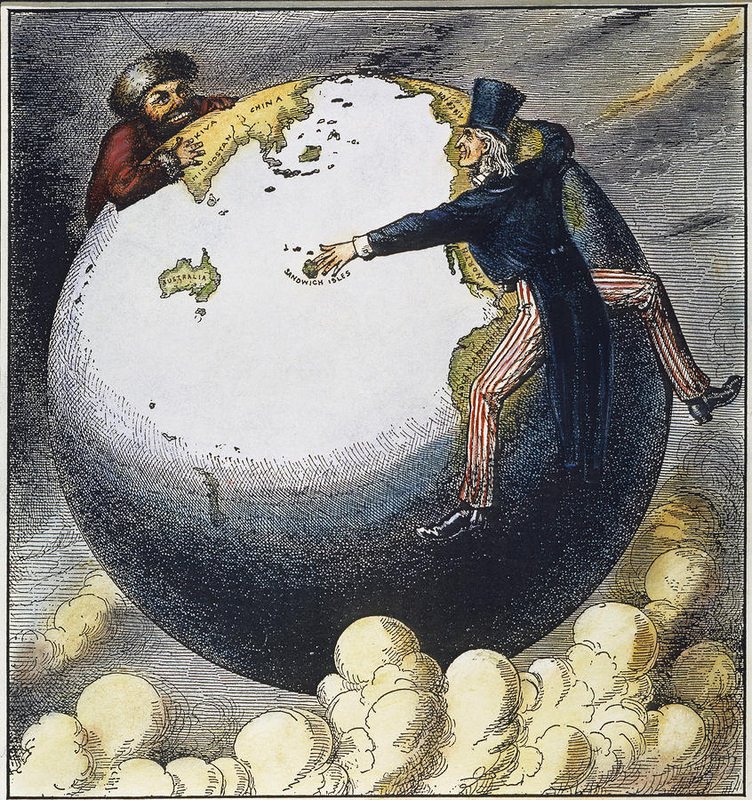
When we talk about the long, winding road that led Europe to the catastrophe of World War I, it’s impossible to ignore the profound impact of imperial competition. The question of how did imperialism contribute to WW1 isn’t just about distant lands; it’s about how the pursuit of global dominance profoundly reshaped European rivalries, transforming ambition into acute tension and ultimately, open conflict. It set the stage for a continent already grappling with shifting power dynamics to erupt.
At a Glance: Unpacking Imperialism’s Role in WW1
- Fueling “New Imperialism”: Understand how the opening of the Suez Canal in 1869 kicked off a frantic race for global territories and resources, particularly in Africa.
- The Scramble for Africa’s Deep Scars: Learn why Germany’s late entry into the colonial game created deep resentment and a feeling of being unfairly treated, challenging the established order.
- Moroccan Crises as Critical Previews: Discover how two diplomatic standoffs over Morocco became pivotal “dress rehearsals” for a larger conflict, testing alliances and escalating mistrust.
- From Rivalry to Militarism: Grasp how the constant competition for colonies directly fueled an arms race and heightened nationalistic fervor across Europe.
- The Psychological Landscape: See how imperial possessions became symbols of national prestige, making compromise difficult and diplomatic solutions elusive.
The Engine of Rivalry: Unpacking “New Imperialism”
The mid-19th century witnessed a dramatic shift in European power dynamics. Industrialization had created a voracious appetite for raw materials and new markets, while technological advancements like steamships and quinine made distant lands more accessible. This era, often dubbed “New Imperialism,” wasn’t just about trade; it was about asserting political, economic, and even cultural authority over vast territories outside Europe.
The opening of the Suez Canal in 1869 served as a symbolic gateway to this new age. Suddenly, the shortcut to Asia became a focal point for global trade and strategic influence, igniting a fierce competition among European powers. They weren’t just seeking resources; they were actively carving out spheres of influence, establishing protectorates, and engaging in direct annexation. This race for territory inherently shifted the perception of European power, with colonial possessions becoming a critical metric of national strength and prestige. Each new acquisition by one power was often viewed with suspicion or as a direct threat by another, turning global expansion into a zero-sum game played on an increasingly crowded world stage.
The Scramble for Africa: A Powder Keg in the Making
Nowhere was this competitive spirit more evident than in the “Scramble for Africa” during the late 19th century. European nations, previously content with coastal outposts, plunged deep into the continent, redrawing its map with little regard for indigenous populations or existing political structures. This rapid territorial acquisition dramatically intensified rivalries back home.
Germany, unified relatively late in 1871, felt acutely disadvantaged in this land grab. By the time it was ready to compete, much of Africa and Asia had already been claimed by established colonial giants like Britain and France. Otto von Bismarck, the shrewd German Chancellor, attempted to manage this burgeoning competition by convening the Berlin Conference of 1884–85. His aim was to establish ground rules for dividing Africa and prevent direct conflict among the European powers. While the conference momentarily diffused some tensions, it fundamentally legitimized the carving up of Africa, intensifying the long-term resentment of those who felt shortchanged.
By 1914, the colonial scoreboard starkly highlighted Germany’s perceived disadvantage: Britain boasted 56 colonies, France 29, while Germany had a mere 10. This disparity wasn’t just about territory; it symbolized a perceived unfairness and a deeply rooted feeling that Germany had been denied its rightful place among the great imperial powers. This grievance festered, feeding a potent mix of nationalism and a determination to challenge the status quo, setting the stage for future confrontations. To truly grasp the broader sweep of how these imperial ambitions contributed to the global conflict, you might want to delve into the comprehensive overview of How imperialism sparked World War 1.
Flashpoints of Conflict: The Moroccan Crises
The simmering resentments and competitive dynamics of imperialism found their most public and dangerous expressions in a series of international crises, particularly those centered on Morocco. These weren’t mere diplomatic squabbles; they were direct tests of alliances and demonstrations of national will, acting as critical “dress rehearsals” for the larger conflict to come.
The First Moroccan Crisis (1905–1906, The Tangier Crisis)
By the early 20th century, France viewed Morocco as its rightful sphere of influence, a key piece in its North African empire. Britain, through the Entente Cordiale of 1904, had essentially recognized this claim. Germany, however, saw an opportunity to disrupt this burgeoning Anglo-French cooperation and assert its own global power.
On March 31, 1905, Kaiser Wilhelm II made a provocative visit to Tangier, Morocco. From the deck of his yacht, he declared his support for Morocco’s independence, a direct challenge to French authority. This wasn’t a casual visit; it was a calculated move designed to:
- Test the Entente Cordiale: Germany wanted to see if Britain would truly stand by France.
- Assert German Power: It aimed to demonstrate that no major colonial arrangements could be made without German approval.
- Undermine French Influence: By advocating for Moroccan sovereignty, Germany hoped to weaken France’s position.
The crisis escalated, pushing Europe to the brink of war. It was eventually resolved at the Algeciras Conference in 1906. While France and Spain were given policing powers in Morocco, Germany gained little, and the crisis had the unintended consequence of strengthening the Entente Cordiale, solidifying British and French cooperation against perceived German aggression. This outcome only heightened German resentment and confirmed its suspicion of encirclement.
The Second Moroccan Crisis (1911, The Agadir Crisis)
Just five years later, Morocco once again became a flashpoint. In April 1911, an uprising against Sultan Abdelhafid prompted France to send troops to Fez, the Moroccan capital, ostensibly to restore order. Germany viewed this as a clear violation of the Algeciras agreement and a definitive move by France to establish a full protectorate over Morocco.
In response, Germany dispatched the gunboat SMS Panther to the Moroccan port of Agadir on July 1, 1911. This “Panther Leap” was a blatant act of gunboat diplomacy, intended to:
- Extract Colonial Concessions: Germany hoped to force France to cede territory in the French Congo as compensation for Morocco.
- Demonstrate Resolve: It was a warning shot, signaling that Germany would not passively accept French expansion.
- Challenge French and British Dominance: Similar to the First Crisis, it aimed to disrupt existing power blocs.
The Agadir Crisis brought Europe even closer to war than its predecessor. Britain, fearing a German naval base on the Atlantic coast and standing by its Entente partner, issued strong warnings to Berlin. The crisis ultimately led to the Franco-German Accord of November 4, 1911. France acquired Morocco as a protectorate, but in return, Germany received a slice of territory in the French Congo. While a diplomatic solution was found, the crisis had significant repercussions: - Deepened Mistrust: It solidified the perception of Germany as an aggressive, unpredictable power.
- Strengthened Alliances: The Entente Cordiale proved its resilience, and British support for France became even more explicit.
- Increased Military Planning: Nations began to accelerate their military preparations, recognizing the heightened risk of war.
The Moroccan Crises were crucial demonstrations of how imperial ambitions could directly translate into European tensions. They revealed the fragility of peace, the rigidity of alliances, and the dangerous pursuit of prestige at all costs.
The Domino Effect: How Imperial Grievances Escalated Tensions
The direct conflicts over colonies were merely the most visible symptoms of a deeper systemic problem. Imperialism didn’t just cause isolated incidents; it created a self-reinforcing cycle of grievances, mistrust, and military build-up that inexorably pushed Europe toward war.
Fueling the Arms Race and Militarism
The race for colonies naturally led to a demand for larger, more powerful navies to protect far-flung empires and trade routes. Britain, with its vast global empire, maintained the largest navy, adhering to a “two-power standard” (meaning its navy should be as strong as the next two largest navies combined). Germany, feeling economically and politically constrained, saw a powerful navy as essential to challenging British naval supremacy and projecting its own global influence. This led to a costly and destabilizing naval arms race between Britain and Germany, where each new battleship launched by one power was met by a similar escalation from the other. This competitive military expansion wasn’t limited to navies; armies were also expanded and modernized, making conflict seem not just possible, but increasingly inevitable.
Solidifying and Entrenching Alliances
The perceived threats arising from imperial competition also played a crucial role in cementing the pre-war alliance system. Nations sought security in numbers, forming defensive pacts that were often triggered by colonial disputes. The Triple Entente (France, Britain, Russia) and the Triple Alliance (Germany, Austria-Hungary, Italy) became more rigid as each power worried about its imperial interests being challenged. The Moroccan Crises, for instance, didn’t just test these alliances; they strengthened them, forcing members to take sides and demonstrating the potential costs of either abandoning or antagonizing an ally. This meant that a local dispute, often tied to colonial ambitions, could quickly draw in multiple major powers due to treaty obligations.
Exacerbating Nationalism and Perceived Slights
Imperialism also dovetailed dangerously with rising nationalism. Colonial possessions became tangible symbols of national greatness and virility. Public opinion, often fueled by jingoistic press, became deeply invested in imperial ventures. Any perceived slight or setback in the colonial arena was interpreted as an attack on national honor, making compromise difficult for political leaders. Germany’s resentment over its limited colonial holdings, for example, was deeply intertwined with a nationalist desire for Weltpolitik (world policy) – a recognition of Germany’s rightful place as a global power. This confluence of imperial ambition and nationalistic pride created an explosive atmosphere where perceived injustices, often rooted in colonial divisions, could easily ignite broader conflicts.
Beyond Borders: The Systemic Impact of Imperial Ambition
The quest for empire wasn’t just a series of isolated events; it fundamentally altered the psychological and political landscape of Europe. It created a systemic vulnerability where global competition directly translated into continental instability.
Colonial Holdings as Symbols of Power and Prestige
For the imperial powers, colonial territories were more than just sources of raw materials or markets; they were potent symbols of national strength, prestige, and even racial superiority. Losing a colony, or failing to acquire one, was seen as a national humiliation, a sign of weakness. This elevated the stakes in every colonial dispute, making leaders less willing to back down or compromise. For instance, Germany’s repeated attempts to assert itself in Morocco, despite lacking strong claims, were largely driven by a desire to challenge the established powers and prove its own imperial mettle. This pride made diplomatic solutions harder to achieve and escalated minor disagreements into major international incidents.
The Role of Public Opinion and Media
The burgeoning mass media of the late 19th and early 20th centuries played a significant role in inflaming imperial rivalries. Sensationalized stories of colonial adventures, perceived injustices, and the need for national glory stirred public emotions. Newspapers often adopted a jingoistic tone, portraying rival nations in a negative light and advocating for aggressive imperial policies. This created a public climate where nationalist fervor and support for military action against imperial rivals could be easily mobilized, putting immense pressure on political leaders to adopt hardline stances. Retreating from a colonial challenge, even if strategically wise, could be seen as a betrayal of national pride and invite severe public backlash.
Practical Playbook: Navigating the Dynamics of Imperial Competition
Looking back at how imperialism contributed to WW1, we can glean insights into how grand strategies, when fueled by intense competition, can lead to unintended and catastrophic consequences.
- Beware of “Latecomer” Resentment: Germany’s experience highlights the danger of a rising power feeling marginalized by established ones. Ignoring or actively obstructing a major power’s legitimate aspirations for global influence can create deep-seated resentment that will eventually boil over. Effective diplomacy requires recognizing and, where possible, accommodating such ambitions, or at least engaging in fair competition.
- The Perils of Ambiguous Spheres of Influence: The Moroccan Crises demonstrate the volatility of unclear territorial claims. When a region is considered a “sphere of influence” by one power but not formally recognized as a protectorate or colony, it becomes a magnet for intervention by rival powers seeking to test boundaries. Clear, internationally recognized agreements are vital to prevent such flashpoints.
- Alliances as Both Shield and Sword: While alliances initially formed for defensive purposes, the competitive pressures of imperialism transformed them into tools for aggressive posturing. The Entente Cordiale, strengthened by German imperial challenges, ultimately made France and Britain more confident in their positions against Germany. This creates a delicate balance: alliances can prevent war by deterring aggression, but they can also escalate minor disputes into major conflicts.
- Managing Domestic Pressure: Political leaders in imperial eras often faced immense public pressure to assert national pride through colonial expansion or to resist perceived slights. Understanding and managing this domestic political dynamic is crucial. Leaders who are unable or unwilling to temper jingoistic sentiment risk being pushed into confrontational stances that may not serve long-term national interests.
- The Zero-Sum Trap: Imperialism often operated under a zero-sum mentality: one nation’s gain was another’s loss. This made compromise incredibly difficult. A lesson here is the importance of seeking mutually beneficial outcomes or recognizing areas where non-zero-sum cooperation is possible, rather than always viewing international relations as a battle for finite resources or influence.
Quick Answers: Your Imperialism & WW1 FAQs
Q: Was imperialism the sole cause of WW1?
A: No, absolutely not. Imperialism was one of four major long-term causes, alongside militarism, the intricate system of alliances, and fervent nationalism. These factors were deeply intertwined and mutually reinforced one another, creating a complex web of tensions that led to the war.
Q: How did the “balance of power” in Europe shift due to imperialism?
A: Imperialism significantly destabilized the traditional European balance of power. Germany’s late but rapid industrialization and its desire for a “place in the sun” (colonial empire) challenged the established dominance of Britain and France. This shift led to greater anxiety among the existing powers and a more aggressive posture from Germany, constantly testing the resolve of its rivals.
Q: What was the significance of the Moroccan Crises beyond Morocco itself?
A: The Moroccan Crises were crucial because they acted as litmus tests for the emerging alliance system. They demonstrated the strength of the Entente Cordiale between Britain and France, solidified their mutual commitment against German aggression, and convinced many European leaders that war was a real and growing possibility. They were effectively “dress rehearsals” that showcased the dangerous escalation potential of imperial rivalries.
A Legacy of Global Ambition
The legacy of imperialism leading up to World War I is one of profound irony. What began as a quest for economic opportunity and national prestige in distant lands ultimately circled back to destabilize the very continent that birthed it. The competitive carve-up of Africa, the flashpoints in Morocco, and the underlying resentment among the European powers didn’t just contribute to WW1; they formed the very bedrock upon which the war’s immediate causes were built. Without the relentless pursuit of empire, the rivalries would have been less intense, the alliances less rigid, and the road to global conflict perhaps, far less inevitable. Understanding this history isn’t just an academic exercise; it’s a sobering reminder of how unchecked ambition and unresolved grievances on a global scale can lead to unforeseen and devastating consequences.










