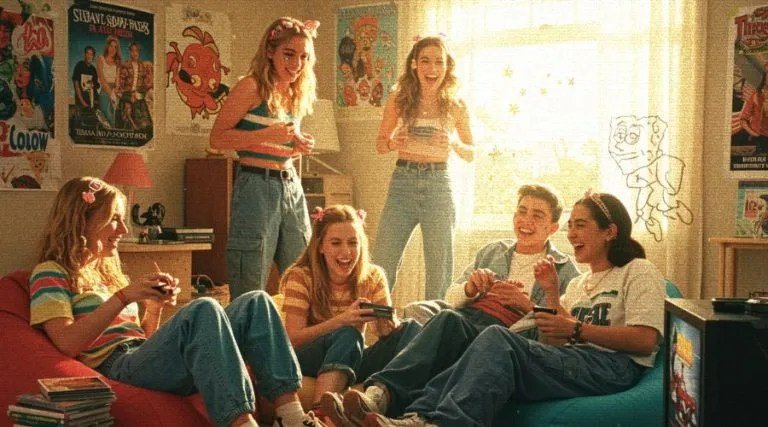
1999 wasn’t just the final year of a century; it was a potent cocktail of anxieties and exhilaration, a year where pop culture reflected a world bracing for the unknown Y2K bug while simultaneously embracing groundbreaking technology. Nowhere was this dynamic more evident than in the defining films and music that captivated audiences, setting new benchmarks and hinting at the entertainment landscape to come. The era’s unique blend of pre-millennial tension, rapid technological shifts, and a hunger for both escapism and profound introspection forged a singular creative period in pop culture history.
At a Glance: Key Insights into 1999 Pop Culture
- Cinematic Watershed: 1999 delivered a diverse slate of films, from box office behemoths to indie darlings, reshaping genres and special effects.
- Music’s Shifting Tides: The year marked a definitive shift in music, with the rise of teen pop icons, hip-hop’s burgeoning mainstream dominance, and innovative digital distribution experiments.
- The Y2K Undercurrent: While largely a non-event, Y2K anxieties subtly flavored narratives, pushing themes of technology’s power and humanity’s place within it.
- Marketing Revolution: Films like The Blair Witch Project demonstrated the nascent power of internet-driven marketing, foreshadowing modern viral campaigns.
- Legends and Legacies: The year saw the loss of cinematic giants while simultaneously introducing new voices and technological milestones that would define future decades.
The Millennial Mirror: How Films Reflected a World on Edge
The cinematic output of 1999 captured the zeitgeist like few other years, offering both grand spectacle and intimate psychological drama. Blockbusters weren’t just about entertainment; they often grappled with technology, reality, and the future.
The Blockbuster Brigade: Spectacle, Nostalgia, and Deep Questions
Leading the charge was Star Wars: Episode I – The Phantom Menace, a film that generated unparalleled hype, breaking box office records with nearly $1 billion globally. Its release wasn’t just a movie event; it was a cultural phenomenon, reigniting interest in the franchise’s merchandise and setting the stage for future cinematic universes. While critically divisive, its commercial success was undeniable, proving the enduring power of nostalgia combined with cutting-edge visual effects.
Yet, 1999 wasn’t just about established franchises. It was also the year that truly challenged perceptions of reality. The Matrix exploded onto screens, redefining action cinema with its bullet-time effects and philosophical themes. Grossing over $465 million on a $63 million budget, it was a technological marvel that resonated deeply with pre-millennial concerns about control, simulated realities, and the nature of existence itself. This wasn’t just a film; it was a visual and intellectual paradigm shift, influencing everything from fashion to filmmaking for years to come.
Psychological Twists and Indie Shocks
Beyond the explosions and light-sabers, 1999 offered a masterclass in psychological tension. M. Night Shyamalan’s The Sixth Sense became a sleeper hit, captivating audiences with its chilling atmosphere and a twist ending that became an instant cultural touchstone. It proved that compelling storytelling, even without massive special effects budgets, could still dominate the box office and spark widespread conversation.
Then there was The Blair Witch Project, a film that redefined independent horror and viral marketing. Shot on a shoestring budget of $25,000, it earned a staggering $248 million, primarily thanks to an ingenious internet campaign that blurred the lines between fiction and reality. This film didn’t just scare people; it taught Hollywood a powerful lesson about grassroots promotion and the immersive potential of found footage cinema, paving the way for countless imitators.
Animated Wonders and Enduring Legacies
Animation also hit new heights. Pixar’s Toy Story 2 showcased remarkable storytelling and technical prowess, building on its predecessor’s success and solidifying Pixar’s reputation as a creative powerhouse. Disney’s Tarzan also proved to be a critical and commercial success, demonstrating the continuing evolution of hand-drawn animation combined with innovative digital techniques.
The year also marked a poignant moment in cinematic history with the death of legendary director Stanley Kubrick just days before the release of his final film, Eyes Wide Shut. His passing served as a reminder of the artistic titans who shaped the medium, even as new voices and technologies emerged to push its boundaries. Amidst these changes, a fun historical note: the iconic line “Now I know what it feels like to be God!” from the 1931 Frankenstein was finally restored after nearly 70 years of censorship, a small but symbolic moment for film preservation. For a broader look at the cultural shifts and technological breakthroughs of this pivotal year, you can Revisit the pivotal year 1999.
Sonic Landscapes: The Defining Sounds of a Decade’s Close
If films mirrored the anxieties, music often provided the release or amplified the cultural shifts. 1999 was a vibrant year for music, characterized by the meteoric rise of pop superstars, the growing influence of hip-hop, and experimental forays into digital distribution.
Teen Pop’s Reign and Hip-Hop’s Edge
January 12, 1999, was a date etched into pop history: Britney Spears released her debut album, …Baby One More Time. The single and album were immediate, undeniable juggernauts, selling over 10 million copies for the single and 25 million worldwide for the album, earning 14 Platinum Certifications. Spears wasn’t just a singer; she was a phenomenon, defining the aesthetic and sound of teen pop for the turn of the millennium. Her success showcased the immense commercial power of a perfectly packaged pop star and a catchy, irresistible hook.
Just over a month later, on February 23, a very different sound emerged to shake the music world: Eminem’s The Slim Shady LP. Debuting at number two on the Billboard 200 and number one on the Top Hip-Hop Albums Chart, the album was a raw, controversial, and often darkly humorous exploration of anger and identity. Eminem’s unique lyrical style and provocative persona instantly made him a dominant force in hip-hop, even sparking a $10 million lawsuit from his mother over alleged slander (she was eventually awarded about $1,600). His ascent signaled a shift in hip-hop’s mainstream appeal, introducing a grittier, more introspective, and confrontational voice.
Unexpected Chart Toppers and Digital Pioneers
Beyond these new titans, 1999 offered a rich tapestry of musical diversity. Cher made a remarkable comeback with “Believe,” setting a record for the longest gap between number-one hits in the USA (25 years). The track, notable for its innovative use of Auto-Tune, became a global smash and a cultural touchstone, proving that a reinvented legend could still dominate the charts.
Another unexpected powerhouse was the collaboration between Santana and Rob Thomas on “Smooth.” This track topped charts and became ubiquitous, demonstrating the power of blending rock legends with contemporary pop-rock vocals. It was a cross-generational hit that highlighted the enduring appeal of quality musicianship combined with a fresh sound.
The year also saw a groundbreaking moment for music distribution: They Might Be Giants became the first major-label artist to release an entire album, Long Tall Weekend, exclusively in MP3 format. This wasn’t just an experiment; it was a prophetic glimpse into the future of music consumption, anticipating the digital revolution that would soon transform the entire industry, offering both unprecedented access and new challenges for artists and labels alike.
The Deeper Echoes: Loss and Legacy
Amidst the triumphs, 1999 also held its share of tragedy. Adrian Kelvin Borland, the talented English singer-songwriter and lead of The Sound, died by suicide in April, a somber reminder of the struggles many artists face behind the music. These moments of loss often provided a stark contrast to the often glossy pop culture landscape, adding a deeper, more human dimension to the year’s narrative.
The Enduring Impact of 1999’s Pop Culture
Looking back, the films and music of 1999 weren’t just products of their time; they laid significant groundwork for the decades that followed.
- Genre Evolution: The Matrix single-handedly pushed the envelope for sci-fi action, while The Blair Witch Project revitalized horror and marketing strategies. These films weren’t just hits; they were blueprints.
- Star Power Redefined: Britney Spears carved out a new archetype for the pop idol, influencing countless artists. Eminem showed that raw authenticity and controversy could lead to massive mainstream success, paving the way for more diverse voices in hip-hop.
- Digital Foresight: They Might Be Giants’ MP3 album was a quiet revolution, hinting at a future where music would be streamed, downloaded, and consumed entirely online, fundamentally altering how artists connect with their audience.
The year’s pop culture served as a bridge between the analog past and the digital future, capturing a unique moment when traditional entertainment formats were still dominant, but the whispers of what was to come were growing louder.
Quick Answers: Unpacking 1999 Pop Culture
Q: Was Y2K anxiety really a big theme in 1999 films and music?
A: While few explicitly referenced Y2K, the underlying anxiety about technology, control, and the future was definitely present. Films like The Matrix tapped directly into fears about digital systems and simulated realities, reflecting a broader societal unease about what the millennium might bring, even if it wasn’t a direct “bug” narrative.
Q: How did 1999 set the stage for modern pop music?
A: 1999 was pivotal for solidifying the teen pop phenomenon (Britney Spears) and expanding hip-hop’s mainstream reach (Eminem). It also saw groundbreaking experiments in digital music distribution (They Might Be Giants), directly foreshadowing the rise of MP3s, file-sharing, and later, streaming platforms, completely changing how music was consumed and monetized.
Q: What made The Blair Witch Project so revolutionary from a pop culture perspective?
A: Its impact was twofold: commercially and structurally. It demonstrated that a micro-budget film could achieve massive success through clever, internet-driven viral marketing, making the film feel “real.” Structurally, it popularized the “found footage” genre, creating a new way to tell horror stories that felt incredibly immersive and unsettling.
The Echoes of 1999: Why It Still Matters
1999 was a year of paradoxes: global anxieties meeting unparalleled technological optimism, established genres being reinvented, and new stars rising to define a generation. The films and music of this pivotal year weren’t just entertainment; they were cultural artifacts, encapsulating the hopes, fears, and groundbreaking innovations of a world on the cusp of a new millennium. Understanding ‘what happened in 1999 pop culture’ offers a vital lens into the evolution of our modern media landscape, demonstrating how creative risks and technological shifts converge to leave an indelible mark.










