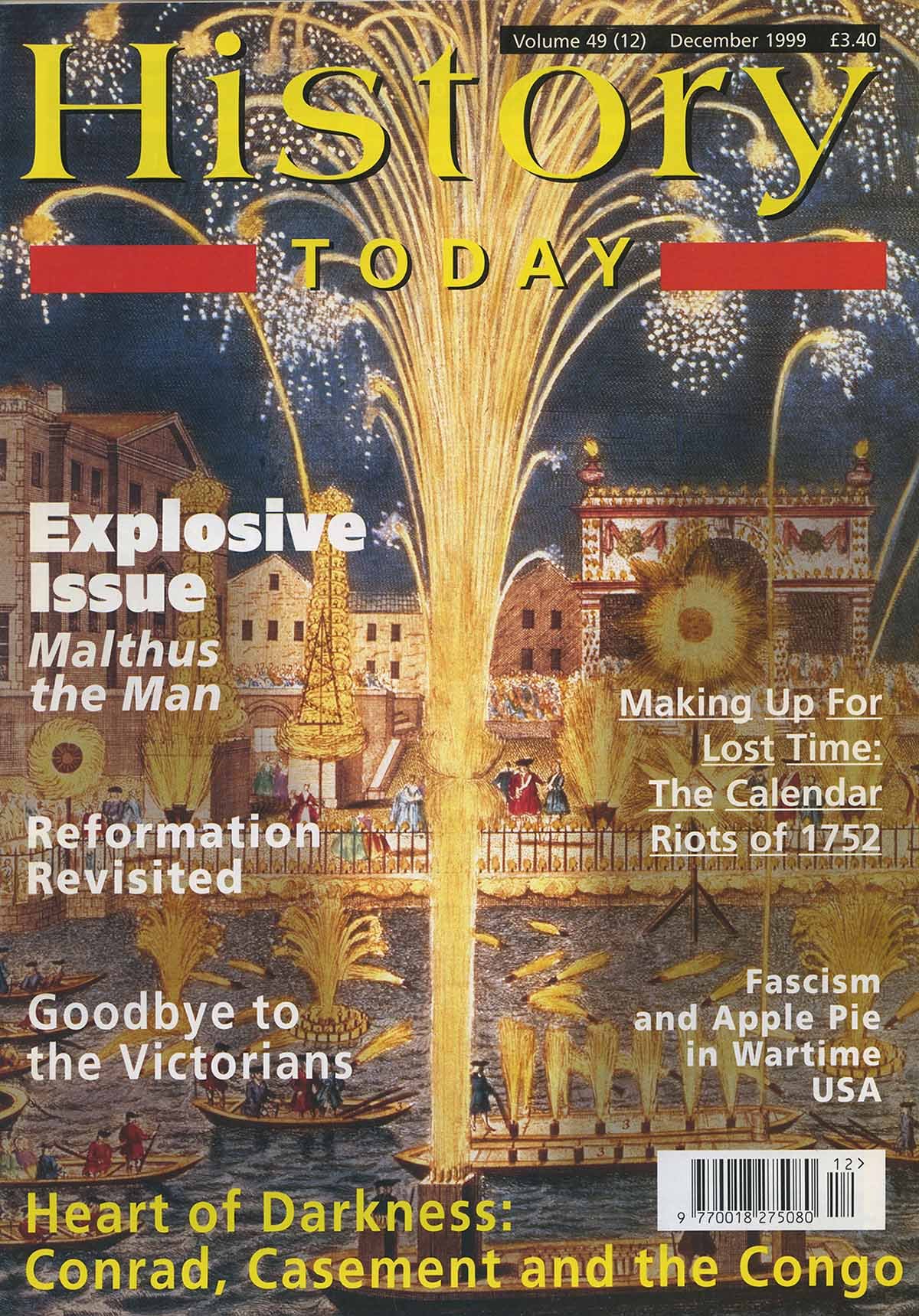
Nineteen ninety-nine was a year caught in a fascinating tension, a pivot point where the anxieties of an old millennium collided with the promise and peril of a new one. It was a time when the spectacle of a presidential impeachment trial played out daily, while simultaneously, the nation grappled with an unthinkable tragedy at Columbine High School. These pivotal 1999 history events weren’t just isolated incidents; they were threads in a larger tapestry, defining a year that felt both relentlessly modern and hauntingly archaic.
The collective breath was held for the Y2K bug, yet daily life was rapidly being reshaped by burgeoning technology and global shifts. This wasn’t just a year of headlines; it was a year of profound societal recalibration.
At a Glance: Key Shifts and Shocks of 1999
- Political Drama: President Clinton faced a Senate impeachment trial, ultimately leading to acquittal, but leaving a significant mark on U.S. politics.
- Unspeakable Tragedy: The Columbine High School massacre shocked the world, initiating urgent debates on gun control, school safety, and youth mental health.
- Digital Crossroads: Y2K anxieties spurred massive spending, while Google began its explosive growth, and the first BlackBerry emerged, signaling a new era of connectivity alongside early cyber threats like the Melissa worm.
- Global Realignment: The Euro currency launched, NATO expanded and engaged in its first offensive war in Kosovo, and several nations experienced pivotal transitions towards independence or democracy.
- Nature’s Fury: The year was marked by a relentless series of devastating natural disasters, from killer earthquakes in Turkey and Taiwan to devastating tornadoes in Oklahoma and severe blizzards in the U.S. Midwest.
- Cultural Milestones: From Michael Jordan’s second retirement to Tony Hawk landing the first 900, the year also offered moments of sporting triumph and cultural redefinition.
The Political Crucible: President Clinton’s Impeachment Trial
As the new year dawned, the United States was already deep in a constitutional crisis. On January 7th, 1999, the Senate trial for the impeachment of President Bill Clinton officially began. The charges, stemming from independent counsel Kenneth Starr’s investigation, centered on perjury and obstruction of justice related to his testimony in a civil lawsuit and grand jury proceedings. This wasn’t just a legal battle; it was a political spectacle, played out on cable news and talked about in every home and workplace.
For weeks, the nation watched as senators weighed evidence, deliberated, and ultimately voted. Despite the gravity of the charges and the intense partisan divides, Clinton was acquitted on both counts on February 12th. The trial, while ending in acquittal, left an indelible mark on the presidency and American politics, illustrating the profound divisions that could emerge even in a time of relative prosperity. It raised significant questions about the balance of power, personal conduct in public office, and the role of the media in shaping public opinion.
A Nation’s Trauma: The Columbine High School Massacre
Perhaps no single event from 1999 history events seared itself into the national consciousness quite like the Columbine High School massacre. On April 20th, 1999, two students, Eric Harris and Dylan Klebold, embarked on a meticulously planned attack at their high school in Littleton, Colorado. They murdered 12 students and one teacher, injuring 24 others, before taking their own lives.
The immediate aftermath was a maelstrom of grief, confusion, and fear. The tragedy unfolded live on television, bringing the horror directly into millions of homes. Columbine ignited a fierce and ongoing national debate about gun control, the culture of violence, bullying, mental health in adolescents, and school safety. It prompted schools across the country to re-evaluate their security protocols, implement active shooter drills, and initiate programs aimed at addressing student isolation and potential threats. The term “Columbine” became shorthand for school shootings, a dark milestone in American history that continues to echo in subsequent tragedies.
Beneath the Surface: The Y2K Countdown and Tech’s Double Edge
While political and social dramas captured headlines, an invisible threat loomed: the Y2K bug. Fears that computer systems, designed to represent years with only two digits (e.g., ’99’ for 1999), would misinterpret ’00’ as 1900, causing widespread failures, led to a global effort unparalleled in scope. Over $100 billion was spent in the U.S. alone on remediation efforts, highlighting society’s deep and growing dependence on software systems. The collective sigh of relief on January 1st, 2000, when critical systems largely held, was almost as profound as the prior anxiety.
Meanwhile, technological innovation marched on. January 19th saw the release of the BlackBerry 850, the first device to combine email, web browsing, and a pager, marking an early step toward the smartphone era. Google, founded just the year before, experienced explosive growth, its PageRank algorithm quickly making it the dominant search engine. However, this burgeoning digital world wasn’t without its growing pains. The “Melissa worm,” a fast-spreading macro virus, infected Microsoft systems globally on March 26th, demonstrating the vulnerability of interconnected networks. The dot-com boom, while still generating excitement, began showing signs of strain as many internet businesses faltered, hinting at the bubble’s eventual burst. November brought a significant ruling against Microsoft, finding the company in violation of antitrust laws, leading to proposed breakups that, while later overturned, underscored regulatory concerns about tech giants.
Global Fault Lines: War, Peace, and New Borders
Nineteen ninety-nine was also a year of significant international realignment. The Euro currency officially launched on January 1st in 11 European Union member countries, a historic step toward economic integration. NATO expanded eastward, welcoming the Czech Republic, Hungary, and Poland in March. This expansion was swiftly followed by NATO’s first offensive military operation: air strikes against the Federal Republic of Yugoslavia on March 24th, in response to ethnic cleansing in Kosovo. This marked a profound shift in NATO’s role, and notably, saw a Yugoslav SAM system down an F117A stealth aircraft—the only known instance of such an advanced aircraft being shot down. The Kosovo War concluded with a peace treaty on June 9th, leading to a NATO-led UN peacekeeping force (KFor) entering Kosovo.
Across the globe, new political landscapes emerged. Nunavut was established as a Canadian territory on April 1st, granting self-governance to the Inuit people. On May 29th, Olusegun Obasanjo became Nigeria’s first elected civilian head of state after 16 years of military rule, symbolizing a return to democracy for the populous African nation. Perhaps most significantly, East Timor voted for independence from Indonesia in a referendum on August 30th, a move that would lead to further conflict but ultimately freedom. However, not all international developments pointed towards peace; the Chinese Communist Party began its persecution of Falun Gong on July 20th, and Russia began the Second Chechen War on August 26th, following an invasion of Dagestan.
To fully grasp the intricate web of global politics, technological shifts, and societal changes defining this period, it’s helpful to consider the broader context. You can delve deeper into the overarching narrative of the year, including more on how Y2K anxieties met new tech and pop culture by clicking here: Explore what happened in 1999.
Nature’s Fury and Human Tragedy: Disasters Across the Globe
Beyond man-made conflicts and political dramas, 1999 history events were also defined by a relentless series of natural and industrial disasters that underscored human vulnerability. The year began with a brutal snowstorm hitting the Midwestern United States on January 2nd, burying Milwaukee and Chicago under deep snow. Just weeks later, Toronto Mayor Mel Lastman called in the Army for snow removal after over a meter of snow blanketed the city.
The ground shook violently multiple times throughout the year. A 6.0 magnitude earthquake struck western Colombia on January 25th, killing at least 1,000. On March 29th, a 6.8 magnitude quake in Chamoli, India, killed 103. The most devastating, however, were the 7.4-magnitude İzmit earthquake in Turkey on August 17th, claiming over 17,000 lives, and a massive earthquake in Taiwan on September 21st, which killed thousands and left 100,000 homeless.
Other tragedies included an avalanche destroying the Austrian village of Galtür on February 23rd, killing 31; the horrific Mont Blanc Tunnel fire on March 24th, which claimed 39 lives; and a severe hailstorm in Sydney, Australia, on April 14th, causing A$2.3 billion in damages—its most costly natural disaster ever. On May 3rd, an F5 tornado devastated Oklahoma City, killing 45, injuring 665, and causing $1 billion in damage, reminding everyone of nature’s raw power.
Cultural Shifts and Defining Moments
Amidst the significant global events, 1999 also brought moments that shaped culture, reflected evolving social norms, and highlighted individual achievements. In sports, Michael Jordan announced his second retirement from the NBA on January 13th, marking the end of an unparalleled era in basketball. Later in the year, on July 27th, skateboarding legend Tony Hawk landed the first “900”—a two-and-a-half-revolution aerial spin—a feat that instantly became iconic in action sports.
Social justice and ethical questions were also prominent. The shooting death of unarmed West African immigrant Amadou Diallo by four plainclothes New York City police officers on February 4th inflamed race relations and prompted widespread protests. On March 26th, Dr. Jack Kevorkian, known as “Dr. Death” for his advocacy and assistance in euthanasia, was found guilty of second-degree murder for administering a lethal injection, sparking fierce debates about end-of-life choices. Elsewhere, the horrific burning alive of Australian missionary Graham Staines and his two sons in Eastern India on January 22nd brought attention to religious tensions.
The year also saw significant milestones in exploration and scientific discovery. The ‘Mars Polar Lander’ was launched on January 3rd, aimed at studying the Martian polar regions. On May 1st, after 75 years, the body of British climber George Mallory was found on Mount Everest, adding a poignant footnote to one of mountaineering’s greatest mysteries. In space, the Space Shuttle Discovery completed its first docking with the International Space Station on May 29th, a crucial step in building humanity’s permanent orbital outpost. And closer to home, the Human Genome Project reached significant milestones, furthering gene sequencing and mapping efforts that promised to revolutionize medicine.
Quick Answers: Unpacking the Era
Q: How did Y2K anxiety truly manifest for average people?
A: While corporations spent billions, ordinary individuals experienced Y2K anxiety through media hype, government advisories, and the circulation of survivalist theories. Many stocked up on non-perishable food, water, and cash, fearing disruptions to banking, utilities, and transportation. Though the large-scale societal collapse didn’t materialize, the fear was very real and palpable in the lead-up to January 1, 2000.
Q: What were the immediate changes after Columbine?
A: Immediately following Columbine, schools across the U.S. implemented stricter security measures, including metal detectors, clear backpack policies, and increased police presence. There was a significant push for anonymous tip lines, anti-bullying programs, and a greater focus on identifying and supporting at-risk students. The event also intensified debates around gun control, with calls for stricter background checks and bans on certain types of firearms.
Q: Beyond the headlines, what tech advancements were truly game-changing in 1999?
A: Beyond Y2K and the dot-com bubble, 1999 saw Google rapidly solidify its dominance in search with its PageRank algorithm, fundamentally changing how people found information online. The BlackBerry 850 laid crucial groundwork for mobile email and integrated handheld devices. The Human Genome Project made significant strides, propelling us towards personalized medicine. These foundational developments quietly built the infrastructure for the digital world we now inhabit.
Q: Was 1999 primarily a year of fear or progress?
A: 1999 was unequivocally a blend of both. The fear of Y2K, the shock of Columbine, and the devastation of global disasters created a palpable sense of apprehension. Yet, it was also a year of immense progress: democratic transitions in Nigeria and East Timor, the launch of the Euro, breakthroughs in space exploration and genomics, and the rapid evolution of the internet and mobile tech. It was a transitional year, where the anxieties of the past met the innovative strides into the future.
The Lingering Echoes of 1999
The 1999 history events we’ve revisited—from the political theater of the Clinton trial to the searing tragedy of Columbine, the quiet hum of Y2K anxiety, and the rapid march of technology—paint a picture of a world in flux. It was a year that forced introspection on national identity, technological reliance, and global responsibilities. The debates ignited then, concerning gun control, internet regulation, and international intervention, continue to resonate today, showing just how deeply these moments shaped the century to come. The anxieties of the millennium’s end gave way not to apocalypse, but to a complex, interconnected, and rapidly evolving new era, whose contours were firmly etched in the events of 1999.










