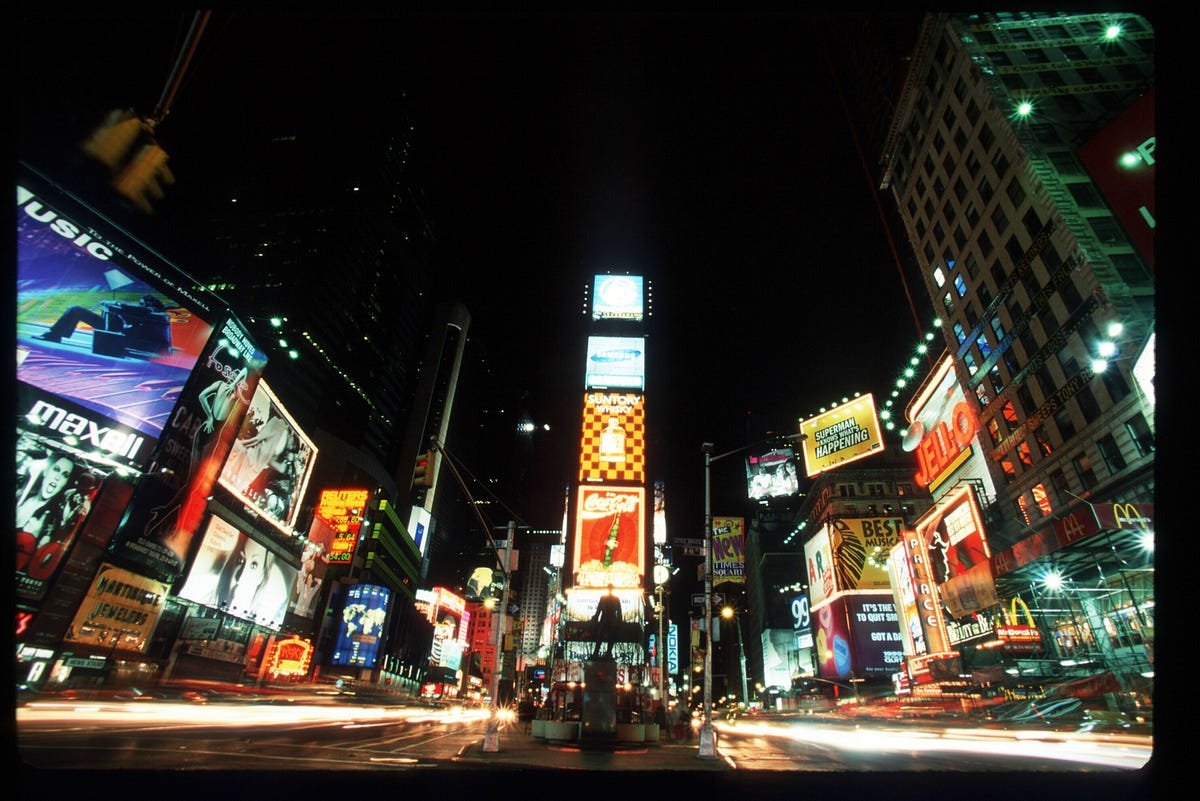
The calendar flipped to 1999, and the air buzzed with a unique blend of impending doom and boundless possibility. On one hand, the world braced for the widely anticipated Y2K bug, a digital Armageddon that threatened to crash global systems as the clock struck midnight on January 1, 2000. On the other, a torrent of new technologies, groundbreaking cultural phenomena, and pivotal global events unfolded, painting a picture of a year teetering on the precipice of a new millennium. Understanding what happened in 1999 means diving into this fascinating tension, a time when collective anxieties met audacious innovation head-on.
At a Glance: What Defined the Year of the Millennium Jitters
- Y2K Preparedness: The worldwide, unprecedented effort to avert computer system failures at the turn of the millennium.
- Technological Leaps: The commercialization of Bluetooth, Wi-Fi, and peer-to-peer file-sharing that reshaped connectivity.
- Pop Culture Milestones: Iconic films like The Matrix, the launch of SpongeBob SquarePants, and the peak of Pokémania.
- Geopolitical Shifts: The introduction of the Euro, conflicts in Kosovo and Chechnya, and the transfer of the Panama Canal.
- Societal Shockwaves: Tragedies like the Columbine High School massacre and the Vargas mudslides left lasting scars.
- Economic Euphoria: The dot-com boom reached its zenith, fueling investment and unprecedented valuations.
The Millennium Bug: Y2K’s Shadow and the Collective Sigh of Relief
Few historical events have captivated the world with such widespread, technology-driven fear as the “Millennium Bug,” or Y2K. The premise was simple yet terrifying: many older computer systems, designed to save memory by storing years as two digits (e.g., “99” for 1999), would interpret “00” as 1900 instead of 2000. This seemingly minor oversight threatened to unravel critical infrastructure from banking and power grids to air traffic control and military systems.
The global response was immense. Governments, corporations, and individuals poured billions of dollars into auditing, reprogramming, and replacing vulnerable systems. Software engineers worked around the clock, implementing “windowing” (treating “00” through “19” as 2000-2019 and “20” through “99” as 1920-1999) or “date expansion” (converting two-digit years to four). The sheer scale of this coordinated effort was unprecedented, a testament to humanity’s growing reliance on digital technology. When the clock finally struck midnight on January 1, 2000, the predicted widespread chaos largely failed to materialize. A few minor glitches occurred, but no catastrophic failures. This collective sigh of relief, however, wasn’t a sign that Y2K was a hoax, but rather a profound vindication of the monumental, quiet work that had been done to prevent a global catastrophe. It also served as an early lesson in global digital interdependence and risk management.
The Digital Dawn: How 1999 Ushered In Our Connected Future
While Y2K concerns dominated headlines, 1999 was simultaneously a year of explosive technological advancement that quietly laid the groundwork for much of the digital world we inhabit today. This dichotomy—fear of tech’s past flaws versus excitement for its future potential—perfectly encapsulates what happened in 1999.
Wireless Wonders and the Rise of Sharing
This year saw the public introduction of Bluetooth, a short-range wireless technology designed to connect devices without cables. Initially met with curiosity, it would eventually become ubiquitous, linking everything from headphones to smart home devices. More significantly, the 802.11b Wi-Fi standard made wireless internet a practical reality for homes and businesses. No longer tethered by Ethernet cables, people began to experience the freedom of surfing the web from anywhere within range. This innovation was a game-changer for internet adoption and mobility.
Alongside these connectivity breakthroughs, the launch of Napster in June revolutionized how people thought about digital content. This peer-to-peer file-sharing service allowed users to download music directly from each other’s computers, completely bypassing traditional distribution channels. While controversial and ultimately short-lived in its original form due to copyright infringement issues, Napster ignited a furious debate about digital rights and set the stage for legal streaming services that would follow years later. It vividly demonstrated the power of decentralized networks and fundamentally altered the music industry’s trajectory.
Gaming’s Next Level and Space Exploration’s Setbacks
Sega, a pioneer in console gaming, released its Dreamcast console in 1999. It was notable for being the first console to feature a built-in modem, allowing for online multiplayer gaming right out of the box. This pushed the boundaries of what home gaming could be, hinting at the competitive online ecosystems that dominate gaming today.
In space, NASA continued its ambitious exploration of Mars. The Mars Polar Lander launched in January, but communication was lost upon its arrival in December, likely due to a software error. Similarly, the Mars Climate Orbiter was lost earlier in the year because one engineering team used imperial units while another used metric units, leading to a disastrous navigational error. These incidents, while failures, highlighted the immense complexity of space exploration and the critical importance of meticulous detail in global collaborative projects.
Scientific Milestones and Medical Breakthroughs
Beyond consumer tech and space, science also made significant strides. The Human Genome Project achieved a monumental milestone, completing the first full sequence of a human chromosome. This was a critical step in understanding the genetic blueprint of life, paving the way for personalized medicine and new disease treatments. In pharmaceuticals, the FDA approved Viagra, a drug that had a profound cultural and medical impact, changing conversations around men’s health. Environmentally, 1999 saw the first detection of the West Nile virus in the U.S., marking the beginning of its spread across the continent. Even the understanding of our solar system was debated, as discussions began on February 10 about Pluto’s planetary status, a conversation that would eventually lead to its reclassification as a ‘dwarf planet’ in 2006.
The Cultural Canvas: Blockbusters, Memes, and the Soundtrack of ’99
1999 was a vibrant year for pop culture, delivering iconic films, groundbreaking television, and music that would define a generation. This burst of creativity ran parallel to the anxieties and innovations, providing a fascinating backdrop to What defined 1999? across the spectrum of human experience.
Cinema Redefined
Moviegoers were treated to a slate of films that pushed boundaries and set box office records. The Matrix premiered, redefining action cinema with its philosophical themes, bullet-time effects, and cyberpunk aesthetic. It wasn’t just a movie; it was a cultural phenomenon that spawned countless parodies and deeper discussions about reality. Star Wars: Episode I – The Phantom Menace arrived with immense anticipation, becoming one of the highest-grossing films of the year despite mixed critical reception. It reignited the Star Wars fervor for a new generation.
In independent film, The Blair Witch Project became a sensation, practically inventing the “found footage” genre and demonstrating the power of viral marketing before social media was even a thought. Its raw, unsettling style terrified audiences and proved that low-budget filmmaking could achieve massive cultural impact.
Pop’s New Icons and Cartoon Crazes
The music scene was dominated by new voices and unforgettable tracks. Britney Spears released her debut album, …Baby One More Time, on January 12, catapulting her to global superstardom and cementing her status as a pop icon. The album’s titular single became an anthem for teenage rebellion and innocence. Across the Atlantic, Fatboy Slim’s ‘Praise You’ topped UK charts on January 10, showcasing the rising influence of big beat and electronic music.
On television, Nickelodeon launched SpongeBob SquarePants, an animated series that would become a beloved, long-running cultural touchstone for children and adults alike. Meanwhile, the phenomenon of Pokémania reached a fever pitch, with Pokémon Red and Blue games, the animated series, and trading cards creating a global craze that showed no signs of slowing down. Even late-night television saw a shift as Jon Stewart took over The Daily Show on January 9, beginning an era that would transform political satire.
Sports Heroes and Historic Triumphs
The world of sports also provided moments of unforgettable drama. The U.S. Women’s National Soccer Team won the FIFA Women’s World Cup in a dramatic final against China, a victory that significantly boosted women’s sports in America and beyond. In European football, Manchester United achieved a historic treble, winning the Premier League, FA Cup, and UEFA Champions League—a feat of dominance rarely seen. Cyclist Lance Armstrong won his first Tour de France, beginning a controversial legacy. Hockey legend Wayne Gretzky retired, leaving behind an unparalleled career, and golfer David Duval shot a historic sub-60 round (59) on January 24, etching his name into golf history.
Beyond the Screens: Global Shifts and Somber Echoes
Beyond the digital anxieties and cultural celebrations, 1999 was also a year of profound geopolitical shifts, economic highs, and devastating human tragedies, offering a broader view of what happened in 1999 on a global scale.
Geopolitical Realignment
January 1, 1999, marked a significant step toward European integration with the introduction of the Euro as an accounting currency for 11 European Union countries. While physical euros wouldn’t appear until 2002, this move signaled a major commitment to economic unity. However, this spirit of cooperation was challenged by conflict. The NATO air campaign against Yugoslavia began in response to the Kosovo crisis, marking the alliance’s first military action without UN Security Council approval and highlighting evolving international intervention doctrines. This followed the Racak massacre on January 15, which saw 45 ethnic Albanians killed. Elsewhere, the Second Chechen War began, and the Revolutionary United Front (RUF) launched a brutal invasion of Freetown, Sierra Leone, on January 6, perpetrating horrific violence. The year concluded with a symbolic shift of power as the U.S. transferred control of the Panama Canal to Panama on December 31, fulfilling a long-standing treaty.
On the domestic front in the U.S., President Bill Clinton’s impeachment trial continued into February, a contentious political battle that ultimately ended in acquittal. In Venezuela, Hugo Chávez was inaugurated as the 53rd President on February 2, beginning an influential and controversial era. The passing of King Hussein of Jordan on February 7, succeeded by Abdullah II, marked the end of a pivotal reign in Middle Eastern diplomacy.
Societal Fault Lines and Tragedies
1999 was tragically punctuated by events that exposed deep societal fissures and the fragility of life. The Columbine High School massacre on April 20 in Littleton, Colorado, became one of the deadliest school shootings in U.S. history, sparking intense national debates on gun control, youth violence, and school safety that continue to this day.
Other tragedies also left their mark: a devastating tornado outbreak struck Tennessee on January 17. The murder of Australian missionary Graham Staines and his two sons in India on January 22 highlighted issues of religious intolerance. On February 4, the fatal shooting of Amadou Diallo by NYC police sparked widespread protests over police practices and racial profiling, bringing issues of race and law enforcement into sharp focus. Later in the year, the Vargas tragedy devastated Venezuela, killing an estimated 10,000-30,000 people due to mudslides, and a series of Russian apartment bombings killed over 300, attributed to Chechen separatists by the Russian government. The year also saw the tragic Martha’s Vineyard plane crash that killed John F. Kennedy Jr. and others, adding to a perceived string of misfortunes for the Kennedy family.
Economic Peaks and Environmental Awareness
Economically, the dot-com boom reached its peak, attracting massive investments into internet-based companies, many of which would later collapse in the early 2000s. The financial markets reflected this optimism: the Dow Jones Industrial Average closed above 11,000 for the first time. Mergers and acquisitions reshaped industries, most notably the creation of ExxonMobil through the merger of Exxon and Mobil.
Amidst this economic fervor, environmental concerns gained traction. Wangari Maathai’s protest in Karura Forest, Kenya, on January 8, against illegal land grabbing, highlighted ongoing battles for environmental justice. President Clinton announced plans in February to protect over 9,300 acres adjoining Yellowstone National Park in Montana. Globally, the lingering effects of the El Niño weather phenomenon continued to cause extreme weather patterns, underscoring the growing awareness of climate’s impact.
Practical Playbook: Lessons from a Pivotal Year
Looking back at what happened in 1999, we can distill several actionable insights that remain relevant even today:
- Proactive Preparedness Pays Off: The Y2K non-event wasn’t a fluke; it was the result of extensive, coordinated global effort. This highlights the importance of anticipating potential risks (cybersecurity threats, climate change impacts, pandemic preparedness) and investing heavily in preventive measures rather than waiting for crises to unfold.
- Embrace Technological Evolution with Scrutiny: 1999 introduced technologies like Wi-Fi and Napster that changed daily life, yet also sparked new debates about privacy, intellectual property, and regulation. Today, as AI and new digital tools emerge, a similar balance is needed: embrace innovation for its benefits, but simultaneously scrutinize its ethical implications and potential societal impacts.
- Culture as a Mirror and a Molder: From The Matrix‘s philosophical questions to Columbine’s tragic realities, 1999’s culture reflected and shaped public discourse. Pay attention to emerging cultural trends, music, and media – they often provide early indicators of societal values, anxieties, and aspirations.
- Global Interconnectedness is Key: Whether it was the Euro’s introduction, NATO’s actions in Kosovo, or the Y2K fix, 1999 showed that national issues rarely stay contained. Understanding global interdependencies is crucial for navigating economic, political, and environmental challenges.
- Resilience in the Face of Uncertainty: The year was a rollercoaster of highs and lows. The ability to adapt, innovate, and rebuild in the face of natural disasters, conflicts, and technological unknowns remains a critical human trait.
Quick Answers: Your 1999 FAQs
Q: Was Y2K a real threat, or was it overblown?
A: Y2K was a very real, well-documented technological flaw with the potential for widespread disruption. The reason it didn’t cause catastrophic failures was precisely because of the immense global effort (billions of dollars and countless hours of work) invested in fixing the problem before the year 2000 arrived. It was averted, not overblown.
Q: What was the biggest technological innovation of 1999?
A: While Bluetooth and Wi-Fi were foundational, the launch of Napster arguably had the most immediate and disruptive cultural impact. It radically altered the music industry and popularized the concept of peer-to-peer file-sharing, setting the stage for future digital content distribution models.
Q: Did any major films from 1999 have lasting cultural impact?
A: Absolutely. The Matrix is a prime example, influencing filmmaking, fashion, philosophy, and pop culture dialogue for decades. The Blair Witch Project single-handedly revitalized the found footage horror genre, and Star Wars: Episode I rekindled a global franchise for a new generation.
Q: How did 1999 influence the internet as we know it today?
A: 1999 was pivotal. The widespread adoption of the 802.11b Wi-Fi standard made wireless internet accessible, dramatically increasing its convenience. Napster proved the power of decentralized file sharing and highlighted the legal complexities of digital content, indirectly pushing for legitimate streaming services years later. It was the year connectivity truly started to go mainstream and become mobile.
Q: Were there any major political events that shaped the world in 1999?
A: Yes. The introduction of the Euro as an accounting currency was a huge step for European integration. NATO’s military action in Kosovo marked a significant shift in international relations. The transfer of the Panama Canal to Panama represented a historical moment of decolonization and sovereignty.
The Unforgettable Echoes of ’99
1999 was far more than just the year before the millennium. It was a crucible where fear of the unknown met the thrilling promise of a connected, digitally advanced world. From the collective global effort to avert the Y2K crisis to the individual moments of cultural brilliance and profound tragedy, the year shaped a generation and set the trajectory for the new century. The technologies born, the films released, the conflicts fought, and the lives lost all contribute to an indelible mosaic that defines this singular year, forever echoing in the digital age it helped to forge.










