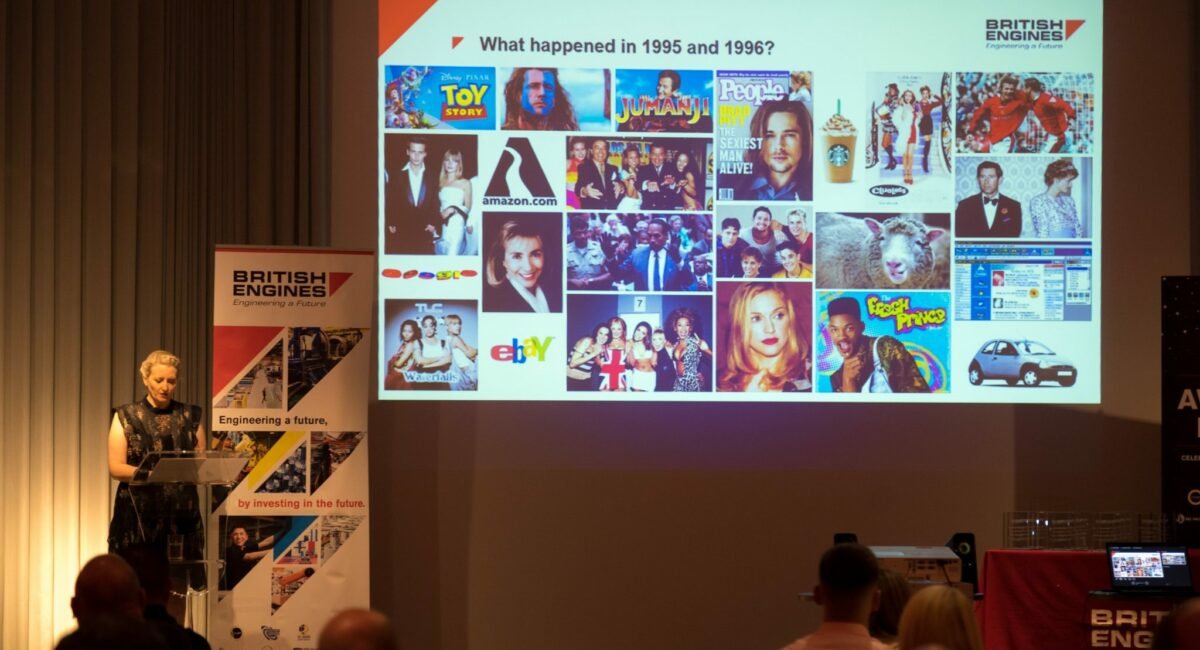
The year 1996 wasn’t just another spin around the sun; it was a pivot. As the burgeoning internet began to seep into everyday consciousness, the world grappled with a blend of evolving technology, enduring geopolitical struggles, and profound social shifts. Looking back at the important events that happened in 1996 offers a unique lens to understand the foundational moments that shaped our current landscape, showing us how quickly the future can become the present, and how decisions made then continue to resonate today.
At a Glance: Understanding 1996’s Lasting Echoes
- Digital Expansion Accelerated: From groundbreaking mobile tech to early internet regulation attempts, 1996 laid crucial groundwork for our hyper-connected world.
- Geopolitical Tensions Reshaped: Major conflicts and peace efforts in the Middle East, Eastern Europe, and Asia underscored a complex global environment.
- Societal Debates Intensified: Issues ranging from gun control and civil rights to environmental disasters captured global attention and spurred legislative action.
- Science & Culture Pushed Boundaries: Scientific breakthroughs like cloning and extraterrestrial life hints coexisted with pivotal moments in entertainment and sports.
- The Blueprint for Today: Many of the challenges and opportunities we face in the 2020s have roots in the innovations, conflicts, and policies of 1996.
The Dawn of Digital Reality: Pioneering Connectivity and Its Challenges
Nineteen ninety-six truly marked a tipping point, where the abstract concept of a “digital era” started manifesting in tangible ways for millions. The year saw significant leaps in personal technology and the first major attempts to grapple with the internet’s societal impact.
On January 3, the Motorola StarTAC hit the market. This wasn’t just another phone; it was the first successful clamshell flip mobile phone, a design marvel that would sell 60 million units. Its compact, sleek form factor revolutionized how people perceived mobile communication, moving it from bulky necessity to a personal accessory. This shift hinted at a future where devices were extensions of ourselves, far removed from the brick-like phones of previous years.
Just weeks later, on January 23, Sun Microsystems officially released the first version of the Java programming language. For developers and tech enthusiasts, Java was a game-changer. It promised “write once, run anywhere” capability, making it possible to create applications that could operate across different platforms. This was crucial for the nascent internet, enabling dynamic web content and interactive experiences that went beyond static pages, effectively powering much of the early web’s evolution. If you want to dive deeper into the broader context of how these innovations fit into the bigger picture, you can Explore 1996’s digital dawn.
Navigating the Wild West: Early Internet Regulation
As the internet grew, so did the concerns about its content. February 1 saw the U.S. Congress pass the Communications Decency Act (CDA), an ambitious, albeit controversial, attempt to regulate “indecent” content online. This act was quickly met with fierce opposition, with many arguing it infringed on free speech. A panel of federal judges in Philadelphia swiftly blocked the law against indecency on the internet on June 12, citing its broad scope. This early legal battle highlighted a fundamental tension that persists today: how do societies balance free expression with protection, particularly in a globally interconnected digital space? The subsequent striking down of the child protection portion of the CDA by a US federal court on July 29 further cemented the legal landscape, ensuring the internet remained largely self-regulated for several more years.
Beyond legal battles, the internet’s collaborative spirit was celebrated. On February 8, the massive online project “24 Hours in Cyberspace” brought together thousands of photographers, writers, and artists to document a single day in the life of the internet. It was an unprecedented demonstration of the internet’s potential for collective storytelling and real-time global interaction, a precursor to today’s social media platforms and viral events.
A Glimpse of AI’s Future and Media Evolution
The digital era also brought artificial intelligence into the public consciousness in a big way. On February 10, IBM’s Deep Blue became the first computer to win a game of chess against a reigning human world champion, Garry Kasparov. While Kasparov ultimately won the match, this single game was a monumental moment, signaling that AI was no longer just science fiction. It provoked widespread discussion about the future of human-machine interaction and intelligence.
Later in the year, October 7 marked the beginning of Fox News Channel broadcasting, adding a significant new player to the cable news landscape. This launch underscored the ongoing fragmentation and expansion of media, a trend that the internet would dramatically accelerate, leading to the diverse and often polarized media environment we see today.
Geopolitical Flux: Conflict, Peace, and Shifting Borders
Nineteen ninety-six was a year of profound change and persistent conflict across the globe, illustrating the complex dance between international diplomacy and regional strife.
Bosnia and the Balkans
The beginning of the year saw the immediate aftermath of the Dayton Accords for Bosnia. On January 2, the US deployed troops in Northern Bosnia, part of an international effort to maintain peace between Bosnian Serbs and Muslims. This intervention highlighted the world’s increasing willingness to engage in peacekeeping operations in post-conflict zones, setting a precedent for multinational forces. Later, on January 12, Russian and US forces initiated a joint peacekeeping mission, a significant instance of Cold War adversaries collaborating for stability.
Middle East Dynamics
The delicate peace processes in the Middle East faced both progress and setbacks. On January 5, the killing of Hamas bombmaker Yahya Ayyash by an Israeli-planted booby-trapped cell phone underscored the high stakes and covert operations involved. This incident further complicated an already fragile situation. However, there were also gestures of diplomacy: on January 10, King Hussein of Jordan made a historic visit to Israel, aiming to strengthen ties following their 1994 peace treaty. This visit symbolized efforts to build bridges in a region often defined by division, even as Israel freed hundreds of Palestinian prisoners to foster goodwill. On January 20, Yasser Arafat was re-elected as President of the Palestinian National Authority with 88% of the vote in the first general elections in Palestinian territories, marking a crucial step in Palestinian self-governance.
East and West: Turmoil and Treaties
The year also saw a range of other significant events impacting international relations:
- Chechnya: January 9 saw fighting intensify in Chechnya as Russian forces launched a major offensive against Chechen separatists, a conflict that continued to destabilize the region for years. On May 27, Russian President Boris Yeltsin met with Chechen rebels for the first time and negotiated a cease-fire, a rare moment of direct dialogue.
- Africa: A military coup led by Major Ibrahim Baré Maïnassara occurred in Niger on January 25, overthrowing the democratically elected government, a stark reminder of political instability in some African nations. In August, Vnukovo Airlines Flight 2801 crashed into a mountain on Spitsbergen, killing all 141 aboard, a tragic accident with international implications given the aircraft’s origin and destination.
- Sri Lanka: January 31 brought a devastating suicide bombing by the Liberation Tigers of Tamil Eelam (LTTE) at the Central Bank of Sri Lanka in Colombo, killing at least 86 people and injuring 1,400. This attack highlighted the brutal reality of the Sri Lankan Civil War and the use of terrorism against civilian targets.
- Taiwan’s Democratic Leap: On March 23, Taiwan held its first direct elections, choosing Lee Teng-hui as President. This was a monumental step for democracy in the region, solidifying Taiwan’s distinct political identity despite mainland China’s objections.
- Ukraine’s Constitution: June 28 saw the signing of the Constitution of Ukraine into law. This was a critical step in establishing the legal framework for an independent Ukraine following the collapse of the Soviet Union, defining its sovereignty and democratic path.
- Global Arms Control: On September 24, representatives of 71 nations signed the Comprehensive Nuclear-Test-Ban Treaty at the United Nations. This international accord marked a significant effort to curb the proliferation of nuclear weapons and reduce the threat of nuclear warfare, reflecting a global commitment to disarmament.
- Afghanistan’s Crisis: September 27 saw the Taliban capture the Afghan capital Kabul, executing former leader Mohammad Najibullah. This event marked a dark turning point for Afghanistan, ushering in a period of severe human rights abuses and setting the stage for future international interventions.
Societal Shifts and Environmental Reckonings
Nineteen ninety-six was a year that brought deeply personal tragedies and major social reform debates to the forefront, alongside significant environmental challenges.
Tragedies and Their Aftermath
The Dunblane massacre in Scotland on March 13 shocked the world when Thomas Watt Hamilton shot dead 16 primary school children and one teacher before committing suicide. This horrific event spurred immediate and significant gun control legislation in the UK, demonstrating how profoundly a single tragedy can impact public policy and societal norms.
Later in the year, on July 17, TWA Flight 800, a Paris-bound Boeing 747, exploded off the coast of Long Island, New York, killing all 230 on board. The investigation into the cause of the explosion captivated public attention for years, fueling various theories before officially being attributed to a short circuit. Just ten days later, on July 27, a pipe bomb exploded at Centennial Olympic Park during the 1996 Summer Olympics in Atlanta, killing one woman and injuring over one hundred. This act of domestic terrorism during a global celebration underscored the vulnerability of large public gatherings.
Rights, Reforms, and Royal Divorces
On May 20, the Supreme Court of the United States ruled in “Romer v. Evans” against a law that would have prevented any city or county in Colorado from passing LGBT civil rights legislation. This landmark decision was a significant victory for LGBT rights in the US, affirming that states could not enact laws that specifically discriminated against homosexuals.
August 22 saw Bill Clinton sign welfare reform into law (Personal Responsibility and Work Opportunity Act). This sweeping legislation fundamentally altered the American social safety net, ending the federal entitlement to welfare and imposing stricter work requirements and time limits on benefits, a policy shift still debated today.
A more personal but globally significant event occurred on August 28: Prince Charles and Princess Diana divorced. This formal end to their marriage, which had long been under public scrutiny, marked a poignant moment for the British monarchy and captivated audiences worldwide.
Environmental Alarms and Scientific Breakthroughs
The year also highlighted pressing environmental concerns. The North Cape oil spill off Rhode Island on January 19 released 828,000 gallons of oil, killing over 10 million lobsters and 500 birds, serving as a stark reminder of industrial hazards and their ecological costs. Hurricanes also left their mark, with Hurricane Fran making landfall near Cape Fear, North Carolina, on September 5, causing over $3 billion in damage and killing 27 people.
On a brighter note, science pushed boundaries. On July 5, Dolly the sheep became the first mammal cloned from an adult cell, igniting a global ethical debate about the implications of genetic engineering and reproductive technologies. Then, on August 6, NASA announced that the ALH 84001 meteorite, thought to originate from Mars, contained evidence of primitive life-forms. This astonishing announcement, though later subject to scientific debate, captivated the world’s imagination and reinvigorated the search for extraterrestrial life.
Culture, Sports, and Everyday Life
Beyond the headlines of war and innovation, 1996 was a vibrant year for culture and sports, offering both familiar comforts and groundbreaking moments.
Entertainment and Arts
Television saw the debut of the quirky sitcom “3rd Rock from the Sun” on NBC on January 9, quickly becoming a fan favorite for its unique premise. In music, February 13 was a big day: the Fugees released their critically acclaimed album “The Score,” which would go on to win multiple awards, and Tupac Shakur’s iconic album “All Eyez on Me” was also released. Simultaneously, the British boy band Take That announced their disbandment, a moment so impactful that the UK government reportedly set up counseling phone lines for distraught fans.
On the stage, Jonathan Larson’s groundbreaking rock musical “Rent” opened off-Broadway on February 13, bringing a fresh, contemporary voice to musical theater before moving to Broadway and achieving massive success. In London, on January 29, Andrew Lloyd Webber’s “Cats” held its 6,138th performance, surpassing “A Chorus Line” to become Broadway’s longest-running musical, a testament to its enduring popularity. The 11th Rock and Roll Hall of Fame inducted legends like David Bowie, Jefferson Airplane, and Pink Floyd on January 17, celebrating their lasting influence on music.
Sporting Highlights
The world of sports delivered its usual dose of drama and achievement. On January 28, the Dallas Cowboys defeated the Pittsburgh Steelers 27-17 in Super Bowl XXX in Tempe, Arizona, with cornerback Larry Brown named MVP. Just two days later, Magic Johnson came out of a 5-year retirement, helping the LA Lakers win, a celebrated return for one of basketball’s all-time greats.
Individual achievements were also recognized. On January 17, Detroit center Steve Yzerman scored his 500th career NHL goal, joining Gordie Howe as the only players to score 500 for Detroit, cementing his place in hockey history.
Practical Insights from the Past: Lessons from 1996
Understanding the important events that happened in 1996 isn’t just about historical recollection; it’s about discerning patterns and anticipating future trajectories.
- Embrace Technological Volatility: The rapid rise of mobile phones (Motorola StarTAC) and new programming languages (Java) in 1996 showed that technology can shift landscapes almost overnight.
- Actionable Takeaway: Businesses and individuals today must maintain agility. Continual learning and adapting to new platforms or tools (like AI or blockchain) is paramount, as the next disruptive innovation is always on the horizon.
- Anticipate Regulatory Scrutiny in New Frontiers: The legal battles over the Communications Decency Act illustrated that whenever a new technology gains widespread adoption, governments will eventually step in to regulate it.
- Actionable Takeaway: Innovators and digital entrepreneurs should factor in potential regulatory challenges early in their development cycles. Understanding legal precedents, like the CDA’s fate, can inform ethical design and policy engagement strategies.
- Recognize Interconnected Global Challenges: From peacekeeping missions in Bosnia to environmental disasters like oil spills and hurricanes, 1996 underscored how local events can have global ramifications and require international cooperation.
- Actionable Takeaway: When addressing complex problems today, whether climate change or cybersecurity, assume they are interconnected. Seek cross-disciplinary and international collaboration, as isolated solutions rarely succeed.
- Social Movements Have Long Arcs: The Romer v. Evans ruling for LGBT rights was not an endpoint but a significant step in a decades-long struggle. Similarly, welfare reform had roots in earlier political debates and continues to evolve.
- Actionable Takeaway: Social change is incremental. When advocating for a cause or implementing policy, understand that immediate outcomes are often part of a longer historical process. Persistence and adaptability are key.
- The Media Landscape is Constantly Evolving: The launch of Fox News Channel and the “24 Hours in Cyberspace” project demonstrated how new players and new platforms can quickly reshape how information is consumed and disseminated.
- Actionable Takeaway: Critically evaluate your news sources and information channels. Understand the biases and formats inherent in different platforms, and cultivate media literacy to navigate today’s complex information ecosystem effectively.
Quick Answers: Debunking 1996 Myths and Clarifying Impact
Q: Was 1996 truly the “start” of the digital era, or just a continuation?
A: While digital innovation certainly predated 1996, the year marked a significant acceleration and broadening of the digital era’s impact. Events like the StarTAC’s success, Java’s release, and the intense legal debates over internet content (CDA) moved digital concepts from niche interest to mainstream conversation and consumer products, making it a pivotal year in the era’s beginning.
Q: What was the single most impactful event of 1996?
A: It’s subjective, but in terms of long-term global impact, the release of Java programming language (January 23) and the legal battles around the Communications Decency Act (February 1 onward) arguably had the most profound and lasting effects on the digital world we inhabit. For social consciousness, the Dunblane massacre (March 13) and the subsequent gun control efforts had an unparalleled immediate and legislative impact in the UK.
Q: Did the welfare reform act truly change American society?
A: Yes, significantly. The Personal Responsibility and Work Opportunity Act fundamentally restructured welfare, ending a federal entitlement that had been in place for decades. It imposed stricter limits and requirements, leading to a dramatic reduction in welfare rolls but sparking ongoing debate about its effects on poverty and economic inequality.
Q: How did the Deep Blue chess match truly affect AI development?
A: Deep Blue’s victory against Kasparov wasn’t just a publicity stunt; it was a powerful demonstration of AI’s growing computational power. It sparked increased investment and research into AI, moving it from theoretical concepts to practical applications in problem-solving, even if it was a “brute force” approach compared to today’s machine learning.
Q: Were there any major environmental victories in 1996?
A: While 1996 saw significant environmental challenges (oil spills, hurricanes), the signing of the Comprehensive Nuclear-Test-Ban Treaty (September 24) could be seen as a major victory for global environmental safety, reducing the threat of radioactive contamination from nuclear weapons testing.
Charting the Future by Understanding the Past
Nineteen ninety-six served as a powerful testament to humanity’s dual capacity for progress and conflict. From the revolutionary Motorola StarTAC that prefigured our smartphone obsession to the agonizing struggles for peace in Bosnia and the Middle East, the year was a microcosm of the forces that continue to shape our world. The early battles over internet freedom, the ethical dilemmas of cloning, and the enduring quest for civil rights all underscore that while technologies and political actors change, fundamental human challenges persist. By reflecting on these important events that happened in 1996, we gain a clearer perspective on the long arc of history, equipping us with context to better navigate the complexities of our present and future.










