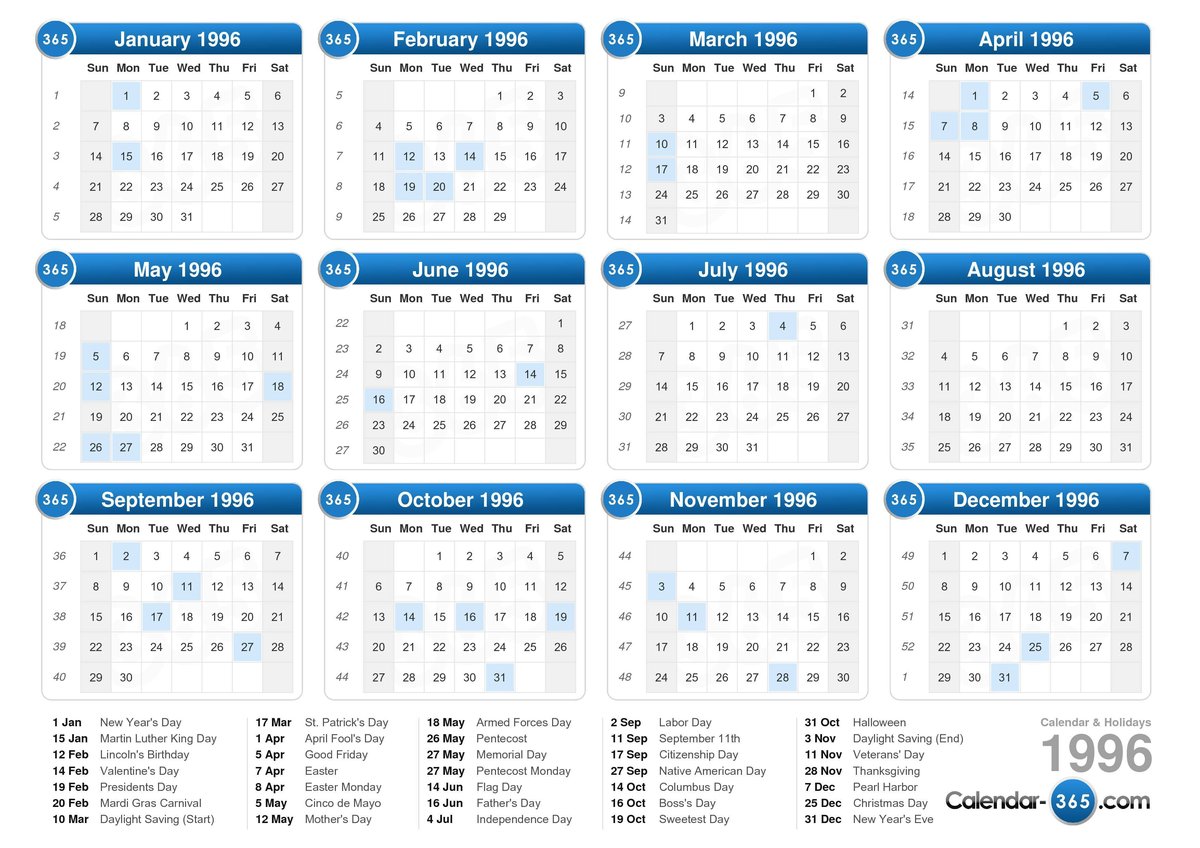
Picture this: You’re standing on the precipice of a new millennium, with one foot still firmly planted in an analog world of dial tones and paper maps, and the other tentatively testing the burgeoning, wild frontier of the World Wide Web. This wasn’t some distant future, this was what was going on in 1996, a pivotal year when America truly began to embrace the internet era, even if few fully grasped its eventual scope. It was a year of profound shifts—politically, economically, and perhaps most importantly, technologically—that laid the groundwork for the digital age we inhabit today.
It wasn’t just a gradual evolution; it was a sudden acceleration, a burst of innovation colliding with policy decisions and societal changes that reshaped how we connected, worked, and even thought about the future. For anyone looking to understand the true genesis of our digital lives, 1996 isn’t just a historical footnote; it’s the foundational chapter.
At a Glance: Understanding 1996’s Digital Tectonic Shift
- The Internet’s Mainstream Rush: How the web shifted from academic curiosity to a burgeoning public utility, driving unprecedented infrastructure and user growth.
- Landmark Legislation: The Telecommunications Act of 1996, specifically Section 230, created a unique legal framework that continues to define online content.
- Economic Fuel: The early stages of the “dot-com boom” ignited venture capital, pouring money into tech startups and accelerating digital transformation.
- Foundational Innovations: The birth of key technologies and companies—from Java to Google’s genesis—that still power our digital world.
- Societal Echoes: How the digital revolution sparked both optimism (Atlanta Olympics) and anxiety (Unabomber capture, ethical debates around cloning).
The Internet’s Uneven Dawn: More Than Just Buzzwords
In 1996, the internet wasn’t the always-on, ubiquitous presence we know today. It was a nascent network, experiencing exponential growth, but still largely navigated by early adopters. Think less streaming Netflix and more waiting for images to load line-by-line over a screeching modem. Yet, its potential was undeniable. The US user base alone topped 30 million, hinting at a seismic shift in communication and commerce.
This wasn’t just about access; it was about new behaviors. Email became a staple for businesses and a novel way for friends to connect across distances. Early instant messaging platforms started bubbling up, creating real-time digital conversations that felt futuristic. Online shopping, while rudimentary, offered glimpses of a world where goods could be ordered from a screen and delivered to your door. This required significant infrastructure improvements, from laying fiber optic cables to building more robust server farms, a massive undertaking that became an economic driver in itself.
Policy Power Play: The Telecommunications Act of 1996
While venture capitalists were busy funding startups, legislators in Washington were grappling with how to regulate this wild new frontier. The result was the Telecommunications Act of 1996, a landmark piece of legislation designed to deregulate the telecommunications industry. The goal was simple: foster competition and accelerate the adoption of new technologies, including the internet.
This Act drastically reshaped the competitive landscape for phone companies, cable providers, and fledgling internet service providers (ISPs). It essentially said, “Let’s open the gates and see what innovations bloom.” What bloomed was an explosion of choices for consumers, driving down costs and making internet access more widespread.
Crucially, the Act also introduced Section 230, a provision that would prove to be one of the most impactful pieces of internet law ever enacted. In essence, it stated that interactive computer service providers (like websites or social media platforms) would not be treated as publishers of third-party content. This meant they couldn’t be held liable for what their users posted, offering them broad legal protection. This policy decision, made in 1996, directly enabled the rise of user-generated content platforms, forums, and eventually social media as we know them. Without Section 230, the internet might look vastly different today, potentially stifled by platform liability. To truly grasp the breadth of these changes and other critical shifts, you might want to delve deeper into the overall historical context: Explore 1996’s digital dawn.
Economic Ripples: The Dot-Com Boom’s Early Hum
The US economy in 1996 was robust, enjoying strong growth and a falling unemployment rate, which dipped to 5.6%. This stability provided fertile ground for the burgeoning tech sector. The federal minimum wage also saw an increase, from $4.75 to $5.15 per hour, putting more disposable income into consumers’ hands, some of which invariably found its way into new gadgets and internet services.
But the real story for the future was the dot-com boom. The NASDAQ Composite index, heavily weighted with tech companies, soared. Venture capital firms, recognizing the transformative potential of the internet, began pouring unprecedented sums of money into startups. This era often prioritized rapid growth and market share over immediate profitability, a strategy that would famously lead to both spectacular successes and dramatic failures in the years to come. In 1996, however, it was all about expansion, building out the internet’s backbone, and experimenting with new online business models. Companies were racing to “get online,” even if the path to monetization wasn’t always clear.
Foundational Innovations: Seeds of the Future Planted
Beyond policy and economics, 1996 was a hotbed of pure technological invention:
- Java’s Debut: On January 23, the first version of the Java programming language was released. Its “write once, run anywhere” philosophy promised platform independence, quickly making it a cornerstone for enterprise applications and early web applets.
- Google’s Genesis: Larry Page and Sergey Brin started their research project at Stanford, developing what would become Google. Their PageRank algorithm, designed to rank web pages by importance, was still a groundbreaking concept in academic circles.
- Motorola StarTAC: Released on January 3, this tiny, clamshell flip phone became an instant icon, selling 60 million units. It wasn’t just a phone; it was a fashion statement and a symbol of mobile miniaturization.
- Deep Blue vs. Kasparov: IBM’s chess-playing computer, Deep Blue, made history on February 8 by winning a game against reigning world champion Garry Kasparov. While Kasparov ultimately won the match, it was a symbolic moment: a computer had finally beaten the best human at a game long considered the pinnacle of human intellect.
- DVD’s Arrival: The Digital Versatile Disc (DVD) format officially launched, promising vastly superior storage capacity and video quality compared to VHS tapes. This laid the groundwork for a massive shift in home entertainment.
- Dolly the Sheep: In a moment that sparked global ethical debates, scientists in Scotland successfully cloned Dolly the sheep. This scientific breakthrough pushed the boundaries of genetic engineering and reproductive technology.
These innovations, taken together, painted a picture of a world on the cusp of profound transformation, touching everything from how we communicate to how we understand life itself.
A Society in Transition: Navigating New Realities
The rapid changes of 1996 weren’t confined to boardrooms and labs; they rippled through American society, sparking both excitement and apprehension.
The capture of Ted Kaczynski, the “Unabomber,” in April ended a decades-long bombing campaign targeting individuals involved in modern technology. His manifesto, railing against industrial society and the technological system, served as a stark, if extreme, counterpoint to the prevailing tech optimism. It highlighted a growing unease in some quarters about the pace of change.
The 1996 Summer Olympics in Atlanta offered a different narrative. These “Centennial Games” became a showcase for emerging American technological prowess. From advanced broadcasting techniques to improved security and transportation systems, the internet’s nascent capabilities were quietly utilized, signaling how future large-scale events would leverage digital integration.
Even Hollywood felt the digital shift. Films like Independence Day and Twister thrilled audiences with unprecedented computer-generated imagery (CGI), pushing the boundaries of visual storytelling. The film industry, always quick to spot a trend, also began exploring the uncharted territory of online streaming, an idea that seemed fanciful at the time.
Yet, tragedy also reminded Americans of enduring vulnerabilities. The explosion of TWA Flight 800 off Long Island, initially sparking fears of terrorism, was later attributed to mechanical problems, but it underscored the fragility of travel and the complexities of investigation in a world grappling with new threats.
Practical Playbook: Spotting 1996’s Emerging Patterns Today
Understanding what was going on in 1996 isn’t just a history lesson; it’s a masterclass in identifying the early signals of profound shifts. Here’s what business leaders and innovators can glean:
- Look Beyond the Hype to Infrastructure: In 1996, the internet was hyped, but the real work was in building the cables, servers, and software (like Java) to make it real. Today, when you hear about AI or Web3, ask: what fundamental infrastructure is being built? What low-level, unsexy but essential components are emerging?
- Observe Policy’s Long Shadow: The Telecommunications Act and Section 230 of 1996 didn’t just regulate a moment; they shaped decades. When new technologies emerge, pay close attention to early regulatory discussions. Even seemingly minor provisions can have monumental, unforeseen impacts years down the line.
- Prioritize User Experience, Even if Rudimentary: Early internet users wrestled with slow connections and clunky interfaces, yet they persisted because the value (email, information) was there. For any new technology, focus on delivering core, undeniable value that encourages early adoption, even if the experience isn’t perfect yet.
- Embrace Incremental Innovations: The Motorola StarTAC wasn’t a smartphone, but it represented a huge leap in mobile phone design and desirability. Don’t wait for the “perfect” revolutionary product; recognize and leverage significant incremental improvements that capture market attention.
- Understand the “Growth Over Profit” Mentality (and its limits): The dot-com boom showed that investors were willing to back companies prioritizing market share over immediate profitability, especially in nascent markets. This can be a viable strategy to establish dominance, but always remember the eventual need for a sustainable business model.
Quick Answers: Your 1996 Digital Era FAQs
Was everyone online in 1996?
No, definitely not. While there were over 30 million internet users in the US, this represented a relatively small percentage of the total population (around 10-15%). It was still very much a realm for early adopters, tech enthusiasts, and academic or business professionals. Dial-up internet was the norm, making sustained online presence a luxury for many.
How did companies make money online in 1996?
Early monetization strategies included basic advertising (banner ads were just starting to appear), subscription models for premium content or services, and nascent e-commerce for physical goods (think Amazon selling books). Many companies were still in the “build an audience, figure out monetization later” phase, fueled by venture capital.
What was the biggest legal change for the internet in 1996?
Without a doubt, the Telecommunications Act of 1996, particularly Section 230, was the most impactful. By shielding online platforms from liability for third-party content, it provided the legal bedrock for user-generated content and forums to flourish without fear of constant lawsuits, directly enabling the social web we know today.
The Unmistakable Echoes of 1996 Today
The year 1996 wasn’t just a chronological marker; it was a crucible where the analog melted into the digital, forging the foundational elements of our modern world. From the legislative foresight that protected online speech to the technological breakthroughs that paved the way for search engines and mobile communication, its fingerprints are everywhere.
For those of us navigating today’s ever-evolving digital landscape, 1996 offers crucial insights. It teaches us to look beyond the immediate headlines, to understand that policy decisions made years ago can profoundly shape future industries, and that seemingly niche technological experiments can blossom into global phenomena. The era of digital transformation didn’t start with a bang in the 2000s; it began with the determined hum and whir of modems and venture capital in 1996, laying the groundwork for everything that came next.










