Imagine turning the calendar back a quarter-century. The year isn’t merely a number; it’s a doorway to a different world, a moment in time when the seeds of today were first sown. So, what happened 25 years ago this year? If you’re reading this in 2024, we’re journeying back to 1999—a year perched on the precipice of a new millennium, filled with anxieties, innovations, and cultural shifts that still echo around us today.
This isn’t just about cataloging events; it’s about understanding the seismic shifts that shaped our present. As Merriam-Webster reminds us, history isn’t just a record of past events; it’s an explanation of their causes and a chronological narrative of their significance. And 1999, the last full year of the 20th century, was nothing if not significant.
At a Glance: Peering Back to a Pivotal Year
Before we dive deep, here’s a quick roadmap for our journey back to 1999:
- A World on the Cusp: Understand the unique blend of pre-millennial anxiety and technological optimism.
- Digital Seeds: See how the internet and early mobile tech were transforming daily life, even before widespread social media.
- Geopolitical Ripples: Explore major international conflicts and political realignments that redefined global power dynamics.
- Cultural Icons: Revisit the movies, music, and television that defined an era and still resonate with us.
- Societal Shocks: Grapple with events that challenged communities and sparked nationwide conversations.
- Your Own Historical Hunt: Learn how to unearth specific moments from 25 years ago that matter to you.
Why a Quarter-Century Matters: A Window into Accelerated Change
Twenty-five years is a remarkable stretch of time. It represents a full generation, a complete cycle of personal and technological evolution. Looking back across this span allows us to see not just what happened, but how those events laid the groundwork for the world we inhabit now. It’s a powerful lens to observe the velocity of change, particularly in the digital age.
Think about it: many of the foundational elements of our modern world—the internet’s burgeoning influence, the early seeds of globalized culture, the shifting geopolitical landscape post-Cold War—were firmly in play a quarter-century ago. Examining this period isn’t just nostalgic; it’s an exercise in understanding cause and effect, recognizing the subtle (and not-so-subtle) pathways from past decisions to present realities.
The World on the Cusp: A Snapshot of 1999
Nineteen ninety-nine was a year suspended between eras. It carried the lingering echoes of the 20th century while hurtling towards an unknown future. The biggest collective anxiety was undoubtedly the Y2K bug, a looming software glitch that many feared would cripple computers worldwide at the stroke of midnight on January 1, 2000. Billions were spent preparing, a testament to our growing dependence on digital systems and a collective acknowledgment of technology’s double-edged sword.
Beyond the digital dread, the world was still largely “offline” by today’s standards. Social media as we know it didn’t exist, smartphones were a futuristic concept, and global news, while accessible, lacked the instant, pervasive reach of the 24/7 internet age. This allowed for different types of cultural touchstones and public discourse, often shaped more by traditional media outlets.
Echoes of a Digital Revolution: Tech and the Internet
If 1999 taught us anything, it’s that the internet was no longer just for academics and hobbyists. It was rapidly becoming a mainstream force, albeit one that many still didn’t fully comprehend.
The Y2K preparations were a global phenomenon, uniting governments and corporations in a massive effort to update systems. While the feared catastrophic meltdown largely didn’t materialize, the experience highlighted the fragility of our interconnected world and the critical role of software in daily life. It was a wake-up call that underscored the need for robust digital infrastructure.
Meanwhile, the dot-com bubble was in full swing, driving unprecedented valuations for internet companies, many with little more than a business plan and a catchy “.com” address. The excitement was palpable, drawing in investors and talented individuals alike. This era, though it ended in a spectacular bust a few years later, fundamentally reshaped how we thought about business, communication, and connectivity. Many of the fundamental technologies and user behaviors we see today started to crystallize then. In many ways, the groundwork laid then truly began to blossom; What unfolded two decades ago was a direct consequence of the innovations and investments made in these early days.
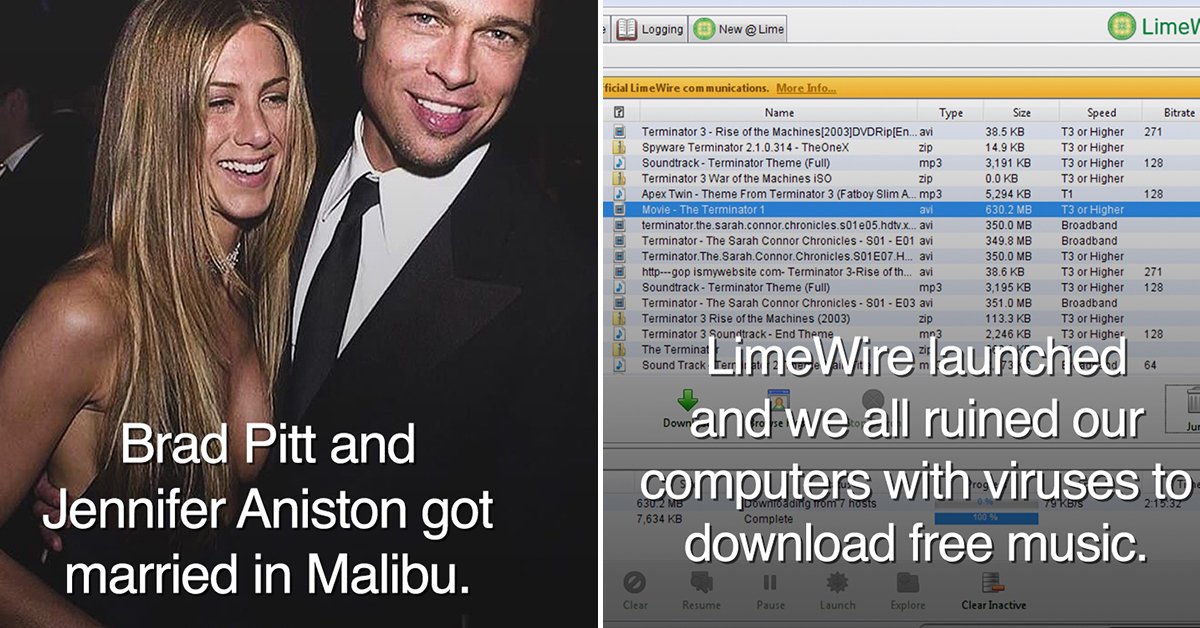
A defining moment for digital culture was the launch of Napster. This peer-to-peer file-sharing service revolutionized how people consumed music, allowing users to freely download songs directly from each other’s computers. It ignited fierce debates over copyright, intellectual property, and the future of creative industries—conversations that continue to this day in various forms. While controversial, Napster undeniably foreshadowed the streaming revolution and democratized access to media in an unprecedented way.
Beyond the internet, early mobile technology was making strides. The BlackBerry 850, often seen as one of the first true smartphones, was released, offering email and basic web browsing on a mobile device. While a far cry from today’s powerful handheld computers, it represented a crucial step towards ubiquitous mobile connectivity.
Global Shifts: Politics and Geopolitics
The geopolitical landscape of 1999 was a complex tapestry woven with post-Cold War adjustments and emerging regional conflicts.
One of the most significant events was the Kosovo War. NATO launched an air campaign against Yugoslavia in March 1999 to halt the ethnic cleansing of Albanians in Kosovo. It was a controversial intervention, marking the first time NATO engaged in combat operations against a sovereign state without UN Security Council approval. The conflict reshaped alliances and sparked intense debate about humanitarian intervention and international law.
Economically, the Euro currency officially launched as an accounting currency in January 1999, though physical euro notes and coins wouldn’t enter circulation until 2002. This ambitious project marked a monumental step towards European integration, aiming to foster economic stability and unity across the continent. Its introduction represented a profound commitment to a shared future, and its ongoing impact on global finance has been immense, shaping the economic trajectory of The world 20 years ago and beyond.
In a symbolic handover, the United States officially transferred control of the Panama Canal to Panama on December 31, 1999, fulfilling a treaty signed in 1977. This marked the end of a century of U.S. oversight of the crucial waterway, representing a significant moment in Panamanian sovereignty and Latin American relations.
Near the close of the year, Russian President Boris Yeltsin unexpectedly resigned on December 31, naming Vladimir Putin as acting president. This move set in motion a new era for Russia, with profound implications for both domestic politics and international relations that continue to unfold to this day.
Culture’s Crossroads: Movies, Music, and Media
For many, 1999 conjures vivid memories of groundbreaking entertainment that pushed boundaries and captured the zeitgeist.
In cinema, The Matrix redefined science fiction and action filmmaking with its philosophical themes and revolutionary “bullet time” special effects. It became an instant cultural touchstone, influencing countless films and sparking conversations about reality and perception. Not far behind was Star Wars: Episode I – The Phantom Menace, a highly anticipated return to the galaxy far, far away that shattered box office records despite mixed fan reception. Other notable films like American Beauty captured critical acclaim and awards, offering a darkly comedic look at suburban life.
The music scene was dominated by the explosion of teen pop and the Latin pop crossover. Artists like Britney Spears burst onto the scene with “…Baby One More Time,” establishing a new era of pop stardom. Ricky Martin’s “Livin’ la Vida Loca” became a global sensation, paving the way for other Latin artists to achieve mainstream success. This dynamic period in music marked a significant shift in popular tastes and global influences, with many of those artists and their sounds evolving over time. If you’re curious about how those trends developed, you might Discover what happened a decade ago to see the next phase of musical innovation.
Television offered new escapes and iconic characters. The Sopranos debuted on HBO, changing the landscape of television drama with its complex characters and cinematic storytelling, launching the era of “prestige TV.” For younger audiences, SpongeBob SquarePants premiered, quickly becoming a beloved animated classic that continues to entertain millions. Game shows also made a splash with the arrival of Who Wants to Be a Millionaire? on American television, creating a national phenomenon that captivated audiences.
Science, Society, and Unexpected Turns
Beyond the political and cultural headlines, 1999 was marked by significant events in science, tragic societal moments, and economic milestones.
One of the most somber events was the Columbine High School massacre in April. This horrific school shooting shocked the nation, initiating a profound reevaluation of school safety, gun control, and the causes of youth violence. Its impact reverberated for years, leading to widespread changes in security protocols and ongoing national debates.
On the economic front, the Dow Jones Industrial Average closed above 10,000 points for the first time in March, a landmark moment reflecting the robust economy and dot-com fueled optimism of the era. This milestone was a clear indicator of the booming market conditions leading up to the new millennium.
In science, space exploration continued its relentless march. NASA launched the Mars Climate Orbiter and the Mars Polar Lander in late 1998 and early 1999 respectively, though both missions unfortunately encountered failures later in the year. These attempts, despite their outcomes, underscored humanity’s enduring quest to understand our celestial neighbors. It’s a reminder that scientific discovery often involves trials and errors, paving the way for future successes. Just a year prior, nineteen European nations had agreed to forbid human cloning, reflecting the era’s growing ethical considerations around scientific advancement.
Finding Your Own Historical Echoes: Practical Research Tips
Looking back 25 years doesn’t have to be limited to major global headlines. You can explore the historical events that touched your own life or community. Perhaps you’re curious about a birthday, an anniversary, or a significant local happening from that exact year.
- Online Archives: Websites like Newspapers.com offer vast digital archives of historical newspapers. You can often search by specific dates to find local headlines, advertisements, and stories that defined a particular day, month, or year. Imagine finding the front page from your 25th birthday!
- Historical Event Databases: Many online historical event websites, some with over 100,000 records, allow you to enter a specific day (and optionally, a year) to view a chronological list of significant events. While these often focus on major international occurrences, they can provide a fantastic starting point for understanding the global context of any given day.
- Local Libraries and Historical Societies: Don’t underestimate the power of local resources. Libraries often maintain microfilmed archives of local newspapers, and historical societies specialize in preserving the unique stories of their communities. These can reveal fascinating details about daily life, local politics, and cultural events from 25 years ago that you won’t find in national news.
- Digital Museum Collections: Many museums worldwide are digitizing their collections, offering glimpses into fashion, technology, art, and artifacts from different eras. Browsing these collections can offer a tangible connection to the material culture of 1999.
By diving into these resources, you can not only understand the bigger picture but also pinpoint specific moments that resonate personally. You might even Find out what happened last in a series of events you’ve been tracking, completing your personal historical puzzle.
Beyond the Headlines: Understanding History’s Ripple Effect
The events of 1999 weren’t isolated incidents. They were threads woven into the fabric of time, creating a ripple effect that continues to shape our world. The Y2K scare, for example, taught us invaluable lessons about digital preparedness and cybersecurity, lessons that are more relevant than ever today. The debates around Napster directly led to the evolution of legal music streaming services and fundamentally altered how creative industries operate. The geopolitical decisions made in Kosovo and the formation of the Euro currency continue to influence international relations and economic stability.
Understanding “what happened 25 years ago this year” isn’t just about nostalgia; it’s about context. It helps us see the long game of history, how seemingly disparate events connect, and how the decisions (and non-decisions) of the past inevitably inform the present. History, in its essence, is a continuous conversation, and by listening to the voices from a quarter-century ago, we gain a deeper appreciation for the path we’ve traveled and the journey that still lies ahead.
Reflecting on a Quarter-Century: Your Place in the Timeline
As we close this retrospective, take a moment to consider your own place within this quarter-century span. What were you doing in 1999? How have the world’s changes since then impacted your life, your community, or your understanding of global affairs?
History isn’t just a record of kings, wars, and inventions; it’s the sum total of human experience, collective and individual. The act of looking back allows us to appreciate how far we’ve come, to learn from past challenges, and to recognize the enduring human spirit that propels us forward. So, take these insights, explore further, and let the lessons of 25 years ago illuminate your understanding of today. The past isn’t just behind us; it’s a vital part of who we are.










