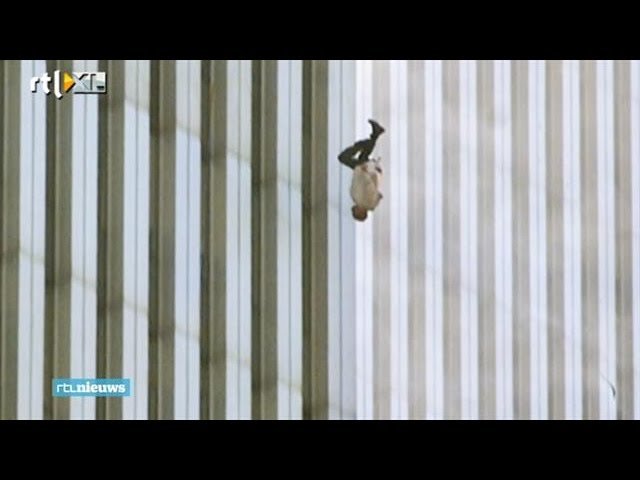
The image of September 11, 2001, is often dominated by collapsing towers and plumes of smoke. Yet, for many, the most harrowing memory involves the desperate sight of people jumping 911, individuals choosing a terrifying fall over an agonizing inferno. These were not acts of suicide, but agonizing decisions made under duress, revealing an unimaginable desperation in their final moments.
At a Glance: Understanding the Desperate Acts of 9/11 Jumpers
- Forced Choices, Not Suicides: Learn why medical authorities classified these deaths as homicide, emphasizing the extreme conditions that left no other option.
- The Unimaginable Hell: Understand the physical realities inside the burning Twin Towers that drove people to such desperate measures.
- The Human Face of Tragedy: Explore the story behind “The Falling Man” and the arduous journey to identify a single individual amidst the chaos.
- Media’s Ethical Tightrope: Discover how iconic images of the jumpers challenged journalistic standards and public sensibilities.
- A Legacy of Empathy: Reframe the narrative around these victims, moving beyond judgment to profound understanding and respect.
The Trapped: A Descent into Unimaginable Conditions
On that clear September morning, the attacks on the World Trade Center created an immediate, horrifying trap. After American Airlines Flight 11 struck the North Tower and United Airlines Flight 175 hit the South Tower, over 1,300 people in the North Tower and more than 600 in the South Tower found themselves above the impact zones, their escape routes severed. Fireball explosions and structural damage sealed stairwells, while thick, toxic smoke quickly filled floors.
The fires raged at over 2,000°F (1,090°C), melting steel and turning offices into furnaces. Survivors recalled the air becoming unbreathable, the heat unbearable, and the windows their only glimpse of the outside world. This was not a slow burn; it was an inferno that demanded immediate escape, even if that escape meant plummeting hundreds of feet.
The Unimaginable Choice: When the Fire Forces the Fall
For those trapped in the upper floors, facing intense flames, suffocating smoke, and superheated air, the choice was not between life and death, but between two forms of death. To remain meant perishing by fire or smoke inhalation, an agonizing end. To jump was to seek a swift, albeit brutal, conclusion to their suffering. This wasn’t a voluntary act of ending one’s life, but a desperate flight from immediate, overwhelming torture.
Witnesses watched in horror as an estimated 200 individuals fell from the towering infernos, nearly all from the North Tower. While a small percentage may have fallen accidentally due to structural collapse or disorienting conditions, the vast majority deliberately jumped. These desperate acts were often from windows or gaping holes, a final, autonomous decision to escape the inescapable. One chilling clip captured seven people jumping within seconds from the same side of the building, suggesting a collective, shared understanding of their grim options, rather than being propelled by debris.
The New York City medical examiner’s office recognized this distinction clearly. They classified these deaths as homicide, not suicide. The victims were “forced out by the smoke and flames or blown out,” a crucial legal and moral distinction that underscores the lack of choice in their final moments. Their deaths were a direct consequence of the terrorist attack, not an internal decision to end their lives.
Beyond the Numbers: “The Falling Man” and the Quest for Identity
While approximately 200 people were observed falling, a single image came to symbolize this horrifying aspect of the day: “The Falling Man.” Taken by Associated Press photographer Richard Drew at 9:41:15 A.M., this iconic photograph captures an unidentified man tumbling headfirst from the North Tower’s south side. Drew, who shot ten to twelve different sequences of people jumping that morning before fleeing the collapsing South Tower, inadvertently captured one of the most powerful and controversial images of the tragedy.
Upon its initial publication on September 12, 2001, on page seven of The New York Times, the photograph sparked widespread outrage. Many found it too disturbing, too intimate, and too graphic to be publicly disseminated. It appeared only once in the Times and quickly vanished from most American publications, deemed too insensitive for a grieving nation. Yet, over time, its profound artistic and historical significance grew, with some, like Elton John, later hailing it as “the most beautiful image of something so tragic.” The image of ‘people jumping 911’ became an uncomfortable truth that many initially struggled to process.
The identity of “The Falling Man” has never been officially confirmed, adding another layer of haunting mystery. Canadian journalist Peter Cheney initially speculated it could be Norberto Hernandez, a pastry chef at Windows on the World, located on the 106th floor of the North Tower. However, Hernandez’s family and subsequent investigations refuted this. American journalist Tom Junod, in a deeply researched 2003 Esquire article, conducted a meticulous review of Drew’s full twelve-photo sequence. His investigation pointed to Jonathan Briley, a 43-year-old sound engineer who also worked at Windows on the World, as the most likely subject.
Briley’s identification was corroborated by multiple sources. His brother, Timothy Briley, recognized his distinctive body type. Michael Lomonaco, the restaurant’s executive chef, also believed it was Jonathan, citing his build and a visible orange t-shirt, which Jonathan often wore. Jonathan’s sister, Gwendolyn, also supported this identification. Jonathan Briley, who suffered from asthma, would have been particularly vulnerable to the smoke and fumes rapidly filling the upper floors. Tragically, his remains were recovered the day after 9/11, underscoring the grim reality for families seeking closure. Jonathan was also the brother of Alex Briley, best known as the G.I. and police officer from the iconic band Village People. These individual narratives underscore the profound human cost behind the numbers of people jumping 911. Understanding these individual stories deepens our appreciation for the broader context of Unfathomable Acts of Desperation witnessed on that day.
The Media’s Ethical Tightrope: Bearing Witness and Public Sensitivity
The reaction to “The Falling Man” photograph highlights the intense ethical challenges faced by journalists documenting profound human suffering. Richard Drew’s decision to capture such a raw, unfiltered moment was driven by the imperative to record history, yet its immediate reception showcased the public’s deep discomfort. The image forced viewers to confront the sheer desperation and terror experienced by those trapped, a reality that many were not ready to process alongside their grief.
The initial outcry led to a near-total self-censorship of the image, illustrating a societal struggle to balance the need for truthful documentation with collective trauma and respect for the dead. Over time, however, as the initial shock subsided, a more nuanced understanding emerged. The photograph, once deemed too disturbing, is now often recognized for its undeniable historical significance and its powerful portrayal of the human spirit’s final, desperate struggle against an impossible fate. It became a testament to the horror, a solitary figure against the vast, indifferent sky, representing countless others facing the same agonizing choice.
Reframing the Narrative: From Judgment to Empathy
For years, the phrase “people jumping 911” carried a heavy, often misunderstood, connotation. There was an initial, perhaps subconscious, judgment or discomfort associated with the act. However, with time, research, and widespread journalistic efforts like Tom Junod’s, the narrative has shifted profoundly. The medical examiner’s classification was pivotal in cementing this understanding: these individuals were victims, not suicides. They were heroes in their own right, fighting for every last breath, every last moment of control, against an utterly overwhelming force.
Their acts were not a surrender to death but a final, desperate attempt to escape an agonizing one. This distinction is crucial for understanding 9/11 in its totality. It emphasizes the brutal effectiveness of the terrorist attacks in creating such inhumane conditions. Remembering the people jumping 911 means acknowledging the ultimate sacrifice, the profound terror, and the unwavering instinct for survival even in the face of annihilation.
Practical Playbook: Approaching the Stories of 9/11 Jumpers
When discussing or reflecting on the people jumping 911, an empathetic and informed approach is essential. Here’s how to ensure you’re contributing to a respectful and accurate understanding:
- Educate on the “Why”: Always contextualize the acts within the extreme conditions. Emphasize the heat, smoke, and lack of escape. This shifts the focus from the act itself to the forces that compelled it.
- Use Precise Language: Avoid terms like “committed suicide.” Instead, use phrases like “fell,” “jumped to escape,” or “were forced out.” The medical classification of “homicide” is vital to remember.
- Honor Their Dignity: These were individuals, each with a life, family, and story. Focus on the humanity of their desperate struggle rather than sensationalizing their fall. “The Falling Man” isn’t an anonymous spectacle; he’s a representation of a son, a brother, a colleague.
- Recognize Media Evolution: Understand that public perception and media handling of traumatic events can evolve. What was once deemed inappropriate for publication may later be seen as a necessary historical record. This evolution reflects society’s changing capacity to process trauma.
- Challenge Misconceptions: Be prepared to respectfully correct misinformation or insensitive remarks about the 9/11 jumpers. A compassionate approach helps ensure these victims are remembered with the dignity they deserve.
Quick Answers: Common Questions About the 9/11 Jumpers
Q: Were the people jumping 911 victims suicides?
A: No, absolutely not. The New York City medical examiner’s office officially classified their deaths as homicide. They were not choosing to end their lives but were forced out of the burning towers by extreme heat, smoke, and flames, or blown out by explosions, leaving them with no other viable option for survival.
Q: How many people jumped or fell from the Twin Towers on 9/11?
A: It is estimated that approximately 200 people were seen falling or jumping from the upper levels of the burning skyscrapers. The vast majority of these were from the North Tower, where many were trapped above the impact zone.
Q: Why did people jump instead of waiting for rescue?
A: Those who jumped were trapped in a truly desperate situation. They were often above the plane crash impact zones, with stairwells destroyed or impassable. Floors were filled with thick, toxic smoke, and temperatures reached over 2,000°F (1,090°C). These conditions meant certain, agonizing death by fire or smoke inhalation. Jumping, though horrific, was often the only perceived immediate escape from unbearable suffering.
Q: Was “The Falling Man” officially identified?
A: While never officially confirmed by authorities, extensive journalistic investigation, notably by Tom Junod, has presented compelling evidence that “The Falling Man” is Jonathan Briley, a sound engineer at Windows on the World. His identity was supported by his family members and colleagues.
Q: How did the public react to images of people jumping on 9/11?
A: Initially, images like “The Falling Man” were met with significant public criticism and outrage. Many found them too graphic and disturbing, leading to their rapid removal from most publications. Over time, however, perspectives shifted, and such images are now often viewed as critical, albeit painful, historical documents that convey the true horror and desperation of that day.
Honoring Their Final, Desperate Moments
The stories of people jumping 911 are a profound testament to the human instinct for survival, even in the most unspeakable circumstances. These were not choices made lightly, but final, desperate acts by individuals facing an unthinkable end. Their tragic falls underscore the horrific nature of the attacks and the unimaginable conditions within the Twin Towers. By understanding their plight, we ensure they are remembered not as statistics, but as human beings pushed to the absolute limits of endurance, whose final moments reveal an unfathomable act of desperation and a harrowing fight for dignity against an impossible foe. Their stories compel us to remember the full, devastating scope of 9/11 with empathy, respect, and an enduring commitment to truth.










