Imagine a world where glistening stones not only captivated the eye but also whispered tales of ancient history, carried profound significance, and even promised protection or prosperity. This isn’t a fantasy; it’s the very real enchantment of birthstones. Far more than just beautiful gems adorning jewelry, these mystical treasures are deeply woven into the fabric of human culture, each possessing unique birthstone meanings and a rich tapestry of birthstone trivia.
In this ultimate guide, we’ll embark on an illuminating journey to unravel the hidden secrets behind these captivating precious gems. From their earliest origins to their modern-day interpretations, we’ll explore every facet of birthstones, ensuring you gain a world-class understanding that will enthrall and inform. Prepare to uncover the powers, legends, and allure that make each month’s gem truly special.
The Ancient Roots of Birthstones: A Journey Through Time
The concept of associating specific gems with particular periods isn’t new; it’s a tradition steeped in millennia of history, evolving through various cultures and belief systems. Understanding these origins helps reveal the profound birthstone meanings we cherish today.
Biblical Beginnings: The Breastplate of Aaron
The earliest known precursor to modern birthstones dates back to biblical times, specifically to the Old Testament book of Exodus. Here, the High Priest Aaron was commanded to wear a ceremonial breastplate adorned with twelve different precious gems, each engraved with the name of one of the twelve tribes of Israel. These stones were arranged in four rows, three stones per row. While the exact identification of all these ancient gems is debated by scholars, this breastplate is widely considered the foundational inspiration for connecting specific stones with individual identity. It hinted at the idea that different birthstones could hold unique power and representation.
Greco-Roman Influences and Astrological Connections
As centuries passed, the tradition evolved. During the 1st and 5th centuries AD, Jewish scholars began to associate the twelve stones of Aaron’s breastplate with the twelve months of the year and the twelve signs of the zodiac. This astrological link suggested that wearing the gem corresponding to one’s birth month could harness its inherent powers, offering protection, good fortune, and specific benefits. It became common practice to own all twelve stones and wear a different one each month, believing that the power of each specific gem was heightened during its corresponding time. This is a fascinating piece of birthstone trivia that shows how the tradition was once much more dynamic.
The Evolution of Modern Birthstone Lists
The practice of wearing only a single birthstone corresponding to one’s birth month gained popularity in 16th-century Germany and 18th-century Poland. However, there was no standardized list, leading to regional variations, and often, gems were chosen based on color rather than specific mineralogical identity.
The official standardization arrived in 1912 when the National Association of Jewelers (now Jewelers of America) in the United States established a definitive list of modern birthstones. This list aimed to modernize and standardize the tradition, often replacing rarer or more expensive precious gems with more accessible alternatives. Over time, further additions and modifications have been made, leading to some months having multiple options, allowing for personal preference and a broader spectrum of birthstone meanings. This continuous evolution underscores the enduring appeal of these precious gems.
Decoding Birthstone Meanings: What Your Gem Reveals
Each birthstone is more than just a sparkle; it’s a symbolic anchor, carrying historical weight, cultural lore, and specific attributes believed to influence its wearer. Let’s delve into the individual birthstone meanings for each month, exploring the fascinating birthstone trivia and the nature of these precious gems.
January: Garnet – A Symbol of Trust and Protection
- Appearance: Garnets are most commonly known for their deep, fiery red, a color reminiscent of pomegranate seeds (from which their name is derived). However, this versatile
gemcomes in a stunning array of colors, including vibrant greens (tsavorite), oranges (spessartite), and purplish-reds (rhodolite). - Meaning: The garnet is a symbol of protection, strength, and unwavering truth. It’s believed to bring good health, banish nightmares, and offer guidance in the dark. Historically, explorers wore garnets as talismans against harm, and it’s also associated with passion, love, and friendship.
- Trivia: Ancient Egyptians wore garnets as personal adornments and buried them with their mummified dead. They were also popular
gemsin ancient Rome, used in signet rings.
February: Amethyst – Stone of Serenity and Royalty
- Appearance: Amethyst is famous for its captivating shades of purple, ranging from pale lavender to deep, rich violet. It’s a variety of quartz, its color coming from iron impurities and natural irradiation.
- Meaning: This
precious gemis strongly associated with peace, sobriety, and spiritual growth. The name “amethyst” comes from the Greek word “amethystos,” meaning “not intoxicated,” as it was believed to ward off drunkenness. It encourages clarity of mind, inner strength, and enhances creativity and intuition. - Trivia: Amethyst was once considered as valuable as rubies and emeralds, making it a favorite among royalty and high clergy. Leonardo da Vinci believed amethyst could dissipate evil thoughts and quicken intelligence.
March: Aquamarine & Bloodstone – Courage and Vitality
- Aquamarine
- Appearance: Aquamarine, literally “water of the sea,” boasts serene blues and blue-greens, evoking the tranquility of the ocean. It’s a member of the beryl family, alongside emeralds.
- Meaning: Symbolizing courage, clarity, and communication, aquamarine is believed to protect sailors and ensure safe passage. It’s thought to calm fears, clear the mind, and enhance eloquence.
- Trivia: Ancient Romans believed aquamarine absorbed the essence of the ocean and would engrave frog figures on them to reconcile enemies.
- Bloodstone
- Appearance: Bloodstone is a dark green jasper with distinctive red or orange-red spots caused by iron oxide.
- Meaning: This
gemsignifies health, strength, and courage. Ancient warriors carried bloodstone for protection and to staunch bleeding. It’s also associated with vitality and grounding. - Trivia: In ancient Babylon, bloodstone was used by healers and diviners, and some Christian legends claim the red flecks represent the blood of Christ.
April: Diamond – The Emblem of Eternal Love
- Appearance: Renowned for its unparalleled brilliance and hardness, diamonds are typically colorless, though they can occur in a spectrum of fancy colors like pink, blue, yellow, and green. They are the hardest known natural substance.
- Meaning: The diamond is the ultimate symbol of eternal love, purity, and invincibility. It represents strength, clarity, and enduring commitment, making it the most popular
gemfor engagement rings. - Trivia: The word “diamond” comes from the Greek “adamas,” meaning “unbreakable” or “invincible.” Ancient Hindus used diamonds in the eyes of their devotional statues, believing they offered protection from evil.
May: Emerald – Growth, Renewal, and Prosperity
- Appearance: Emeralds are celebrated for their rich, vibrant green hue, a color synonymous with spring and renewal. Like aquamarine, it’s a beryl, its specific green derived from trace amounts of chromium and vanadium.
- Meaning: This magnificent
precious gemsymbolizes new beginnings, growth, fertility, and prosperity. It’s believed to promote wisdom, balance, and inner peace, enhancing intuition and foresight. - Trivia: Cleopatra’s passion for emeralds was legendary; she extensively used them in her royal adornments. Ancient Romans believed emeralds were beneficial for eyesight, often gazing into them to relieve eye strain.
June: Pearl, Alexandrite, & Moonstone – Purity, Change, and Intuition
- Pearl
- Appearance: Unlike most
gems, pearls are organic, formed within the soft tissue of living mollusks. They typically range from creamy white to black, with various overtones and lusters. - Meaning: Pearls symbolize purity, innocence, and modesty. They are also associated with wisdom, integrity, and calm.
- Trivia: Ancient Greeks believed pearls were solidified tears of joy from Aphrodite, the goddess of love.
- Appearance: Unlike most
- Alexandrite
- Appearance: This exceedingly rare and captivating
precious gemis famous for its “color-change” phenomenon, appearing emerald green in daylight and ruby red under incandescent light. - Meaning: Alexandrite represents balance, good fortune, and creativity. It’s often associated with self-esteem and joy, bringing harmony to its wearer.
- Trivia: Discovered in Russia’s Ural Mountains in 1830 on the future Czar Alexander II’s birthday, its red and green colors matched the military colors of Imperial Russia, hence its name.
- Appearance: This exceedingly rare and captivating
- Moonstone
- Appearance: Moonstone exhibits a unique adularescence – a milky, bluish-white sheen that glides across its surface, resembling moonlight. It comes in various colors, including peach, gray, and rainbow.
- Meaning: Associated with intuition, emotional balance, and new beginnings, moonstone is believed to enhance feminine energy, promote inspiration, and offer protection to travelers.
- Trivia: In some cultures, moonstone is believed to contain a divine spirit and is considered a sacred
gem.
July: Ruby – Passionate Love and Unyielding Power
- Appearance: Rubies are celebrated for their intense, vibrant red, often called “pigeon’s blood” red for the most coveted specimens. They are a variety of corundum, second only to diamonds in hardness.
- Meaning: This magnificent
precious gemsymbolizes passionate love, vitality, and courage. Known as the “king ofgems,” rubies are believed to bring good fortune, protect the wearer from evil, and inspire leadership. - Trivia: Ancient Hindus called the ruby “ratnaraj,” which means “king of
precious gems.” In medieval Europe, rubies were thought to guarantee health, wealth, wisdom, and success in love.
August: Peridot & Spinel – Radiance and Inspiration
- Peridot
- Appearance: Peridot is distinguished by its vibrant, fresh green color, often with a golden tint. It’s one of the few
gemsthat only occurs in one color. - Meaning: This
gemis associated with strength, protection, and warding off evil spirits. It’s also believed to inspire creativity, bring good cheer, and attract love and harmony. - Trivia: Peridot is often found in volcanic rock and has even been discovered in meteorites, earning it the nickname “extraterrestrial
gem.”
- Appearance: Peridot is distinguished by its vibrant, fresh green color, often with a golden tint. It’s one of the few
- Spinel
- Appearance: Spinel comes in a wide range of colors, including vibrant reds, pinks, oranges, purples, and blues. For centuries, red spinel was often mistaken for ruby.
- Meaning: Spinel symbolizes hope, revitalization, and overcoming obstacles. It’s believed to encourage self-esteem and bring new energy to its wearer.
- Trivia: Some of the most famous “rubies” in history, like the “Black Prince’s Ruby” in the British Crown Jewels, were later identified as red spinel. This is a crucial piece of birthstone trivia highlighting its historical confusion with other
precious gems.
September: Sapphire – Wisdom, Loyalty, and Nobility
- Appearance: While most famous for its stunning true blue, sapphire, another variety of corundum, comes in almost every color of the rainbow (known as “fancy sapphires”), except red (which would be a ruby).
- Meaning: Sapphire is the
gemof wisdom, loyalty, nobility, and truth. It’s believed to bring protection, good fortune, and spiritual insight. It was historically favored by royalty and clergy to signify wisdom and purity. - Trivia: The word “sapphire” is derived from the Latin “sapphirus” and Greek “sappheiros,” both meaning “blue stone.” Marco Polo found large sapphires in Sri Lanka, a major source for this
precious gem.
October: Opal & Tourmaline – Creativity and Hope
- Opal
- Appearance: Opal is unique for its “play-of-color” – a mesmerizing iridescent shimmer that displays all the colors of the spectrum. It can be white, black, gray, or even fire opal (orange/red).
- Meaning: Opal symbolizes hope, purity, and truth. It’s believed to enhance creativity, alleviate depression, and inspire love and passion.
- Trivia: Ancient Romans considered opal to be the most
precious gemof all, combining the beauty of all other gemstones.
- Tourmaline
- Appearance: Tourmaline boasts the widest color range of any
gemspecies, often displaying multiple colors within a single crystal (e.g., “watermelon” tourmaline). - Meaning: Tourmaline is associated with creativity, healing, and emotional balance. Different colors are believed to carry different meanings, from grounding (black) to love (pink).
- Trivia: Ancient mystics believed tourmaline could inspire artistic expression. It was originally thought to be a variety of other
gemsuntil the 1800s.
- Appearance: Tourmaline boasts the widest color range of any
November: Topaz & Citrine – Warmth, Joy, and Abundance
- Topaz
- Appearance: Topaz comes in a wide array of colors, including yellow, orange, pink, brown, red, purple, and colorless. Blue topaz is very popular but is usually treated. Imperial topaz (golden orange-yellow) is one of the most valuable varieties.
- Meaning: Topaz symbolizes strength, intelligence, and good fortune. It’s believed to provide healing energy, ward off negative emotions, and bring joy and abundance to the wearer.
- Trivia: The word “topaz” likely comes from Topazios, the ancient Greek name for an island in the Red Sea (now Zabargad), which was a source of peridot, often confused with yellow topaz.
- Citrine
- Appearance: Citrine is a yellow to reddish-orange variety of quartz, similar to amethyst. Its warm, sunny hues are reminiscent of golden sunlight.
- Meaning: Citrine represents joy, success, and prosperity. Often called the “merchant’s stone,” it’s believed to attract wealth and abundance, promote positive energy, and boost self-confidence.
- Trivia: Many citrines on the market are heat-treated amethysts. Natural citrine is rarer and typically a paler yellow.
December: Turquoise, Zircon, & Tanzanite – Fortune and Tranquility
- Turquoise
- Appearance: Turquoise is famous for its opaque, sky-blue to blue-green color, often with a matrix of brown or black veins.
- Meaning: Turquoise symbolizes protection, good fortune, and tranquility. It’s believed to bring good luck, promote healing, and foster honest communication.
- Trivia: For thousands of years, turquoise has been considered a sacred
gemby many cultures, including Native American tribes and ancient Egyptians, who used it in monumental jewelry.
- Zircon
- Appearance: Natural zircon can be colorless, blue, yellow, green, brown, or red. Its brilliance and fire (dispersion) are very high, making it sparkle intensely.
- Meaning: Zircon is associated with wisdom, honor, and prosperity. It is believed to bring restful sleep, ward off evil, and promote clear thinking.
- Trivia: Zircon is one of the oldest minerals on Earth, with some samples dating back over 4 billion years. Do not confuse it with cubic zirconia, a synthetic diamond simulant.
- Tanzanite
- Appearance: A relatively new
precious gemdiscovery, tanzanite is celebrated for its mesmerizing velvety blue-violet to purplish-blue color, often exhibiting pleochroism (appearing different colors from various angles). - Meaning: Tanzanite symbolizes sophistication, vision, and spiritual insight. It’s believed to inspire compassion, calm, and foster communication.
- Trivia: Discovered in Tanzania in 1967, it was named by Tiffany & Co. due to its geographical origin. Its rarity makes it a truly unique
precious gem.
- Appearance: A relatively new
Beyond the Calendar: Fascinating Birthstone Trivia and Lore
The allure of birthstones extends far beyond their monthly assignments. Their unique properties, historical roles, and cultural significance offer a wealth of intriguing birthstone trivia that deepens our appreciation for these precious gems.
Just as birthstones have fascinating historical roots and often come in pairs, you might be surprised at some of the other intriguing cultural references, like the fun facts surrounding the number 22, explored in detail at our partner site. facts surrounding number.
Rare and Alternative Birthstones: Expanding Your Choices
While the modern birthstone list is widely accepted, historical and regional variations offer delightful alternatives. For example, March traditionally included Jasper, while Sardonyx was an alternative for August. Before the standardization of Alexandrite, Agate was also associated with June. These alternative gems often carry equally compelling birthstone meanings and allow for greater personalization. Many gem enthusiasts enjoy exploring these less common options to find a gem that resonates more profoundly with their personal story or aesthetic. This expanded choice showcases the rich diversity within the world of birthstones.
The Healing Powers and Mystical Properties of Precious Gems
For millennia, various cultures have attributed mystical and healing properties to birthstones and precious gems. While modern science does not endorse these claims, the beliefs persist and add a layer of enchantment to these stones.
- Amethyst (February): Believed to calm the mind, relieve stress, and promote spiritual awareness. Often used in meditation.
- Emerald (May): Thought to assist in healing eye ailments and to promote rejuvenation.
- Ruby (July): Historically believed to restore vitality, increase energy levels, and even to stop bleeding.
- Opal (October): Some cultures believed it could enhance psychic abilities and bring vivid dreams.
- Garnet (January): Associated with regenerating the body and stimulating metabolism.
These ancient beliefs underscore the deep human connection to the natural world and the desire to find meaning and aid in the beauty of gems.
Birthstones in Different Cultures: A Global Perspective
The tradition of birthstones isn’t confined to Western culture. Many civilizations around the globe have their own unique systems of associating gems with specific periods or attributes, sometimes differing significantly from the modern Western list.
- Ayurvedic Tradition (India): Also known as Vedic birthstones, this system uses nine
gems(Navaratna) associated with planetary influences, often determined by one’s astrological chart rather than a fixed month. Thebirthstone meaningshere are deeply tied to cosmic energy. - Tibetan Birthstones: An ancient system that associates specific
gemswith zodiac signs, often including stones like Agate, Lapis Lazuli, and Jade. - Polish Tradition: Historically, Polish birthstone lists varied, with some months featuring entirely different birthstones than their modern counterparts, such as Hyacinth for February.
These global variations highlight the universal human fascination with gems and their symbolic power, showcasing the diverse ways cultures interpret birthstone meanings.
Famous Birthstones and Their Owners
Throughout history, precious gems have adorned royalty, celebrities, and historical figures, often increasing their mystique. These stories make for compelling birthstone trivia.
- Diamonds (April): The most famous
precious gems, diamonds have graced countless engagement rings of public figures, from Queen Elizabeth II to Elizabeth Taylor, solidifying their status as symbols of enduring love. - Emeralds (May): Cleopatra’s legendary collection of emeralds solidified their association with power and royalty. High-quality emeralds have also been found in the collections of various European monarchs.
- Rubies (July): The
precious gemfavored by kings and emperors, rubies appear in many royal regalia and historical treasures, symbolizing unyielding power and protection.
These iconic gems and their storied owners further elevate the appeal and perceived significance of birthstones.
The Science of Sparkle: Understanding Precious Gems
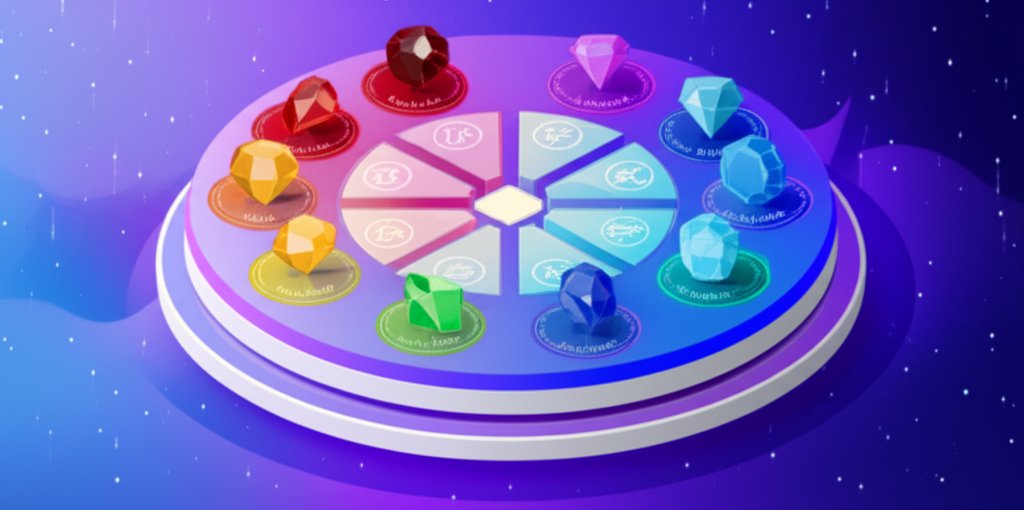
Beyond their mystical allure and historical birthstone meanings, precious gems are fascinating natural wonders defined by specific geological and physical characteristics. Understanding these properties allows for a deeper appreciation of what makes each birthstone unique.
What Makes a Gemstone “Precious”?
Historically, a distinction was made between “precious” and “semi-precious” gems. Only diamonds, rubies, sapphires, and emeralds were considered “precious,” largely due to their rarity and hardness. Today, gemologists consider this distinction outdated. The true value of any gem – whether a birthstone or not – is determined by several factors:
- Rarity: How scarce is the
gemin nature? Tanzanite, for example, is rarer than diamond. - Durability: How hard is it (resistance to scratching)? How tough is it (resistance to breaking)? The Mohs scale of hardness measures this.
- Beauty: This is subjective but includes factors like color, clarity, cut, and brilliance.
- Demand: Market trends and cultural significance play a significant role.
Therefore, many birthstones like amethyst, aquamarine, and peridot, while not historically labeled “precious,” can still command high value, especially if they exhibit exceptional quality.
Key Characteristics: Cut, Color, Clarity, Carat
The “4 Cs” are universal standards for evaluating gems, most famously applied to diamonds, but relevant to all precious gems including birthstones:
- Color: For colored
gems, ideal color saturation is crucial. A deep, vivid green emerald is more valuable than a pale one. For diamonds, the absence of color is generally preferred, though fancy colored diamonds are an exception. - Clarity: Refers to the absence of inclusions (internal flaws) and blemishes (external imperfections). Fewer flaws mean higher clarity and usually higher value.
- Cut: This refers to how well a
gemhas been faceted and polished, which impacts its brilliance and sparkle. An excellent cut can make a smallergemappear more vibrant. - Carat: This is the unit of weight for
gems(1 carat = 200 milligrams). Largergemsare generally rarer and thus more valuable, assuming other Cs are equal.
Understanding these characteristics helps in appreciating the quality and value of your chosen birthstone or any precious gem.
Identifying and Caring for Your Birthstones
Identifying authentic gems can be complex and often requires professional gemological tools. However, general knowledge about a gem’s properties (hardness, specific gravity, refractive index) can give clues. Always purchase birthstones from reputable jewelers who provide certification for valuable precious gems.
Caring for your birthstones is essential to maintain their beauty:
- Cleaning: Most
gemscan be cleaned with warm soapy water and a soft brush. Avoid harsh chemicals. Somegemslike opals are porous and should only be cleaned with a soft, damp cloth. - Storage: Store
gemsseparately to prevent scratching, especially harderprecious gemslike diamonds and sapphires from scratching softer ones. - Wear: Be mindful when wearing
gemsduring strenuous activities. Somegems(like opals or pearls) are softer and more prone to damage. Avoid extreme temperature changes for certain stones.
Proper care ensures your birthstone remains a dazzling symbol of your identity for years to come.
Choosing Your Birthstone: A Personal Connection
The journey through birthstone mysteries culminates in a personal choice. Whether you adhere strictly to tradition or seek a gem that speaks to your soul, your birthstone is a deeply personal statement.
More Than Just Your Birth Month: Personal Resonance
While traditionally linked to your birth month, the concept of a “birthstone” can be expanded. Many people choose a gem simply because its specific birthstone meanings resonate with them, or because its color or energy aligns with their personality or aspirations. You might find yourself drawn to the courage of a ruby, even if you weren’t born in July, or the calming energy of an amethyst regardless of your birth month. Some cultures also have zodiac gems or planetary gems that offer alternative choices. The ultimate goal is to find a gem that feels authentically yours.
Gifting Birthstones: A Meaningful Gesture
Gifting a birthstone is one of the most thoughtful and personal gestures. It demonstrates care and consideration, offering a piece of precious gem jewelry that is uniquely tied to the recipient’s identity or the sentiment you wish to convey. Whether it’s a necklace, a ring, or a pair of earrings featuring their specific birthstone, it becomes a cherished keepsake, imbued with both aesthetic beauty and profound personal birthstone meanings. It’s a way to celebrate someone’s existence and offer a tangible link to their unique story.
Conclusion
From the ancient breastplate of Aaron to the modern-day sparkle of a diamond, birthstones continue to enchant and inspire. These aren’t just gems; they are miniature time capsules, each packed with historical birthstone trivia, profound birthstone meanings, and the timeless allure of precious gems. By understanding their origins, symbolic significance, and gemological properties, we unlock a deeper appreciation for the personal power and beauty they hold.
Embrace your birthstone – or the gem that calls to you – and let its unique story become an integral part of your own narrative. Wear it as a symbol of protection, a reminder of your strengths, or a beacon of your aspirations. The world of birthstone mysteries is waiting for you to uncover its magic.
FAQ
Question 1: What is the most powerful birthstone?
Answer 1: While “power” is subjective and often tied to ancient beliefs rather than scientific fact, traditionally, birthstones like the Ruby (July) are often associated with great power, vitality, and protection due to their historical significance and vibrant color. Diamonds (April) are also considered immensely powerful due to their unparalleled hardness and symbolic meaning of invincibility. Ultimately, the “most powerful” gem is often the one that resonates most deeply with an individual’s personal beliefs and birthstone meanings.
Question 2: Can I wear a different month’s birthstone?
Answer 2: Absolutely! While the tradition links specific gems to birth months, there is no rule against wearing any birthstone or gem that you love. Many people choose gems based on their aesthetic appeal, the specific birthstone meanings they convey (e.g., wearing an Amethyst for serenity even if you weren’t born in February), or simply because they enjoy










