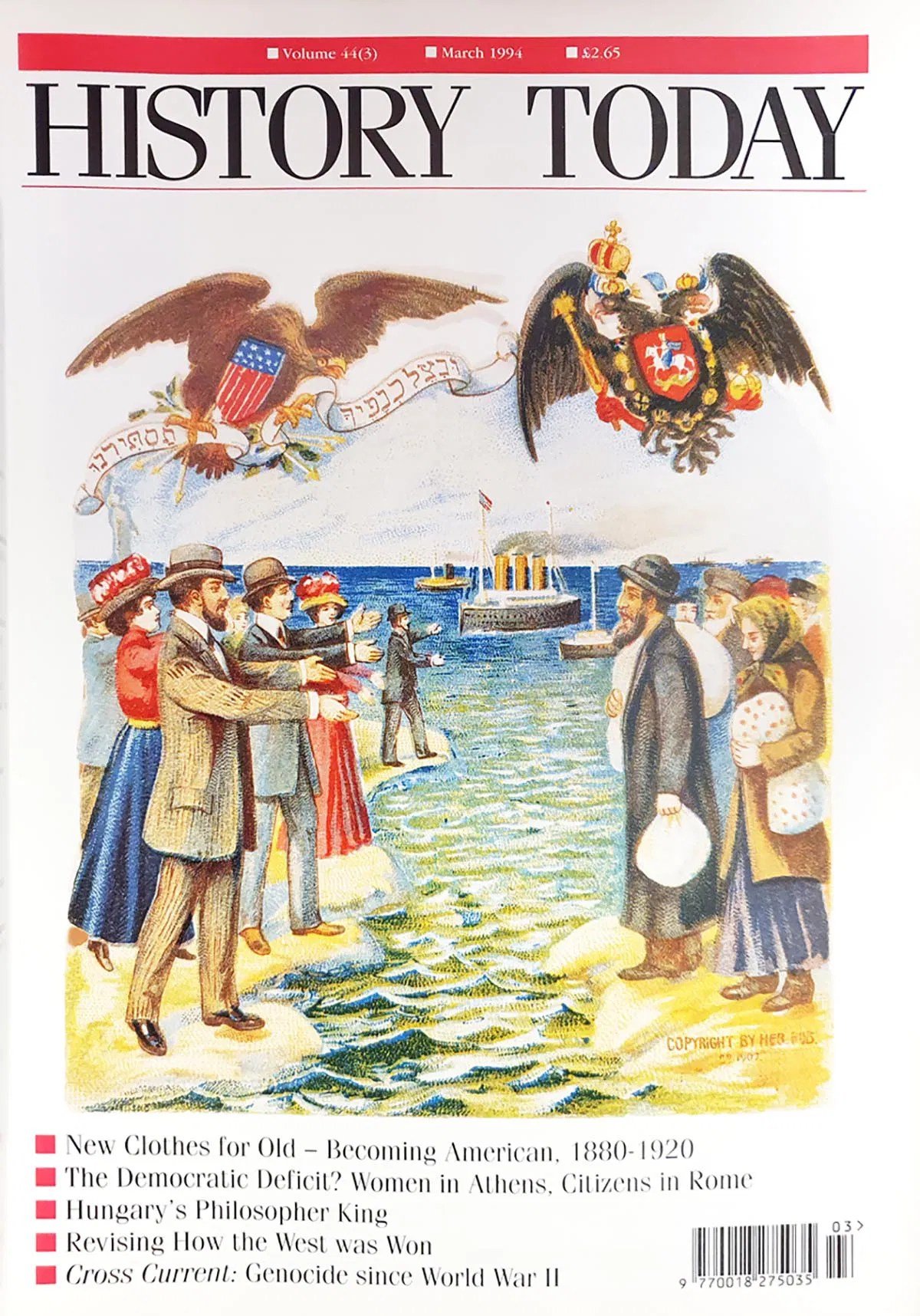
March 1994 wasn’t just another month on the calendar; it was a pivot point, a moment where the sensational collided with the significant. While the world watched in stunned fascination as figure skater Tonya Harding made her historic felony plea, beneath that media storm, a rich tapestry of cultural shifts, geopolitical rumblings, and technological breakthroughs was quietly, or not so quietly, unfolding. Understanding what happened in March 1994 means not only revisiting a defining sports scandal but also appreciating the broader currents shaping the year that would launch pop culture titans like Friends and The Lion King.
At a Glance: March 1994’s Defining Moments
- The Ice Scandal Culmination: Tonya Harding’s guilty plea on March 16th capped a dramatic saga that captivated global audiences, forever changing the landscape of sports celebrity and media scrutiny.
- A Shift in Global Governance: From new presidencies in Finland and Chile to critical referendums and the activation of major climate treaties, the month saw significant international diplomatic and political movements.
- Cultural and Entertainment Milestones: Major awards ceremonies honored top artists, iconic films like “Schindler’s List” received their due, and a future pop icon, Justin Bieber, entered the world.
- Technological Foundations Laid: The release of Linux kernel 1.0.0 marked a pivotal moment for open-source software, a quiet revolution with profound long-term impact.
- Social Progress and Breaking Barriers: The ordination of the first female priests in the Church of England and Zaha Hadid’s Pritzker Prize win signaled important advancements in gender equality and recognition.
The Unforgettable Ice Storm: Tonya Harding’s Plea
The saga of Tonya Harding and Nancy Kerrigan had dominated headlines since the shocking attack in January 1994, transforming Olympic figure skating into a tabloid spectacle. By March, the intense legal and media pressure reached its zenith. On March 16, 1994, Tonya Harding pleaded guilty in Portland, Oregon, to hindering the prosecution of the attack on her rival, Nancy Kerrigan. This wasn’t a confession to direct involvement in the assault itself, but an admission that she knew about the plot after the fact and failed to report it.
The plea deal was complex, stripping Harding of her 1994 U.S. championship title, banning her from the U.S. Figure Skating Association for life, and imposing a $100,000 fine along with three years of probation. It was an unprecedented fall from grace for an athlete, marking the definitive end of her competitive career in professional figure skating. The event was a watershed moment, illustrating the raw power of media scrutiny and the blurred lines between sportsmanship, personal ambition, and legal consequence. It demonstrated how quickly public opinion could turn and how an individual’s story, amplified by an insatiable news cycle, could overshadow even the grandest international events, setting a precedent for celebrity justice in the digital age.
Beyond the Rink: Global Shifts and Geopolitical Echoes
While the Harding scandal gripped the US, the international stage in March 1994 was buzzing with pivotal developments that would shape the rest of the decade.
- Political Transitions and Elections:
- March 1: Martti Ahtisaari was inaugurated as the 10th President of Finland, beginning a tenure that would see Finland join the European Union.
- March 11: Eduardo Frei Ruiz-Tagle became the 31st President of Chile, marking a significant step in the country’s return to democratic governance after years of military rule.
- March 20: El Salvador held its first presidential election after a brutal 12-year civil war, a crucial moment for peace and rebuilding in the nation.
- March 27: Silvio Berlusconi’s center-right coalition secured victory in the Italian general elections, launching his controversial but defining political career as Prime Minister.
- International Security and Stability:
- March 4: Four Arab terrorists were convicted for the devastating 1993 World Trade Center bombing, bringing a measure of justice to an early act of modern terrorism on US soil.
- March 6: In a significant referendum, over 90% of Moldovan voters rejected reunification with Romania, firmly establishing Moldova’s path as an independent state.
- March 9: The IRA launched a mortar attack on London’s Heathrow Airport, a stark reminder of ongoing tensions in Northern Ireland and the reach of paramilitary groups.
- March 23: Luis Donaldo Colosio, the leading Mexican presidential candidate, was assassinated during a campaign rally in Tijuana, sending shockwaves through Mexico’s political landscape and raising questions about stability and corruption.
- March 25: The last U.S. troops departed Somalia, concluding a 15-month mission that had begun as a humanitarian effort but evolved into a complex and often perilous peacekeeping operation. This withdrawal underscored the challenges of international intervention.
These events collectively painted a picture of a world in flux, grappling with post-Cold War dynamics, regional conflicts, and the delicate process of democratic transition.
Cultural Currents and Entertainment Milestones
March 1994 was also a vibrant month for arts, entertainment, and social change, setting the stage for the broader pop culture explosion that would define the year.
- Awards Season Highlights:
- March 1: The 36th Grammy Awards celebrated musical excellence, with Whitney Houston taking home a coveted award for “I Will Always Love You,” cementing her status as a global superstar.
- March 15: The 8th Soul Train Music Awards saw Houston and Toni Braxton each claim two awards, further highlighting the dominance of female vocalists in R&B and pop. Houston also received the prestigious Sammy Davis Jr. Award for Entertainer of the Year.
- March 20: The 66th Academy Awards recognized the cinematic achievements of the previous year. Steven Spielberg’s poignant Holocaust drama, “Schindler’s List,” swept the major categories, winning Best Picture. Tom Hanks earned Best Actor for his transformative role in “Philadelphia,” and Holly Hunter took home Best Actress for “The Piano.”
- New Beginnings and Milestones:
- March 1: A future pop culture sensation was born: Justin Bieber. While still decades from his global fame, his birth on this day is a fun footnote in a month full of beginnings.
- March 12: In a landmark decision, the Church of England ordained its first 32 female priests at Bristol Cathedral, with Angela Berners-Wilson becoming the very first woman to be ordained. This was a profound moment of social and religious reform, reflecting changing attitudes towards gender roles within institutions.
- March 20: In the world of professional wrestling, Bret Hart won the WWF Championship at WrestleMania X, a highlight for sports entertainment fans.
- March 22: Iraqi-British architect Zaha Hadid broke significant ground, becoming the first woman to win architecture’s prestigious Pritzker Prize. Her groundbreaking work challenged conventional design, and this recognition was a testament to her unique vision and influence.
These cultural moments, from the glitz of awards shows to historic ordinations and architectural accolades, showcased a society evolving in its values and celebrated achievements across diverse fields. While Friends, The Lion King, and PlayStation were still on the horizon, March 1994 was already laying the groundwork for a year of massive shifts across culture and technology. Discover 1994’s pop culture milestones to understand the full scope of this transformative year.
Tech Frontiers and Scientific Leaps
Beyond the headlines and entertainment, March 1994 also quietly ushered in advancements that would have far-reaching implications for our digital world and understanding of the planet.
- The Dawn of Linux 1.0.0: On March 14, the Linux kernel version 1.0.0 was officially released. This might seem like a niche event, but it was monumental for the open-source movement. Linux, a free and open-source operating system, provided an alternative to proprietary software, fueling innovation and becoming the backbone of countless servers, embedded systems, and eventually, Android devices. Its release heralded a paradigm shift in how software could be developed and shared, democratizing access to powerful computing.
- Addressing Climate Change: On March 21, the United Nations Framework Convention on Climate Change (UNFCCC) officially entered into force. This international environmental treaty, negotiated at the Earth Summit in Rio de Janeiro in 1992, aimed to stabilize greenhouse gas concentrations in the atmosphere to prevent dangerous anthropogenic interference with the climate system. Its activation was a critical step in global efforts to combat climate change, setting the stage for future agreements like the Kyoto Protocol and the Paris Agreement.
- Space Exploration: The Space Shuttle program continued its vital work with two missions in March. Space shuttle STS-62 (Columbia 16) launched on March 4 and landed successfully on March 18, demonstrating ongoing human presence and scientific research in low Earth orbit. These missions were crucial for scientific experimentation and maintaining orbital capabilities.
These events, though less sensational than a sports scandal, underscore the ongoing march of scientific discovery and technological innovation, laying foundational elements for the interconnected, environmentally conscious world we inhabit today.
Moments of Record and Human Endeavor
March 1994 also had its share of triumphs and tragedies, demonstrating the varied experiences of human life and ambition.
- Athletic Prowess:
- March 6: British hurdler Colin Jackson set a new world record in the 60m hurdles indoor, achieving an astounding 7.30 seconds. This athletic feat showcased the pinnacle of human speed and agility.
- March 21: Hockey legend Wayne Gretzky tied Gordie Howe’s revered NHL record of 801 goals, a testament to his enduring skill and impact on the sport. This moment further cemented his status as one of hockey’s greatest.
- Unusual Records:
- March 19: In a display of culinary ambition, the largest omelette on record, measuring an incredible 1,383 square feet and requiring 160,000 eggs, was created in Yokohama, Japan. Such quirky records highlight human creativity and willingness to push boundaries in unexpected ways.
- Tragedy and Remembrance:
- March 19: The Konginkangas bus disaster in Finland resulted in 24 deaths, a sobering reminder of the fragility of life and the impact of unforeseen accidents.
- March 31: Cesar Chavez Day was observed in the United States to honor the legacy of the labor leader, a day to reflect on his contributions to workers’ rights and social justice.
These diverse events, from setting athletic records to mass culinary feats and solemn remembrances, capture the multifaceted human experience that characterized March 1994.
Quick Answers: Unpacking the March 1994 Vibe
Q: Was March 1994 solely defined by the Tonya Harding scandal?
A: Absolutely not. While the Tonya Harding guilty plea on March 16th was a dominant media story, March 1994 was a month of significant global events, including major political transitions (Finnish, Chilean, Italian elections), critical UN treaties entering force (UNFCCC), and key technological releases (Linux 1.0.0). These broader events often had far more profound and lasting impacts on the world.
Q: What was the significance of Linux 1.0.0’s release?
A: The release of Linux kernel 1.0.0 on March 14th was a quiet revolution. It provided a robust, free, and open-source operating system, challenging the dominance of proprietary software. This laid the groundwork for the widespread adoption of open-source technology, powering everything from web servers and supercomputers to mobile devices (like Android), fundamentally changing software development and global digital infrastructure.
Q: How did global politics shift in March 1994?
A: March 1994 saw several critical political developments. New presidents took office in Finland and Chile, signaling democratic transitions. Moldova decisively voted against reunification with Romania, affirming its independence. The assassination of Mexican presidential candidate Luis Donaldo Colosio created significant political instability, while Silvio Berlusconi’s election in Italy marked the beginning of a new, often controversial, political era for the country. These events collectively reflected a post-Cold War world grappling with sovereignty, democracy, and regional stability.
Stepping Into a New Era
March 1994 stands as a testament to a year of profound transformation. The highly publicized drama of Tonya Harding’s plea may have captured the zeitgeist, reflecting a growing public appetite for celebrity scandal and the sensationalism of sports. Yet, beneath this singular focus, the month was a crucible of diverse events: the quiet launch of Linux 1.0.0 setting a course for digital innovation, critical climate treaties taking force, and significant shifts in global leadership and social norms. As the world moved on from the Winter Olympics and geared up for the impending cultural explosions of Friends and The Lion King, March 1994 served as a potent reminder that history is rarely defined by just one story, but by a confluence of interconnected moments shaping the human experience. It was a month where the seeds of the future were sown, both dramatically and subtly, paving the way for the remainder of a truly pivotal year.










