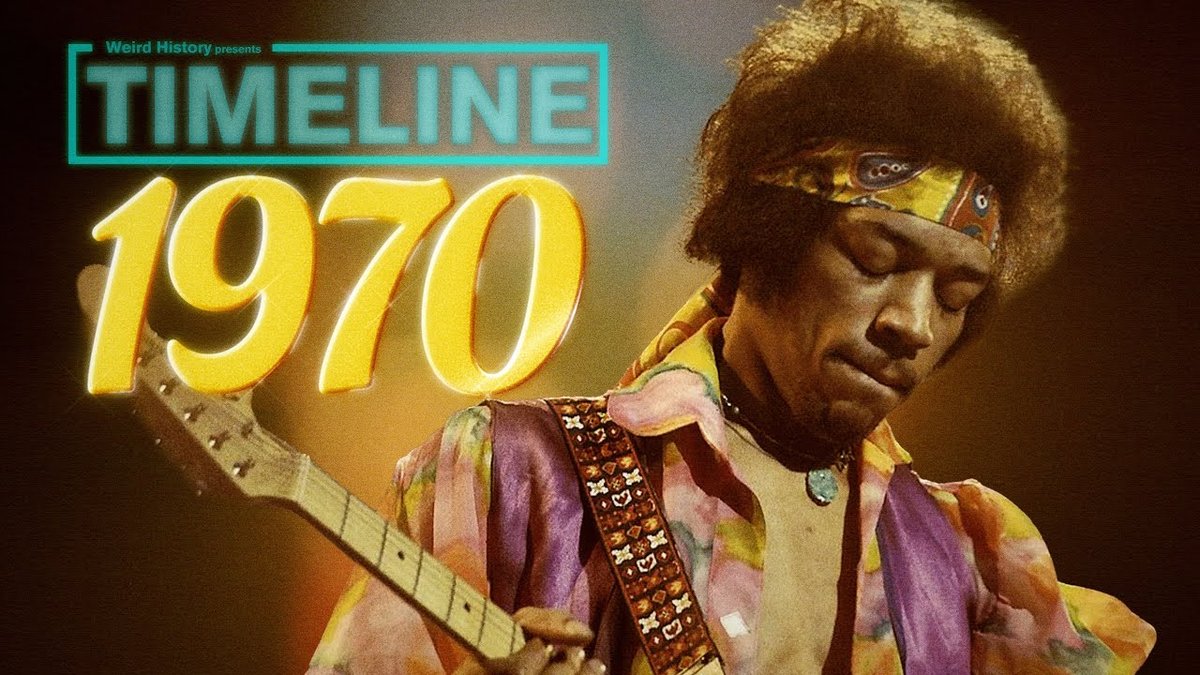
If you want to understand modern America, you have to understand what was going on during the 1970s. It wasn’t just a decade of bell-bottoms and disco; it was a grueling, ten-year hangover from the sixties’ party. The optimism of the post-war boom finally collided with the hard realities of political corruption, economic stagnation, and the painful end of an unwinnable war. This was the decade that stripped away the nation’s confidence, forcing a profound and often painful period of reinvention.
The 70s were a crucible. They burned away old certainties and forged the framework for the world we live in today, from the technology in our pockets to the political cynicism in our news feeds.
At a Glance: The Decade That Changed Everything
- The Collapse of Political Trust: Learn how the Watergate scandal and the Vietnam War’s end created a deep-seated distrust in government that persists today.
- The Economic Squeeze: Understand how two oil crises and “stagflation” reshaped daily life, from the gas pump to the grocery store.
- A Groundswell of Activism: Discover how the environmental, women’s, and gay rights movements moved from the fringes to the mainstream, securing landmark victories.
- The Birth of Modern Culture: See how the decade’s turmoil fueled a cultural explosion, giving us punk rock, hip-hop, disco, and the modern Hollywood blockbuster.
The Trust Deficit: A Nation Wounded by Politics and War
The decade began with America already weary, deeply divided by the Vietnam War. But the political shocks of the 70s went further, delivering a one-two punch that fundamentally altered the relationship between the American people and their leaders.
From Watergate to Resignation
The Watergate scandal wasn’t just about a “third-rate burglary” at the Democratic National Committee headquarters in 1972. It was about the sprawling, criminal cover-up that followed, orchestrated from the highest levels of the White House. For two years, Americans watched as investigative journalists and congressional committees unraveled a conspiracy of hush money, illegal surveillance, and abuse of power.
When President Richard Nixon resigned in disgrace on August 9, 1974—the first and only U.S. president to do so—it was more than a political victory for his opponents. It was a moment of national trauma. The institution of the presidency itself was tarnished. The subsequent pardon of Nixon by his successor, Gerald Ford, while intended to heal the nation, left many feeling that justice had not been served, further cementing a cynical view of a system protecting its own.
The Long Shadow of Vietnam
While Watergate dominated headlines, the Vietnam War continued to cast its long, dark shadow. The protests of the late 60s carried into the new decade, marked by the tragic shootings of student protestors at Kent State and Jackson State in 1970. These events crystallized the deep chasm between the government and a generation of young people.
The signing of the Paris Peace Accords in 1973 officially ended direct U.S. military involvement, but the war’s true conclusion came on April 30, 1975. The televised images of the frantic, humiliating fall of Saigon—with helicopters evacuating Americans from the embassy roof—became an indelible symbol of American defeat. This wasn’t just a military loss; it was a profound psychological blow, shattering the myth of American invincibility and leaving a complex legacy for the veterans who returned to a nation that wanted to forget. For a complete timeline of these and other pivotal moments, see this guide on How the 70s transformed America.
The Economy Grinds to a Halt: Stagflation and Energy Crises
As faith in government crumbled, so did the post-war economic consensus. The 70s introduced Americans to a frustrating new economic reality defined by forces that seemed beyond anyone’s control.
The Double Whammy of Stagflation
For decades, the economic rule of thumb was simple: high inflation meant low unemployment, and vice versa. The 1970s broke that rule. The nation found itself stuck in “stagflation”—a toxic combination of a stagnant economy (high unemployment) and runaway inflation (soaring prices).
Your paycheck bought less at the grocery store each month, while friends and neighbors were losing their jobs. This baffling phenomenon undermined consumer confidence and challenged the core tenets of economic policy, leaving both politicians and the public feeling powerless.
Life at the Gas Pump: The 1973 and 1979 Oil Shocks
The abstract pain of stagflation became concrete at the gas pump. In 1973, in response to U.S. support for Israel during the Yom Kippur War, the Organization of Arab Petroleum Exporting Countries (OAPEC) declared an oil embargo. The effect was immediate and dramatic.
- Gasoline prices quadrupled.
- Long lines snaked for blocks around gas stations.
- Many states implemented rationing systems, like allowing drivers to buy gas only on odd or even-numbered days depending on their license plate.
The crisis laid bare America’s dependence on foreign oil. A second shockwave hit in 1979 following the Iranian Revolution, sparking another round of panic-buying and price hikes. This energy vulnerability reshaped the American landscape, accelerating the decline of gas-guzzling muscle cars and creating the first real opening for smaller, more fuel-efficient vehicles from Japan.
A Revolution in Rights and Consciousness
Despite the political and economic gloom, the 1970s were an incredibly fertile period for social change. Activist movements that had taken root in the 60s matured, organized, and achieved landmark victories that redefined American society.
The Environmental Awakening
The decade of environmentalism began with a bang. The first-ever Earth Day was celebrated on April 22, 1970, with 20 million Americans participating in rallies and teach-ins. This massive display of public support created unstoppable political momentum.
Later that year, President Nixon signed legislation creating the Environmental Protection Agency (EPA) and the Occupational Safety and Health Administration (OSHA). These weren’t just new acronyms; they were powerful federal bodies tasked with regulating pollution and ensuring workplace safety. The movement’s urgency was underscored in 1979 by the partial meltdown at the Three Mile Island nuclear power plant in Pennsylvania, a terrifying accident that galvanized the anti-nuclear movement and soured the public on nuclear energy for decades.
Redefining Equality: Women’s and Gay Rights
The women’s liberation movement scored its most significant legal victory in 1973 with the Supreme Court’s decision in Roe v. Wade, which established a woman’s constitutional right to an abortion. This landmark ruling became a central, and enduring, flashpoint in American cultural and political life.
Simultaneously, the gay rights movement was gaining visibility and political power. Activists built community centers, organized parades, and began to elect openly gay officials. One of the most prominent was Harvey Milk, a San Francisco Supervisor whose message of hope and empowerment resonated nationwide. His assassination in 1978, alongside Mayor George Moscone, was a devastating tragedy but also a galvanizing moment that hardened the movement’s resolve.
A Practical Playbook to the 70s Cultural Whiplash
The decade’s anxiety and upheaval fueled an explosion of creativity. Culture became an arena for both escapism and rebellion, producing new forms of music, film, and technology that still define us today.
The Soundtrack of a Decade: From Disco to Punk to Hip-Hop
Music wasn’t just background noise; it was the main event. Three distinct genres emerged from different corners of America, each capturing a piece of the 70s soul.
| Genre | The Vibe | Key Moments & Figures |
|---|---|---|
| Disco | Glamorous, decadent, escapist. A celebration of dance, fashion, and nightlife. | Saturday Night Fever (1977), Studio 54 in NYC, The Bee Gees, Donna Summer. |
| Punk Rock | Raw, angry, anti-establishment. A stripped-down, three-chord rebellion against corporate rock. | CBGB club in NYC, The Ramones, The Sex Pistols (in the UK, but hugely influential). |
| Hip-Hop | Innovative, community-driven, rhythmic. Born from block parties in the Bronx. | DJ Kool Herc, Grandmaster Flash, The Sugarhill Gang’s “Rapper’s Delight” (1979). |
The Screen, Big and Small, Is Transformed
In 1975, Steven Spielberg’s Jaws terrified audiences and, in the process, invented the summer blockbuster. Two years later, George Lucas’s Star Wars (1977) created a new modern mythology and changed the business of filmmaking forever.
Television, too, had its watershed moment. In 1977, the miniseries Roots aired over eight consecutive nights, telling the story of slavery from an African-American perspective. It became a national event, drawing a record-shattering audience and forcing a conversation about race in America. On the lighter side, shows like Saturday Night Live (premiering in 1975) brought a new, subversive energy to comedy.
The Dawn of the Digital Age
While most Americans were lining up for gas or dancing to disco, a quiet revolution was starting in garages and workshops.
- Microsoft was founded by Bill Gates and Paul Allen in 1975.
- Apple Inc. was founded by Steve Jobs and Steve Wozniak in 1976.
- The Atari 2600 console, released in 1977, brought video games from the arcade into the living room.
These were the humble beginnings of the personal computer and video game industries—seeds of the digital world that would blossom in the decades to come.
Quick Answers to Common Questions About the 70s
Why is the 1970s often called a “malaise” decade?
The term comes from President Jimmy Carter’s 1979 “Crisis of Confidence” speech, where he spoke of a “malaise” of the American spirit. It stuck because it perfectly captured the national mood of disillusionment stemming from the Vietnam War, Watergate, stagflation, and the energy crises.
Was the 1970s just about bad news?
Absolutely not. While it was a period of significant crisis, it was also one of immense creativity and progress. The foundations for the modern environmental movement were laid, major strides were made in civil rights, and cultural innovations like hip-hop, punk rock, and the blockbuster film were born. It was a decade of painful transformation, not just decline.
How did the 1973 Oil Crisis actually affect everyday people?
It was a major disruption. Imagine planning your week around which days you were allowed to buy gas. People waited in lines for hours, sometimes only to find the station had run out. The national speed limit was lowered to 55 mph to conserve fuel. It was the first time many Americans realized that a resource they took for granted was finite and controlled by forces halfway around the world.
What really was the “Nixon Shock” of 1971?
In simple terms, President Nixon formally ended the international convertibility of the U.S. dollar to gold. Since the end of World War II, the global financial system had been based on the dollar, which was itself backed by a fixed price of gold. By severing this link, the Nixon Shock allowed the dollar’s value to “float” on foreign exchange markets, a massive change with complex, long-term consequences for global trade and finance.
A Bridge to the Modern Era
The 1970s was the decade America was forced to grow up. It was a messy, uncomfortable, and often discouraging period that shattered the boundless optimism of the post-war era. The shocks to the system—political, economic, and cultural—were profound.
But in the rubble of old certainties, something new was built. The questioning of authority led to a more vigilant press and a more engaged citizenry. The pain of economic limits sparked innovations in technology and energy. The cultural fractures gave rise to vibrant new forms of expression that gave voice to a more diverse and complex America. The decade didn’t end with answers, but it forced Americans to ask all the right questions, setting the stage for the challenges and triumphs of the decades that followed.










