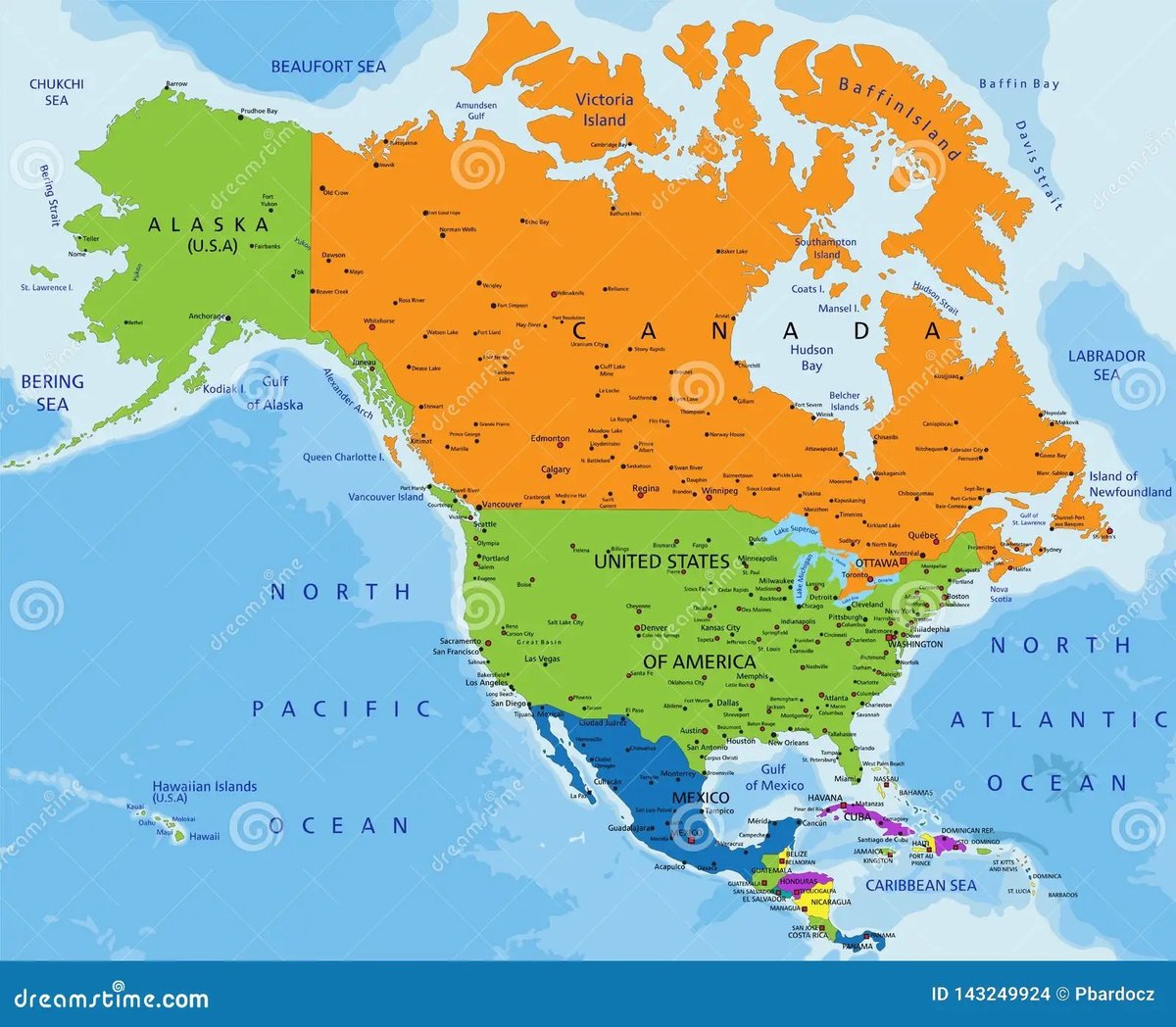
The turn of the century felt like an arrival. For many, america in 1900 was a nation brimming with confidence, its cities glowing with electric lights and its factories churning out steel, oil, and innovations at a breathtaking pace. Yet, beneath the gilded surface of progress lay deep, unsettling fractures—a society grappling with immense wealth and grinding poverty, technological marvels and catastrophic disasters, and a fierce, unresolved struggle over who truly belonged.
This was not a peaceful transition into a new era; it was a collision. The year 1900 itself served as a microcosm of the entire century to come: a volatile mix of ambition, conflict, and transformation. On one hand, the U.S. had become the world’s most prosperous nation. On the other, its people faced brutal working conditions, rampant discrimination, and natural disasters of an almost biblical scale.
At a Glance: The State of America in 1900
Here’s a snapshot of the key tensions and triumphs that defined the nation at the dawn of the 20th century:
- Economic Juggernaut: The U.S. boasted the largest industrial and agricultural economy in the world, solidified by the Gold Standard Act.
- Demographic Boom: The population soared to over 76 million, a 21% increase from 1890, fueled by both natural growth and immigration.
- Technological Revolution: Innovations like the telephone, phonograph, and electric light were reshaping daily life, but access was far from universal.
- Deep Social Divisions: Racial segregation was brutally enforced, women were still denied the vote, and the gap between industrial barons and a new urban working class was a chasm.
- Emerging Global Power: America flexed its new international muscle, sending troops to China for the Boxer Rebellion without congressional approval.
- A Year of Calamity: Two of the worst disasters in U.S. history—the Scofield mine explosion and the Galveston hurricane—exposed the fragility of life amid rapid progress.
The Engine of Progress: An Economy Forged in Steel and Gold
By 1900, the United States was no longer a rising economic power; it had arrived. Factories in the Northeast and Midwest produced more steel, oil, and manufactured goods than any other nation. The country’s vast agricultural heartland fed not only its own growing cities but much of the world. Understanding this pivotal moment of economic might is crucial for grasping the trajectory of the entire century, as detailed in the broader guide to Defining 20th Century American History.
Two key events from this era highlight the financial and industrial landscape:
- The Gold Standard Act (March 14, 1900): Congress formally adopted the gold standard, ending a long and bitter debate over “free silver.” This act pegged the value of the U.S. dollar to a fixed amount of gold, creating a stable (and deflationary) currency. For big business, bankers, and creditors, it was a massive victory that encouraged foreign investment. For farmers and debtors, however, it meant their debts became harder to pay off, deepening rural discontent.
- The Rise of Trusts: The era was dominated by massive industrial corporations, or “trusts,” controlled by figures like John D. Rockefeller (Standard Oil) and Andrew Carnegie (Carnegie Steel). While they drove unprecedented efficiency and innovation, they also crushed competition, suppressed wages, and wielded immense political power, sparking a growing public backlash that would fuel the Progressive Era.
The 1900 census captured this explosive growth in stark numbers: the nation’s population hit 76,212,168. Cities swelled as people left farms for factory jobs, and immigrants poured in from Southern and Eastern Europe, providing the cheap labor this industrial machine demanded.
Technology’s Double-Edged Sword: Innovation and Anxiety
Life in urban America was changing faster than ever before, largely due to a wave of technological marvels. These weren’t just abstract ideas; they were tangible inventions that altered the very fabric of daily existence.
| Innovation | Immediate Impact | Underlying Tension |
|---|---|---|
| Electric Light | Extended the day, made cities brighter and seemingly safer, and enabled factories to run around the clock. | Access was limited to wired urban areas. It also created new, relentless work schedules for factory laborers. |
| Telephone | Revolutionized business communication and connected distant family members, shrinking the vastness of the country. | A luxury item for most, it highlighted the growing divide between the connected, urban elite and the isolated rural poor. |
| Automobile | In its infancy, the “horseless carriage” was a toy for the rich, but it symbolized a future of personal freedom and mobility. | It was seen as a noisy, dangerous nuisance by many and would eventually upend city planning and public transit. |
| This era of invention continued at a blistering pace. In 1901, the Spindletop oil gusher in Texas unleashed a torrent of cheap petroleum, fueling the coming age of the automobile. Just two years later, on a windy beach in North Carolina, the Wright brothers achieved the impossible with their first powered flight on December 17, 1903. Each discovery was hailed as a triumph of human ingenuity, yet each also brought societal disruption and a sense that the world was changing too fast for many to keep up. |
A Nation of Contrasts: The Harsh Realities on the Ground
For millions of Americans, the glittering promise of the new century was a distant dream. The prosperity that built mansions on Fifth Avenue was often extracted from the sweat and suffering of others.
The Color Line: Racism and Segregation
In 1900, the shadow of the Civil War still loomed large, and the promise of Reconstruction had been decisively broken. For African Americans, particularly in the South, life was governed by a system of racial apartheid known as Jim Crow.
- Legalized Segregation: The Supreme Court’s 1896 Plessy v. Ferguson decision had enshrined the doctrine of “separate but equal,” which in practice meant separate and brutally unequal.
- Disenfranchisement: Poll taxes, literacy tests, and grandfather clauses were systematically used to strip Black men of the right to vote.
- Racial Violence: Lynching was a pervasive tool of racial terror, used to enforce white supremacy with impunity.
Despite these oppressive conditions, Black communities built resilient institutions—churches, schools, and businesses—and a new generation of leaders emerged. In 1909, the founding of the National Association for the Advancement of Colored People (NAACP) would mark a crucial step in organizing a formal, nationwide fight for civil rights.
The Plight of the Worker
The industrial boom created immense wealth, but very little of it trickled down to the workers who fueled it.
- Dangerous Conditions: Workplaces were notoriously unsafe. On May 1, 1900, a massive explosion at the Scofield mine in Utah killed over 200 miners, a tragedy that was all too common in an era with virtually no safety regulations.
- Low Wages and Long Hours: The typical industrial worker labored 10-12 hours a day, six days a week, for wages that barely sustained a family. Child labor was rampant.
- Labor Unrest: Unions like the American Federation of Labor (AFL) fought for better conditions, but strikes were often met with violent resistance from company-hired guards or even the government.
The Stirrings of Change for Women
While women wouldn’t gain the right to vote nationwide until 1920, the movement for suffrage was gaining momentum. Leaders like Susan B. Anthony and Carrie Chapman Catt were organizing, lobbying, and laying the groundwork for the victory to come. Beyond suffrage, women were entering the workforce in greater numbers, particularly in roles like telephone operators, secretaries, and textile mill workers, challenging traditional notions of a woman’s place.
Disaster, Intervention, and the Rise of a New President
The year 1900 and its immediate aftermath were punctuated by events that signaled a shift in both domestic and foreign policy, often catalyzed by tragedy.
The Galveston Hurricane: A City Reborn from Ruin
On September 8, 1900, a massive Category 4 hurricane slammed into the booming port city of Galveston, Texas. With little warning, a storm surge submerged the entire island, killing an estimated 8,000 people. It remains the deadliest natural disaster in American history. The storm didn’t just destroy a city; it forced a radical reinvention of municipal governance. To manage the massive rebuilding effort, Galveston’s leaders created the “commission” form of government, a model that prioritized expertise over politics and was later adopted by hundreds of other American cities.
America on the World Stage: The Boxer Rebellion
That same year, President William McKinley took a bold step in foreign policy. Without seeking congressional approval, he dispatched 2,500 U.S. troops to join an international force to put down the Boxer Rebellion in China, an anti-foreign, anti-colonial uprising. This action reflected America’s new, more assertive role in global affairs following the Spanish-American War of 1898. It signaled a willingness to use military force to protect American commercial interests abroad—specifically, the “Open Door Policy” that sought to ensure U.S. access to Chinese markets.
From McKinley’s Reelection to Roosevelt’s Presidency
In November 1900, William McKinley easily won a second term as president, with the energetic young governor of New York, Theodore Roosevelt, as his vice president. Their victory seemed to affirm the nation’s direction. But less than a year later, on September 6, 1901, an anarchist named Leon Czolgosz shot McKinley at the Pan-American Exposition in Buffalo. The president died eight days later.
Suddenly, Theodore Roosevelt—the brash, dynamic “cowboy”—was president. His unexpected ascension to power would dramatically alter the course of the nation, ushering in the Progressive Era and a new focus on trust-busting, conservation, and government regulation, including landmark legislation like the Pure Food and Drug Act of 1906.
Quick Answers to Common Questions
Q: Was America a true democracy in 1900?
A: Not by modern standards. While it had democratic institutions, millions of its citizens were excluded from the political process. African Americans were systematically disenfranchised in the South, women could not vote in most states, and U.S. senators were still chosen by state legislatures, not by popular vote.
Q: Did rapid industrialization benefit everyone equally?
A: Absolutely not. Industrialization created a class of ultra-wealthy capitalists and a growing middle class of managers and professionals. However, it also created a vast, often impoverished, urban working class that faced dangerous conditions and economic instability. The gap between rich and poor was arguably wider than at any other point in American history.
Q: Was 1900 a peaceful time for the United States?
A: It was a time of immense internal and external conflict. Domestically, there were violent labor strikes and horrific racial violence. Abroad, the U.S. was engaged in a brutal counter-insurgency campaign in the Philippines (a holdover from the Spanish-American War) and intervened militarily in China, signaling its new role as an imperial power.
Your Framework for Understanding 1900 America
To make sense of this complex and contradictory time, view it through three critical lenses:
- Progress vs. Peril: For every technological leap forward, there was a human cost. The same industrial system that produced electric lights and telephones also produced the Scofield mine disaster. Celebrate the innovation, but always ask who paid the price for it.
- Centralization vs. The Individual: Power was becoming increasingly concentrated—in massive corporations (trusts) in the economic sphere and in the federal government in the political sphere (as seen with the Boxer intervention and Roosevelt’s later actions). This trend sparked a fierce debate about the role of government and the rights of the individual that continues to this day.
- Inclusion vs. Exclusion: The central question of the era was, “Who gets to be a full American?” The answer in 1900 was narrow. African Americans, immigrants from Asia and Southern/Eastern Europe, Native Americans, and women were all, in different ways, excluded from the full promise of American life. The struggles for inclusion would come to define much of the 20th century.
As the nation stepped into the 20th century, it stood as a titan—powerful, innovative, and wealthy. But it was also a nation at war with itself, deeply divided by race and class, and uncertain of how to manage the powerful forces it had unleashed. The conflicts and questions that defined America in 1900 would set the stage for the century of profound change that was to follow.










