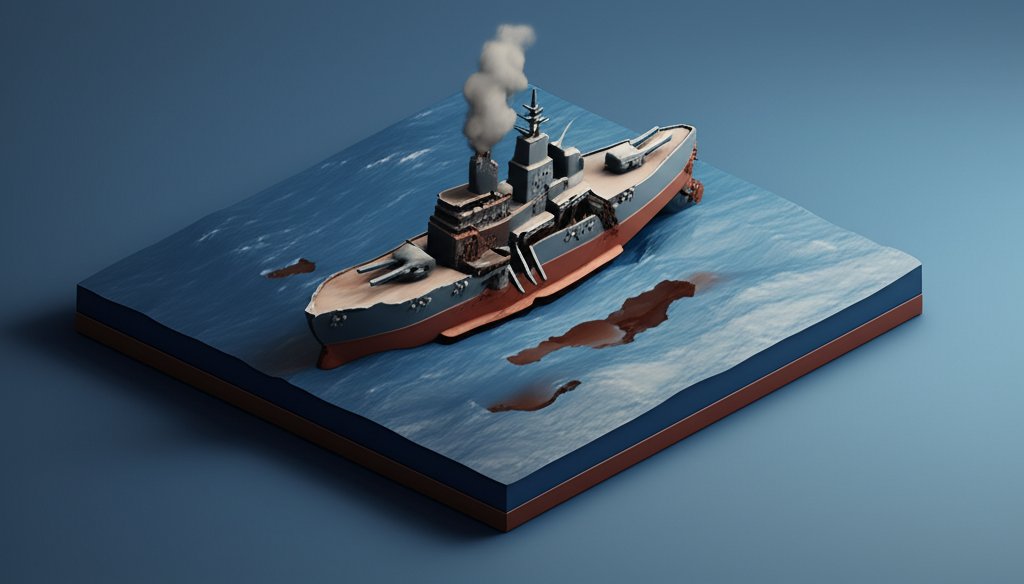
The morning of December 7, 1941, began with a calm tropical sunrise over Ford Island, but it ended in fire, smoke, and chaos. The full scope of the ships destroyed in Pearl Harbor became a symbol of national tragedy and, ultimately, resolve. But “destroyed” is a complicated word. For some vessels, it meant a final, watery grave; for others, it was the beginning of a remarkable story of salvage and revenge.
Understanding the fate of these ships isn’t just a history lesson; it’s a study in naval engineering, wartime triage, and raw human determination. We’ll move beyond the simple list of names to explore the different categories of destruction and the decisions that determined whether a ship would be a memorial, a pile of scrap, or a reborn warrior.
At a Glance: What Happened to the Fleet
- Defining Destruction: Learn the critical difference between a ship being sunk, damaged, or declared a total constructive loss—a key distinction in naval terms.
- The Permanent Losses: Identify the three ships that were permanently lost and remain at Pearl Harbor today as war graves.
- From Wreckage to War: Discover the incredible stories of severely damaged battleships that were salvaged, repaired, and returned to fight in crucial late-war campaigns.
- The Reborn Destroyers: Uncover the unique cases of two destroyers that were so ravaged they were “rebuilt” using salvaged machinery in entirely new hulls.
- Strategic Triage: Understand why some ships were prioritized for salvage over others based on damage, resources, and strategic need.
More Than Sunk: Understanding “Destroyed” in a Naval Context
When we talk about the ships destroyed in Pearl Harbor, it’s easy to picture vessels sitting on the harbor floor. But the reality for the U.S. Navy’s salvage teams was far more nuanced. A ship’s fate fell into one of three main categories, each presenting a unique challenge.
Many of the most famous vessels were the massive battleships moored along “Battleship Row.” The sheer scale of that concentrated devastation is a story in itself. To dive deeper into the specific fates of those behemoths, you can Explore Pearl Harbor’s sunken giants. Here, we will broaden the scope to cover the full spectrum of loss across the entire fleet that day.
1. Total and Irrecoverable Loss: These ships were damaged so catastrophically that salvage was either impossible or deemed impractical. They became permanent fixtures of the harbor, often serving as memorials.
2. Salvageable Wrecks: These vessels were sunk or severely damaged but could be refloated, repaired, and returned to service. This category showcases some of the most impressive engineering feats of the war.
3. Constructive Total Loss: This is a technical designation. A ship is a “constructive total loss” when the cost of repair exceeds its value. However, in wartime, parts, machinery, or even the ship’s very identity might be salvaged for the war effort.
The decisions made in the days and weeks after the attack—who to save, how to do it, and what to scrap—were a masterclass in wartime pragmatism.
The Irrecoverable Losses: The War Graves of Pearl Harbor
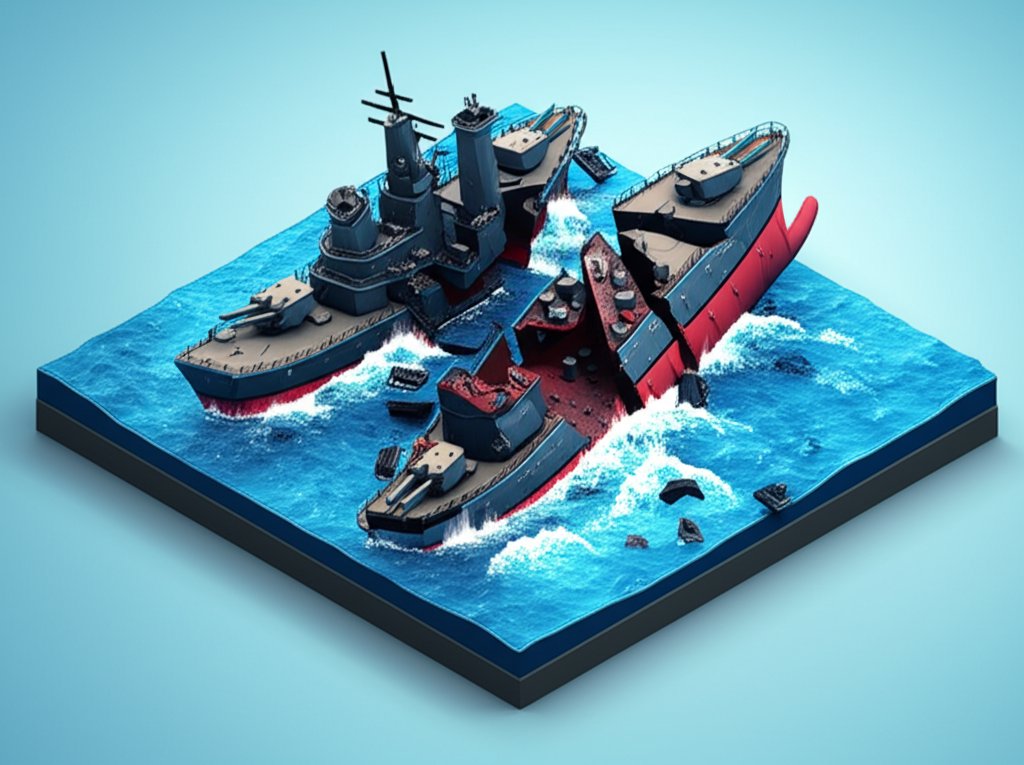
Three ships suffered a fate so final that they were never returned to the fleet. Their wrecks remain in the harbor today, solemn reminders of the human cost of the attack.
USS Arizona (BB-39): A Catastrophic Final Moment
The story of the USS Arizona is the most tragic and well-known. A modern Pennsylvania-class battleship, its end came in a single, horrifying instant. An 800-kg armor-piercing bomb, dropped by a high-altitude bomber, struck the ship near its forward turrets. It penetrated the armored deck and detonated the forward ammunition magazine.
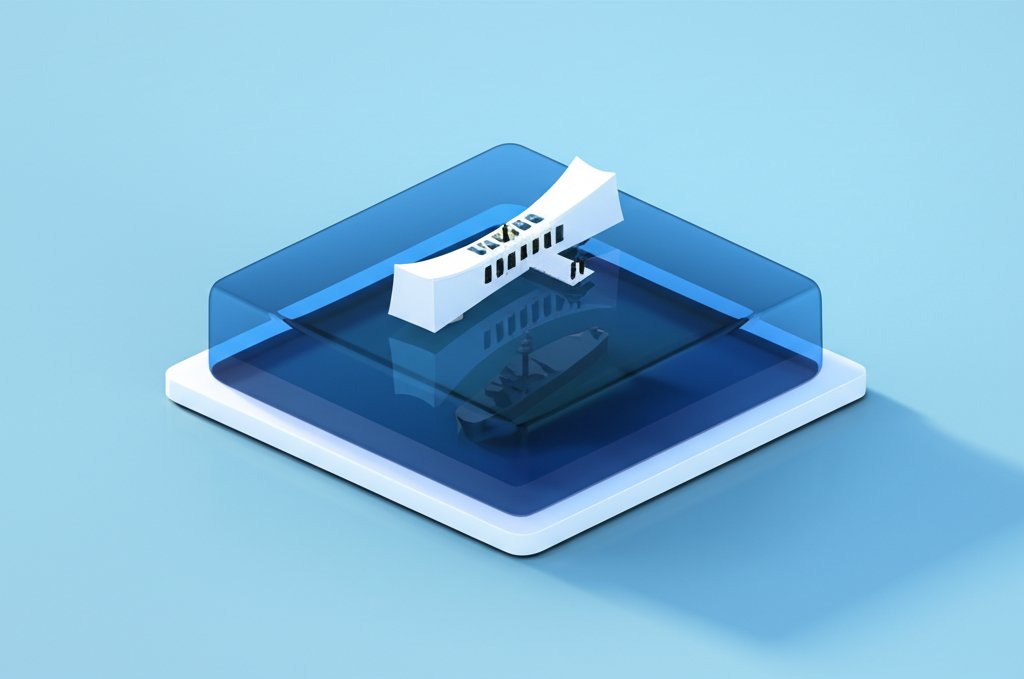
The resulting explosion was cataclysmic, lifting the 33,000-ton battleship out of the water before it broke apart and sank in minutes. The blast and subsequent fires killed 1,177 of her crewmen—nearly half of the total American casualties that day. The damage was so absolute that the Arizona was immediately recognized as a total loss. Her wreck was left in place and is now the site of the USS Arizona Memorial, a hallowed tomb for the men entombed within.
USS Oklahoma (BB-37): The Agony of Capsizing
Moored outboard of the USS Maryland, the USS Oklahoma was completely exposed to the first wave of Japanese torpedo bombers. She took a devastating series of hits—at least five torpedoes struck her port side in rapid succession.
With massive holes torn in her hull, the Oklahoma quickly listed, her heavy super-structure and turrets pulling her over. Within about 12 minutes of the first hit, she capsized completely, trapping hundreds of men inside her overturned hull. In the days that followed, heroic rescue efforts saw 32 men cut free from the darkness. Still, 429 of her crew were killed. Although the monumental task of righting her massive hull was eventually completed in 1943, she was deemed too old and damaged to be worth repairing. She was formally decommissioned and later sank while being towed to the mainland for scrap.
USS Utah (AG-16): The Forgotten Battleship
Though no longer a frontline battleship, the USS Utah shared the fate of the Oklahoma. Having been converted to a target ship (designated AG-16), she was moored on the opposite side of Ford Island from Battleship Row. Mistaken by Japanese pilots for an operational aircraft carrier or battleship, she was struck by two torpedoes early in the attack.
Like the Oklahoma, the Utah rapidly capsized, trapping many of the crew who were just waking up. Fifty-eight of her sailors died. Because she had no significant military value and salvage would be complex, the Navy left her wreck in place. She remains there today, a lesser-known but equally poignant war grave.
From Ruin to Revenge: The Great Pearl Harbor Salvage Operation
The story of the ships destroyed in Pearl Harbor is also a story of incredible resurrection. The salvage and repair effort that began almost immediately was one of the greatest logistical and engineering accomplishments of World War II.
A Playbook for Raising a Battleship
The process for refloating a sunken battleship like the California or West Virginia was methodical and dangerous:
- Initial Assessment: Divers meticulously surveyed the damage, patching every hole, porthole, and opening in the hull with wood, steel plates, and concrete. This was painstaking work in dark, debris-filled water.
- Building Cofferdams: A massive wooden “fence” or cofferdam was built around the ship’s main deck to extend the hull above the water’s surface.
- Pumping and Stabilizing: Huge pumps were brought in to slowly remove the water from the sealed hull. As the ship grew lighter, it would begin to rise. This was a delicate process requiring constant adjustments to maintain stability.
- Dry Dock and Rebirth: Once afloat, the ship was carefully towed to a dry dock where the real repair and modernization work could begin.
| Ship | Damage Sustained | Outcome |
| :— | :— | :— |
| USS West Virginia (BB-48) | Struck by 6 torpedoes and 2 bombs; sank upright. | Salvaged, modernized, and returned to service. Was present at the surrender in Tokyo Bay. |
| USS California (BB-44) | Struck by 2 torpedoes and 1 bomb; slowly sank over 3 days. | Salvaged, modernized, and returned to service in 1944. |
| USS Nevada (BB-36)| Struck by 1 torpedo and at least 6 bombs. | The only battleship to get underway; was beached to avoid blocking the channel. Repaired and served in both Atlantic (D-Day) and Pacific (Iwo Jima, Okinawa) theaters. |
The return of these battleships was a massive boost to morale and provided crucial naval firepower for the island-hopping campaigns in the Pacific. The USS West Virginia, which had suffered some of the worst damage of any salvaged ship, was poignantly present in Tokyo Bay when Japan formally surrendered.
Constructive Losses: Destroyed in Name, Reborn in Spirit
Two destroyers caught in Dry Dock No. 1 represent one of the most unique stories of naval ingenuity to emerge from the attack.
USS Cassin (DD-372) & USS Downes (DD-375)
The Cassin and Downes were undergoing repairs alongside the battleship Pennsylvania when the attack began. Bombs intended for the battleship missed and struck the dry dock, rupturing the destroyers’ fuel tanks. The leaking oil ignited, creating an inferno that cooked off ammunition and torpedoes.
The heat was so intense it warped their steel hulls beyond repair. The Cassin was blown from its keel blocks and came to rest against the Downes. To any observer, they were charred, twisted wrecks—total losses.
But the Navy’s Bureau of Ships saw an opportunity. In a remarkable feat of recycling:
- Their machinery, turbines, and main engines were carefully removed from the wreckage.
- These vital components were shipped back to the Mare Island Navy Yard in California.
- Entirely new hulls were built.
- The salvaged machinery was installed into the new ships.
These “new” vessels were commissioned with the exact same names and hull numbers as the ones destroyed at Pearl Harbor. So, while the original hulls were scrapped, the heart of the USS Cassin and USS Downes was reborn and went on to serve throughout the war.
Quick Answers to Common Questions
How many ships were truly destroyed at Pearl Harbor?
This is a common point of confusion. A total of 21 U.S. Navy ships were sunk or damaged. However, the number of ships considered permanent or total losses is much smaller. Only three were never returned to any form of service: the battleships USS Arizona and USS Oklahoma, and the target ship USS Utah. All other sunken or heavily damaged vessels were eventually salvaged and repaired or had major components reused.
Why wasn’t the USS Arizona salvaged like the other battleships?
The damage to the Arizona was simply too extreme. The forward magazine explosion effectively broke the ship’s back and obliterated the entire bow section. It was a catastrophic structural failure, unlike the more “controlled” sinking of ships like the West Virginia. Furthermore, with over 1,100 men entombed inside, the wreck was quickly declared a war grave, a decision that respected the immense loss of life.
Why did the Japanese attackers ignore the fuel depots and repair facilities?
This was Japan’s single greatest strategic mistake during the attack. The plan, devised by Admiral Isoroku Yamamoto, focused exclusively on neutralizing the U.S. Pacific Fleet’s capital ships. The Japanese commanders believed that sinking the battleships would cripple American morale and naval power for months, giving Japan free rein in the Pacific. They ignored crucial infrastructure targets like the massive oil storage tanks, the submarine base, and the navy yard’s machine shops. As Fleet Admiral Chester Nimitz later remarked, destroying the fuel reserves would have “prolonged the war another two years.”
The stories of the ships destroyed in Pearl Harbor are a powerful mix of tragedy and resilience. The images of ruin on December 7, 1941, shocked the world, but the quiet, determined work that followed—patching holes, pumping water, and rebuilding steel—is an equally important part of the legacy. It’s a testament to the idea that even from the most devastating loss, strength and purpose can be forged anew.










