
Choosing a name is a powerful act, especially when you’re drawn to the mystique and history embedded in ancient Egyptian names. But where do you start, and how do you ensure your choice respects the culture and carries the intended significance?
At a glance:
- Understand the core elements that shaped Egyptian naming conventions.
- Learn how names reflected religious beliefs, social status, and personal characteristics.
- Explore practical tips for choosing an Egyptian name, considering cultural sensitivity.
- Discover popular Egyptian names and their meanings.
- Address common misconceptions about Egyptian names.
Decoding the Essence of Egyptian Names
Ancient Egyptian names weren’t just labels; they were powerful statements. They were believed to influence a person’s destiny, reflecting their connection to the gods, their aspirations, and their place in society. Understanding these underlying principles is crucial before diving into specific names. To get a broader understanding of the topic, you can Explore Egyptian name meanings.
Religious Significance: Honoring the Divine
Many Egyptian names incorporate the names of gods and goddesses, demonstrating devotion and seeking their protection. For example, “Amenhotep” means “Amon is satisfied,” showing reverence for the god Amon. Similarly, “Thutmose” means “born of Thoth,” acknowledging the god of wisdom and writing.
Reflecting Personal Qualities: Desired Traits
Egyptian names often described desired qualities or characteristics. “Neferet,” meaning “beautiful woman,” is a prime example. Names like “Khaled,” or “Khalid”, meaning “eternal” or “immortal,” conveyed hopes for a long and prosperous life.
Names as Historical Markers: Echoes of the Past
Some names directly referenced important historical events or figures. Pharaohs often chose names that connected them to their predecessors or celebrated significant achievements. The name “Ahmose,” meaning “born of Iah,” links the bearer to the moon god Iah, potentially signifying a connection to lunar cycles and rebirth.
Navigating the Process of Choosing an Egyptian Name
Selecting an Egyptian name requires careful consideration. Here’s a step-by-step guide to help you make an informed and respectful choice:
- Research the meaning: Don’t just pick a name because it sounds appealing. Delve into its meaning and historical context.
- Consider the pronunciation: Egyptian pronunciation can be tricky. Ensure you understand how to pronounce the name correctly. Many modern versions are adapted to Arabic phonetics, requiring familiarity with those sounds.
- Reflect on cultural sensitivity: Be mindful of the cultural implications of the name. Avoid names associated with negative historical events or figures unless you have a compelling reason and understand the potential impact.
- Think about nicknames: Consider potential nicknames or shortened versions of the name that might be used.
- Seek guidance: If possible, consult with someone familiar with Egyptian culture or language for advice and feedback.
Pitfalls to Avoid:
- Misinterpreting meanings: Relying on inaccurate or incomplete information about the name’s meaning.
- Ignoring cultural context: Choosing a name without understanding its historical or cultural significance.
- Using names inappropriately: Selecting a name that is exclusively associated with royalty or deities for a commoner.
- Disrespecting pronunciation: Mispronouncing the name, thereby altering its meaning or significance.
Popular Egyptian Names and Their Stories
Let’s explore some popular Egyptian names, unpacking their meanings and historical context:
| Name | Meaning | Historical Significance |
|---|---|---|
| Ahmose | Born of Iah | Name of a pharaoh who expelled the Hyksos and founded the 18th dynasty. |
| Nefertiti | The beautiful one has come | Queen of Egypt and wife of Akhenaten, known for her beauty and role in the Amarna Period. |
| Ramesses | Born of Ra | Name of several pharaohs, including Ramesses II, one of the most powerful rulers in Egyptian history. |
| Tutankhamun | Image of the life of Amon | Pharaoh of the 18th dynasty, famous for his intact tomb discovered in the Valley of the Kings. |
| Aida | Noble; Return | Popular name, often associated with the Verdi opera set in ancient Egypt. |
| Layla | Night | A beautiful and evocative name, representing the darkness and mystery of the night. |
| Snippet Scenario: A couple fascinated by ancient Egyptian history named their daughter Nefertari, meaning “the most beautiful companion,” after the beloved wife of Ramesses II. They felt the name captured her beauty and their hopes for her to be a cherished companion throughout her life. |
Practical Playbook: Making the Right Choice
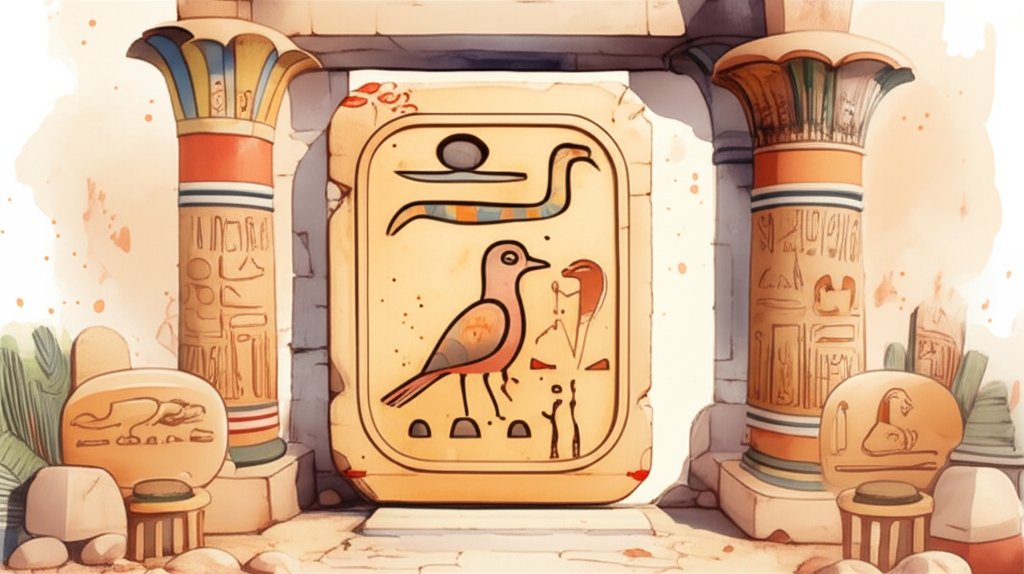
Here’s a concrete guide to help you select an Egyptian name that aligns with your intentions and respects the culture:
- Determine your priorities: Are you drawn to names with religious significance, historical connections, or specific meanings?
- Create a shortlist: Compile a list of potential names based on your priorities.
- Research each name thoroughly: Investigate the meaning, origin, and cultural context of each name on your list.
- Test pronunciation: Practice pronouncing each name correctly.
- Consider variations and nicknames: Explore potential variations or nicknames.
- Seek feedback: Share your shortlist with trusted friends, family, or cultural experts for their opinions.
- Make your decision: Choose the name that resonates most deeply with you and aligns with your values and intentions.
Quick Answers: Addressing Common Questions
Q: Is it okay to use an Egyptian name if I’m not of Egyptian descent?
A: Yes, but approach it with respect and do your research. Understand the name’s meaning and cultural significance. If possible, seek advice from someone familiar with Egyptian culture.
Q: Are some Egyptian names exclusively for royalty?
A: Historically, some names were more common among royalty, but today, most are accessible. However, avoid names directly tied to specific pharaohs or deities unless you understand the implications.
Q: How has the meaning of Egyptian names evolved over time?
A: Some names have retained their original meanings, while others have acquired new associations through historical events, literature, and popular culture. Always research the current usage and connotations.
Q: What’s the difference between an Egyptian name and an Arabic name?
A: While Egypt is an Arabic-speaking country, ancient Egyptian names predate the Arabic language in Egypt. Many modern Egyptian names are Arabic, but some families preserve ancient names or adapt them to Arabic phonetics.
Choosing Names: A Decision Tree
Here’s a decision tree to help you navigate the selection process:
- Are you drawn to a specific deity or historical figure?
- If yes, research names associated with them.
- If no, consider names based on desired qualities or meanings.
- Does the name have a clear and positive meaning?
- If yes, proceed to pronunciation.
- If no, research alternative names with similar qualities.
- Can you pronounce the name correctly?
- If yes, consider cultural sensitivity.
- If no, seek guidance or choose a name with easier pronunciation.
- Is the name culturally appropriate for you?
- If yes, finalize your choice.
- If no, explore alternative names that are more suitable.
Embrace the Legacy of Egyptian Names
Selecting an Egyptian name can be a meaningful way to connect with a rich and ancient culture. By understanding the significance of these names and approaching the process with respect and awareness, you can choose a name that carries both beauty and depth. The important thing is not just the sound of the name, but the story it tells and the values it represents.










