Imagine adorning yourself with symbols that not only display your status but also guarantee safe passage into the afterlife. This wasn’t a fantasy for the ancient Egyptians; it was the everyday reality woven into their exquisite jewellery.
At a Glance:
- Discover how ancient Egyptian jewellery reflected wealth, social standing, and spiritual beliefs.
- Learn which materials were most valued and what they symbolized.
- Understand the role of jewellery in funerary practices and the afterlife.
- Identify key jewellery types and their significance.
- Explore the craftsmanship techniques used to create these stunning pieces.
More Than Decoration: The Multifaceted World of Ancient Egyptian Jewellery
Ancient Egyptian jewellery wasn’t just about aesthetics; it was a powerful statement of identity, belief, and protection. Beyond mere adornment, it represented a complex interplay of socio-economic status, religious conviction, and magical safeguard. To truly appreciate ancient Egyptian jewellery, you need to understand these interwoven threads. For a broader understanding of the historical context, you can explore this Ancient Egyptian Jewelry Guide.
Status Symbol: Jewellery as a Reflection of Social Class
Jewellery visually communicated social hierarchy. Pharaohs and nobles showcased elaborate pieces made of gold and precious gems, instantly signaling their elevated position. In contrast, members of the lower classes often wore simpler jewellery crafted from copper, bone, or stone.
- Upper Class: Gold, lapis lazuli, carnelian, turquoise, and intricate designs.
- Lower Class: Copper jewellery, beads made of faience (a glazed ceramic material), and simpler designs.
This distinction also extended to the types of jewellery worn. While anyone might wear a simple bracelet, elaborate pectorals (large decorative chest pieces) and crowns were reserved for the elite.
Amulets and Protection: Warding Off Evil in Life and Death
A significant purpose of ancient Egyptian jewellery was to provide protection from harm, both in this life and the afterlife. Particular stones and symbols were believed to possess magical properties that could ward off evil spirits, ensure good health, and grant safe passage to the underworld. Amulets, often shaped like sacred symbols, were particularly important.
- Scarab Beetle: Symbolized rebirth and regeneration.
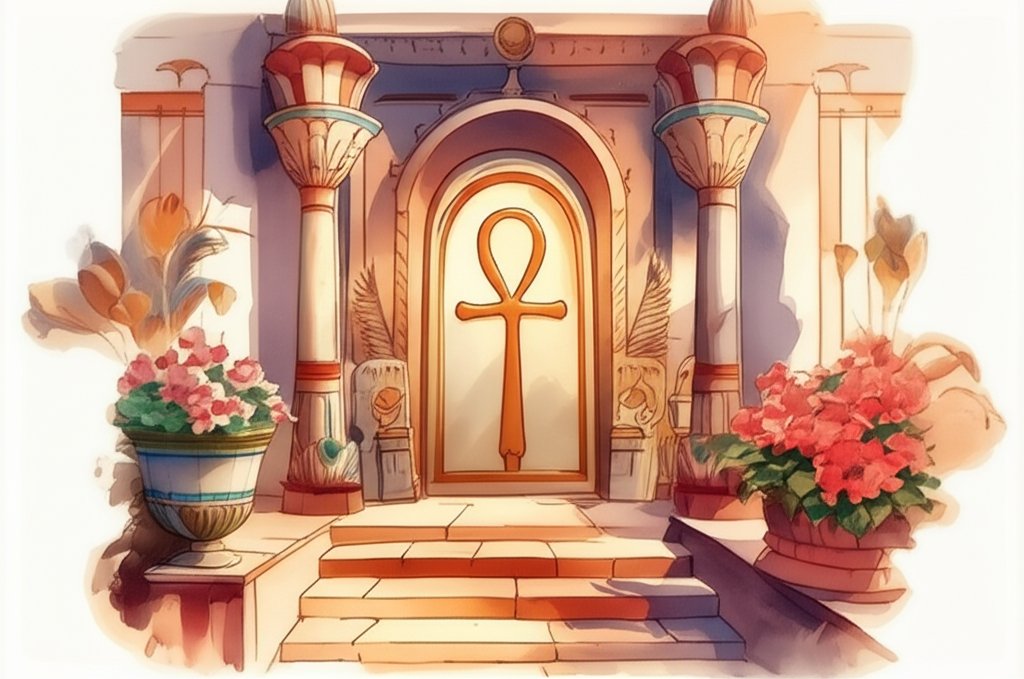
- Ankh: Represented life and immortality.
- Eye of Horus (Wedjat): Offered protection and healing.
These amulets were not only worn as pendants or incorporated into bracelets but also carefully placed within the wrappings of mummies to safeguard the deceased on their journey to the afterlife.
Jewellery and the Afterlife: Ensuring Eternal Existence
The ancient Egyptians believed that life continued after death, and they took great care to prepare for this eternal existence. Jewellery played a crucial role in these preparations, with the deceased often buried with a rich collection of ornaments to ensure their comfort, protection, and success in the afterlife.
Why was jewellery so vital in funerary practices?
- Provision for the Afterlife: Jewellery was seen as a form of wealth and status that would be needed in the afterlife.
- Magical Protection: Amulets and protective symbols were included to ward off evil spirits and ensure a safe journey.
- Identification: Face masks, adorned with precious stones and detailed features, helped the soul recognize its body.
The treasures found in the tomb of Tutankhamun offer a stunning example of the importance of jewellery in funerary practices. His tomb contained countless pieces of exquisite jewellery, including a magnificent gold mask inlaid with lapis lazuli, carnelian, and other precious stones.
Key Jewellery Types: A Glimpse into Ancient Egyptian Fashion
Ancient Egyptian jewellery came in a variety of forms, each with its own unique style and significance.
- Necklaces: Ranging from simple beaded strands to elaborate collar pieces.
- Bracelets and Armbands: Worn on the wrists and upper arms as symbols of status and protection.
- Rings: Often bearing signet designs used for sealing documents and personal identification.
- Earrings: Became popular among royalty during the New Kingdom period.
- Pectorals: Large, decorative chest pieces often adorned with religious imagery and protective symbols.
- Crowns and Diadems: Worn by pharaohs and royalty as symbols of power and authority.
Example: The broad collar necklace, known as a wesekh, was a popular piece, often made of multiple rows of beads and adorned with pendants. It was worn by both men and women and was thought to provide protection and enhance the wearer’s beauty.
Materials and Craftsmanship: Unveiling the Secrets of Ancient Egyptian Jewellery
The materials used in ancient Egyptian jewellery were not only chosen for their aesthetic appeal but also for their symbolic meanings. Gold was highly prized, representing the flesh of the gods and eternal life. Lapis lazuli, a deep-blue stone imported from Afghanistan, symbolized royalty, wisdom, and truth. Other popular stones included carnelian (red, symbolizing purification and stability), turquoise (blue-green, representing life and happiness), and amethyst (purple, associated with royalty).
Craftsmanship Techniques:
- Filigree: Delicate metalwork using fine wires to create intricate patterns.
- Granulation: Attaching tiny gold granules to a surface to create a textured effect.
- Inlay: Setting precious stones or colored glass into recesses in metal or stone.
- Engraving: Cutting designs into metal or stone surfaces.
- Polychrome Glass: The creation of multi-colored glass, enabling the imitation of semi-precious stones.
A Practical Playbook: Identifying Features of Ancient Egyptian Jewellery
Want to impress your friends with your knowledge of ancient Egyptian jewellery? Here’s a quick guide to spotting key characteristics:
- Materials: Look for gold, lapis lazuli, carnelian, turquoise, and faience.
- Symbols: Identify common symbols like the scarab beetle, ankh, Eye of Horus, and lotus flower.
- Colors: Notice the prevalence of blue, red, green, and gold.
- Craftsmanship: Examine the piece for evidence of filigree, inlay, and engraving.
- Purpose: Consider whether the piece appears to be primarily decorative or designed for protection or funerary use.
Caveat: Exact replicas are common. Seek expert authentication for valuable pieces.
Quick Answers: Common Questions About Ancient Egyptian Jewellery
Q: Was all ancient Egyptian jewellery made of gold?
A: No, while gold was highly prized, other materials like copper, silver (though rarer), and various gemstones were also used. The choice of material depended on the wearer’s social class and the purpose of the jewellery.
Q: Did both men and women wear jewellery in ancient Egypt?
A: Yes, both men and women adorned themselves with jewellery. Men often wore rings, bracelets, and necklaces, while women wore a wider variety of pieces, including earrings, anklets, and elaborate collar necklaces.
Q: How can I tell if a piece of jewellery is truly ancient Egyptian?
A: Authenticating ancient Egyptian jewellery requires expertise. Look for telltale characteristics of the period such as the craftsmanship and type of materials used. Certified appraisers and historians specialized in Egyptology are your best bet.
Your Next Step: Bringing the Past to the Present
Ancient Egyptian jewellery offers a fascinating glimpse into a rich and complex culture. By understanding the symbolism, materials, and craftsmanship techniques used to create these stunning pieces, you can gain a deeper appreciation for their beauty and significance. Whether you’re a collector, a history enthusiast, or simply someone who appreciates beautiful art, the world of ancient Egyptian jewellery has something to offer everyone. Consider visiting museum exhibits dedicated to ancient Egyptian artifacts or exploring online resources from reputable institutions to further enrich your knowledge.










