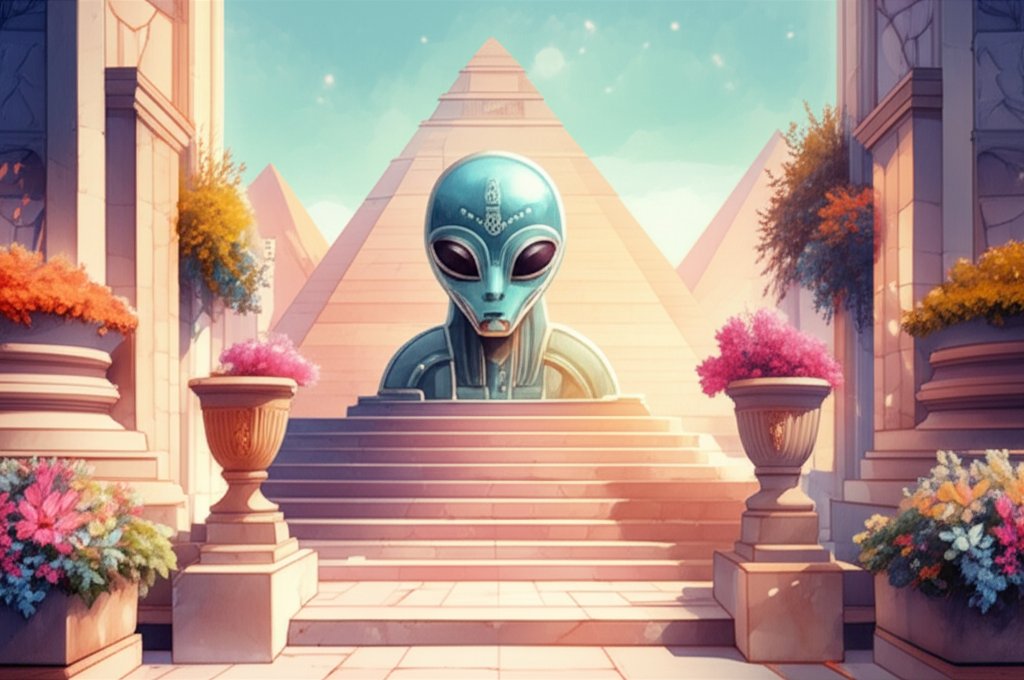
Have you ever looked at the Great Pyramid of Giza and wondered how ancient humans, with what we think were limited tools, could have possibly built such a monumental structure? The ancient alien conspiracy theory, also known as paleocontact, suggests that we didn’t do it alone. It proposes that extraterrestrial beings visited Earth in the distant past, influencing the development of human civilizations, technologies, and even our religious beliefs. This idea, popularized by figures like Erich von Däniken and shows like “Ancient Aliens,” continues to capture the imagination, sparking debate about the true origins of human achievement.
But what exactly is this theory, and how does it stand up to scrutiny? Let’s dive into the core claims, the counterarguments, and the reasons why this fascinating, yet controversial, idea persists.
Unveiling the Core Arguments: Tracing Extraterrestrial Footprints in History
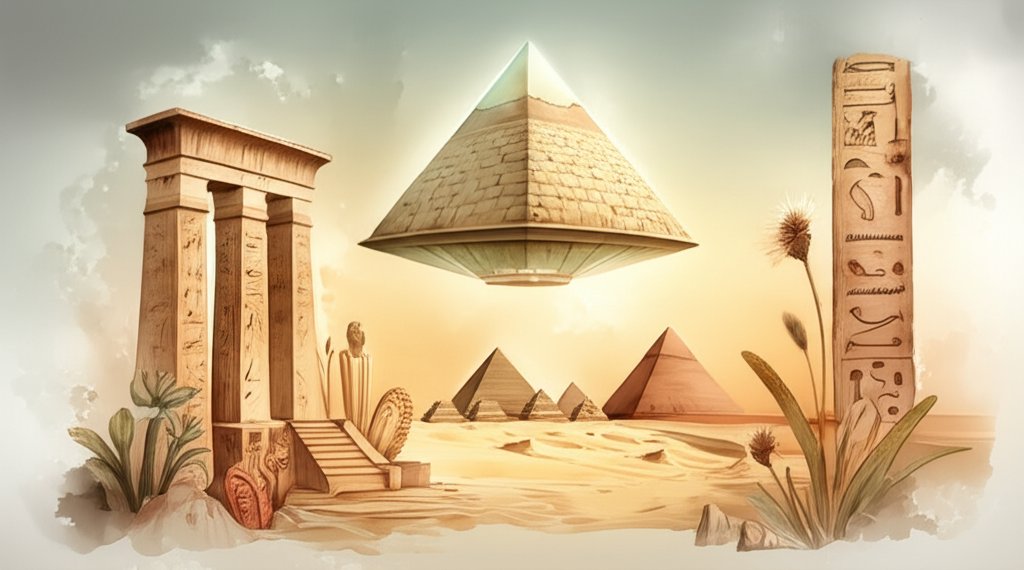
Proponents of the ancient alien conspiracy theory point to a number of compelling arguments, suggesting that ancient structures and artifacts couldn’t have been created solely by human ingenuity. These arguments often revolve around five key themes:
- Impossibly Advanced Engineering: Structures like the pyramids, Baalbek’s massive stone blocks, and the intricate stonework of Puma Punku are seen as exceeding the capabilities of ancient builders. The sheer scale and precision, they argue, require technology beyond what was available to humans at the time.
- Celestial Connections and Enigmatic Alignments: The precise astronomical alignments found in many ancient sites, aligning with specific stars or constellations, are interpreted as evidence of extraterrestrial knowledge and guidance.
- Gods and Flying Chariots: Decoding Ancient Texts and Myths: Ancient myths, religious texts, and artwork are interpreted literally, depicting gods and otherworldly beings as alien visitors descending in “flying chariots” or possessing advanced technology.
- Out-of-Place Artifacts: Unearthing Technological Anachronisms: Discoveries of objects like the Antikythera mechanism (an ancient analog computer) and the Baghdad Battery (an ancient galvanic cell) are presented as evidence of advanced technology provided by extraterrestrials. Even seemingly simple items like the Dogū figurines are sometimes cited as proof.
- Global Echoes: Shared Symbols and Architectural Wonders Across Cultures: The presence of similar architectural styles and symbols in geographically distant cultures is interpreted as evidence of a common extraterrestrial influence, suggesting that these cultures were all visited and taught by the same alien civilization.
Counterarguments: Grounding the Claims in Human Ingenuity and Archaeological Reality
While the arguments put forth by ancient alien theorists are intriguing, mainstream archaeologists and scientists offer compelling counterarguments rooted in archaeological evidence and a deeper understanding of ancient technologies and cultures.
- The Power of Human Ingenuity: Archaeological research has consistently demonstrated that ancient humans possessed the skills, knowledge, and tools necessary to construct even the most monumental structures. Through innovative techniques, meticulous planning, and the collective effort of large workforces, they were able to achieve remarkable feats of engineering.
- Context is Key: Understanding Ancient Technologies and Methods: Arguments for alien involvement often lack crucial historical context and ignore the evolution of ancient technologies. By studying the available archaeological evidence, researchers can often reconstruct the methods and tools used by ancient builders, providing plausible explanations for their achievements.
- Astronomy in Antiquity: Indigenous Knowledge of the Cosmos: Ancient cultures possessed extensive astronomical knowledge, developed through centuries of observation and recording of celestial events. They used this knowledge to create calendars, navigate, and align their structures with significant astronomical events.
- Myth as Metaphor: Decoding Symbolic Meaning, Not Literal History: Myths and religious texts are symbolic narratives that convey cultural values, beliefs, and moral lessons. Literal interpretations of these texts as evidence of alien encounters overlook their rich cultural significance and metaphorical language.
- Scientific Explanations for “Out-of-Place” Artifacts: Artifacts often attributed to alien technology can typically be explained through human innovation and ingenuity. Careful examination and scientific analysis can reveal the purpose and function of these objects within their historical context.
Why This Conspiracy Endures: Examining the Appeal and Potential Pitfalls

The ancient alien conspiracy theory continues to captivate audiences despite the lack of scientific consensus. Consider attending an alien convention 2025 to immerse yourself in the heart of the theory and witness its enduring popularity firsthand. But what makes this theory so appealing, and what are the potential drawbacks of embracing it without critical examination?
- The Desire for Cosmic Connection and Simple Answers: The theory taps into a deep-seated human desire to feel connected to something larger than ourselves. It offers a seemingly simple explanation for complex historical mysteries, providing a sense of wonder and excitement.
- Diminishing Human Achievements: The Danger of Cultural Dismissiveness: By attributing the accomplishments of ancient civilizations to extraterrestrial influence, the theory can inadvertently diminish the ingenuity, creativity, and resilience of human cultures, particularly those of non-European origin. This can perpetuate harmful stereotypes and undermine the contributions of diverse societies to human history.
- The Spread of Misinformation and Erosion of Trust in Science: The proliferation of pseudoarchaeological ideas through popular media can lead to the widespread dissemination of misinformation, eroding public trust in legitimate scientific research and critical thinking.
- The Role of Psychology: Seeking Patterns and Filling Gaps: The human mind is wired to seek patterns and find meaning in the world around us. In the absence of clear evidence, we often fill in the gaps with myths and stories, creating narratives that satisfy our need for explanation and understanding.
Where to From Here: Embracing Critical Thinking and Deeper Exploration
Ultimately, the ancient alien conspiracy theory serves as a reminder of the importance of critical thinking, the value of archaeological research, and the enduring power of human curiosity. While the theory may lack definitive evidence, it prompts us to question our assumptions, explore unconventional ideas, and delve deeper into the mysteries of our past. Instead of looking outward to the stars, perhaps a deeper alien convention 2025 encourages internal journey and exploration of consciousness through meditation and questioning personal beliefs can offer profound insights.
Rather than seeking simple answers, continue researching so you have more concrete facts!










