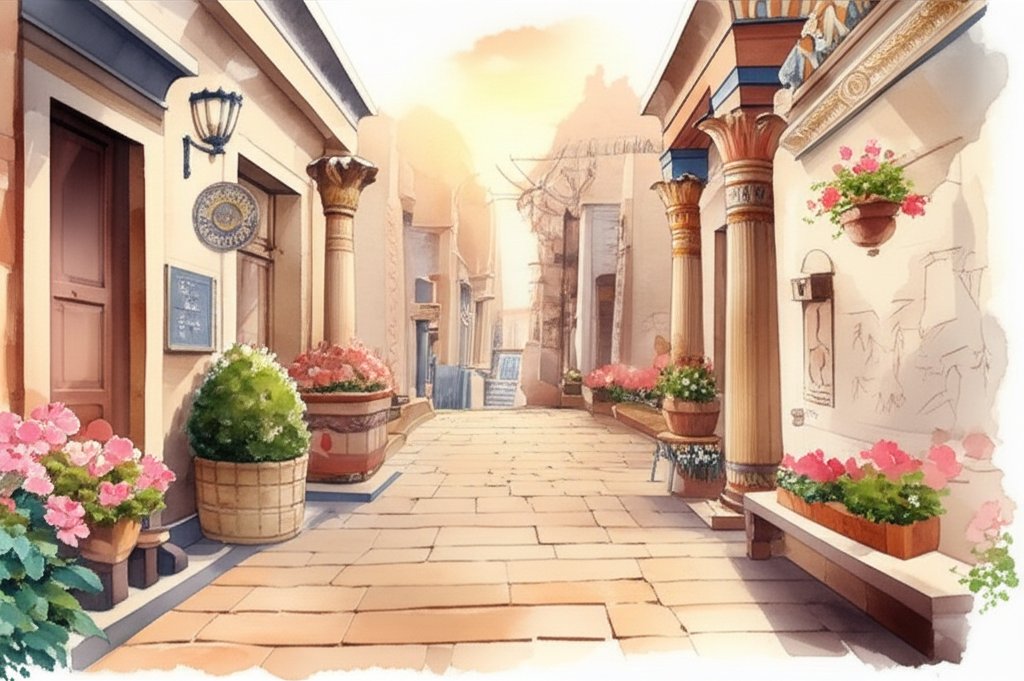
For millennia, ancient civilizations have shaped our world, leaving behind awe-inspiring monuments and artistic treasures that continue to captivate and inspire. Among these, the civilization of Ancient Egypt stands out, renowned for its magnificent architecture and highly symbolic art, developed over an impressive 3,000-year period. Imagine the ingenuity and dedication required to construct towering pyramids with only simple tools! Egyptian art and architecture weren’t just about aesthetics; they were integral to religious beliefs, political power, and cultural identity.
This hub explores the remarkable achievements of ancient cultures, focusing on the profound impact of Egypt and touching upon other significant civilizations across the globe. From grand temples to intricate sculptures, we’ll delve into the principles, evolution, and iconic examples that define ancient history art and architecture. Let’s take a journey through time, starting with the land of the Pharaohs.
Unveiling Ancient Egyptian Architectural Marvels
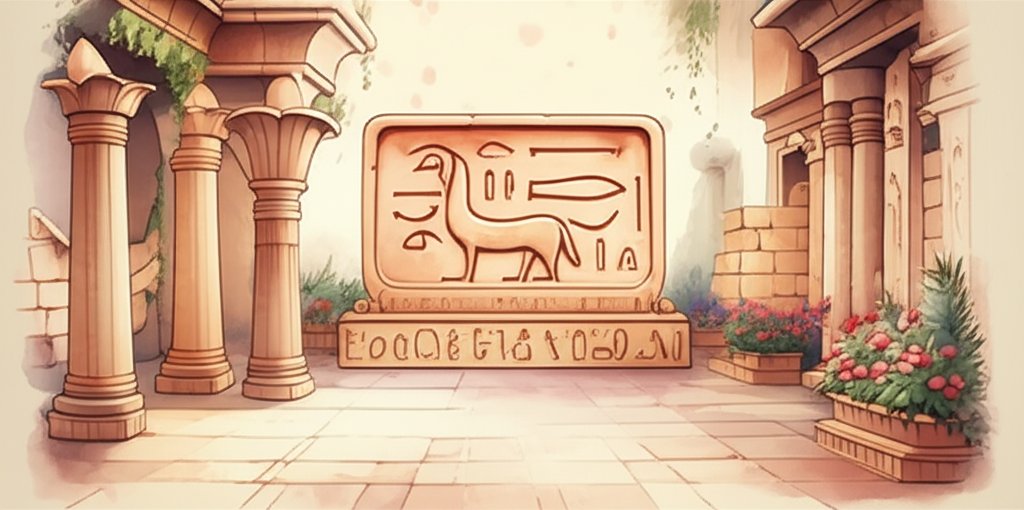
Ancient Egyptian architecture is characterized by its precision, scale, and incredible durability. Structures were most often state-sponsored projects designed to serve religious, commemorative, and authoritative purposes. Despite the limitations of simple tools, the Egyptians managed to construct massive stone structures that have withstood the test of time.
Key Architectural Features:
- Domestic Architecture: Elite homes were elaborately decorated with depictions of deities, people, water features, and geometric designs, reflecting wealth and status. Ordinary homes, in contrast, were typically constructed from mudbrick and wood, showcasing a more practical and resource-conscious approach.
- Temples: Temples were built to last, predominantly using stone. Early temples often featured enclosed halls, while later temples incorporated impressive pylons, expansive courtyards, and grand hypostyle halls. These spaces served as centers of religious activity and symbolized the connection between the earthly and divine realms.
- Tombs: The evolution of tomb architecture in ancient Egypt is fascinating. Mastabas were common during the Old Kingdom. The Step Pyramid of Djoser is an early large-scale stone construction. Pyramids were built during the Old and Middle Kingdoms, with later rulers opting for rock-cut tombs, demonstrating a shift in architectural preferences and practical considerations.
Iconic Structures That Still Inspire: - Mortuary Complex of Djoser: This complex, a pioneering feat of engineering, featured post and lintel supports adorned with papyrus and lotus motifs, symbolizing wealth, power, and the vibrant life of the Nile River.
- Temple of Isis at Philae: Showcasing meticulous stone construction and intricate artistic detailing, the Temple of Isis exemplifies the grandeur and sophistication of Egyptian religious structures, reflecting the enduring devotion to the goddess Isis.
- Temple of Dendur: This remarkably preserved temple exhibits the precision and artistry that defined Egyptian architecture. Completed by 10 BC, it now resides in the Metropolitan Museum of Art in New York, allowing visitors to appreciate its beauty firsthand.
Decoding the Symbolism of Ancient Egyptian Art
The art of ancient Egypt was far more than mere decoration; it was deeply functional and symbolic, adhering to strict rules and conventions for over 3,500 years. Egyptian art served as a visual language, conveying religious, political, and cultural ideas. It played a critical role in the Egyptian belief system, particularly in ensuring a successful afterlife and maintaining cosmic order.
Guiding Principles of Egyptian Art:
- Symbolism and Iconography: Egyptian artists masterfully employed stylized representations and composite views, showcasing figures in their most recognizable form. Every detail, from hieroglyphs to colors, carried symbolic weight, conveying deeper meanings and messages.
- Political and Religious Record: Art served as a powerful tool for recording historical events and religious scenes, reinforcing the pharaoh’s power and maintaining state order. Reliefs and paintings depicted victories, rituals, and royal lineage, solidifying the pharaoh’s position as a divine ruler.
- Materials and Techniques: Stone was the preferred material for statues and reliefs, ensuring durability and permanence. Wood, a more affordable alternative, was also used. Paints were derived from natural minerals and mixed with gum arabic, creating vibrant and lasting colors that adorned tombs and temples.
Funerary Art and Sculptures: Preparing for the Afterlife: - Funerary art played a crucial role in ensuring the deceased had everything needed for a comfortable and successful afterlife. Objects, depictions, and texts were carefully chosen to support the deceased’s journey through the underworld.
- Tomb art represented an idealized vision of the afterlife, filled with bountiful harvests, family gatherings, and divine encounters. These scenes offered comfort and reassurance, ensuring the deceased’s continued existence in the realm of the gods.
- Shabti Statues: Figurines known as shabti statues served as substitutes for the deceased, performing manual labor in the afterlife. These small figures were often inscribed with magical spells, ensuring they would answer the call when needed.
- Books of the Dead: Texts with illustrations, known as the Books of the Dead, provided guidance to the deceased through the trials and tribulations of the afterlife. These scrolls contained spells, prayers, and maps of the underworld, helping the deceased navigate the perilous journey.
- Funerary Models: Depicting scenes of everyday life, such as farming, brewing, and boat building, funerary models represented activities the deceased would continue to enjoy in the afterlife. These miniature representations offered a sense of continuity and familiarity in the unfamiliar realm of the dead.
Artistic Evolution and Innovation: - Hyksos Influence: During the Hyksos period, Minoan-style frescoes began to appear in Avaris, reflecting cultural exchange and artistic adaptation. These frescoes introduced new techniques and aesthetics, enriching the existing Egyptian artistic landscape.
- Amarna Period: Akhenaten’s reign marked a significant departure from traditional artistic conventions. He introduced more naturalistic depictions, emphasizing elongated forms and soft, rounded shapes. This shift reflected Akhenaten’s religious reforms and his focus on a more personal connection with the divine.
Examples of Artistic Mastery: - Sesostris III Portrait: This portrait reflects a shift towards more realistic depictions of rulers, showcasing weariness and leadership qualities. The sculpture captures the weight of responsibility on Sesostris III’s face, conveying a sense of strength and vulnerability.
- Akhenaten Portraits: These portraits showcased elongated features and intimate settings, symbolizing a more human aspect of the ruler. Akhenaten’s unconventional portrayal challenged traditional notions of royal representation.
- “Methethy with His Daughter and Son” Relief: This relief exemplifies the conventions of Egyptian art, featuring profile views and frontal eyes and shoulders. The composition reflects the importance of family and the adherence to established artistic norms.
The Unwavering Rules of Egyptian Art:
Egyptian art emphasized complete and recognizable images, ensuring clarity and symbolic resonance. Eyes and shoulders were typically shown frontally, while other body parts were depicted in profile, creating a distinctive and stylized representation of the human form. Sculptures of pharaohs served as substitutes for the body after death, providing a physical vessel for the soul to inhabit.
The Significance of the Cartouche:
The cartouche, an oval symbol representing the name of an important person, often a pharaoh, symbolized protection, immortality, and the divine nature of the ruler. Enclosing the name within the cartouche bestowed a sense of power and permanence. If you are interested in the artifacts of other cultures, vintage chinese pottery is a great place to start.
Beyond Egypt: A Glimpse into Other Ancient Architectural Styles
While Egypt’s legacy is undeniably profound, other ancient civilizations also contributed significantly to the world’s architectural heritage. From the ziggurats of Mesopotamia to the Colosseum of Rome, each culture developed unique styles and techniques that reflected their beliefs, values, and environments.
A Quick Tour of Architectural Wonders:
- Prehistoric/Mesopotamian Architecture: This period saw the rise of ziggurats and palaces built by civilizations such as the Sumerians, Babylonians, and Assyrians. These monumental structures served as centers of religious and political power.
- Greek Architecture: Characterized by its elegant proportions and refined details, Greek architecture introduced the Doric, Ionic, and Corinthian orders. Temples, theaters, agoras, and stadia were integral to Greek city planning. The Parthenon stands as a prime example of classical Greek design.
- Roman Architecture: Romans mastered the use of arches, vaults, and domes, enabling them to construct massive and durable structures. The Colosseum and Pantheon are iconic examples of Roman engineering prowess. Aqueducts, basilicas, and triumphal arches further showcase the Romans’ innovative approach to architecture and urban planning.
- American Architecture: Ancient civilizations in the Americas also created impressive architectural feats. Mesoamerican pyramids, Inca stone structures like Machu Picchu, Mississippian earthen mounds, and Ancestral Puebloan cliff dwellings are testaments to the ingenuity and adaptability of these cultures.
- Asian Architecture: The diverse architectural traditions of Asia include Chinese pagodas, courtyard houses, and the Forbidden City. Indian temples and Southeast Asian temple complexes like Angkor Wat and Borobudur demonstrate the rich cultural and religious influences that shaped architectural styles across the continent.
- African Architecture: From the Egyptian pyramids, temples, and tombs to the Great Mosque of Djenné and the rock-hewn churches of Lalibela, African architecture showcases a range of styles and techniques adapted to diverse environments and cultural contexts.
- Indian Architecture: The Indus Valley civilization left behind well-planned cities. Rock-cut caves and Mughal architectural marvels like the Taj Mahal further illustrate the evolution of Indian architecture.
- Middle Eastern Architecture: Islamic architecture introduced distinctive features such as domes and arches. The domed structures of Isfahan and the rock-cut architecture of Petra exemplify the innovative and artistic achievements of this region.
Evolution of Architecture Through the Ages
Architecture continued to evolve after antiquity, with each period leaving its unique mark on the built environment. Medieval architecture saw the rise of Romanesque and Gothic styles, with soaring cathedrals dominating the skyline. The Renaissance marked a revival of classical forms, while modern architecture emphasized functionalism and simplicity. Postmodern architecture incorporated historical references and playful elements, while deconstructivism challenged conventional structures. Today, sustainable architecture is gaining prominence, focusing on green roofs, passive design strategies, and the use of recycled materials. The impact of the Romans is still being felt today. Explore the Colosseums ancient secrets. Uncover the history of this amazing structure.
In conclusion, Egyptian art and architecture stand as testaments to a society deeply rooted in religious and cultural symbolism. These enduring monuments were designed to ensure stability, continuity, and divine favor. Their magnificent structures continue to inspire awe worldwide, even today!
Looking ahead, the study of ancient art and architecture provides valuable insights into the beliefs, values, and technological capabilities of past civilizations. By understanding their achievements and innovations, we can gain a deeper appreciation for the human story and draw inspiration for our own creative endeavors.










