
Imagine a world without PINs, where your fingerprint instantly authorizes every credit card transaction. Biometric credit card technology promises exactly that—but after years of hype, is it finally ready for prime time? While the idea of fingerprint-scanning credit cards has lingered, recent advancements and mounting fraud have pushed it closer to reality.
At a glance:
- Understand how biometric credit cards use your fingerprint to enhance security.
- Weigh the benefits and challenges of this technology.
- Assess the current state of adoption and future predictions.
- Address common privacy concerns.
- Determine if a biometric credit card is right for you (if and when available).
Unlocking Payments with Your Fingerprint: How Biometric Cards Work
Biometric credit cards integrate a fingerprint sensor directly into the card itself. This sensor scans and verifies your fingerprint against an encrypted template stored only on the card. This localized approach is a key differentiator.
Here’s a breakdown of the process:
- Enrollment: When you receive the card, you’ll go through an enrollment process, typically using a small device or a bank kiosk. This process scans your fingerprint multiple times to create a detailed, encrypted template.
- Storage: This template is securely stored only on the card’s chip. It is not transmitted to the bank or any external server.
- Authentication: When you make a purchase, you place your finger on the sensor. The card compares the live scan to the stored template. If they match, the transaction is authorized.
- Power Source: The card harvests energy from contactless payment terminals to power the sensor.
This system eliminates the need for PINs or signatures, speeding up transactions and enhancing security.
Security Boost or Privacy Risk? Weighing the Pros and Cons
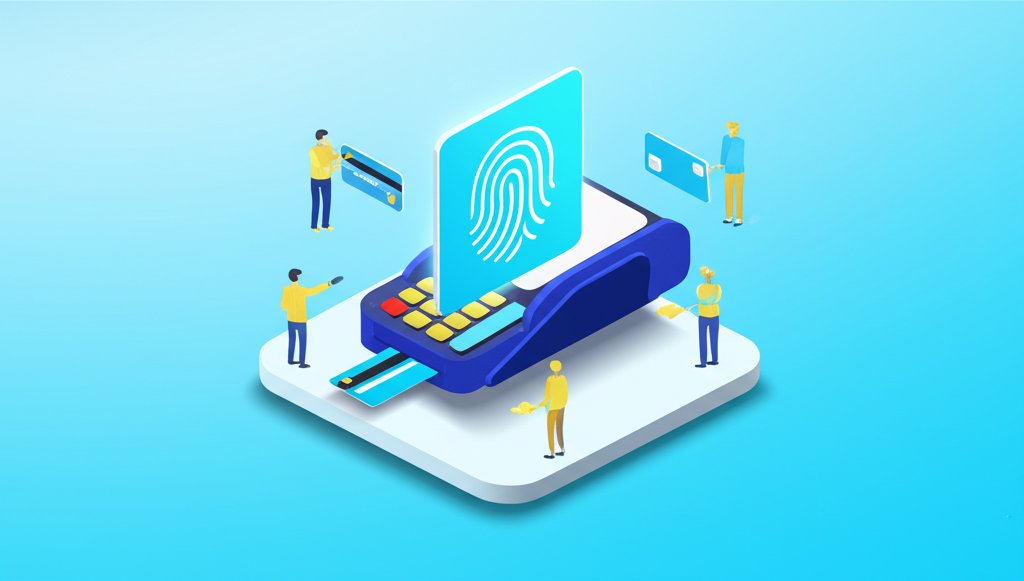
The promise of biometric credit card technology is compelling, but it’s important to examine the potential drawbacks.
The Upsides:
- Reduced Fraud: Biometric authentication makes it significantly harder for thieves to use stolen or skimmed cards. A 2024 study showed a potential 92% boost fraud detection accuracy when combining AI and biometrics.
- Convenience: No more fumbling for PINs or signing receipts, especially helpful during quick transactions.
- Enhanced Security for Contactless Payments: Contactless payments are projected to grow significantly, and biometrics add an extra layer of protection.
The Downsides: - Cost: Manufacturing biometric cards is currently more expensive, potentially adding $10-$20 per card. This cost can hinder widespread adoption.
- Privacy Concerns: Even though the data is stored locally, some consumers worry about potential breaches and data mishandling by banks.
- Accessibility: Not everyone has easily scannable fingerprints. Individuals with damaged or missing fingerprints might face challenges.
- Regulation Gaps: According to experts, the lack of clear regulations regarding biometric data ownership, especially in the U.S., creates vulnerabilities.
Are Biometric Credit Cards the Future? Analyzing Adoption and Market Trends
While still in its early stages, adoption of biometric credit card technology is growing, particularly in Europe and Asia. As you explore the future of credit, consider how biometric authentication fits into the bigger picture. Credit card future revealed here
Here’s a snapshot of current trends:
- Pilot Programs: Banks like BNP Paribas and NatWest have already issued over 1 million biometric cards.
- Contactless Payments Growth: The increasing popularity of contactless payments fuels the need for more secure solutions.
- Analyst Predictions: Experts predict that up to 20% of global card transactions will involve biometrics by 2030.
Competitive Landscape: - Digital Wallets: Services like Apple Pay and Google Pay offer biometric authentication using smartphones, providing competition to dedicated biometric cards.
- Virtual Credit Cards: Masked cards payment options, reducing fraud risks.
Overcoming the Hurdles: Challenges to Widespread Adoption
Despite the potential, biometric credit card technology faces several challenges before becoming mainstream:
- High Costs: The added cost of manufacturing needs to come down to make biometric cards accessible to all.
- Building Trust: Banks need to clearly communicate how biometric data is protected and address privacy concerns effectively.
- Accessibility: Solutions must be developed to accommodate individuals with fingerprint challenges.
- Global Standards: Establishing uniform regulations and standards for biometric data ownership and security is crucial.
Practical Playbook: Navigating the Biometric Payment Landscape

While widespread availability is still limited, here’s what you can do now:
- Stay Informed: Keep an eye on announcements from your bank regarding biometric card offerings.
- Evaluate Your Needs: Consider if the added security and convenience outweigh potential privacy concerns and accessibility issues.
- Ask Questions: When biometric cards become available, ask your bank about their data security policies and accessibility features.
- Explore Alternatives: If biometric cards aren’t available, explore digital wallets with biometric authentication or virtual credit cards for added security.
Quick Answers: Addressing Common Concerns
Q: Is my fingerprint data stored on a central server?
A: No. The fingerprint template is stored only on the card’s chip, not on a bank’s server. This localized storage significantly reduces the risk of large-scale data breaches.
Q: What happens if my fingerprint changes due to injury?
A: You would likely need to re-enroll your fingerprint on the card. The exact process would depend on the bank’s specific procedures.
Q: Are biometric cards compatible with all payment terminals?
A: Yes. Biometric cards are designed to work with existing contactless payment terminals. Once the fingerprint is verified, the card functions like a standard contactless card.
Q: How secure is the fingerprint data on the card itself?
A: The fingerprint template is encrypted and stored in a secure element on the card. While no system is entirely foolproof, this provides a strong level of protection against unauthorized access.
Q: Are there any regulations in place to protect my biometric data?
A: Regulations vary by region. The lack of standardized regulations in the U.S. is a concern. Always inquire with your bank about their data privacy policies.
Taking Action: Is a Biometric Credit Card Right for You?
Biometric credit cards offer a glimpse into a more secure and convenient payment future. While challenges remain, the potential benefits are undeniable. If you value enhanced security and streamlined transactions, keep an eye on developments in this space. When available, carefully evaluate the specific features and security measures offered by your bank before making a decision. By staying informed and asking the right questions, you can make the best choice for your needs.










