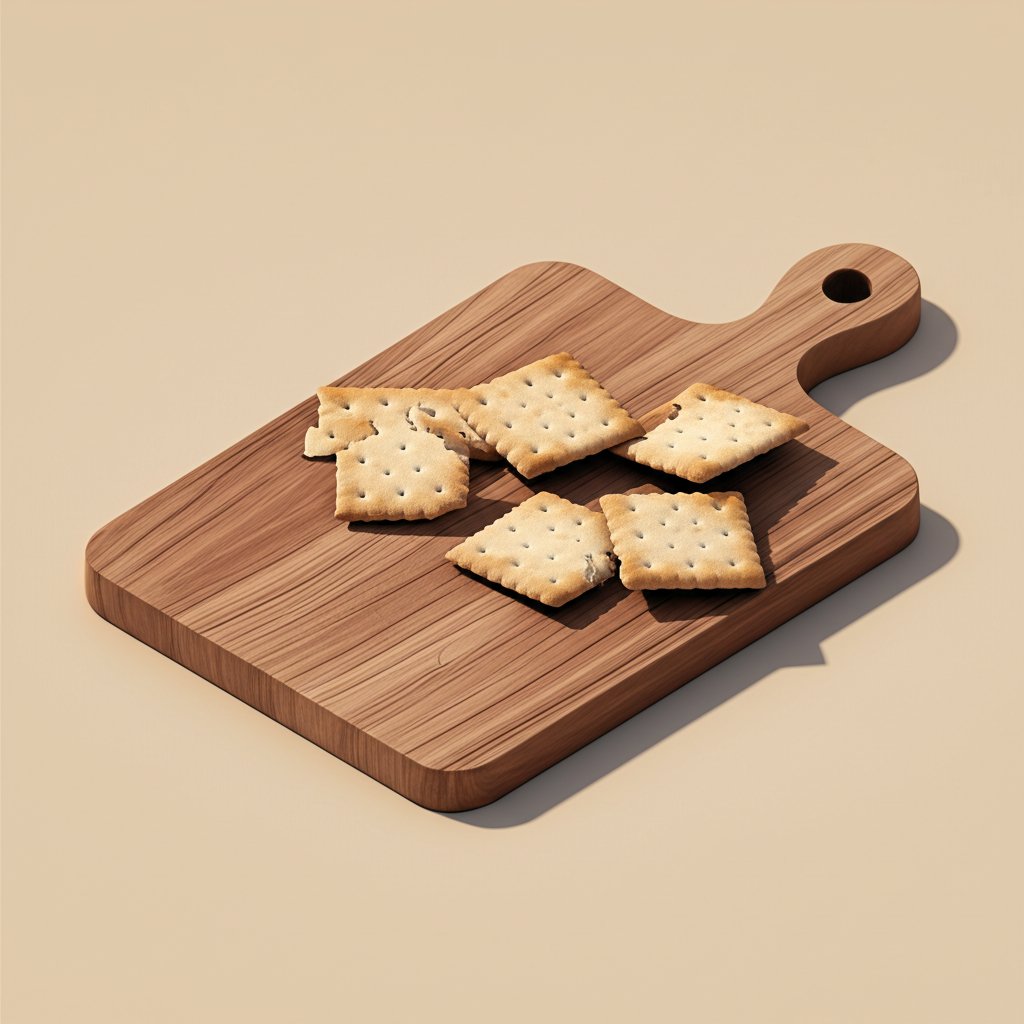
The story of Cross Crackers isn’t just a tale of a discontinued snack; it’s a microcosm of shifting consumer tastes and the brutal realities of the food industry. For 151 years, these crackers were a New England staple, baked in Vermont and sold from wooden barrels, a testament to a simpler time. But, like many beloved food brands, time eventually ran out.
At a glance:
- Discover the origins of Cross Crackers and their significance in Vermont’s history.
- Understand the factors that led to the demise of C.H. Cross & Sons.
- Explore the broader context of discontinued crackers and the trends that impact the food industry.
- Learn about the legacy of Cross Crackers and their lasting impact on regional food culture.
- Get a sense of how consumer trends and market forces continue to shape the snack landscape.
From Yeast to Yesterday: The Rise of Cross Crackers
Before mass-produced, individually wrapped everything, there was the “common cracker.” This term, particularly relevant in 1800s New England, refers to a specific type of cracker made with yeast, requiring a lengthy rising and kneading process. Cross Crackers, also known as Montpelier Crackers, were a prime example. Founded in 1828 by Charles and Thomas Cross, C.H. Cross & Sons became synonymous with this traditional cracker. They were more than just a snack; they were a community staple. They were often eaten with milk or butter, or crumbled into soups and stews. They even held a place at the table during holidays.
The Long Rise, the Quiet Fall: Why Cross Crackers Disappeared
After over a century and a half, C.H. Cross & Sons declared bankruptcy in 1979. What factors contributed to the end of this cracker dynasty? Several elements conspired to bring down Cross Crackers.
- Changing Tastes: Consumer preferences shifted away from the simple, hearty “common cracker” toward lighter, more flavorful, and more heavily marketed alternatives.
- Competition: The rise of national brands with larger marketing budgets and broader distribution networks squeezed out smaller, regional players like C.H. Cross & Sons. Think about the marketing power of Nabisco and Sunshine biscuits—it was hard to compete with that on a local level.
- Production Costs: Maintaining traditional production methods, essential to the cracker’s unique character, became increasingly expensive. Automation provides scale, but that can come at the expense of tradition.
A Regional Treasure Lost: The Cultural Impact of Cross Crackers
Cross Crackers weren’t just a food item; they were an integral part of Vermont’s culinary heritage. Their disappearance left a void in the regional food landscape. They were a taste of the past, a connection to a simpler time. Many long-time Vermonters remember buying the crackers from wooden barrels at local stores. These memories underscore the emotional attachment people can have to food brands, especially those with deep roots in their communities. For a broader look at how such memories tie into our snack history, check out Remembering Lost Cracker Bites.
Lessons from the Barrel: What Cross Crackers Teach Us About the Food Industry
The story of Cross Crackers offers valuable lessons about the food industry and the challenges faced by smaller brands.
- Adaptability is Key: Companies must adapt to changing consumer tastes and market trends to survive. Remaining static can be a one-way ticket to obsolescence.
- Brand Loyalty Matters: Building strong brand loyalty can help companies weather storms, but it’s not a guarantee of success. Loyal customers can only do so much if a product becomes too expensive or inaccessible.
- Authenticity Has Value: While modernization often seems essential, preserving authenticity, whether it’s a recipe or a manufacturing process, can be a strong differentiator and a powerful marketing tool.
Could Cross Crackers Make a Comeback?
The revival of discontinued food brands is a recurring theme in the food industry. Could Cross Crackers be next? It’s not impossible, but several factors would need to align.
- Nostalgia: Capitalizing on nostalgia for the “good old days” could attract initial interest.
- Authenticity: Maintaining the original recipe and production methods would be crucial. Consumers are often quick to detect changes that compromise the original flavor or texture.
- Marketing: A targeted marketing campaign focusing on the brand’s heritage and Vermont roots could generate buzz.
Practical Playbook: Reviving a Heritage Brand
Let’s say someone wanted to bring back Cross Crackers. Here’s a quick start:
- Market Research: Gauge current consumer interest and identify the target audience. Do people even REMEMBER Cross Crackers? Are they romanticizing them?
- Recipe Reconstruction: Track down the original recipe and ensure it can be replicated accurately. Sourcing the same ingredients might be a challenge.
- Production Planning: Determine the most cost-effective and authentic production methods. Balance tradition with modern efficiency.
- Branding and Marketing: Develop a brand identity that emphasizes the cracker’s heritage and Vermont roots.
- Distribution: Establish a distribution network that reaches the target audience. Start local, then expand.
Potential Pitfalls:
- High Production Costs: Traditional methods can be expensive, potentially pricing the crackers out of the market.
- Changing Tastes: Modern consumers may not appreciate the simple flavor of the original crackers.
- Competition: The snack market is crowded and competitive.
Quick Answers: Lingering Questions About Cross Crackers
Q: Why couldn’t C.H. Cross & Sons adapt to changing times?
A: Smaller, family-owned businesses often lack the resources and expertise to compete with larger corporations regarding marketing, R&D, and distribution. They may also be resistant to change, clinging to traditional methods that are no longer economically viable.
Q: Were Cross Crackers healthier than modern crackers?
A: While specific nutritional information is scarce, it’s likely they contained fewer additives and preservatives than many modern crackers. However, “healthy” is relative and depends on individual dietary needs.
Q: Is there any way to recreate the taste of Cross Crackers at home?
A: Recreating the exact flavor would be difficult without the original recipe and production methods. However, searching for “common cracker recipe” online can provide a starting point for experimenting with homemade versions.
Q: What other Vermont food brands have suffered a similar fate?
A: Many smaller, regional food brands have disappeared over the years due to similar pressures. Researching Vermont’s culinary history can reveal other examples of lost food traditions.
Q: Did Julia Child ever mention Cross Crackers?
A: There is no readily available evidence to suggest Julia Child specifically mentioned Cross Crackers. However, she was a strong advocate for simple, authentic ingredients and traditional cooking methods, so it’s possible she would have appreciated them.
Actionable Close: From Crumbles to Comebacks
The tale of Cross Crackers serves as a reminder that even the most beloved food brands are not immune to the forces of change. But, it also provides hope for the potential revival of lost culinary traditions. By understanding the factors that led to the demise of Cross Crackers, we can gain valuable insights into the food industry and the importance of preserving regional food cultures. While the cracker may be gone, its story continues to resonate, reminding us of a simpler time and the enduring power of food to connect us to our past.










