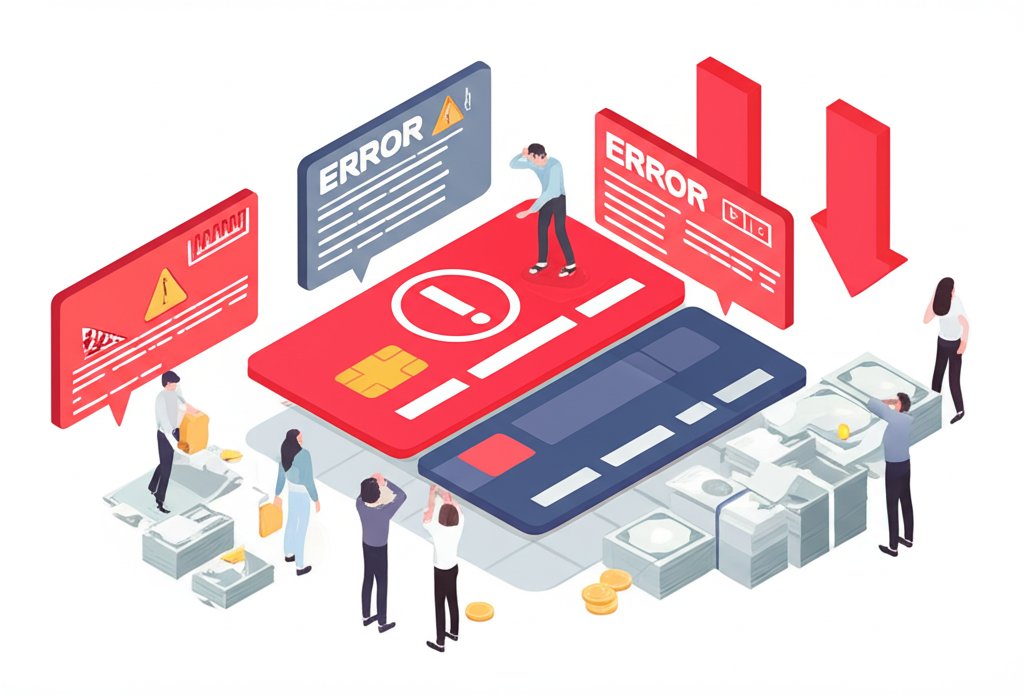
Ever spot a mysterious charge on your credit card statement that makes you scratch your head? Or maybe you were double-billed for that concert ticket? The Fair Credit Billing Act (FCBA) is your shield, giving you the right to dispute these errors and protect your credit. This guide dives deep into your FCBA rights, helping you navigate disputes effectively.
At a glance:
- Understand your rights to dispute billing errors under the Fair Credit Billing Act.
- Learn the step-by-step process for filing a dispute and the critical deadlines.
- Discover how to protect your credit score while a billing error is under investigation.
- Know your limited liability for unauthorized charges and how to report them.
- Avoid common pitfalls and missteps when dealing with credit card billing errors.
The FCBA: Your Consumer Protection Foundation
The Fair Credit Billing Act (FCBA), enacted in 1974, is a cornerstone of consumer protection. It gives you specific rights when it comes to resolving billing errors on your credit card statements. Think of it as your legal right to a fair and accurate billing process. It amends the Truth in Lending Act (TILA) and solely focuses on open-end credit accounts which include credit cards, charge cards, and even home equity lines of credit. Installment contracts and debit cards transactions are not covered under FCBA.
What Exactly Constitutes a “Billing Error”?
The FCBA defines a “billing error” broadly. Here are some examples:
- Unauthorized charges: Charges you didn’t make or authorize.
- Incorrect amounts: A purchase was billed for the wrong amount.
- Incorrect dates: A charge is listed with the wrong date.
- Charges for undelivered or misrepresented goods/services: You ordered something that never arrived, or what you received was significantly different from what was advertised. Think: Receiving a fake designer bag instead of the real one.
- Calculation errors: Mathematical errors in your billing statement.
- Missing credits: A payment you made isn’t reflected on your statement.
- Unfamiliar charges: Charges you don’t recognize.
- Incorrectly addressed bills: Bills sent to the wrong address preventing you from being able to pay on time.
Example: You return a sweater to a store, and the credit for the return doesn’t appear on your next statement. This is a billing error you can dispute.
Step-by-Step: How to Dispute a Billing Error
Here’s a detailed guide on how to exercise your rights under the FCBA:
- Attempt to Resolve with the Merchant First: Before involving your credit card issuer, try contacting the merchant directly. Sometimes, a simple phone call can resolve the issue quickly. Keep a record of your communication, including the date, time, and the name of the person you spoke with.
- Notify Your Creditor in Writing: This is crucial. The FCBA requires you to notify your credit card issuer in writing within 60 days of the date on the first billing statement containing the error. A phone call or email is not sufficient to trigger the FCBA protections.
- Craft a Clear and Concise Dispute Letter: Your letter should include:
- Your full name and account number.
- A clear description of the billing error, including the date and amount of the charge.
- An explanation of why you believe it’s an error.
- Copies of any supporting documentation (e.g., receipts, return confirmations, screenshots).
- Send the letter to the address designated for billing inquiries, usually found on your statement or the credit card issuer’s website.
- Send Your Letter via Certified Mail with Return Receipt Requested: This provides proof that your creditor received your dispute letter.
- Review Your Credit Card Statements: Continue to monitor your statements for any further activity related to the disputed charge.
Pro-Tip: Create a template dispute letter to save time and ensure you include all the necessary information.
Creditor’s Responsibilities: What to Expect

Once you’ve submitted your dispute, your creditor has specific obligations under the FCBA:
- Acknowledgment: The creditor must acknowledge your dispute in writing within 30 days of receiving it.
- Investigation: The creditor must investigate the dispute and resolve it within two billing cycles (but no more than 90 days).
- Resolution: The creditor must either:
- Correct the error and credit your account (including any related finance charges).
- Provide a written explanation of why they believe the charge is valid, along with copies of documentation supporting their decision.
Important: During the investigation, the creditor cannot try to collect the disputed amount, charge you interest on it, or report you to credit bureaus as delinquent.
Protecting Your Credit Score During a Dispute
A key benefit of the FCBA is credit score protection. As long as you’ve followed the proper procedures for disputing the charge, your creditor cannot report the disputed amount to credit bureaus as late or delinquent. This safeguards your credit score while the investigation is underway.
However, it’s critical to continue making payments on the undisputed portions of your bill to avoid late fees and potential credit score damage.
Unauthorized Charges: Limiting Your Liability
The FCBA limits your liability for unauthorized charges to a maximum of $50. However, if you report your credit card lost or stolen before any unauthorized charges are made, you have zero liability.
Quick Action: If you suspect your card has been lost or stolen, report it to your credit card issuer immediately. The faster you report it, the more protection you have.
What Happens If the Creditor Finds the Charge Is Valid?
If the creditor determines the charge is valid, they must provide you with a written explanation and supporting documentation. You then have a few options:
- Pay the Disputed Amount: If you accept the creditor’s explanation, pay the disputed amount, including any accrued interest or fees.
- Request More Information: If you still disagree, you can request more detailed documentation or clarification from the creditor.
- Consider Legal Action: As a last resort, you can consult with an attorney to explore your legal options.
Common Pitfalls and How to Avoid Them
- Missing the 60-Day Deadline: Submit your dispute in writing within 60 days of the statement date. Mark your calendar!
- Not Sending a Written Dispute: Phone calls don’t count. A written dispute is mandatory under the FCBA.
- Failing to Keep Records: Keep copies of all correspondence, receipts, and other supporting documents.
- Ignoring the Undisputed Portion of Your Bill: Continue to pay the undisputed amount to avoid late fees and credit score damage.
- Assuming the Creditor Will Automatically Investigate: You must initiate the dispute process.
Fair Credit Billing Act vs. Fair Credit Reporting Act: What’s the Difference?
It’s easy to confuse the Fair Credit Billing Act (FCBA) with the Fair Credit Reporting Act (FCRA), but they address different aspects of consumer credit. The FCBA deals with billing errors on your credit card statements, while the FCRA focuses on the accuracy and privacy of your credit report information.
For example, if you find an incorrect account balance on your credit report, you would dispute it under the FCRA. If you are incorrectly billed for a purchase on your credit card, the FCBA is the relevant law.
Want to understand the broader landscape of credit card rights? You can Short & Sweet: * Credit card consumer rights Slightly More Descriptive: * Learn about credit card laws Action-Oriented: * Understand your credit card rights in our pillar article.
Quick Answers: Common Questions About the FCBA
Q: Does the FCBA apply to debit card transactions?
A: No, the FCBA only applies to credit cards and other open-end credit accounts. Debit card transactions are governed by the Electronic Fund Transfer Act (EFTA).
Q: What if I don’t have a copy of the receipt?
A: While a receipt is helpful, it’s not always required. Provide as much information as possible about the transaction, such as the date, time, and location. The creditor may be able to investigate based on this information.
Q: Can I dispute a charge if I simply changed my mind about a purchase?
A: Generally, no. The FCBA is intended for billing errors, not buyer’s remorse. However, if the merchant misrepresented the product or service, you may have grounds for a dispute.
Q: What happens if the creditor doesn’t respond to my dispute within 30 days?
A: While the FCBA requires acknowledgment within 30 days, the more critical deadline is the resolution timeframe (two billing cycles or 90 days). Document the lack of response and escalate the issue with the creditor’s customer service department.
Q: Can I withhold payment for the disputed amount while the investigation is ongoing?
A: Yes, you have the right to withhold payment for the disputed amount without penalty. However, you must continue to pay the undisputed portion of your bill.
Your FCBA Action Plan: A Quick Start
- Spot an error? Immediately contact the merchant to try and resolve.
- Write it down! Draft a formal dispute letter with all details.
- Mail it right. Send via certified mail, return receipt requested.
- Pay what’s due. Continue to pay the undisputed balance.
- Document everything. Keep copies of all correspondence.
- Stay vigilant. Review statements and follow up if needed.
By understanding your rights under the Fair Credit Billing Act and following these steps, you can confidently navigate credit card billing errors and protect your financial well-being. Don’t let unauthorized or incorrect charges slide—take action and ensure accuracy in your credit card billing.










