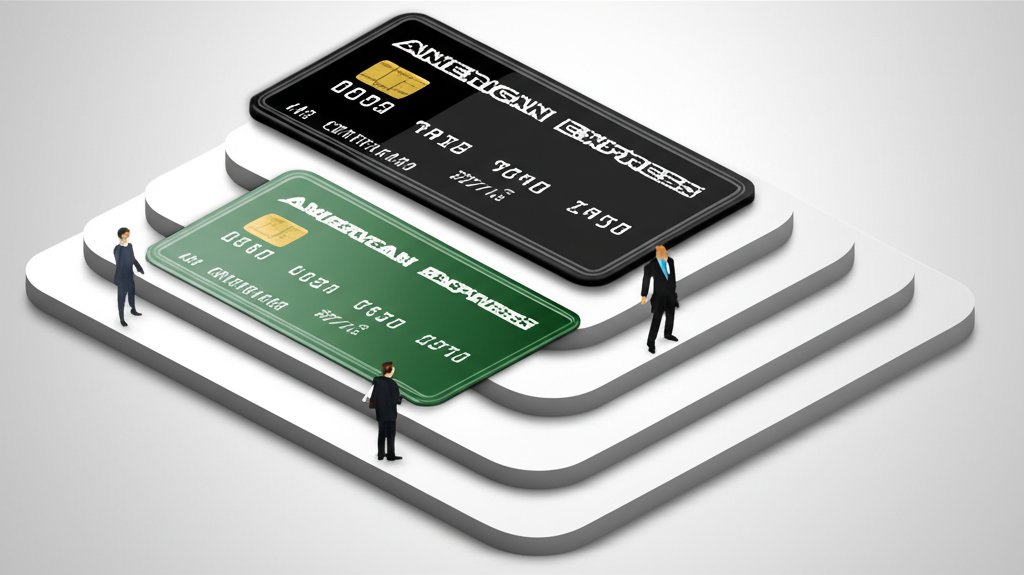
Think of “plastic money” today, and logos from Visa, Mastercard, American Express, and Discover likely spring to mind. But American Express card history is a unique story of innovation and catering to a specific niche that set it apart from the start. While others focused on general credit, Amex doubled down on travel and entertainment.
At a glance:
- Understand how American Express’s initial “Travel & Entertainment” focus shaped its brand.
- Explore the key milestones in Amex card development, from cardboard to chip technology.
- Learn about the strategies American Express used to establish itself as a premium brand.
- Discover how Amex adapted to changing payment technologies and market dynamics over time.
- Identify key lessons from American Express’s history for modern businesses.
From Charge Cards to Green Glory: The Early Days
American Express launched its card in 1958, a year before it introduced the first plastic card in 1959, initially targeting travelers and entertainment spenders. Before this pivotal moment, they were already a powerhouse in traveler’s checks, so the card was a natural extension of their existing services. The initial card, often remembered for its green color, was designed to be a charge card, meaning the balance was due in full each month. This differed from the revolving credit offered by BankAmericard (later Visa), introduced in the same year, that allowed users to carry a balance.
The decision to focus on Travel & Entertainment (T&E) was a key differentiator. It allowed American Express to target a more affluent customer base who valued convenience and prestige. Plus, Amex could charge merchants higher fees, as these establishments were willing to pay for access to Amex cardholders.
Key Milestones in the Amex Card Story
To understand the full scope of American Express card history, it’s helpful to look at specific milestones that shaped its evolution:
- 1958: Launch of the American Express “Travel & Entertainment” card. This marked AMEX’s entry into the credit card market.
- 1959: American Express pioneers the use of plastic cards. This was a significant shift from the cardboard cards used by competitors.
- 1966: By this point, Amex had signed up 1 million cardholders.
- 1984: Introduction of the Optima card, Amex’s first revolving credit card (allowing balances to be carried over). This was crucial to compete with Visa and Mastercard.
- 1999: American Express launched its first website.
- 2000s: Adoption of EMV chip technology for enhanced security.
- Present: Continued innovation in digital payment solutions and rewards programs.
These events illustrate how American Express adapted to competitive pressures and technological advancements, while staying true to its core brand identity. If you want to dive deeper into the broader context of how credit cards developed, take a look at Credit Card History & Evolution.
Building a Premium Brand: Rewards, Recognition, and Exclusivity

American Express didn’t just want to be another credit card; it wanted to be the credit card. Several strategies helped achieve this:
- High Annual Fees: Charging higher annual fees than competitors signaled exclusivity and helped fund richer rewards programs.
- Rewards Programs: Introduction of Membership Rewards, allowing cardholders to earn points for spending and redeem them for travel, merchandise, and other benefits.
- Partnerships: Strategic alliances with airlines, hotels, and retailers to offer exclusive benefits to Amex cardholders. Think Delta SkyMiles and Hilton Honors.
- “American Express is widely accepted” campaign: This was a response to merchant acceptance being less than Visa/Mastercard.
These tactics not only attracted a wealthier clientele but also created a perception of value and status associated with the brand.
Adapting to Change: Technology and Competition
The credit card landscape is constantly evolving. American Express has had to adapt to remain competitive:
- Embracing EMV Chip Technology: Early adoption of chip-and-PIN cards enhanced security and reduced fraud.
- Mobile Payments: Integration with digital wallets like Apple Pay and Google Pay.
- Competing with Fintechs: Partnerships with fintech companies and development of its own digital payment solutions.
- Evolving Rewards: Shifting rewards programs to cater to changing consumer preferences – more focus on experiences and personalized offers.
Lessons from American Express Card History
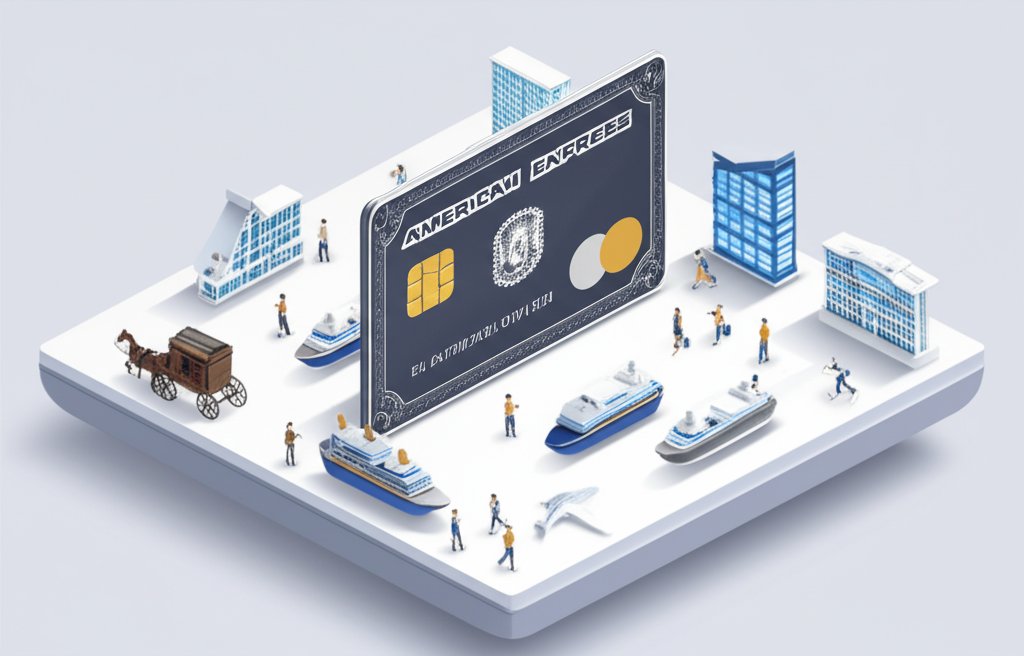
What can businesses learn from American Express card history? Plenty. Here are a few takeaways:
- Find a Niche: American Express succeeded by focusing on the travel and entertainment market. Specializing allows you to tailor your product to a specific audience and build a strong brand identity.
- Build a Brand, Not Just a Product: American Express cultivated a perception of luxury and exclusivity. Your brand is more than just your product; it’s the entire experience you offer customers.
- Adapt or Die: The payments industry is constantly evolving. Be willing to adapt to new technologies and changing consumer preferences.
- Loyalty Matters: American Express has a loyal customer base due to its rewards programs and customer service. Customer loyalty is essential for long-term success.
Practical Playbook: How to Apply Amex’s Lessons Today
Here’s a quick start guide to implementing some of the lessons from American Express’s story:
- Define Your Target Audience: Identify a specific customer segment you want to serve. What are their needs and pain points?
- Develop a Unique Value Proposition: What makes your product or service different from the competition? How can you offer something that your target audience can’t get anywhere else?
- Build a Strong Brand: Develop a brand identity that reflects your values and resonates with your target audience.
- Offer Exceptional Customer Service: Go above and beyond to provide excellent customer service. This will help you build customer loyalty and positive word-of-mouth.
- Stay Ahead of the Curve: Keep up with the latest trends in your industry and be willing to experiment with new technologies.
Quick Answers: Common Questions About American Express
Let’s tackle some frequently asked questions about Amex:
Q: Why was American Express initially focused on Travel & Entertainment?
A: American Express had a strong presence in traveler’s checks, making the T&E market a natural extension. It also allowed them to target a more affluent customer base.
Q: How did American Express differentiate itself from Visa and Mastercard?
A: By focusing on rewards programs, building a premium brand, and initially operating as a charge card company (requiring full payment each month), Amex distinguished itself as a more exclusive option.
Q: Is American Express accepted everywhere?
A: While acceptance has increased over the years, American Express might not be accepted at every merchant, especially smaller ones. This is often due to the higher merchant fees charged by American Express.
Q: How has American Express adapted to the rise of digital payments?
A: American Express has integrated with mobile wallets, developed its own digital payment solutions, and partnered with fintech companies to stay competitive in the digital age.
Actionable Close: Crafting Your Own Success Story
American Express card history is a testament to the power of innovation, brand building, and adaptation. By understanding the key milestones and strategies that shaped American Express’s journey, businesses can gain valuable insights into how to succeed in today’s dynamic marketplace. Don’t just offer a product or service – build a brand that resonates with your target audience and creates lasting value. And always be ready to adapt to the ever-changing needs of your customers.










