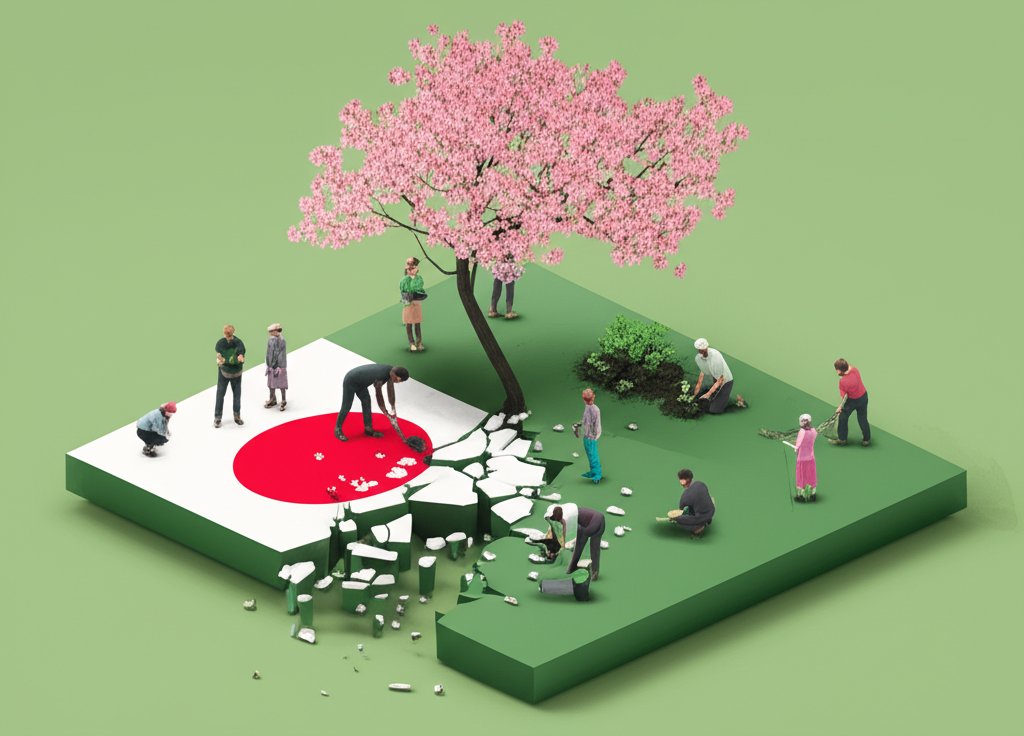
The atomic bombing of Hiroshima and Nagasaki in August 1945 shook Japan, but the formal surrender and signing of the instrument of surrender on September 2nd, 1945, aboard the USS Missouri in Tokyo Bay, definitively marked the end of World War II. Understanding the events leading up to this pivotal moment helps contextualize the immense significance of this day and its lasting impact.
At a glance:
- Understand the key factors that led to Japan’s surrender, including the devastating atomic bombs and Soviet intervention.
- Learn about the formal surrender ceremony and its symbolic importance.
- Explore the immediate aftermath of the surrender and its impact on Japan and the world.
- Grasp the long-term consequences of the September 1945 victory over Japan, including the Allied occupation and the rise of new world powers.
The Road to Surrender: More Than Just Atomic Bombs
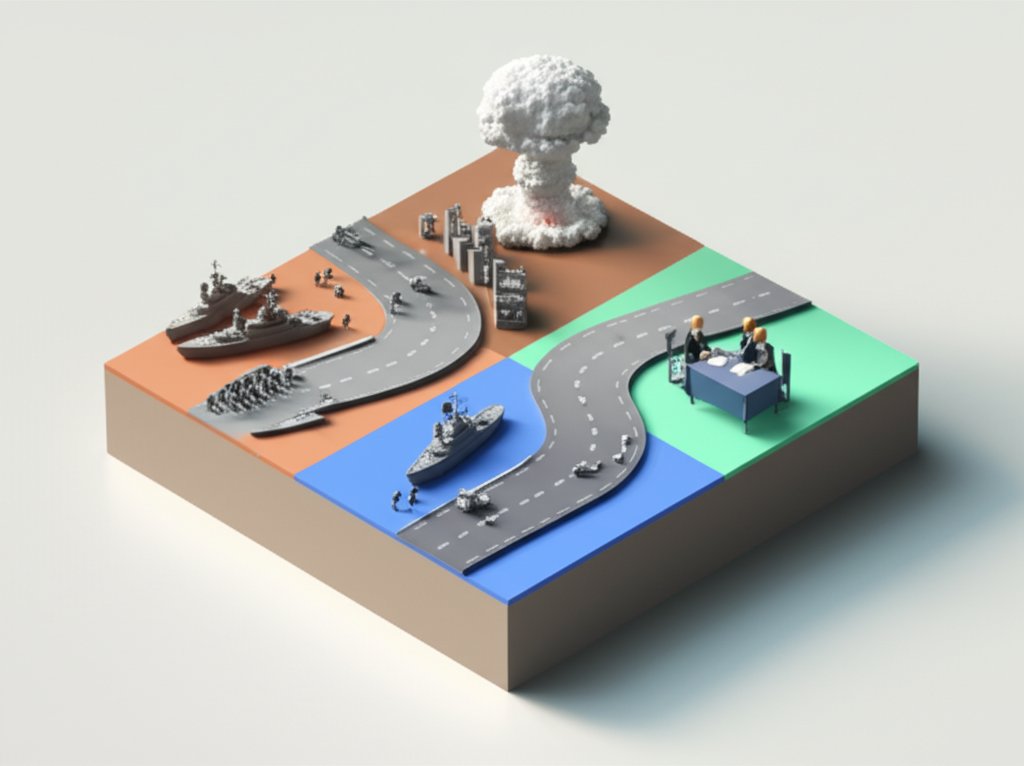
While the atomic bombings of Hiroshima and Nagasaki are often cited as the primary reason for Japan’s surrender, the reality is more nuanced. Several factors converged to force Japan’s hand.
- Devastating Bombings: The sheer destructive power of the atomic bombs was undeniable and shattered Japanese morale. However, some argue that Japan would have eventually surrendered even without them, albeit at a higher cost in lives.
- Soviet Intervention: On August 9th, 1945, the Soviet Union declared war on Japan and invaded Manchuria. This shattered any hope Japan had of using the Soviet Union as a mediator to negotiate a conditional surrender with the Allies. The Kwantung Army, Japan’s elite force in Manchuria, was quickly decimated.
- Unconditional Surrender Demand: The Allied demand for unconditional surrender, formalized in the Potsdam Declaration, presented a significant obstacle for Japan. Some factions within the Japanese government sought to preserve the Emperor’s position and avoid occupation.
- Economic Strain: Years of war had severely strained the Japanese economy. Resources were scarce, and industry was crippled.
- Naval Blockade: The US Navy’s effective blockade of Japan significantly hampered the movement of resources and further weakened the nation’s war effort.
All these elements worked together to make the situation for Japan untenable.
The USS Missouri: A Stage for History
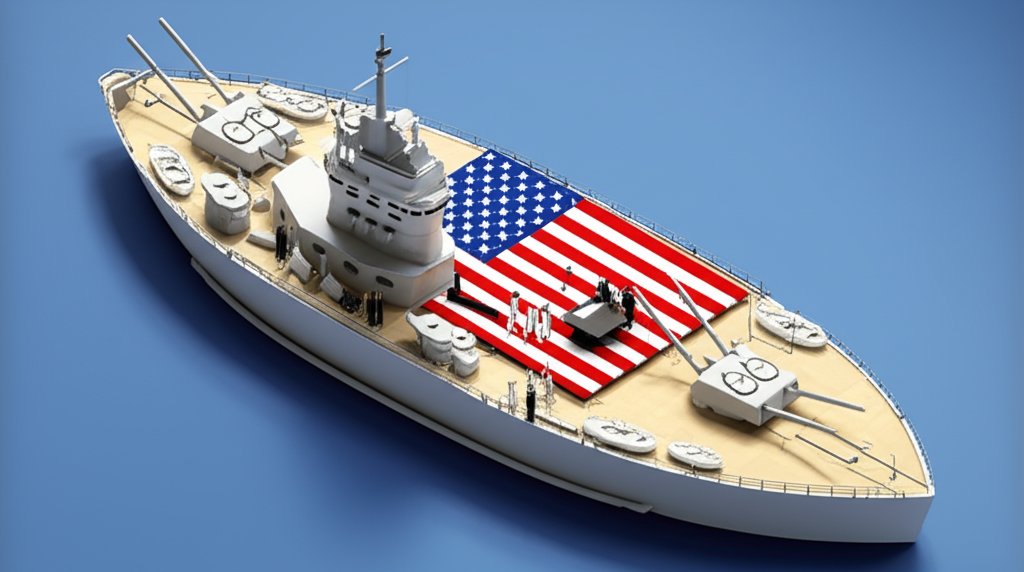
The choice of the USS Missouri as the site for the surrender ceremony held particular significance. The battleship was named after President Truman’s home state, symbolizing America’s leading role in the Allied victory.
The ceremony itself was a carefully orchestrated event. Representatives from the Allied powers, including the United States, Great Britain, the Soviet Union, China, Australia, Canada, France, the Netherlands, and New Zealand, were present.
- The Signing: Japanese Foreign Minister Mamoru Shigemitsu, representing the Emperor and the Japanese government, signed the Instrument of Surrender. General Douglas MacArthur, as Supreme Commander for the Allied Powers, then signed on behalf of the Allies.
- A Moment of Reflection: While joyous for the Allied forces, the atmosphere was also solemn, acknowledging the immense loss of life and devastation caused by the war.
- Symbolism: The signing on the deck of a US battleship powerfully symbolized the shift in global power and the end of Japanese imperial ambitions.
For a broader view of the events surrounding the war’s outbreak, consider exploring “WWII’s September Turning Points.”
Immediate Aftermath: A Nation in Shock and Transition
The days and weeks following the September 1945 victory over Japan were marked by profound change and uncertainty.
- Occupation Begins: The Allied occupation of Japan, led by General MacArthur, commenced. The goal was to demilitarize and democratize Japan.
- Disarmament and Demobilization: The Japanese military was disbanded, and its weapons were confiscated. Millions of soldiers and civilians were repatriated from overseas territories.
- Economic Recovery: The task of rebuilding Japan’s shattered economy was daunting. The Allied occupation authorities implemented reforms to promote economic growth and stability.
- Political Reform: A new constitution was drafted, abolishing the Emperor’s absolute power and establishing a parliamentary democracy.
- War Crimes Trials: Japanese leaders were tried for war crimes, with some being sentenced to death or imprisonment.
Long-Term Consequences: A New World Order
The September 1945 victory over Japan had far-reaching and lasting consequences that reshaped the global landscape.
- Rise of the US and Soviet Union: World War II significantly weakened the traditional European powers, paving the way for the United States and the Soviet Union to emerge as the dominant superpowers.
- The Cold War: The ideological differences between the US and the Soviet Union soon led to the Cold War, a period of intense geopolitical rivalry that lasted for decades.
- Decolonization: The war weakened European empires, accelerating the process of decolonization in Asia and Africa.
- Japanese Transformation: Japan underwent a remarkable transformation, evolving from an aggressive imperial power into a peaceful and prosperous nation.
- Global Institutions: The war led to the creation of international organizations such as the United Nations, aimed at preventing future conflicts and promoting international cooperation.
September 1945 Victory Over Japan: A Practical Playbook
Here’s a step-by-step guide to understanding the significance of Japan’s surrender in September 1945:
- Research the Context: Begin by studying the major events of World War II, particularly the Pacific Theater.
- Focus on Key Dates: Pay close attention to the dates of the atomic bombings, the Soviet invasion of Manchuria, and the signing of the Instrument of Surrender.
- Analyze Primary Sources: Read excerpts from the Potsdam Declaration and the Instrument of Surrender.
- Explore Different Perspectives: Consider the perspectives of the Allied powers, the Japanese government, and ordinary Japanese citizens.
- Evaluate the Legacy: Reflect on the long-term consequences of the September 1945 victory over Japan and its impact on the world today.
Implementation Tips:
- Use reputable sources: Consult academic books, historical documents, and credible news articles.
- Consider multiple viewpoints: Avoid relying solely on one narrative. Seek out diverse perspectives to gain a more comprehensive understanding.
- Engage in critical thinking: Analyze the evidence and draw your own conclusions.
- Discuss with others: Share your insights and engage in thoughtful discussions with others interested in the topic.
Quick Answers: Common Questions about Japan’s Surrender
Q: Was the atomic bombing of Japan necessary?
A: This remains a highly debated topic. Some argue it was necessary to avoid a costly invasion of Japan, while others contend that Japan was already on the verge of surrender and the bombings were unjustified.
Q: Could Japan have negotiated a conditional surrender?
A: Japan attempted to explore conditional surrender terms through the Soviet Union, but the Allied demand for unconditional surrender made negotiations difficult. The preservation of the Emperor’s status was a key sticking point.
Q: What was the role of the Emperor in Japan’s surrender?
A: Emperor Hirohito played a crucial role in Japan’s surrender by breaking the deadlock within the government and accepting the terms of the Potsdam Declaration. His unprecedented radio address to the nation on August 15th, 1945, announced the surrender.
Q: How did the September 1945 victory over Japan affect ordinary Japanese citizens?
A: Ordinary Japanese citizens faced immense hardship in the aftermath of the surrender. They had to cope with food shortages, economic hardship, and the psychological trauma of war. The Allied occupation brought about significant social and political changes that transformed Japanese society.
Remembering the Lessons of September 1945
Reflecting on the September 1945 victory over Japan compels us to consider the multifaceted nature of historical events and the long-lasting consequences of war. Understanding the events leading to the surrender, the surrender ceremony itself, and the aftermath allows for a deeper comprehension of this pivotal moment in history. The end of WWII reshaped the world, and the lessons learned continue to resonate today.










