
September: it’s more than just back-to-school and pumpkin spice. In the United States, September has been a crucible of pivotal events, shaping the nation’s political landscape, technological advancements, and cultural identity. Understanding these events provides context for today’s America.
At a glance:
- Explore the key moments in September that forged the U.S. we know today.
- Understand the context behind landmark political decisions made in September.
- Discover how September innovations changed the course of American life.
- Grasp the lasting impact of September tragedies and triumphs.
September’s Political Turning Points: Shaping American Governance
September has witnessed major political milestones that continue to resonate. From the birth of crucial government departments to constitutional cornerstones, the decisions made in this month have molded the structure of American governance.
The Genesis of Key Departments:
Several vital government departments were established in September. The United States Treasury, responsible for managing the nation’s finances, was created on September 2, 1789. Later that month, on September 26th, George Washington appointed Thomas Jefferson as the first Secretary of State, a position crucial for foreign policy. More recently, the Department of Defense and the CIA were both established on September 18, 1947, reflecting the US’s evolving role in global affairs post-World War II.
Example: Consider the Treasury Department. Its creation laid the groundwork for a stable financial system, enabling the young nation to establish credit and fund its operations.
Constitutional Landmarks:
September is also significant for milestones in the establishment of US foundational laws. On September 17, 1787, the United States Constitution was signed, laying the legal and philosophical bedrock for American democracy and defining how the government would operate. The first US federal budget was passed by the Continental Congress on September 19, 1778, establishing a framework for managing public finances.
Example: The signing of the Constitution wasn’t the end of the story. Ratification by the states, the subsequent Bill of Rights, and ongoing interpretation by the Supreme Court continue to shape its meaning.
Pardons and Political Fallout:
Presidential pardons, often controversial, have also occurred in September. On September 8, 1974, President Gerald Ford pardoned Richard Nixon for any crimes he may have committed while in office, a decision that sparked widespread debate and continues to be analyzed for its impact on the nation’s healing process after Watergate.
Example: The Ford-Nixon pardon illustrates the inherent tension between justice, political expediency, and the public trust.
Landmark Innovations and Economic Shifts Occurring in September
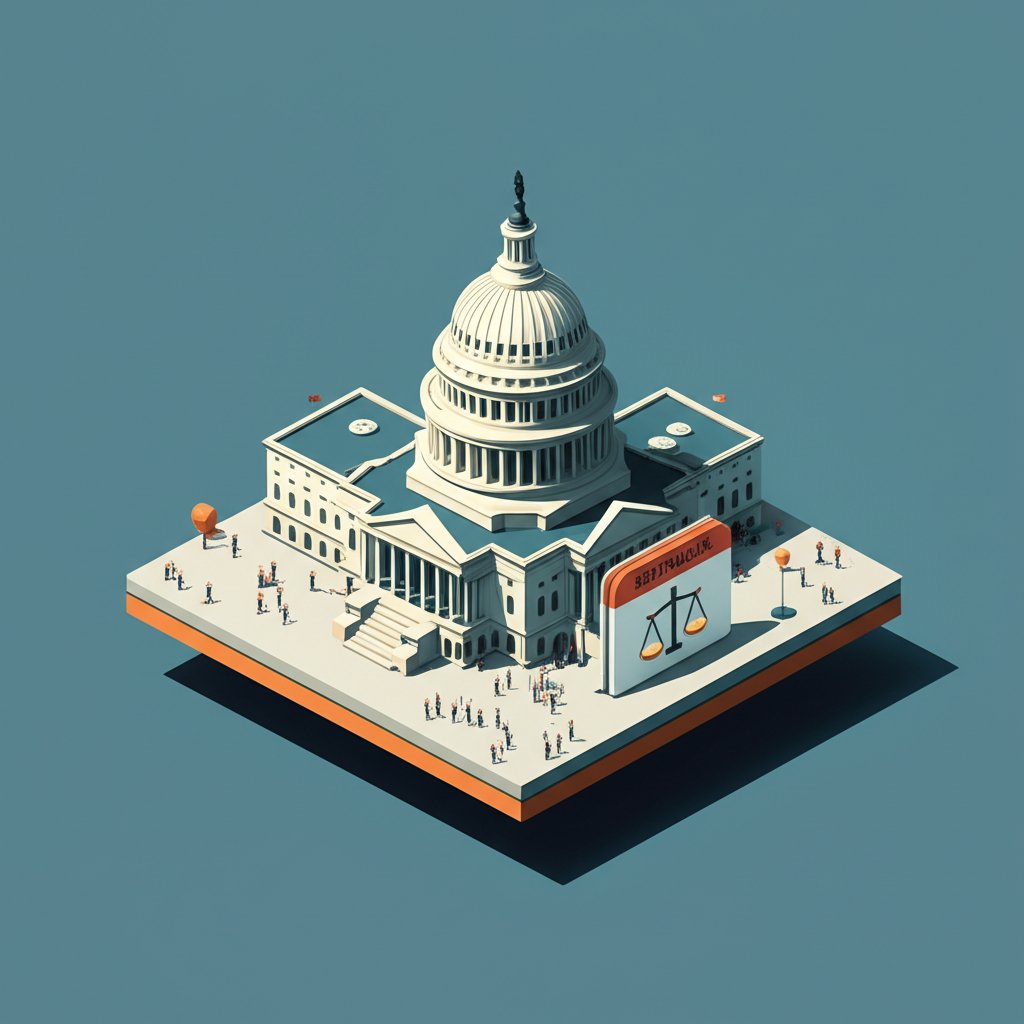
Beyond politics, September has hosted the dawn of transformative innovations that reshaped the American economy and daily life. From credit cards to search engines, September has been a hotbed of innovation.
The Dawn of Credit:
On September 18, 1958, Bank of America launched the BankAmericard, the precursor to Visa, revolutionizing consumer finance. This innovation allowed people to make purchases on credit, fueling economic growth and changing the way Americans managed their money.
Example: Before credit cards, layaway plans and cash transactions were the norm. BankAmericard opened a world of immediate purchasing power.
The Rise of General Motors:
The General Motors Corporation, a cornerstone of the American automotive industry, was founded on September 16, 1908. GM’s rise influenced manufacturing processes, labor relations, and even urban planning.
Example: GM’s success demonstrates the impact of economies of scale, technological innovation, and strategic marketing on the American economy.
The Birth of Search:
While many might think of other dates, September 27, 1998, is claimed by the Google internet search engine as its birthday. Google’s emergence transformed how information is accessed and has profoundly impacted communication, education, and commerce.
Example: Consider the pre-Google world: relying on libraries, printed directories, and word-of-mouth. Google put the world’s information at our fingertips.
September’s Tragedies and Triumphs: Defining American Resilience
September has also been a month of profound tragedies and inspiring triumphs, testing and showcasing American resilience and unity.
The Scars of 9/11:
The terrorist attacks of September 11, 2001, remain etched in the nation’s memory. The attacks on the World Trade Center and the Pentagon resulted in immense loss of life and triggered significant shifts in national security policy and global geopolitics.
Example: 9/11 prompted widespread reflection on American values, foreign policy, and the balance between security and freedom.
Hurricane Devastation: Galveston and Katrina:
September has also brought devastating natural disasters. Hurricane Galveston struck Texas on September 8, 1900, causing immense casualties and remains one of the deadliest natural disasters in US history. More recently, Hurricane Katrina struck Gulf Shores, Alabama, on September 16, 2004, causing widespread destruction and highlighting the vulnerabilities of coastal communities.
Example: These hurricanes underscored the importance of disaster preparedness, infrastructure resilience, and effective emergency response.
The Pledge of Allegiance:
On a more unifying note, the Pledge of Allegiance was first published on September 8, 1892. Although its wording has evolved over time, it continues to be recited by Americans as a symbol of national unity and patriotism.
Example: The Pledge of Allegiance became a common ritual in schools, public events, and government ceremonies.
To explore these moments further and gain a broader understanding, September: A month in history provides a comprehensive overview.
Practical Playbook: Leveraging September’s Historical Lessons

How can we apply these historical insights to our lives today? Here’s a quick guide:
- Understand Policy Roots: When discussing current events, remember the historical context of key government departments (Treasury, State, Defense, CIA) established in September. Knowing their origins can inform your perspective on their current roles and responsibilities.
- Appreciate Constitutional Foundations: Reflect on the principles enshrined in the US Constitution, signed in September, when engaging in civic discussions. Understand the debates surrounding its interpretation and application.
- Recognize Innovation’s Impact: Take note of how September innovations like credit cards and the founding of GM changed the economic landscape. Consider how today’s innovations might shape the future.
- Learn from Tragedies: Use the lessons of 9/11 and devastating hurricanes to promote disaster preparedness and resilience in your community. Support initiatives to improve infrastructure and emergency response capabilities.
- Promote Unity: Reflect on the significance of the Pledge of Allegiance as a symbol of national unity. Engage in constructive dialogue to bridge divides and promote common values.
Quick Answers: Common Questions About September’s Historical Significance
Q: Why does September seem to have so many significant events?
A: It’s partly a confluence of factors: governmental operations often ramp up after summer, the timing of key decisions related to harvests and resource allocation, and simply statistical probability.
Q: Is there a common thread linking these September events?
A: While diverse, many September events reflect themes of nation-building, economic transformation, and resilience in the face of adversity.
Q: How can I learn more about these events beyond this article?
A: Reputable sources include academic history journals, university history departments, and non-partisan historical societies.
Actionable Close
Understanding what happened in September history provides valuable context for navigating today’s world. By reflecting on the political decisions, innovations, tragedies, and triumphs of past Septembers, we can gain a deeper appreciation for the forces that have shaped the United States. It is an opportunity to learn from the past and build a stronger, more resilient future.










