
September. Just the name conjures images of changing leaves, the start of a new school year, and pumpkin spice everything. But beyond the seasonal shift, September is a month brimming with pivotal Septembers Key Historical Events that have shaped the United States and the world. From the signing of the Constitution to the tragic events of 9/11, many significant moments have occurred during this month.
At a Glance: September’s Significant Events
- Governmental Landmarks: Establishment of the U.S. Treasury, Department of Defense, and CIA.
- Territorial Milestones: Founding of Los Angeles and California’s statehood.
- Key Legal Actions: Treaty of Paris, the U.S. Constitution signing, Fugitive Slave Act passage, and the Emancipation Proclamation.
- Tragedies: Hurricane Galveston and the 9/11 terrorist attacks.
- Technological Progress: Edison’s first commercial hydroelectric plant.
- Global Conflicts: Start and end of WWII
- Social Advancement: New Zealand grants women right to vote
The Birth of a Nation: Foundational Events in September
September is a month deeply entwined with the very foundations of the United States. It’s a period that marks both the end of one era and the beginning of another.
Solidifying Independence: The Treaty of Paris (1783)
The American Revolutionary War officially concluded on September 3, 1783, with the signing of the Treaty of Paris. This treaty, signed by representatives of Great Britain and the United States, formally recognized American independence. Can you imagine the relief and excitement that must have swept through the newly formed nation?
Crafting the Blueprint: The U.S. Constitution (1787)
Just four years later, on September 17, 1787, another landmark event occurred: the signing of the U.S. Constitution. Following intense debate and compromise, delegates from twelve of the thirteen original states (Rhode Island did not participate) gathered in Philadelphia to sign this foundational document. It established the framework for the U.S. government, defining the roles of the legislative, executive, and judicial branches. Debates continue today about the Constitution’s meaning, reflecting its enduring relevance.
Laying the Groundwork: Establishing Key Institutions (1789-1947)
September also saw the establishment of crucial institutions that continue to shape the United States today. The U.S. Treasury was established on September 2, 1789, to manage the nation’s finances. Later, on September 18, 1947, the Department of Defense and the Central Intelligence Agency (CIA) were created, reflecting the growing importance of national security in the post-World War II era. The Federal Trade Commission (FTC) was organized September 26, 1914, to facilitate free and fair commerce in the US.
Expansion and Division: September’s Impact on American Territory and Society
September wasn’t just about solidifying the nation’s foundations; it also played a role in its territorial expansion and the growing divisions within its society.
Westward Expansion: Los Angeles and California (1781-1850)
The story of westward expansion is inextricably linked to September. Los Angeles was founded on September 4, 1781, marking the beginning of a major urban center in what is now California. Later, on September 9, 1850, California officially became the 31st state of the United States. This event shifted the balance of power in the country and further fueled the debate over slavery.
The Shadow of Slavery: The Fugitive Slave Act (1850) and Emancipation Proclamation (1862)
The issue of slavery cast a long shadow over 19th-century America, and September was a month that saw both the tightening and loosening of its grip. The Fugitive Slave Act of 1850, passed on September 18, 1850, was a controversial law that required citizens to assist in the capture and return of runaway slaves. This act intensified tensions between the North and the South, bringing the nation closer to civil war.
However, September also offered a glimmer of hope. On September 22, 1862, President Abraham Lincoln issued the Emancipation Proclamation, declaring that all slaves in Confederate-held territory would be freed as of January 1, 1863. While the Proclamation didn’t immediately free all slaves, it was a pivotal moment in the fight against slavery and a turning point in the Civil War. Considering Septembers Key Historical Events can give you a clearer picture of these struggles.
Tragedy and Resilience: September’s Darkest Days
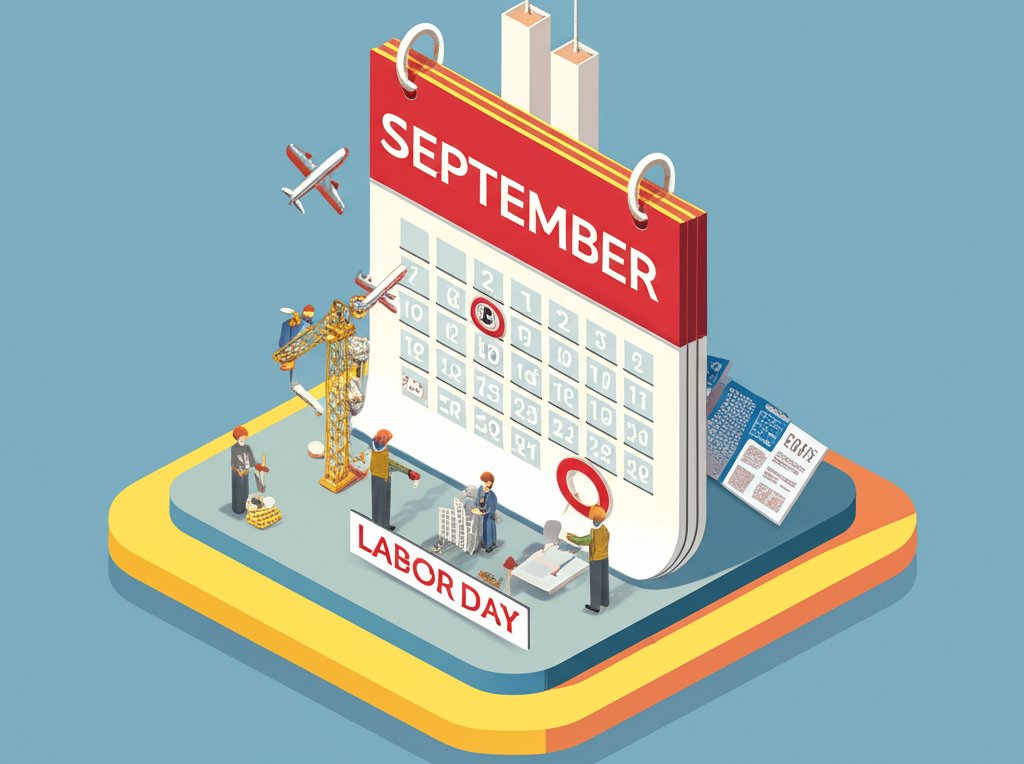
September is not without its share of tragic events, moments that have tested the resilience of the American spirit.
The Unfathomable: Hurricane Galveston (1900)
On September 8, 1900, the deadliest natural disaster in U.S. history struck Galveston, Texas. Hurricane Galveston, a Category 4 storm, claimed the lives of an estimated 6,000 to 12,000 people. The city was virtually wiped off the map, and the disaster served as a stark reminder of the power of nature.
A Nation Scarred: The 9/11 Attacks (2001)
The terrorist attacks of September 11, 2001, remain a vivid and painful memory for many. On that day, nearly 3,000 people were killed when terrorists hijacked four airplanes and crashed them into the World Trade Center in New York City, the Pentagon in Arlington, Virginia, and a field in Shanksville, Pennsylvania. The attacks shook the nation to its core and led to significant changes in U.S. foreign and domestic policy. Understanding these events help to contextualize Septembers Defining Historical Moments.
Innovation and Progress: September’s Technological Strides
Despite the tragedies, September has also been a month of innovation and progress, marking significant leaps forward in technology.
Powering the Future: Edison’s Hydroelectric Plant (1882)
On September 30, 1882, Thomas Edison’s first commercial hydroelectric plant, the Vulcan Street Plant, began operation in Appleton, Wisconsin. This marked a major milestone in the development of electricity and paved the way for the widespread use of hydroelectric power. Can you imagine a world without readily available electricity?
September in Global Context: Beyond American Borders
While many significant events occurred within the United States, September has also been a month of consequence on a global scale.
World War II: A Month of Beginnings and Endings (1939-1945)
September marks both the beginning and the end of World War II. On September 1, 1939, Germany invaded Poland, triggering declarations of war by Britain and France on September 3, 1939. The war eventually engulfed much of the world, resulting in unprecedented destruction and loss of life. Six years later, on September 2, 1945, Japan formally surrendered, bringing World War II to an end.
Social Progress: Women’s Suffrage in New Zealand (1893)
In September 1893, New Zealand became the first self-governing country in the world to grant women the right to vote. This landmark decision paved the way for women’s suffrage movements around the globe, including in the United States.
Cultural Shifts: The Mayflower Sets Sail (1620)
In September 1620, the Mayflower set sail from England, carrying a group of Pilgrims seeking religious freedom in the New World. This voyage had a profound impact on the history of the United States, leading to the establishment of Plymouth Colony and shaping the cultural landscape of the nation.
Advancements in Medicine: The First Human Blood Transfusion (1818)
September 1818 marks a pivotal moment in medical history: the first successful human blood transfusion, performed by British obstetrician James Blundell. This breakthrough saved countless lives and paved the way for modern transfusion medicine.
September’s Noteworthy Figures: Births, Deaths, and Milestones
September has seen the births and deaths of many notable figures who have left their mark on history.
American Leaders: Births and Assassinations
This month marks the births of Founding Father Peyton Randolph (September 10, 1721) and President William Howard Taft (September 15, 1857). It also marks the assassinations of Presidents William McKinley (September 14, 1901) and James A. Garfield (September 19, 1881). These events highlight the fragility of leadership and the impact of individual actions on the course of history.
Global Icons: From Royalty to Industry
September 8, 2022, marked the death of Queen Elizabeth II, the longest-reigning monarch in British history. Her death prompted mourning around the world and marked the end of an era. Conversely, September 1916 was a landmark moment for John D. Rockefeller, founder of Standard Oil, who became the world’s first billionaire. His success transformed the oil industry and had a lasting impact on American business. These different stories showcase Septembers Notable Historical Events.
September Traditions and Folklore: More Than Just History

Beyond the historical events, September also has its share of traditions and folklore.
Harvest Season
September marks the beginning of the harvest season in many parts of the world. This is a time of abundance and celebration, reflecting the hard work of farmers and the bounty of the land.
Michaelmas and Blackberries
According to folklore, September 29, Michaelmas (the Feast of Michael and All Angels), marks a curse on blackberries. Tradition holds that the devil has tainted them, making them unfit to eat after this date.
Johnny Appleseed Day
September 26 is celebrated as Johnny Appleseed Day, honoring John Chapman, an American pioneer nurseryman who introduced apple trees to large parts of Pennsylvania, Ohio, Indiana, and Illinois.
International Talk Like a Pirate Day
Ahoy, mateys! September 19 is International Talk Like a Pirate Day, a lighthearted celebration of pirate lore and language. A perfect opportunity to embrace your inner buccaneer.
Why is it called September?
The name “September” comes from the Latin word “septem,” meaning seven. In the original Roman calendar, September was the seventh month of the year, as the year began in March. While the calendar has since changed, the name has stuck, reminding us of its ancient origins. You might even Septembers Key Historical Moments by looking into the origin of other months’ names.
Delving Deeper: Exploring September History
September is a month rich in history, both triumphant and tragic. It’s a month that has shaped the United States and the world in profound ways.
Further Reading:
- Historical Archives: Explore online archives of newspapers, government documents, and personal accounts from September events.
- Museums and Memorials: Visit museums and memorials dedicated to specific September events, such as the 9/11 Memorial & Museum in New York City.
- Documentaries and Films: Watch documentaries and films that explore the stories behind September events.
Your Next Step: Understanding September’s Legacy
September’s historical events offer valuable lessons about leadership, resilience, and the enduring impact of human actions. Take some to reflect on the events of September and how they have shaped the world we live in today. Consider doing some further research and Discover Septembers Literary History. By understanding the past, we can better prepare for the future.










