Ever stared at a box of crackers past their prime, wondering if they’re destined for the bin? Before you toss them, consider a resourceful and delicious alternative: transforming them into flavorful stuffing. Forget dry, bland stuffing – with the right techniques, you can create a moist, savory side dish that’ll have everyone asking for seconds.
At a Glance
- Discover how to revive stale crackers into a delicious stuffing base.
- Learn the secrets to adding moisture and flavor to your cracker stuffing.
- Master techniques for baking your stuffing to perfection.
- Explore creative ways to adapt the recipe to your palate.
- Find out how to prevent common cracker stuffing pitfalls.
The Unexpected Magic of Crackers in Stuffing
Using crackers instead of bread in stuffing adds a unique texture and subtly different flavor profile. Crackers tend to create a denser, more compact stuffing, which some people prefer. The key is understanding how to work with their inherent dryness and saltiness. Choosing the right cracker type also makes a difference. Saltines, for example, will impart more saltiness than Ritz or Club crackers.
Laying the Foundation: Preparing Your Crackers
The first step in crafting exceptional cracker stuffing is properly preparing the crackers. This isn’t just about crumbling; it’s about creating the ideal texture for absorbing flavor.
- The Crush: Aim for a mix of textures – some finely ground crackers for binding and some larger pieces for that characteristic stuffing bite. You can use a food processor for quick work, but a ziplock bag and a rolling pin work just as well.
- Toast (Optional): Lightly toasting the crushed crackers in a dry skillet or oven (300°F/150°C for 5-7 minutes) can enhance their nutty flavor and prevent them from becoming soggy in the finished stuffing. Keep a close eye on them, as they burn easily.
- Hydration is Key: Unlike bread, crackers are typically very dry. You must adequately moisten them with broth, stock, or a combination of melted butter and liquid.
Flavor Boosters: Sautéed Vegetables and Aromatic Herbs
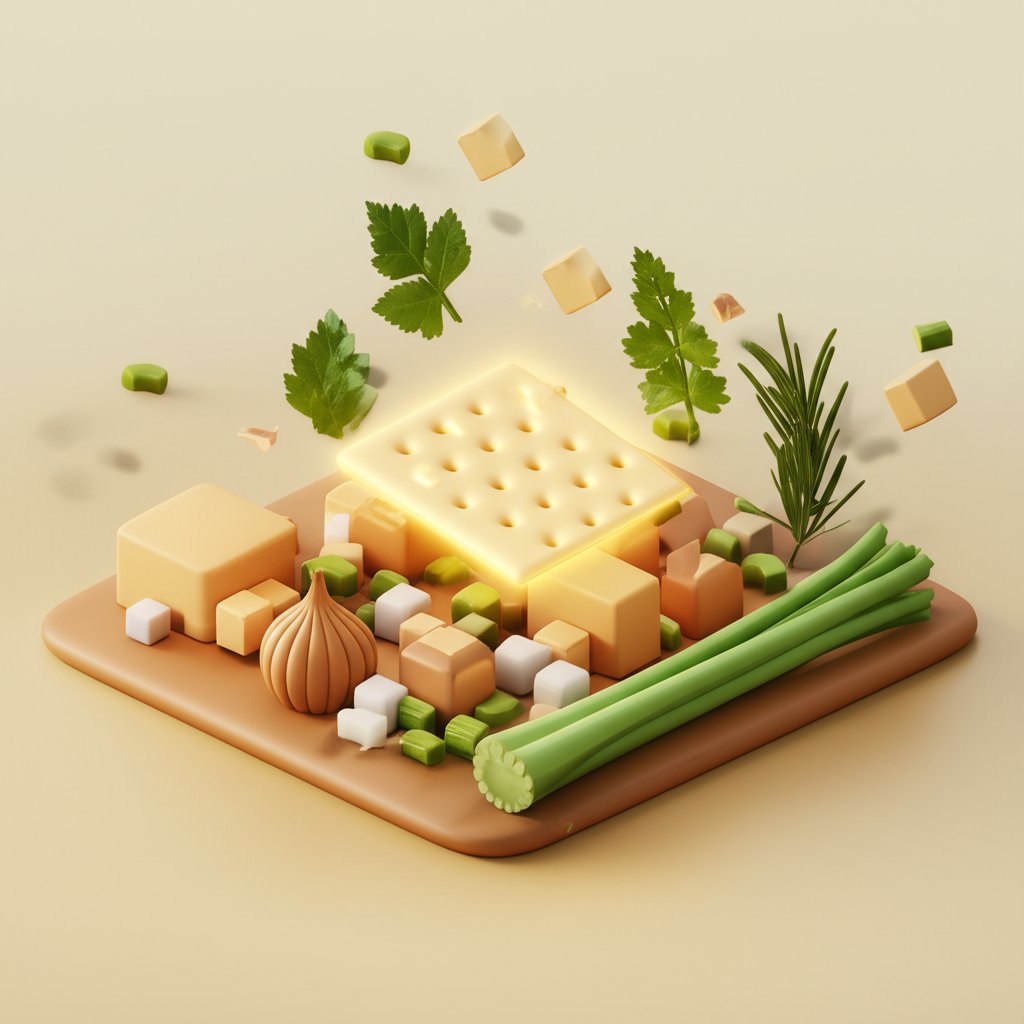
Crackers provide the base, but the vegetables and herbs bring the stuffing to life. Don’t skimp on these!
- The Trinity: Onions, celery, and garlic are the classic foundation. Sauté them in butter or olive oil until softened and fragrant. This releases their sweetness and creates a delicious base flavor. A pinch of salt and pepper here is crucial!
- Beyond the Basics: Consider adding carrots, mushrooms, shallots, leeks, or even apples or cranberries for added complexity.
- Herb Power: Fresh herbs are best, but dried herbs work well too. Parsley, sage, rosemary, and thyme (poultry seasoning is usually a blend of these) are classic choices. Add dried herbs to the sautéed vegetables to bloom their flavors. Fresh herbs should be added towards the end, after you’ve combined the veggies and crackers.
Example: Instead of just using dried poultry seasoning, try adding 1 tablespoon of chopped fresh sage and ½ teaspoon of dried thyme for a more vibrant flavor.
Binding It All Together: Eggs and Broth
The eggs and broth are what transform the cracker crumbs and vegetables into cohesive stuffing. Finding the right balance is essential.
- Eggs: Eggs act as a binder, helping the stuffing hold its shape. Start with 2 large eggs per 6-8 cups of crushed crackers and adjust as needed. Whisk the eggs lightly before adding them to the mixture.
- Broth: The Moisture Maestro: Chicken broth is traditional, but vegetable or turkey broth works just as well. Add the broth gradually, mixing gently until the crackers are moistened but not soggy. The mixture should be damp but not dripping. You want the stuffing to hold its shape when lightly squeezed.
- Test and Adjust: The amount of broth needed will vary depending on the type of crackers and how finely they are crushed. Err on the side of less broth at first – you can always add more.
Baking to Golden Perfection
Whether you bake it in a casserole dish or stuff it into poultry, proper baking ensures a golden-brown crust and a moist interior.
- Temperature: 350°F (175°C) is the sweet spot.
- Baking Dish: A greased or buttered baking dish prevents sticking and helps the stuffing brown evenly.
- Cover Up (Initially): Covering the dish with foil for the first half of the baking time prevents the top from drying out. Remove the foil for the last 15-20 minutes to allow the top to brown.
- Doneness: The stuffing is done when heated through and the top is golden brown. An internal temperature of 165°F (74°C) is recommended if stuffing poultry.
Advanced Techniques: Beyond the Basics
Ready to take your cracker stuffing to the next level? Here are a few advanced techniques:
- Browning the Butter: Brown the butter before sautéing the vegetables for a richer, nuttier flavor.
- Adding Sausage or Bacon: Cooked and crumbled sausage or bacon adds a savory depth to the stuffing.
- Using Different Crackers: Experiment with different types of crackers, such as Ritz, Club, or even flavored crackers like rosemary crackers, for unique flavor combinations.
- Leftover Stuffing Crackers: Transform leftover stuffing to crispy crackers using a food processor. Mix 2 cups leftover stuffing with 1/4 cup milk , 1/4 cup Parmesan cheese and 1/4 teaspoon garlic powder in a mixing bowl and blend together. Then, roll onto a floured surface and cut the dough into square or desired shapes, place on an ungreased cookie sheet and prick all over with a fork. Whisk egg white and water and brush onto crackers with a pastry brush. Sprinkle with coarse salt and bake at 350 degrees F for 15-20 minutes. Cool on a cooling rack before serving.
Common Pitfalls and How to Avoid Them

Cracker stuffing is relatively straightforward, but here are a few common mistakes to avoid:
- Soggy Stuffing: This is often caused by adding too much broth. Add the broth gradually and mix gently until just moistened.
- Dry Stuffing: Not enough broth, or overbaking, can result in dry stuffing. Be sure to add enough broth and don’t overbake.
- Bland Stuffing: Don’t skimp on the vegetables, herbs, and seasonings. Taste and adjust as needed. Before diving deep into the recipe, take a moment to explore the broader context of Recipes with Forgotten Crackers to see how cracker stuffing fits in the landscape of resourceful cooking.
- Overmixing: Overmixing can result in tough stuffing. Mix gently until just combined.
- Burnt Stuffing: Keep an eye on the stuffing while it bakes and cover it with foil if it starts to brown too quickly.
Practical Playbook: Quick Tips for Cracker Stuffing Success
- Prepare Ahead: The vegetables can be sautéed and the crackers crushed a day in advance. Store them separately until ready to assemble the stuffing.
- Taste as You Go: Taste the stuffing mixture before baking and adjust the seasonings as needed.
- Use Quality Ingredients: The better the quality of your ingredients, the better the stuffing will taste.
- Don’t Be Afraid to Experiment: Cracker stuffing is a forgiving dish. Don’t be afraid to experiment with different ingredients and flavor combinations.
Cracker Stuffing FAQs: Quick Answers to Common Questions
- Can I use flavored crackers? Yes, flavored crackers can add an interesting twist to the stuffing. Just be mindful of the overall flavor profile and adjust the other seasonings accordingly.
- Can I make cracker stuffing without eggs? Yes, you can substitute flax eggs (1 tablespoon ground flaxseed mixed with 3 tablespoons water per egg) as a binder. Alternatively, you can increase the amount of broth slightly to compensate for the lack of eggs.
- How do I store leftover cracker stuffing? Store leftover stuffing in an airtight container in the refrigerator for up to 3 days. Reheat in a 350°F (175°C) oven until heated through.
- Can I freeze cracker stuffing? Yes, you can freeze cracker stuffing. Let it cool completely, then wrap it tightly in plastic wrap and aluminum foil. Freeze for up to 3 months. Thaw in the refrigerator overnight before reheating.
- What if I don’t have enough crackers? You can supplement with bread or cornbread crumbs to make up the difference.
Your Cracker Stuffing Adventure Starts Now
Don’t let those aging crackers go to waste! With these tips and techniques, you can transform them into a delicious and memorable stuffing that will impress your family and friends. Remember to start with quality ingredients, pay attention to the balance of moisture and flavor, and don’t be afraid to experiment. The result? A satisfying side dish borne of resourcefulness.










