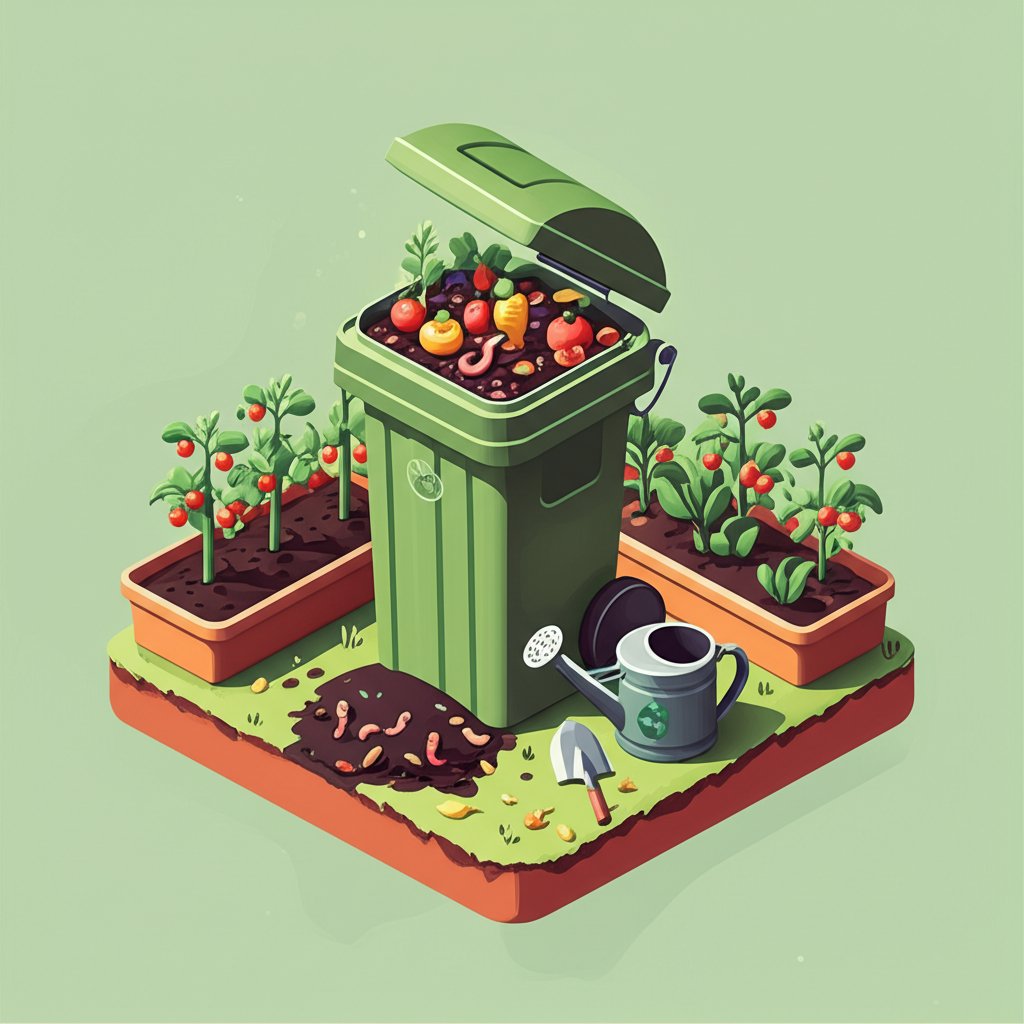
In an era defined by pressing environmental challenges, from ballooning landfills to a rapidly changing climate, a deceptively simple yet profoundly impactful practice offers a beacon of hope: composting. This ancient art, reimagined for modern sustainable living, isn’t just about managing waste; it’s about transforming discarded organic matter into an extraordinary, life-giving resource. Imagine diverting a substantial portion of your household waste from landfills, drastically cutting methane emissions, and enriching your garden soil with nutrient-dense “black gold”—all from your own backyard composting system or even a compact urban setup.
This ultimate guide will not only demystify the magic of composting but will provide the most comprehensive answer to the vital question: what can be composted to create this invaluable soil amendment? We’ll deep-dive into the essential ingredients, surprise compostables, crucial exclusions, and the scientific principles behind the process, empowering you to embrace a truly sustainable lifestyle and master the art of turning waste into a thriving ecosystem. Get ready to cultivate a healthier planet, one compost pile at a time.
The Green Revolution: Unpacking the Power of Composting
Composting is more than just a trend; it’s a fundamental shift in how we interact with our waste and our environment. It’s a powerful tool in the arsenal for fostering sustainable living and responsible resource management.
What Exactly is Composting? Nature’s Ultimate Recycler
At its heart, composting is nature’s most efficient recycling system. It’s the controlled, aerobic (oxygen-requiring) decomposition of organic matter by a diverse community of microorganisms—bacteria, fungi, actinomycetes—along with larger decomposers like worms and insects. This intricate biological process breaks down complex organic materials into a stable, dark, crumbly, and nutrient-rich substance known as compost or humus. It’s a process that mimics the forest floor, where fallen leaves and decaying wood are continuously recycled, returning vital nutrients to the soil to nourish new growth.
Why Embrace Composting? The Pillars of Sustainable Living
The benefits of composting extend far beyond a healthy garden, making it a cornerstone of true sustainable living.
Reducing Landfill Waste and Methane Mitigation
One of the most immediate and critical impacts of composting is waste diversion. Organic matter — food scraps, yard waste, and other biodegradable materials — accounts for approximately 22% of municipal solid waste, according to the U.S. Environmental Protection Agency (EPA). When this organic material is buried in oxygen-deprived landfills, it decomposes anaerobically, generating significant amounts of methane (CH4). Methane is a potent greenhouse gas, at least 25 times more effective at trapping heat in the atmosphere than carbon dioxide over a 100-year period. By diverting these materials through aerobic composting, we dramatically reduce methane emissions, directly combatting climate change and reducing the immense pressure on landfill capacity.
Enhancing Soil Health and Nutrient Cycling
The finished product of composting is often revered as “black gold” for good reason. This dark, earthy material revitalizes soil in profound ways:
- Improved Soil Structure: Compost acts as a natural binder in sandy soils, improving water retention, and as a loosening agent in heavy clay soils, enhancing drainage and aeration. This creates an optimal environment for root development.
- Enhanced Water Retention: The sponge-like structure of organic matter in compost dramatically increases the soil’s capacity to hold moisture. This reduces the need for frequent watering, making gardens more resilient to drought and conserving precious water resources.
- Slow-Release Nutrient Delivery: Unlike synthetic fertilizers, compost slowly and steadily releases a wide array of essential macro- and micronutrients over time. This provides a consistent food source for plants, promoting robust growth and reducing reliance on quick-fix chemical amendments.
- Boosting Microbial Life & Disease Suppression: Compost is teeming with billions of beneficial microorganisms. These microscopic helpers form a vibrant soil food web, suppressing plant diseases, fixing atmospheric nitrogen, and converting nutrients into forms plants can readily absorb, leading to healthier, more vigorous plants.
Reducing Reliance on Chemical Fertilizers
By regularly amending your soil with compost, you can significantly reduce or even eliminate the need for synthetic chemical fertilizers. This not only saves money but also prevents chemical runoff from polluting waterways, disrupting aquatic ecosystems, and contributing to harmful algal blooms. Composting offers a holistic, eco-friendly approach to plant nutrition that chemical fertilizers cannot replicate, fostering long-term soil health rather than just short-term plant boosts.
Decoding the Core: Greens, Browns, Air, and Water
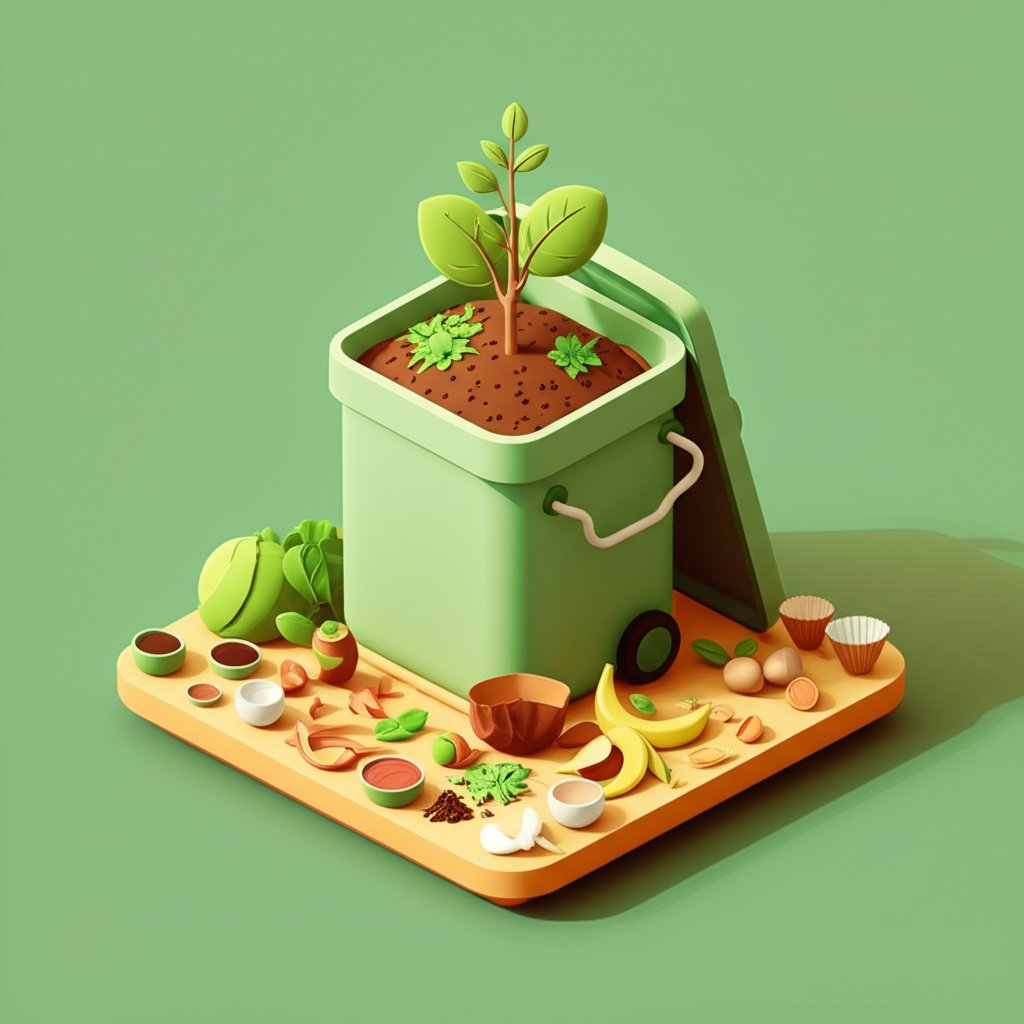
Successful composting hinges on understanding and balancing four fundamental components. Think of them as the recipe for creating perfect “black gold” from your organic matter.
The Nitrogen Powerhouses: “Green” Materials
“Greens” are typically fresh, moist, and rich in nitrogen. They are the protein-rich diet for your compost’s microbial workforce, fueling rapid decomposition and generating much-needed heat. Imagine them as the “accelerators” of your compost pile.
- Characteristics: Often wet, fresh, tend to heat up quickly.
- Role: Provide nitrogen for microbial growth and reproduction, driving the decomposition process, and contributing to heat generation.
- Examples: Most fresh kitchen scraps (fruit and vegetable peels, coffee grounds, tea bags), fresh grass clippings, green plant trimmings, fresh weeds (without seeds).
The Carbon Foundations: “Brown” Materials
“Browns” are dry, often woody materials rich in carbon. They act as the primary energy source for microbes, provide essential structure to the compost pile, create crucial air pockets for aerobic decomposition, and help balance the potent nitrogen from the “greens.”
- Characteristics: Dry, often woody or fibrous, decompose slower.
- Role: Provide carbon for microbial energy, create bulk and aeration, prevent compaction and foul odors.
- Examples: Dry leaves, wood chips, shredded newspaper, plain cardboard, straw, sawdust, small twigs.
The Unsung Heroes: Airflow and Moisture
Beyond the greens and browns, two other elements are absolutely indispensable for effective composting:
- Water (Moisture): A compost pile needs to be consistently moist, much like a wrung-out sponge. Too dry, and microbial activity slows to a crawl; too wet, and the pile becomes anaerobic (lacking oxygen), leading to foul, putrid odors and sluggish decomposition. Regular watering, especially during dry periods or when adding dry “browns,” is essential.
- Air (Oxygen): As an aerobic process, composting demands oxygen. Microorganisms thrive in oxygen-rich environments. Turning the pile regularly—ranging from every few days to once every few weeks—introduces oxygen, prevents compaction, helps distribute moisture, and ensures all materials are exposed to the heat and microbes throughout the pile. This significantly speeds up the breakdown of organic matter.
The Ideal C:N Ratio: Balancing for Success
The ideal carbon-to-nitrogen (C:N) ratio for efficient composting is approximately 25-30 parts carbon to 1 part nitrogen. For home composters, this typically translates to roughly two to three parts “browns” for every one part “greens” by volume. Achieving this balance is crucial: too many greens can lead to a slimy, smelly pile, while too many browns will slow decomposition excessively. Don’t let the science intimidate you; with practice, balancing becomes intuitive, and you’ll find your rhythm for transforming your organic matter.
What Can Be Composted? Your Definitive Guide to Organic Matter
Understanding what can be composted is the cornerstone of effective composting and a key step towards true sustainable living. This comprehensive guide details common, surprising, and often-debated items, ensuring your pile thrives into rich, fertilizing “black gold.”
Kitchen Scraps: From Plate to “Black Gold”
Your kitchen is a consistent source of nitrogen-rich “greens” and some surprising “browns,” making it the perfect starting point for your backyard composting journey. Diverting these scraps is one of the easiest ways to make an immediate environmental impact.
- Fruit and Vegetable Peels/Trimmings: Apple cores, banana peels, orange rinds, potato skins, carrot tops, outer lettuce leaves, avocado skins, melon rinds, cherry pits, corn cobs (chopped small). These break down readily and add valuable nutrients.
- Coffee Grounds and Paper Filters: High in nitrogen, coffee grounds are excellent “greens.” Used paper filters are also compostable and contribute carbon.
- Tea Bags: Most paper tea bags are compostable. Crucially, check for plastic staples or synthetic fibers in the bag material itself. Avoid “silky” pyramid bags unless explicitly labeled biodegradable or compostable. Loose leaf tea is always a safe bet.
- Crushed Eggshells: While not providing significant nitrogen or carbon, eggshells are rich in calcium, which is beneficial for soil structure, and their coarse texture helps aerate the pile. Crush them well to speed up decomposition.
- Stale Bread, Grains, Pasta (Plain): Leftover bread, uncooked or cooked (plain, no oil/sauce/dairy) pasta, rice, and cereal can all be composted. Bury them deep within the pile to prevent attracting pests.
- Nut Shells (Except Walnut): Peanut, almond, and pecan shells can be added, though they decompose slowly. Crucial exclusion: Avoid black walnut shells, which contain juglone, a natural herbicide harmful to many plants.
- Unbleached Paper Towels and Napkins: Provided they haven’t been used with harsh chemicals or bodily fluids (e.g., in sickness), these are good “browns.”
Garden & Yard Waste: A Bounty of Browns and Greens for Backyard Composting
Your garden and yard are continuous sources of both “greens” and “browns,” perfectly complementing your composting efforts and making backyard composting exceptionally efficient.
- Leaves: A quintessential “brown,” especially abundant in autumn. Collecting fallen leaves and storing them (leaf mold) provides a year-round carbon source for your compost. Shredding them before adding significantly speeds up decomposition.
- Grass Clippings: These are powerful “greens” due to their high nitrogen content. Use them in thin layers (no more than 2-3 inches thick) to prevent matting and ensure aeration; too much at once can quickly lead to a slimy, odorous, anaerobic pile.
- Small Twigs and Wood Chips: Excellent “browns” that significantly improve aeration and add long-lasting carbon. Chip larger branches or chop twigs into smaller pieces for faster decomposition.
- Spent Flowers and Healthy Plant Trimmings: Pruning waste from healthy plants, faded flower heads, and old bouquets are all welcome additions.
- Straw and Hay: Ideal “browns” that add structure, absorb moisture, and provide carbon. Important: Ensure they haven’t been treated with persistent herbicides, as these chemicals can persist through the composting process and harm your garden plants.
- Untreated Sawdust: A good “brown,” but use in moderation as it can be slow to decompose and may temporarily deplete nitrogen from the pile if not balanced with sufficient “greens.”
- Pine Needles: These are acidic and can take longer to break down due to their waxy coating but are compostable. Add them in moderation, especially if your soil needs a slight pH adjustment.
Surprising Household Items: Expanding Your Compost Horizons
Look beyond the kitchen and garden; many other household items can be transformed into precious organic matter.
- Shredded Newspaper (Black Ink Only): A fantastic “brown” for adding carbon and bulk. Avoid colored sections, glossy inserts, and magazines, which may contain heavy metals, toxic inks, or plastic coatings.
- Plain Cardboard: Cereal boxes, paper towel rolls, toilet paper rolls, pizza boxes (grease-free parts), and plain delivery boxes are excellent “browns.” Tear them into small pieces and moisten them thoroughly before adding to the pile.
- Hair and Furnings: Human hair (from brushes, salon waste free of chemicals), pet hair/fur (from grooming), and even feathers are nitrogen-rich “greens.”
- Nail Clippings: Both human and pet nail clippings are compostable.
- Natural Fibers: Old cotton, wool, linen, or burlap scraps (ensure they are 100% natural, free of synthetic blends, harsh dyes, or elastic) can be composted. Cut them into small pieces to speed decomposition.
- Dust Bunnies & Vacuum Contents: If your home is predominantly dust from natural fibers, hair, and soil, small amounts can be composted. Avoid if you have significant synthetic carpet fibers.
Animal Manure: A Farmer’s Friend (with Strict Guidelines)
Manure can be a potent “green” addition, brimming with nitrogen and beneficial microbes, but it comes with crucial caveats.
- Herbivore Manure: Manure from plant-eating animals like horses, cows, rabbits, chickens, guinea pigs, and goats is generally safe, highly beneficial, and adds a powerful nitrogen boost.
- Crucial Note: Always inquire about the feed and bedding. Manure from animals fed with hay or grazed on pastures potentially treated with persistent herbicides (like aminopyralid or clopyralid) should be avoided. These chemicals can persist through the composting process and severely harm your garden plants.
- Commercial Compostable Products: Items like BPI (Biodegradable Products Institute) certified compostable plates, cutlery, and bags can technically be composted. However, most home compost piles don’t reach or maintain the high temperatures required for these industrial-grade products to break down fully within a reasonable timeframe. It’s often best to check with your local municipal composting facility (if available) or avoid them in backyard composting to prevent disappointment.
What NOT to Compost: Protecting Your Pile and the Planet
Knowing what can be composted is essential, but equally critical is understanding what materials to keep out of your pile. Adding the wrong items can attract pests, create foul odors, introduce harmful pathogens or toxins, and severely hinder the decomposition process, ultimately undermining your efforts towards sustainable living.
Animal Products: Inviting Pests and Pathogens
These items are the primary culprits for common composting problems and should never be added to a home compost pile.
- Meat and Fish Scraps: Bones, fat, and any cooked or uncooked meat and fish scraps decompose very slowly, attract rodents (rats, mice), flies, and other pests, and can create strong, unpleasant, putrid odors. They also pose a risk of carrying harmful bacteria like E. coli and Salmonella, which typical home compost piles often do not reach high enough temperatures to kill.
- Dairy Products: Milk, cheese, yogurt, and butter can also attract pests, create anaerobic conditions that lead to noxious smells, and introduce pathogens.
- Fats, Oils, and Greasy Foods: Cooking oils, salad dressings, sauces, and heavily greased leftover foods (like pizza boxes with grease stains) create an impermeable layer in your compost pile. This inhibits aeration, can attract pests, and slows decomposition significantly.
Diseased Plants and Persistent Weeds: Preventing Spread
To protect your garden and prevent the spread of undesirable elements, exercise caution with garden waste.
- Diseased Plants: Any plant material showing clear signs of disease (fungus, blight, rust, mosaic virus, etc.) should be kept out. Home compost piles often do not consistently reach temperatures high enough (130-160°F or 55-70°C for extended periods) to reliably kill plant pathogens, risking the spread of disease to your new soil and subsequently to healthy garden plants.
- Weeds That Have Gone to Seed or Invasive Weeds: Unless you are certain your compost pile consistently reaches and maintains high thermophilic temperatures for a prolonged duration, avoid adding weeds that have already produced seeds. Many weed seeds can survive the composting process and germinate when you spread the finished compost in your garden, creating more work for yourself. Similarly, avoid aggressive invasive weeds (e.g., bindweed, thistle, poison ivy) whose roots or seeds are difficult to eradicate.
Chemically Treated Materials: Tainting Your Treasured Soil
The fundamental goal of composting is to create healthy, nutrient-rich soil to support sustainable living. Introducing chemicals defeats this purpose entirely.
- Chemically Treated Wood: Lumber, plywood, particleboard, or sawdust from wood treated with preservatives (like chromated copper arsenate – CCA, or other fungicidal/insecticidal treatments) can leach harmful chemicals into your compost, contaminating your finished product and potentially harming plants and soil organisms.
- Pesticide/Herbicide-Treated Plants & Grass: Avoid grass clippings or garden waste that has been recently treated with chemical pesticides or herbicides. These chemicals can harm beneficial microbes in your compost pile and contaminate your finished compost, which could then damage your garden plants or, in the case of persistent herbicides, devastate them.
- Glossy or Coated Paper/Cardboard: Magazines, colored newspaper inserts, glossy flyers, and shiny cardboard (e.g., some milk cartons, frozen food boxes) often contain heavy metals, toxic inks, or plastic/wax coatings that will not break down or are harmful to the soil food web.
Inorganic Materials and Plastics: Non-Biodegradable Waste
These materials have absolutely no place in a natural decomposition process.
- Plastics: Any form of plastic packaging, bags, containers, or synthetic fibers (like polyester, nylon, rayon) will not decompose and will contaminate your compost, breaking down into microplastics that harm soil health.
- Styrofoam: Non-biodegradable, petroleum-based, and harmful.
- Metal and Glass: While obvious, it’s worth reiterating that these inorganic materials simply do not decompose and will remain as contaminants in your compost.
- Pet Poop (from Carnivores/Omnivores): Unlike herbivore manure, dog and cat waste can carry harmful pathogens (e.g., Toxoplasma gondii, roundworms, E. coli) that are not reliably destroyed in typical home compost piles. For the safety of your garden (especially food crops) and family, do not compost dog or cat feces or used cat litter. Specialized commercial or dedicated animal waste composting systems are required for these.
- Human Waste: Composting human waste is a complex and controversial topic due to the high risk of pathogens. It requires highly specific, high-temperature, long-duration treatment (e.g., composting toilets designed specifically for this purpose) and the resulting compost is generally recommended only for ornamental gardens, not food crops. For general home composting, avoid human waste entirely.
Getting Started with Backyard Composting: A Practical Guide to Sustainable Living
Ready to begin your composting journey and actively contribute to sustainable living? It’s easier than you think! This practical guide will walk you through setting up and maintaining your very own system for transforming organic matter into nutrient-rich soil.
Choosing Your Composting Method
The best composting method depends on your space, budget, desired involvement level, and the type of organic matter you generate.
- Open Piles or Bins (Backyard Composting): The most common and versatile method for those with yard space.
- Open Pile: Simply a heap of materials. Cost-effective, but can be messy and attract pests if not managed well.
- Enclosed Bins: Plastic, wire mesh, or wooden pallet bins (e.g., three-bin system) offer a neater appearance, better heat retention, and some pest deterrence. Ideal for larger volumes of kitchen and yard waste.
- Compost Tumblers: Sealed, rotating drums designed to make turning easy and speed up decomposition. Good for smaller yards, those who prefer neatness, and can often deterrent pests more effectively.
- Vermicomposting (Worm Composting): Perfect for apartments, small spaces, or indoor use. Red wiggler worms consume food scraps and produce nutrient-rich worm castings. Excellent for kitchen scraps but typically doesn’t handle yard waste.
- Trench Composting/Bokashi: Smaller-scale, often anaerobic methods. Trench composting involves burying food scraps directly into the garden. Bokashi is a fermentation process that breaks down food waste (including meat and dairy) before it’s buried in a garden bed or added to a compost pile.
Site Selection and Setup for Backyard Composting
For outdoor composting piles or bins:
- Location: Choose a well-drained, shaded or partially shaded spot. Too much direct sun can dry out the pile, and too much rain can make it soggy. Ensure it’s easily accessible year-round but not directly against your house or garage to avoid dampness issues. Proximity to your kitchen for easy scrap disposal is a plus.
- Size: Aim for a pile roughly 3x3x3 feet (1 cubic meter) for optimal heat generation and decomposition. Smaller piles struggle to heat up; larger ones are hard to turn and can become anaerobic.
- Base: Start your pile with a layer of coarse “browns” (e.g., small branches, straw, wood chips) at the bottom. This ensures good airflow from below and prevents the pile from becoming waterlogged.
The Art of Layering: Building Your Pile
A successful compost pile relies on a balanced ratio of carbon to nitrogen (C:N ratio), typically around 25-30:1. For simplicity, home composters can aim for roughly two to three parts “browns” for every one part “greens” by volume.
- Layering Technique:
- Start with a base of brown materials.
- Add a layer of green materials (kitchen scraps, fresh grass clippings).
- Cover with another layer of browns.
- Repeat this layering, ensuring each layer is moistened as you add it.
- Always bury new food scraps deep within the pile to deter pests and speed decomposition.
- Chop larger materials into smaller pieces (1-2 inches) to increase surface area for microbial action and accelerate breakdown.
Maintenance Made Easy: Turning, Watering, and Monitoring
Regular care ensures efficient composting and a healthy, active pile.
- Turning: Turn your compost pile regularly. For a “hot” compost, turn every few days; for a more passive pile, once every few weeks is sufficient. Turning introduces oxygen, mixes materials, helps distribute moisture, and moves undecomposed material to the hot center. A well-turned pile smells earthy and sweet, not putrid.
- Watering: Check moisture levels regularly. The pile should feel like a wrung-out sponge—moist but not dripping. If dry, add water with a hose or watering can. If too wet, add more “browns” (like shredded cardboard or dry leaves) to absorb excess moisture and provide aeration.
- Monitoring Temperature: An active, hot pile can reach 130-160°F (55-70°C). You can use a compost thermometer, but simply feeling the pile with your hand for warmth is often sufficient. If it’s not heating up, it likely needs more “greens” (nitrogen), more moisture, or more frequent turning (oxygen).
Troubleshooting Common Composting Challenges
- Smelly Pile (Putrid/Ammonia Odor): Usually due to too much nitrogen (“greens”), too little oxygen (compaction), or too much moisture. Solution: Turn the pile thoroughly, add more “browns,” and ensure proper drainage.
- Attracting Pests (Rodents, Flies): Often caused by adding prohibited items (meat, dairy, oils) or not burying fresh organic matter deep enough. Solution: Remove offenders, turn the pile, ensure a thick brown cover layer, and consider an enclosed bin.
- Slow Decomposition/Cold Pile: Could be too dry, too cold (outside temperature), too few “greens” (nitrogen), or not enough turning (oxygen). Solution: Add water, incorporate more nitrogen sources (e.g., coffee grounds, fresh grass clippings), or turn more frequently to introduce oxygen and jumpstart microbial activity.
- Dry, Dusty Pile: Needs more moisture. Solution: Water thoroughly during turning, or add moist “greens” as available.
Conclusion: Cultivating a Sustainable Future with Compost
Composting is profoundly more than a waste disposal method; it’s a transformative practice at the very heart of sustainable living. By understanding precisely what can be composted—from everyday kitchen scraps and garden refuse to surprising household items—you gain the power to turn discarded organic matter into an invaluable, life-affirming resource. This simple, yet immensely impactful act directly reduces the burden on landfills, actively mitigates potent greenhouse gas emissions, radically enhances soil fertility, fosters crucial biodiversity, and liberates us from reliance on environmentally taxing chemical fertilizers.
Embrace this incredibly rewarding journey from waste to resource. Start your compost pile today, observe nature’s incredible, regenerative cycle unfold, and actively contribute to a healthier, more resilient, and truly sustainable future for yourself, your community, and the planet. Happy composting!
To further understand the environmental benefits and impact of composting on food waste reduction, resources such as this article on composting food facts can provide valuable insights.
FAQ
Question 1: What is the ideal green-to-brown ratio for composting?
Answer 1: The ideal carbon-to-nitrogen (C:N) ratio for efficient composting is approximately 25-30 parts carbon to 1 part nitrogen. Practically, for home backyard composting, this often translates to roughly two to three parts “browns” (carbon-rich materials like dry leaves, straw, shredded paper) for every one part “greens” (nitrogen-rich materials like fruit and vegetable scraps, grass clippings) by volume. Maintaining this balance ensures rapid, odor-free decomposition.
Question 2: How long does it take for organic matter to turn into compost?
Answer 2: The time it takes for organic matter to become finished compost varies significantly based on management. A well-managed “hot” compost pile, frequently turned and maintained with the correct moisture and C:N ratio, can produce usable compost in as little as 3 weeks to 3 months. Slower, passive piles, or those with infrequent turning, can take 6 months to over a year. Factors like particle size, ambient temperature, and moisture levels also play a crucial role.
Question 3: Can I compost in an apartment or small urban space?
Answer 3: Absolutely! Composting is highly adaptable for small spaces. Vermicomposting (worm composting) using a dedicated worm bin is an excellent indoor option for kitchen scraps, producing rich worm castings. You can also use a small compost tumbler on a balcony or patio, or actively participate in community composting programs, where you drop off your food waste at a designated collection point. These methods are perfect for urban sustainable living.
Question 4: What are the signs of healthy, finished compost?
Answer 4: Healthy, finished compost (often referred to as “black gold”) has several key characteristics: it’s dark brown or black, crumbly, and has a pleasant, earthy, fresh smell (like forest soil)—not a foul or rotten odor. You should no longer be able to identify the original food scraps or yard waste, though some larger, woody materials might remain partially decomposed. It should also have a relatively uniform texture.
Question 5: Is all organic matter compostable?
Answer 5: While almost all organic matter will eventually decompose, not all of it is suitable for typical home composting. As detailed in this guide, items like meat, dairy, oily foods, diseased plants, chemically treated materials, and pet waste from carnivores/omnivores (dogs and cats) should be avoided in home compost piles. This is due to risks of attracting pests, introducing pathogens, creating foul odors, or contaminating the finished compost with harmful substances. The key to success is knowing what can be composted safely and effectively.
Question 6: Can I compost citrus peels and onion peels?
Answer 6: Yes, you can compost citrus peels (orange, lemon, lime, grapefruit) and onion peels. While some believe they deter worms or slow decomposition, in moderation and as part of a balanced diet of organic matter for your compost pile, they break down perfectly well. Chop larger citrus peels into smaller pieces to speed up their decomposition.










