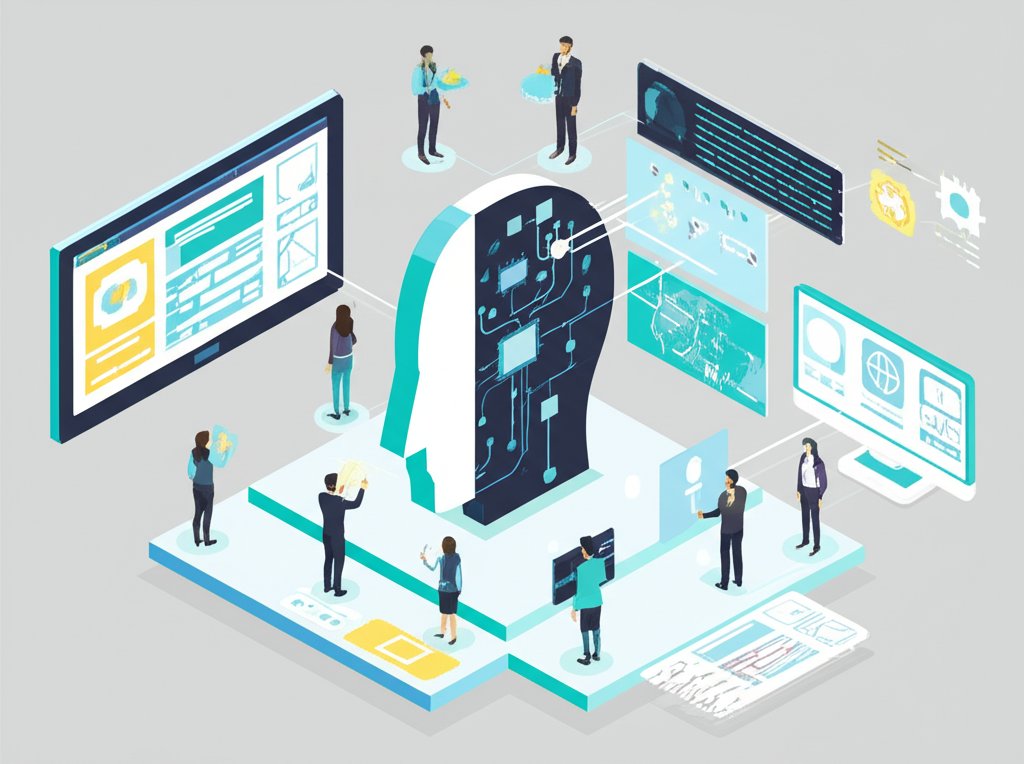
Imagine a world where every device, every interface, and every complex system simply works with you, not against you. A world where technology intuitively understands your needs, minimizes errors, and enhances your capabilities. This isn’t science fiction; it’s the core promise of engineering psychology. This vital, interdisciplinary field meticulously studies human behavior to forge a seamless synergy between people and the intricate systems they interact with every day, fundamentally transforming system design for a better human experience.
In our rapidly evolving technological landscape – from the sophisticated dashboards of airplanes to the ubiquitous apps on our smartphones – understanding how humans perceive, process information, make decisions, and react under various conditions is more critical than ever. Engineering psychology applies the scientific principles of psychology to optimize system design, ensuring that technology is not just functional, but also intuitive, efficient, safe, and truly user-friendly. It’s the silent architect behind many of our best digital experiences and the unseen guardian against human error in critical operations.
Join us as we embark on a deep dive into engineering psychology, exploring its fundamental principles, its crucial relationship with human factors, its profound insights into human behavior, and its transformative impact on system design and human-computer interaction. Prepare to discover how this powerful discipline is shaping a future where technology genuinely serves humanity, making every interaction effortless and every system an extension of our capabilities.
What is Engineering Psychology? Defining the Human-System Nexus
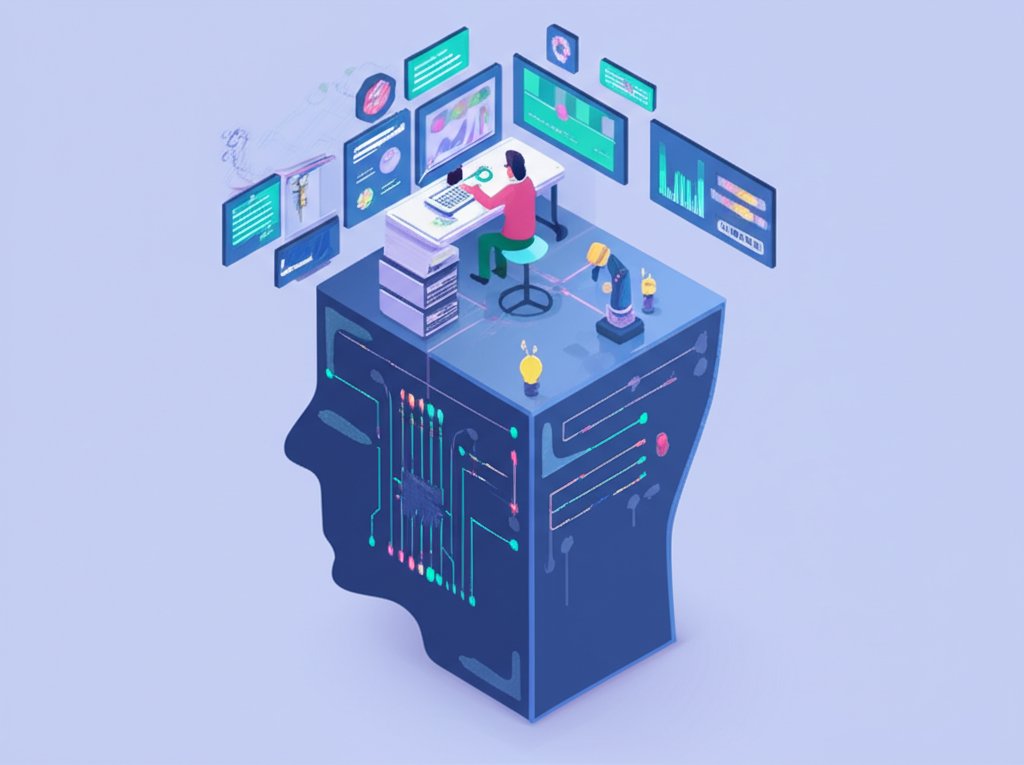
Engineering psychology, often synonymous with Human Factors Engineering, is a specialized branch of psychology that zeros in on the intricate relationship between humans and the tools, environments, and systems they engage with. Its primary goal is to enhance the effectiveness, safety, and satisfaction of these interactions by applying psychological knowledge to design. Unlike traditional psychology, which might study human behavior in general, engineering psychology specifically applies this knowledge to improve the interaction between people and technology, aiming to create more effective, safe, and satisfying user experiences.
Bridging Psychology and Engineering for Optimal System Design
At its heart, engineering psychology is a profound bridge-builder. It synthesizes the empirical methods and theoretical frameworks of psychology – particularly cognitive psychology, perception, and learning – with the practical problem-solving methodologies of engineering. This unique blend allows practitioners to understand not just what makes a system work mechanically, but what makes it work for people. The focus isn’t on changing people to fit machines, but on designing machines and systems to fit human capabilities and limitations.
From a user-interface perspective, this means ensuring displays are easy to read, controls are logically arranged, and feedback is clear and immediate. In broader system design, it involves considering the flow of information, the dynamics of team collaboration, and the environmental context in which work is performed. This holistic view ensures that technology is not merely functional, but inherently usable and aligned with natural human behavior.
A Historical Perspective: From Warfare to Everyday Widgets
The roots of engineering psychology are deeply embedded in the practical demands of the mid-20th century. During World War II, the challenges of operating increasingly complex military aircraft, radar systems, and weaponry highlighted a critical issue: highly trained operators were making errors, not due to lack of skill, but due to poorly designed equipment. This led to a profound realization that simply making machines more powerful wasn’t enough; they also had to be designed with the operator in mind.
Psychologists were urgently brought in to study pilot errors, instrument misinterpretations, and communication breakdowns. Their insights led to significant redesigns of cockpit layouts, control mechanisms, and training protocols. This foundational work laid the groundwork for what we now recognize as engineering psychology, demonstrating its immense value in reducing human error, improving efficiency, and saving lives. Today, its influence extends far beyond the military, impacting everything from medical devices and power plants to consumer electronics and human-computer interaction in our daily lives.
The Indispensable Role of Human Factors
Human factors is the broader, multidisciplinary field that encompasses engineering psychology. It’s concerned with understanding and managing the capabilities and limitations of people to optimize health, safety, well-being, and overall system performance. It acknowledges that humans are fallible and designs systems to be error-tolerant and supportive of effective human behavior. While human factors covers a wide range of disciplines (including engineering, industrial design, and physiology), engineering psychology specifically contributes the psychological science and research methodologies to understand cognitive processes, perception, decision-making, and other aspects of human behavior that influence interaction with systems.
Understanding Human Capabilities and Limitations
A cornerstone of both human factors and engineering psychology is a deep understanding of human behavior, specifically our cognitive, perceptual, and physical abilities and inherent limitations. We all make mistakes, forget things, have limited attention spans, and can be influenced by boredom, fatigue, or stress. Human factors addresses these realities by investigating:
- Cognitive Processes: How we perceive information, pay attention, learn, remember, and solve problems. For example, understanding cognitive load (the amount of mental effort required) is crucial in designing interfaces that don’t overwhelm users. Designers using engineering psychology principles strive to minimize cognitive load, making systems intuitive and easy to learn.
- Perceptual Limitations: Our visual acuity, auditory thresholds, and haptic (touch) sensitivities. Designing effective alarms, clear visual indicators, and tactile feedback mechanisms relies on this knowledge. This prevents misinterpretations that could lead to errors in complex system design.
- Physical Ergonomics: The fit between physical characteristics of people and the physical demands of the work. This includes designing comfortable workstations, accessible controls, and manageable forces for operation, ensuring the physical interface is as seamless as the digital.
- Emotional and Motivational States: How stress, frustration, motivation, and even boredom can impact performance and decision-making within a system. A system designed without considering emotional responses can lead to user abandonment or critical errors.
By acknowledging these aspects of human behavior, human factors specialists can predict potential points of failure or inefficiency and proactively design systems that mitigate them, fostering environments where people can thrive.
Human Factors in Practice: Safety and Efficiency Across Systems
The application of human factors principles is critical in myriad industries where safety and efficiency are paramount. Consider the following examples where engineering psychology provides the core insights:
- Workplace Safety: Identifying factors that contribute to accidents, such as poor work planning, inadequate safety barriers, or deficient communication. Human factors helps design safer procedures, clearer warnings, and better training to reduce risks, directly leveraging an understanding of human behavior to create more robust system design.
- Medical Devices: Designing medical equipment where complex functions are presented simply, reducing the chance of operator error, which can have life-or-death consequences. This includes ensuring alarm systems are clear and differentiated, and control layouts are intuitive, all informed by engineering psychology research into cognitive processing.
- Transportation: From aircraft cockpits to automotive dashboards, human factors guides the layout of controls, the design of navigation systems, and the implementation of driver-assistance technologies to improve situational awareness and reduce distraction. This is a prime example of human-computer interaction optimized for safety.
- Software and Web Design: Optimizing website navigation, software menus, and app layouts to minimize user frustration, reduce learning curves, and allow users to achieve their goals efficiently. This directly translates to improved human-computer interaction and user satisfaction.
In essence, human factors transforms complex technical systems into human-friendly environments, leading to higher productivity, fewer errors, and improved user satisfaction, all underpinned by the principles of engineering psychology.
Unpacking Human Behavior: The Core of Intuitive Design
Understanding human behavior is the bedrock upon which effective engineering psychology and system design are built. It’s not just about observable actions, but the underlying psychological mechanisms that drive how we interact with the world and its technological extensions, especially in dynamic environments.
Cognitive Processes and Decision-Making in Complex Systems
At the heart of human behavior in complex systems are our cognitive processes. Engineering psychologists deeply probe how we:
- Perceive Information: How we gather data through our senses, and how biases or environmental factors can distort that perception. For instance, in a noisy control room, visual alerts might be prioritized over subtle auditory cues.
- Process and Interpret: How our brains organize, categorize, and make sense of incoming information, often forming “mental models” of how a system works. A well-designed system aligns with users’ mental models, making it predictable and easy to learn. When a system violates these models, it leads to confusion and errors.
- Maintain Situation Awareness: Our ability to know what is happening, understand what that means, and predict what will happen next. Poor interface design can severely degrade situation awareness, leading to critical errors. Engineering psychology provides frameworks to design interfaces that support optimal situation awareness, such as hierarchical information displays and consistent visual feedback.
- Make Decisions: The complex interplay of available information, perceived risks, cognitive biases (e.g., confirmation bias, availability heuristic), and time pressure that influences our choices. Understanding these facets allows for the design of intelligent decision support systems that guide users toward optimal outcomes, rather than simply presenting raw data and hoping for the best.
For example, a well-designed power plant control room might use different colors and animations to convey system status, leveraging visual perception to quickly build situation awareness, and presenting critical data in a hierarchical way to aid rapid decision-making under stress. This meticulous attention to cognitive processes is a hallmark of effective system design informed by engineering psychology.
Emotional and Social Aspects of Interaction
While often overlooked, the emotional and social dimensions of human behavior profoundly impact our interaction with systems. Engineering psychology recognizes that users are not purely rational actors.
- Emotional Response: Frustration with a poorly designed interface can lead to stress, reduced performance, and even abandonment of a product. Conversely, a delightful user experience can foster loyalty and engagement. Engineering psychology strives to elicit positive emotional responses by creating seamless, enjoyable, and rewarding human-computer interaction.
- Trust and Confidence: Users need to trust the systems they operate, especially in critical applications like medical devices or autonomous vehicles. Design choices that promote transparency, provide clear feedback, minimize errors, and offer appropriate levels of control build this trust. A lack of trust can lead to underutilization or misuse of powerful tools.
- Team Dynamics: Many modern systems are operated by teams. Engineering psychology considers how information flows between team members, how roles are defined, and how communication is facilitated by the system design. Poorly designed collaborative tools, for example, can lead to miscommunication, workload imbalances, and errors.
- Cultural Influences: Human behavior is also shaped by cultural norms and expectations, including language, symbols, and interaction styles. A system designed for one cultural context might not be effective or intuitive in another, highlighting the need for culturally sensitive user-centered design.
By integrating cognitive, emotional, and social insights into system design, engineering psychology ensures that technology resonates with the full spectrum of human behavior, leading to systems that are not just functional but truly human-centric.
Mastering System Design: Engineering Psychology in Action

System design is the art and science of defining the architecture, components, modules, interfaces, and data for a system to satisfy specified requirements. When informed by engineering psychology, it becomes a powerful tool for creating systems that are not just technically sound, but inherently human-compatible, robust, and delightful to use.
Principles of User-Centered Design (UCD)
At the core of effective system design in engineering psychology is User-Centered Design (UCD). UCD is an iterative design process where designers focus squarely on the users and their needs throughout every phase of development. It’s a radical departure from designing for technical specifications alone; instead, it puts the human at the epicenter. The key principles include:
- Focus on the People: Deeply understand the actual users – their needs, preferences, goals, tasks, and limitations – through rigorous research methods like interviews, observations, contextual inquiries, and surveys. This empathic approach is crucial for understanding real-world human behavior.
- Solve the Right Problem: Don’t jump to solutions. Thoroughly define and analyze the problem from the user’s perspective, ensuring the design addresses real pain points and needs, rather than perceived or technical ones.
- Recognize Everything as a System: Understand that every component and interaction is interconnected. Changing one part of a system can have ripple effects on other parts and on human behavior, so a holistic view is crucial. This is especially true in complex human-computer interaction environments.
- Iterative Design: UCD is a cyclical process involving repeated cycles of analysis, design, implementation, and evaluation. This ensures that designs are continuously refined based on user feedback and evolving understanding of human behavior. The typical UCD phases, often aligned with Design Thinking, include:
- Empathize: Conduct research to understand users’ needs, contexts, and motivations.
- Define: Synthesize research to clearly articulate the problem and user goals, often as “How Might We” statements.
- Ideate: Brainstorm a wide range of creative solutions, encouraging diverse perspectives.
- Prototype: Create tangible representations (sketches, wireframes, mock-ups, functional prototypes) of potential solutions.
- Test: Evaluate prototypes with real users to gather feedback, identify usability issues, and measure performance.
Through UCD, engineering psychology ensures that system design prioritizes usability, accessibility, and overall user experience from conception to deployment, directly influencing positive human-computer interaction.
Integrating Human Data into Design Iterations
A critical aspect of system design informed by engineering psychology is the continuous integration of human data. This means that insights gained from studying human behavior are not just theoretical guidelines but practical inputs that drive design decisions and iterative improvements. This data can be both quantitative and qualitative:
- Performance Metrics: Quantifying how quickly and accurately users complete tasks, the number of errors they make, the time spent on specific functions, and success rates. Tools like analytics, A/B testing, and usability labs provide this data.
- Subjective Feedback: Gathering qualitative data through surveys, interviews, focus groups, and open-ended questionnaires to understand user satisfaction, perceived ease of use, emotional responses, and suggestions for improvement. This captures the nuances of human behavior.
- Observational Data: Directly observing users interacting with systems in their natural environment or controlled laboratory settings to identify pain points, workflows, and unexpected behaviors. Eye-tracking and screen recording can offer detailed insights into attention and interaction patterns.
- Physiological Measures: In some contexts, monitoring physiological responses like heart rate variability, galvanic skin response, or brain activity (EEG) to gain deeper insights into cognitive load, stress, or emotional engagement, especially for critical systems where precise understanding of human behavior is paramount.
This data fuels the iterative nature of UCD. If user testing reveals that a particular interface element leads to frequent errors or high cognitive load, the system design is revised. This continuous loop of design, testing, and refinement ensures that the final product is optimally aligned with human behavior. For example, a new control panel for heavy machinery might undergo multiple iterations, starting with mock-ups and simulations, and progressively moving to functional prototypes, all tested with target users to ensure maximum safety and operational efficiency.
Engineering Psychology in Human-Computer Interaction (HCI)
Human-Computer Interaction (HCI) is a multidisciplinary field focusing on the design and use of computer technology, specifically on the interfaces between humans and computers. Engineering psychology is foundational to HCI, providing the scientific understanding of human behavior necessary to create effective, efficient, and satisfying interactions. HCI ensures that digital systems are not just powerful, but also user-friendly and intuitive.
Principles for Effective Human-Computer Interaction
Drawing heavily on engineering psychology, HCI research has established several core principles for designing effective interfaces:
- Visibility & Feedback: Users should always know the current state of the system and receive clear, immediate feedback for their actions. Is a button pressed? Is a file transferring? This reduces uncertainty and builds confidence.
- Affordance: The design of an object should suggest how it can be used. A button affords pushing; a handle affords pulling. In digital interfaces, icons and elements should clearly communicate their function without requiring explicit instructions, aligning with intuitive human behavior.
- Consistency: Consistent design across different parts of a system (e.g., button placement, menu structure, terminology) reduces learning time and cognitive load. Users can transfer knowledge from one part of the interface to another, enhancing predictability.
- Mapping: The relationship between controls and their effects should be natural and obvious. For example, moving a steering wheel left makes the car go left. In interfaces, dragging an item to a trash icon clearly maps to deletion.
- Error Prevention & Recovery: Designers should anticipate potential user errors and design systems to prevent them, or at least make them easy to recover from. Clear error messages, undo functions, and confirmation dialogues are examples. This directly applies engineering psychology principles of human fallibility.
- Learnability & Memorability: Systems should be easy for new users to learn and for occasional users to remember. This often involves intuitive navigation, clear labels, and logical organization.
These principles, rooted in how humans perceive and process information, are critical for creating human-computer interaction that feels natural and empowering rather than frustrating.
The Impact on Software, Web, and Application Design
The influence of engineering psychology on human-computer interaction is perhaps most visible in the digital products we use every day:
- Intuitive Software Interfaces: From desktop operating systems to complex enterprise software, engineering psychology guides the layout of menus, the design of icons, and the flow of tasks to ensure maximum usability. This reduces the learning curve and boosts productivity.
- Engaging Web Experiences: Website navigation, content organization, and interactive elements are designed to capture and hold user attention, guide them to desired information, and facilitate seamless transactions. A well-designed website, informed by human behavior insights, minimizes cognitive load and maximizes engagement.
- User-Friendly Mobile Applications: Given the smaller screens and touch interfaces, mobile app design is a masterclass in human-computer interaction. Every tap, swipe, and gesture is carefully considered to be efficient and ergonomic, preventing fatigue and frustration. Principles like “thumb zones” and simplified navigation are direct outcomes of engineering psychology research.
By applying these insights, engineering psychology transforms raw code into delightful and effective user experiences, making technology accessible and powerful for everyone.
Real-World Applications and Future Frontiers
The principles of engineering psychology and human factors are woven into the fabric of modern life, though often invisible to the casual observer. Their impact spans across virtually every industry where humans interact with technology, driving advancements in system design and human-computer interaction.
From Cockpits to Consumer Electronics: Widespread Impact
The pervasive influence of engineering psychology is evident in diverse sectors:
- Aviation: Modern aircraft cockpits are masterpieces of engineering psychology. Displays are designed to minimize clutter and maximize critical information, controls are standardized and logically grouped, and automated systems are designed to seamlessly integrate with human operators, providing alerts and support without inducing complacency. This dramatically reduces pilot workload and the potential for human error, directly impacting flight safety.
- Medical Devices: Infusion pumps, diagnostic imaging systems, and surgical robots all benefit from user-centered design. Clear displays, intuitive controls, and robust error-prevention mechanisms are crucial to ensure patient safety and effective operation by healthcare professionals. Misunderstanding a medical device interface can have life-or-death consequences, making engineering psychology indispensable here.
- Automotive Industry: The design of car dashboards, infotainment systems, advanced driver-assistance systems (ADAS), and even autonomous vehicle interfaces relies heavily on understanding driver human behavior. The goal is to minimize distraction, enhance situational awareness, and create a safe, comfortable, and intuitive driving experience. This is a rapidly evolving area of human-computer interaction.
- Industrial Control Systems: In complex factories, power grids, or chemical plants, engineering psychology helps design control rooms where operators can monitor vast amounts of data, detect anomalies, and take corrective action efficiently, minimizing system downtime and preventing catastrophic failures. Understanding operator cognitive load and decision-making under stress is paramount.
- Consumer Products: Even everyday appliances, smart home devices, and fitness trackers benefit from engineering psychology. Simple interfaces, clear feedback, and thoughtful button placement make these devices easy and enjoyable to use, fostering widespread adoption and satisfaction.
The Future of Human-Technology Symbiosis
As technology continues to accelerate, the role of engineering psychology becomes even more critical in shaping the next generation of system design and human-computer interaction. Emerging fields and challenges include:
As technology continues to advance, understanding these principles becomes even more vital, especially when considering the interesting facts about technology and their real-world implications.
- Artificial Intelligence (AI) and Automation: Designing AI systems that are transparent, explainable, and trustworthy, allowing humans to effectively supervise and collaborate with intelligent agents. Understanding how humans perceive, trust, and react to AI decisions is a burgeoning area, crucial for preventing “automation surprise” or over-reliance.
- Virtual Reality (VR) and Augmented Reality (AR): Crafting immersive and intuitive experiences that don’t induce simulator sickness, reduce cognitive load, and seamlessly integrate digital information with the physical world. Engineering psychology provides the principles for designing natural interactions within these new spatial computing environments.
- Ergonomics of Wearable Technology: Designing smartwatches, fitness trackers, and other wearables that are comfortable, unobtrusive, and provide meaningful feedback without overwhelming the user. This requires a deep understanding of physical human factors and subtle human-computer interaction.
- Cybersecurity Behavior: Understanding the psychological factors that lead to human vulnerabilities in cybersecurity (e.g., susceptibility to phishing, poor password hygiene) and designing systems and training that promote secure human behavior. This involves nudges, clear warnings, and making the “secure” option the “easy” option.
- Human-Robot Interaction (HRI): As robots become more prevalent in homes, workplaces, and public spaces, engineering psychology will be vital in designing how humans perceive, interact with, and trust autonomous systems, ensuring safe and effective collaboration.
The future demands an even deeper understanding of human behavior to ensure that technological advancements truly enhance human potential, rather than creating new complexities and challenges. Engineering psychology will be at the forefront of this evolution, guiding the creation of intelligent, human-centric systems that unlock seamless human-system design.
Conclusion
Engineering psychology stands as a testament to the power of interdisciplinary thinking, expertly blending the scientific study of human behavior with the practical demands of system design. It has evolved from optimizing military machinery to shaping the everyday technologies that define our modern world, ensuring that convenience, efficiency, and safety are not afterthoughts, but fundamental design principles.
By meticulously studying how humans perceive, think, feel, and act, engineering psychology is the driving force behind effective human factors integration and the iterative process of user-centered design. It empowers us to mitigate human error, enhance performance, and create intuitive human-computer interaction that fosters satisfaction and trust. As technology continues its relentless march forward, the insights provided by this field will be more crucial than ever in building a future where our relationship with systems is seamless, productive, and profoundly human. Embrace the principles of engineering psychology to build the world you want to live in – a world where technology truly works for us.
FAQ Section
Q1: What is engineering psychology and how does it differ from traditional psychology?
A: Engineering psychology is a specialized field within applied psychology that focuses on the scientific study of human behavior and capabilities in relation to the design and operation of systems, tools, and environments. Unlike traditional psychology, which might study human behavior in general, engineering psychology specifically applies this knowledge to improve the interaction between people and technology, aiming to create more effective, safe, and satisfying user experiences through optimized system design.
Q2: How does engineering psychology relate to human factors?
A: Engineering psychology is often considered a core component or a sub-specialty within the broader field of human factors (or ergonomics). While human factors encompasses a wide range of disciplines (including engineering, industrial design, and physiology), engineering psychology specifically contributes the psychological science and research methodologies to understand cognitive processes, perception, decision-making, and other aspects of human behavior that influence interaction with systems.
Q3: What is the primary goal of applying engineering psychology to system design?
A: The primary goal is to optimize system design by making systems compatible with human behavior, capabilities, and limitations. This leads to several benefits, including reduced human error, increased safety, enhanced efficiency, improved performance, and greater user satisfaction through intuitive and user-friendly interfaces, especially in human-computer interaction.
Q4: What is User-Centered Design (UCD), and why is it important in engineering psychology?
A: User-Centered Design (UCD) is an iterative design philosophy and process that places the end-user at the center of every stage of product or system design. It is crucial in engineering psychology because it provides a structured framework for incorporating data about human behavior, needs, and preferences directly into the design process. UCD ensures that systems are designed for real people, leading to higher usability, accessibility, and overall user experience, directly informing effective human-computer interaction.
Q5: Can you provide examples of where engineering psychology is applied?
A: Engineering psychology is applied in countless areas, including the design of aircraft cockpits, automotive dashboards, medical devices, industrial control rooms, software interfaces, websites, mobile applications, and even everyday consumer products like appliances. Any situation where humans interact with technology to achieve a goal can benefit from the principles of engineering psychology to improve the interaction and overall system design.
Q6: How does engineering psychology improve human-computer interaction?
A: Engineering psychology improves human-computer interaction by applying scientific understanding of human behavior to design digital interfaces that are intuitive, efficient, and user-friendly. This includes designing for clear feedback, consistent navigation, minimal cognitive load, effective error prevention, and aligning with users’ mental models. The goal is to make digital systems feel natural and seamless to operate, reducing frustration and maximizing productivity.
Q7: What kind of career paths are available for someone interested in engineering psychology?
A: Individuals with expertise in engineering psychology and human factors can pursue diverse career paths. Roles often include UX Designer, Usability Researcher, Human Factors Specialist, Ergonomist, Product Designer, Systems Engineer, or Safety Analyst. They work in industries such as technology, aerospace, healthcare, automotive, government, and consulting, focusing on improving people’s interaction with technology and complex systems.










