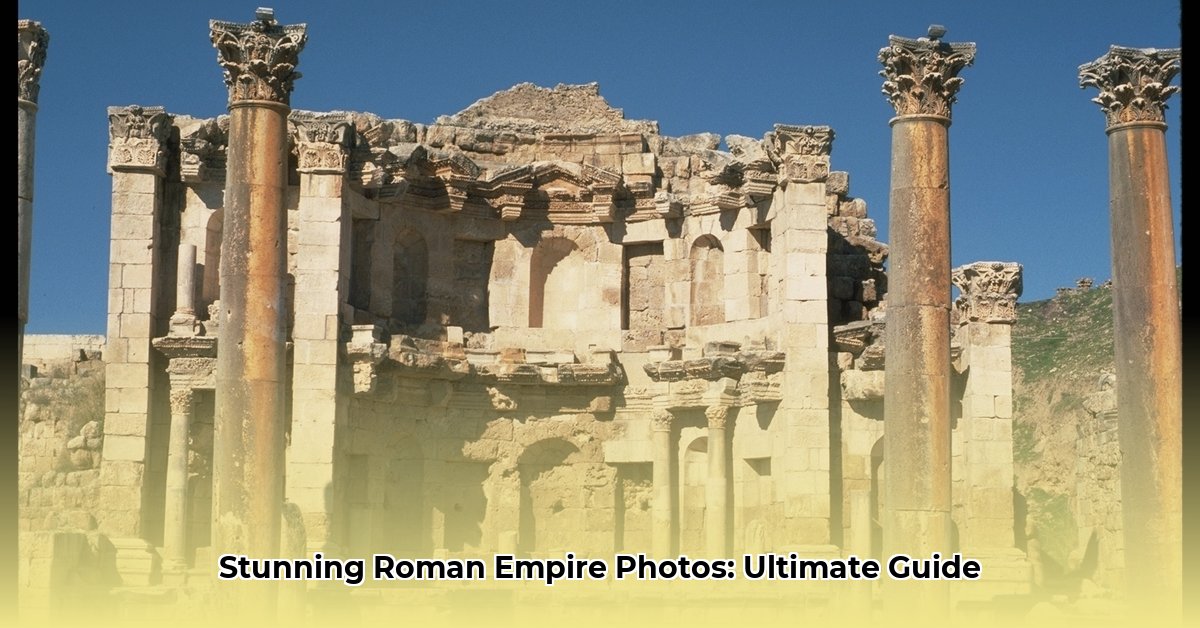
Have you ever been truly captivated by the Roman Empire—its legendary gladiators, powerful emperors, and magnificent architecture? When seeking visuals for your latest project, be it for educational content, a captivating video, or enhancing a blog, securing high-quality, authentic, and legally permissible images can seem daunting. This guide will navigate the intricate world of Roman Empire stock photos and historical visuals, from discerning free resources to premium options, unraveling the complexities of licensing, and, most importantly, empowering you to distinguish historically accurate depictions from mere artistic interpretation. Consider this your definitive resource for expertly sourcing and utilizing the finest Roman imagery available. See our guide on Roman Empire images for more inspiration.
Ancient Roman Empire Visuals: Your Strategic Guide to Finding the Perfect Images
The Roman Empire persistently captures our imagination with its fascinating chronicles of power, innovative advancements, and intricate societal structures. To authentically portray this bygone era in your creative endeavors, access to superior visual content is paramount. We delve into the realm of stock photography and historical archives, addressing the crucial balance between historical accuracy and artistic expression. We guide you toward optimal platforms for sourcing exceptional ancient Roman Empire visuals.
Common Visual Themes You Will Discover
Searching for visual content related to the Ancient Roman Empire consistently yields certain prevalent themes. You can anticipate encountering breathtaking architectural marvels, vivid portrayals of military might, and dignified representations of emperors and their divine pantheon. Each theme offers distinct opportunities for rich storytelling.
- Magnificent Architecture: Iconic structures like the Colosseum, the Roman Forum, and the Pantheon are frequently depicted. These images often emphasize the immense scale and advanced engineering capabilities of Roman builders. A wide variety of high-resolution images capturing their grandeur is generally available across different platforms. Look for establishing shots, detailed close-ups, and aerial views that convey their enduring presence.
- Formidable Military: Visuals commonly feature Roman legions, soldiers clad in authentic-looking armor, and diverse types of period weaponry. Such images are instrumental in illustrating the formidable military prowess and expansive dominance of the empire. Key elements include legionary formations, combat scenes, and depictions of siege warfare, reflecting Rome’s martial strength.
- Imperial Rulers and Mythology: Numerous statues, busts, and artistic renderings of emperors and figures from Roman mythology are abundant. These visuals typically underscore the authority and spiritual reverence associated with Roman leaders and their comprehensive system of gods. Beyond static portraits, seek dynamic scenes illustrating mythological narratives or imperial ceremonies.
- Expansive Maps and Daily Life: Cartographic representations detailing the vast geographical extent of the empire are also common. These maps effectively communicate the widespread reach and profound influence of Rome across diverse lands. Increasingly, visuals also encompass scenes of daily life, depicting ordinary citizens, markets, bathhouses, and domestic settings, offering a glimpse into the social fabric.
While these visual themes provide valuable insight into the past, discerning their historical fidelity remains an essential consideration for creators.
How Accurate Are They? Separating Fact from Artistic License
A significant challenge when utilizing stock photos of the Roman Empire lies in their potential for historical inaccuracies. Artistic interpretation can sometimes take precedence over archaeological and documentary evidence. For instance, specific details related to daily attire, military armor designs, or the general depiction of ordinary life might not always align with the most current historical findings. Even seemingly minor details, like the type of sandals worn by a specific social class, can reveal anachronisms.
Consequently, content creators must meticulously examine images, posing critical questions such as:
- Does the depicted armor or weaponry reflect the known designs and materials verified by historical scholarship for that specific period? For example, Gladius Hispaniense versus later types of swords.
- Are gladiators portrayed in a manner consistent with current understandings of their social status, combat conditions, and specific arena rules? Avoid exaggerated, Hollywood-style depictions.
- Does the depicted architecture faithfully represent the known design principles and construction techniques of the specific Roman period, including materials and decorative elements? Note details like the use of concrete, marble, or brick.
- Are the social interactions, clothing, and hairstyles consistent with archaeological findings and textual descriptions from the era?
By diligently scrutinizing these elements, you can significantly enhance the historical accuracy of the visuals incorporated into your projects. Many specialists in Roman history emphasize the importance of cross-referencing images with established archaeological and textual evidence, alongside consulting reputable academic sources and museum collections.
Choosing Your Platform: A Comprehensive Comparison of Image Providers
The platform from which you source your images directly impacts their quality, variety, and the legal terms governing their use. Different platforms offer distinct advantages and disadvantages tailored to varying project needs. Here is a comprehensive comparison of prominent choices:
| Platform | Image Quality | Selection/Variety | Pricing & Licensing | Pros | Cons |
|---|---|---|---|---|---|
| Getty Images | High | Extensive | Premium licenses, primarily for commercial use, often requiring rights-managed or royalty-free payments. | Offers a vast collection of exceptionally high-resolution images, boasting superior detail and production quality. This platform is ideal for professional projects, advertising campaigns, or major publications that necessitate top-tier visual assets and comprehensive legal protection, ensuring a high success rate in avoiding licensing disputes when terms are followed correctly. Many images are sourced directly from historical archives and renowned photographers, guaranteeing authenticity and unique perspectives. Their strict curation process often means higher historical accuracy for specific periods or artifacts. | Can be considerably expensive, particularly for multiple images or specialized extended licenses. Its cost structure might be prohibitive for smaller projects or independent creators operating on limited budgets, sometimes leading to substantial budget overruns for unmanaged usage. The rights-managed license model, while offering exclusivity, can be complex to navigate, requiring precise usage declarations (e.g., specific print run, duration of use). Finding historically specific images may still require extensive keyword searching. |
| iStockphoto | Good | Wide | Premium licenses, often more budget-friendly than Getty, typically royalty-free. Subscription options available. | Provides a broad and diverse selection of images at a more accessible price point compared to Getty Images, making it a viable option for various professional and semi-professional projects. It strikes an effective balance between image quality and cost-effectiveness, offering good value for many content creation needs. Many general historical themes are well-represented, and the subscription model can significantly reduce per-image cost for high-volume users. Explicitly states “free of AI-generated content” for creative library, adding a layer of trust for non-AI visuals. | While offering good quality, iStockphoto’s image resolution and unique content may not consistently match the absolute highest standards found on Getty Images, especially for highly niche or rare historical artifacts. Its vast, but not always specialized, library might occasionally lack very niche or historically specific visuals, and some historical re-enactment photos might contain subtle inaccuracies. The royalty-free license allows broad use but does not grant exclusivity. |
| Pixabay | Varies | Limited | Creative Commons (typically free with attribution where noted), often CC0 (Public Domain). | Offers a substantial collection of free-to-use images, making it an excellent resource for projects with minimal or no budget. It provides flexibility for personal, educational, and some commercial applications, significantly reducing financial barriers to content creation. Its CC0 license allows for maximum freedom without attribution, though checking specific image licenses is always recommended. Good for general background elements or conceptual visuals related to ancient Rome. Many contributors are hobbyists or public domain image curators, offering a diverse array. | Image quality can fluctuate considerably across its collection, ranging from high-resolution to lower-quality files. The selection, while broad, is generally more limited and less specialized for historical accuracy compared to paid platforms. Attribution (giving credit to the creator) may also be a requirement for specific images, which must be diligently checked, and inconsistencies in licensing details can sometimes arise. The platform contains user-uploaded content, meaning historical accuracy is not vetted to the same degree as professional stock sites or museum archives. |
| Museum Archives | High | Highly Specific | Usually free for non-commercial, educational use. Fees may apply for commercial use; terms vary by institution (e.g., British Museum, Met, Louvre). | Provides authentic and often unique depictions of actual artifacts, artworks, and archaeological sites directly from renowned cultural institutions. These are invaluable for academic research, detailed historical analysis, or projects where absolute visual fidelity to actual Roman objects is paramount. Many institutions offer high-resolution downloads for public domain images or under open access policies. They provide primary source visuals, often with extensive provenance and descriptive metadata, which is crucial for verifiable historical accuracy. | Can be challenging to navigate due to varying cataloging systems and access protocols across different museums. Usage often requires specific permissions, and commercial use typically incurs fees or licensing agreements, often requiring direct outreach for commercial terms. The range of “scenes” or “reconstructions” is limited, as they focus on actual artifacts or sites, not conceptual renderings. Image search functionalities might be less sophisticated than commercial stock sites. |
When selecting a platform, carefully evaluate your project budget, the intended use of the images (e.g., educational, commercial, personal), and the specific requirements for historical accuracy. Premium platforms generally deliver higher resolution, meticulously curated content, and robust legal protection. Free alternatives offer broad accessibility for budget-conscious creators. It is universally advised to thoroughly examine all terms and conditions to ensure appropriate and legal image usage, preventing potential copyright infringements. Pay close attention to distinctions between royalty-free, rights-managed, and public domain licenses.
Verifying Roman Authenticity in Visual Depictions: Beyond the Obvious
Authenticating visual representations of ancient Rome, especially those involving historical artifacts like coins or intricate carvings, demands a multifaceted approach. This process integrates meticulous inspection with a deep understanding of historical contexts and expert knowledge in relevant fields, such as numismatics (the study or collection of coins, paper money, and medals) or archaeology.
Beyond the Obvious: Key Authentication Markers
Precisely how to verify Roman authenticity through an analysis of style and specific details? Focus intently on minute elements that differentiate genuine artifacts from modern reproductions or forgeries.
- Weight and Diameter Consistency: When evaluating ancient Roman coins or small metal artifacts, their precise dimensions and weight are critical indicators. Significant discrepancies often serve as undeniable markers of forgery. Counterfeiters frequently fail to replicate the exact production standards, metal purity, and wear patterns of the period. For collectors, leveraging precision calipers and scales to compare an item’s measurements against documented ancient specifications is an essential initial step.
- Artistic Style and Engraving Details: Examine the artistic craftsmanship. Modern tooling marks starkly contrast with the nuanced artistry characteristic of ancient techniques. Look for inconsistencies or anachronisms in engraving, carving, or painting styles. A genuine Roman depiction will adhere to the artistic conventions of its specific era (e.g., Republican realism vs. Imperial idealism). Diligent study of documented genuine examples from reputable museums and archaeological records is vital for developing a discerning eye.
- Patina and Surface Composition: Patina, the unique surface coloration formed through centuries of environmental interaction (e.g., on bronze statues or coins), can be a definitive indicator of age. Natural aging processes result in a distinct appearance that differs significantly from artificially applied chemical treatments. However, caution is advisable: cleaning and re-patination are common practices within the market, which can obscure genuine signs of age. Always consider the context of the item’s discovery and preservation history.
- Material Analysis: For physical artifacts, scientific analysis of materials can confirm authenticity. This includes examining metal composition (e.g., alloys used in coins), stone types for sculptures, or pigments for wall paintings. While not accessible to the average content creator, understanding the importance of material science underscores the rigor of genuine authentication.
The Granular Surface Debate: A Note of Caution
The presence of a “granular surface” on certain artifacts, such as coins, has at times been cited as potential evidence of spark erosion matrix counterfeiting. However, it is crucial to acknowledge that specific natural conservation conditions, such as prolonged burial in particular soil types or exposure to certain minerals, can inadvertently mimic this effect. It is essential to interpret this particular visual clue with a high degree of caution and in conjunction with other authentication methods. No single indicator should be the sole basis for judgment.
Reputable Vendors and Expert Authentication: Your Shield Against Fakes
Trust, tempered with rigorous verification, is paramount in the acquisition of ancient artifacts or the selection of historical imagery. Acquiring items from established, reputable vendors significantly mitigates the risk of purchasing counterfeits or using misrepresented visuals. For particularly valuable or historically significant coins and artifacts, seeking professional authentication is strongly recommended. These specialists possess the requisite knowledge, advanced diagnostic tools, and accumulated experience to reliably detect even the most sophisticated forgeries, boasting a high success rate in identifying fakes.
Actionable Strategies for Content Creators and Historical Enthusiasts
- For Individual Content Creators:
- Actively participate in reputable historical forums or groups to seek opinions and guidance on historical accuracy in visuals.
- Conduct thorough research into specific periods, figures, and daily life norms of the Roman Empire to enhance your pattern recognition abilities for authentic details.
- Prioritize visuals accompanied by detailed provenance or sourced from academic institutions.
- For Educators and Researchers:
- Implement stringent authentication protocols for all visual materials used in academic presentations or publications.
- Actively share information regarding common historical inaccuracies in popular media and collaborate with peers to establish standardized best practices for visual representation.
- For Authentication/Archival Services:
- Continuously update internal databases with intelligence on new forgery methods and relentlessly refine analytical techniques to stay ahead of counterfeiters and misrepresentations.
- Advocate for stronger regulatory frameworks and international cooperation to more effectively combat the illicit production and distribution of counterfeit artifacts and misleading historical visuals.
What is the ultimate strategy for long-term success? Cultivate profound knowledge. Delve deeply into specific minting periods, imperial reigns, architectural styles, and the broader historical contexts that shaped ancient Roman life. The more comprehensive your understanding, the more acutely you will be able to identify inconsistencies and discern historical accuracy. This process is akin to mastering a language—fluency inherently reveals the deceptive nuances of counterfeit attempts or anachronistic portrayals.
Staying Ahead of Counterfeiters and Misinformation
The challenge of historical misinformation and artifact counterfeiting represents an ever-evolving field. Authentication services and content creators must commit to continuous database updates. New forgery methods and sophisticated replication techniques emerge constantly, necessitating constant vigilance and the refinement of analytical tools to maintain effectiveness and ensure accurate historical representation.
Tips for Responsible Acquisition and Preservation of Knowledge
Are you prepared to become a judicious and informed user of ancient Roman visuals? Here’s a concise guide to responsible practices:
- Start with Education: Immerse yourself in scholarly books, attend specialized seminars (online or in person), and actively participate in established historical or numismatic societies.
- Handle Genuine Examples (Virtually or Physically): Make concerted efforts to visit museums and attend sanctioned historical exhibitions to physically or virtually familiarize yourself with authentic examples of Roman art and artifacts.
- Invest in Research Tools: Acquire essential inspection equipment, including a high-quality magnifying glass, precision calipers (for artifact dimensions), and access to academic databases.
- Question Everything: Adopt a healthy skepticism; if a visual appears too perfect, too generic, or too anachronistic, it is highly probable that it requires further scrutiny.
- Document Your Sources: Maintain meticulous records of all your image acquisitions, including detailed provenance (the record of ownership/origin of a work of art or an antique) information for historical images, and specific licensing details for stock photos.
Risks and Mitigation in Visual Sourcing
What specific risks might you encounter when sourcing Roman visuals, and how can they be effectively mitigated?
| Risk | Mitigation Strategy |
|---|---|
| Using historically inaccurate depictions | Systematically verify all historical details and visual elements against highly reputable, scholarly sources and established archaeological findings. Prioritize images from trusted archives. |
| Licensing violations/Copyright infringement | Always meticulously review the specific licensing terms associated |










