
Embarking on a journey through the ancient world is an exhilarating experience, but selecting the right ancient history textbook can feel like deciphering hieroglyphs. With countless options promising to unlock the past, from sweeping surveys of entire civilizations to deep dives into specific eras, finding the perfect one can be a formidable challenge. This master textbook guide is your ultimate compass, crafted to help students, educators, and lifelong learners navigate the vast landscape of ancient history textbooks.
We’ll equip you with the critical insights needed to identify high-quality texts, delving into essential criteria like accuracy, readability, and diverse perspectives. Our goal is not just to help you pick a book, but to empower you to master ancient history by understanding what makes a truly exceptional history textbook. Prepare to uncover the secrets to selecting a foundational resource that will ignite your curiosity and provide a robust understanding of humanity’s earliest chapters.
Why Your Ancient History Textbook Selection Is Crucial for Learning
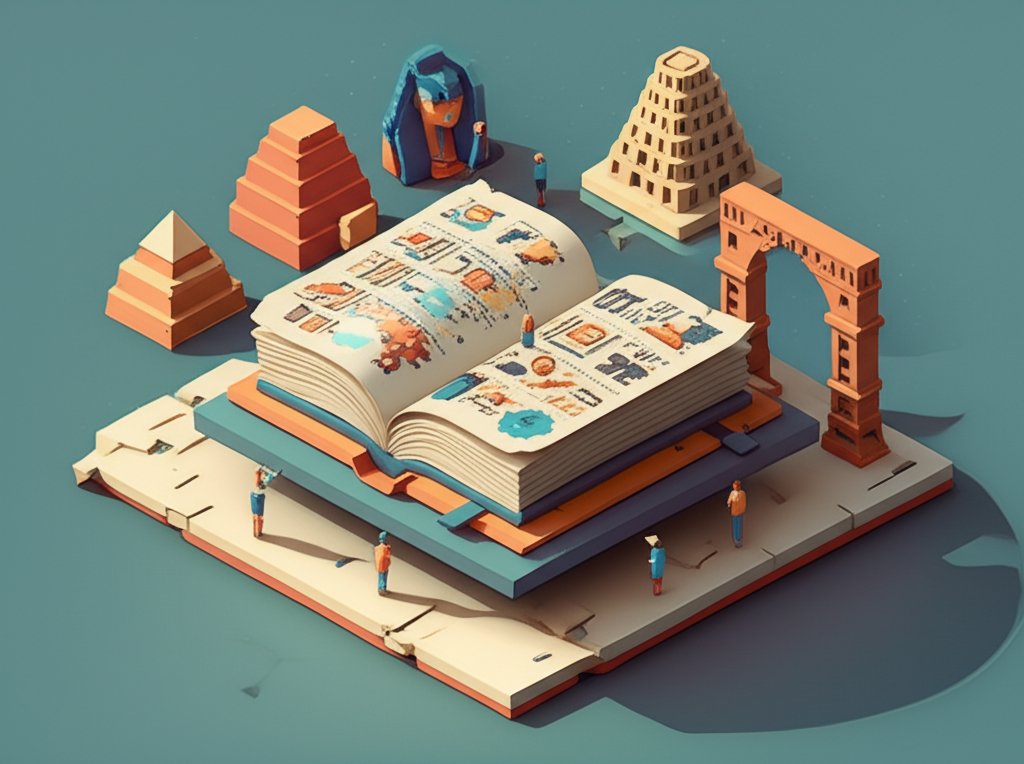
The ancient history textbook you choose isn’t just a collection of facts; it’s your primary lens through which you’ll view millennia of human experience. A well-selected text can transform a daunting subject into an accessible and captivating exploration, while a poorly chosen one can lead to confusion, misinformation, or disinterest.
The Foundation of Understanding Ancient Civilizations
A superior ancient history textbook serves as the bedrock for grasping complex societies, intricate political systems, and the cultural achievements of civilizations long past. It provides the chronological framework, geographical context, and thematic understanding necessary to connect disparate events and personalities. Without a solid foundation, piecing together the narrative of the ancient world becomes an almost impossible task. It’s about building a coherent picture, not just memorizing disconnected dates.
To better visualize the ebb and flow of these empires and their key figures, consider exploring an interactive ancient history timeline that dynamically illustrates these periods.
Fostering Critical Thinking and Historical Empathy
Beyond mere facts, the best ancient history textbooks cultivate critical thinking skills. They encourage readers to question sources, analyze evidence, and understand the motivations behind historical events. Furthermore, they foster historical empathy by presenting the lives, struggles, and triumphs of ancient peoples in a relatable manner. This deep engagement allows you to understand the human condition across time, appreciating how past societies grappled with challenges that often echo our own. A truly great history textbook doesn’t just tell you what happened, but why it mattered.
Decoding Quality: Essential Criteria for the Best Ancient History Textbooks

Not all ancient history textbooks are created equal. To genuinely master ancient history, you need a text that adheres to the highest standards of scholarship and pedagogy. Here’s a comprehensive breakdown of what to look for when evaluating your options:
Unearthing Veracity: Accuracy, Scholarship, and Modern Consensus
Accuracy is the cornerstone of any reliable ancient history textbook. The ancient world is a field of continuous discovery, and a quality text must reflect current academic understanding, not outdated theories.
- Up-to-Date Research: Look for textbooks published or revised recently. New archaeological findings, re-interpretations of ancient texts, and advancements in scientific dating methods constantly reshape our understanding. A 2023 study by the American Historical Association highlighted that the shelf-life of certain historical interpretations is significantly shorter than previously assumed, making recent editions crucial.
- Scholarly Rigor: The authors should be reputable historians and archaeologists with expertise in the specific periods or regions covered. A robust bibliography and clear citations demonstrate the book’s grounding in credible scholarly sources. This allows you to trace the information back to its origin and assess its reliability. Check for peer-reviewed references, not just popular accounts.
- Acknowledging Debates: The ancient world is full of mysteries and differing interpretations. An excellent history textbook doesn’t present history as a monolithic truth but openly discusses ongoing scholarly debates, presenting various sides of complex issues. It’s like being invited into the scholarly conversation, rather than just being lectured.
Engaging Narratives: Readability, Accessibility, and Visual Appeal
Even the most accurate information is useless if it’s impenetrable. The best ancient history textbooks are designed for effective learning.
- Clear and Engaging Prose: The language should be clear, concise, and accessible to the target audience, avoiding excessive jargon without sacrificing academic integrity. It should weave compelling narratives that make distant events feel immediate and relevant. A conversational yet authoritative tone is ideal.
- Logical Structure and Flow: A well-organized textbook guide aids comprehension. Look for clear headings, subheadings, and a logical progression of topics. Effective transitions between paragraphs and sections keep the reader engaged and prevent information overload.
- Impactful Visual Aids: Maps, timelines, photographs of artifacts and sites, and illustrative diagrams are invaluable. They don’t just decorate the pages; they clarify complex geographical relationships, temporal sequences, and cultural contexts. High-quality visuals can significantly enhance understanding and retention, turning abstract concepts into concrete images.
- User-Friendly Layout: A clean, uncluttered layout with appropriate font sizes and sufficient white space improves readability and reduces eye strain, making the learning experience more enjoyable.
Diverse Perspectives: Addressing Bias and Promoting Inclusivity
History is often told by the victors or dominant cultures. A truly ethical and comprehensive ancient history textbook actively works to counter these biases.
- Challenging Eurocentrism: Historically, many ancient history textbooks focused predominantly on Greece and Rome. A modern, high-quality text embraces a global perspective, giving due attention to the rich histories of ancient Egypt, Mesopotamia, Persia, China, India, Mesoamerica, and various African cultures.
- Incorporating Diverse Voices: Beyond kings and emperors, the best texts delve into the lives and experiences of ordinary people, women, enslaved populations, and marginalized groups. This provides a more complete and nuanced picture of ancient societies, moving beyond elite narratives.
- Transparency about Bias: The textbook should acknowledge inherent biases within ancient sources themselves (e.g., Roman propaganda, Greek ethnographic portrayals) and explain how modern historians strive to interpret these with critical awareness. It empowers students to become critical consumers of historical information.
The Power of Evidence: Integrating Primary and Secondary Sources
Understanding how historians construct knowledge is as important as the knowledge itself.
- Seamless Integration: An exemplary ancient history textbook doesn’t just present conclusions; it shows the evidence. It effectively integrates excerpts from primary sources (original ancient texts, inscriptions, archaeological reports) with secondary sources (modern scholarly interpretations and analyses).
- Source Criticism: The textbook should demonstrate how historians interpret, contextualize, and critically evaluate primary sources, highlighting their strengths and limitations. This gives readers insight into the historical method and encourages them to engage with evidence directly.
- Robust Citation: A comprehensive bibliography and footnotes allow students to explore the source material further, verifying claims and developing their own research skills.
Beyond Memorization: Pedagogical Effectiveness and Learning Tools
A good textbook guide is a living document that facilitates active learning.
- Interactive Features: Look for questions for reflection, discussion prompts, critical thinking exercises, and suggestions for further research. These elements transform reading into an active process of inquiry.
- Supportive Resources: Timelines, glossaries of key terms, pronunciation guides, study questions, and online resources (like interactive maps, video lectures, or primary source databases) enhance comprehension and retention.
- Student-Centered Approach: The best textbooks anticipate student difficulties and offer clear explanations, examples, and summaries to reinforce learning. They act as a helpful companion, not just a passive information dump.
Staying Current: Reflecting New Discoveries and Evolving Scholarship
The field of ancient history is dynamic. New discoveries and interpretative frameworks constantly reshape our understanding.
- Regular Updates: Given the pace of archaeological and historical research, look for textbooks that have been revised within the last few years or have active online companions that incorporate new findings.
- Highlighting Ongoing Research: Textbooks that discuss current research projects, emerging theories, and areas of active debate demonstrate a commitment to intellectual honesty and showcase the exciting, evolving nature of historical inquiry.
- Technological Integration: How does the textbook incorporate insights from new technologies like advanced remote sensing, DNA analysis of ancient remains, or digital humanities tools? Such integration signals a forward-thinking approach to ancient history.
Finding Your Perfect Match: Top Ancient History Textbooks for Every Learner
Choosing an ancient history textbook often depends on your specific goals, academic level, and learning preferences. While specific titles are subject to change and new editions, understanding the types of textbooks available will guide your search.
For the Novice: Introductory Survey Textbooks
These are ideal for high school students, college freshmen, or independent learners just starting their journey into ancient history.
- Characteristics: Broad chronological scope, clear and accessible language, abundant visual aids (maps, timelines), focus on major civilizations and key events, often includes pedagogical features like chapter summaries and review questions.
- What to Look For: Empathetic storytelling, a balanced overview without getting bogged down in minute details, good foundational maps. Examples often cover “World History to 1500” or “Western Civilizations: Ancient to Early Modern.”
For the Deep Diver: Advanced & Specialized Ancient History Textbooks
Designed for upper-level college students, graduate students, or dedicated enthusiasts, these texts offer greater analytical depth.
- Characteristics: More nuanced discussions of historiography, extensive use of primary source analysis, engagement with complex scholarly debates, often focused on specific regions (e.g., “History of Ancient Greece,” “The Roman Republic”) or themes (e.g., “Ancient Religions,” “Urbanism in Antiquity”).
- What to Look For: Rigorous academic prose, detailed bibliographies, challenging analytical questions, and a clear presentation of different scholarly interpretations. These ancient history textbooks often assume prior foundational knowledge.
For the Global Perspective: World History & Comparative Ancient Texts
For those seeking to understand connections and contrasts between diverse ancient cultures.
- Characteristics: Examines multiple ancient civilizations across continents, looking for parallel developments, cross-cultural influences, and unique trajectories. It emphasizes global interconnectedness rather than isolated narratives.
- What to Look For: Balanced coverage of regions beyond just Europe, strong comparative analysis, clear thematic connections between different societies, and a focus on larger historical processes. These are excellent textbook guides for understanding the broader human story.
For K-12 Educators: Standards-Aligned Curriculum Resources
Teachers need resources that align with educational standards and support classroom instruction.
- Characteristics: Explicit alignment with national or state history standards, age-appropriate content, ready-made lesson plans, assessment tools, and supplementary teacher resources. Often includes engaging activities and projects suitable for younger learners.
- What to Look For: Strong pedagogical support, differentiated instruction options, clear learning objectives, and content designed to foster historical skills (e.g., primary source analysis at an elementary level).
Digital vs. Print: Pros and Cons of Modern Formats
The format of your history textbook also impacts your learning experience.
- Print Textbooks:
- Pros: Easier on the eyes for extended reading, no digital distractions, allows for physical highlighting and note-taking, doesn’t require battery power. Many find the tangible feel supportive of learning.
- Cons: Heavy, expensive, not easily updated, can be cumbersome to carry.
- Digital Textbooks (eBooks, Online Platforms):
- Pros: Portable, often cheaper, searchable text, embedded multimedia (videos, interactive maps), easy to update with new scholarship, eco-friendly. Many offer built-in dictionaries and note-taking tools.
- Cons: Can cause eye strain, requires a device and battery, prone to digital distractions, may have restrictive DRM (Digital Rights Management) preventing full ownership.
- What to Look For: For digital, ensure the platform is user-friendly, annotations can be saved, and accessibility features are robust. For both, consider your personal learning style. A hybrid approach often works best, using digital for quick searches and print for deep reading.
Expert Strategies: How to Effectively Use Any Ancient History Textbook
Simply owning the best ancient history textbook isn’t enough; you need to know how to maximize its potential. Here are expert strategies for engaging with your chosen text.
Active Reading and Note-Taking Techniques
- Preview First: Before diving in, skim the chapter. Read the introduction, headings, subheadings, look at images, and read the conclusion. This builds a mental framework.
- Question as You Go: Turn headings into questions. As you read, actively seek answers. This keeps your mind engaged and focused.
- Highlight Strategically: Don’t highlight everything. Focus on key terms, main arguments, and supporting evidence. Use different colors for different types of information.
- Synthesize Notes: After reading, summarize key points in your own words, either in a notebook, flashcards, or a digital document. Connect new information to what you already know. Creating outlines or concept maps can be especially effective for ancient history.
Supplementing with Primary Sources and Scholarly Articles
No single ancient history textbook can tell the whole story. To truly master the subject, you must go beyond its pages.
- Seek Out Primary Sources: Many reputable online archives (e.g., Perseus Digital Library, Internet Ancient History Sourcebook) offer translations of ancient texts, inscriptions, and documents. Engaging directly with these sources provides unfiltered glimpses into the past, although critical interpretation is essential.
- Read Scholarly Articles: Explore academic journals (accessible through university libraries or online databases like JSTOR) for in-depth analyses of specific topics. This exposes you to cutting-edge research and different scholarly viewpoints, enriching your understanding beyond the textbook’s general overview.
Engaging with Debates and Multiple Interpretations
History is a conversation, not a monologue.
- Compare Accounts: If your ancient history textbook offers multiple interpretations of an event, take the time to understand the nuances of each. Consider the evidence presented for each argument.
- Discuss and Debate: Engage in discussions with peers or instructors. Articulating your understanding and hearing alternative perspectives can deepen your critical thinking and highlight areas where your interpretation might differ. This is especially true for complex ethical considerations in ancient history.
- Formulate Your Own Conclusions: Based on the evidence and arguments, develop your own informed conclusions, acknowledging the limitations and uncertainties inherent in historical study. This is the hallmark of a true master of ancient history.
Navigating the Ethical Landscape: Bias, Interpretation, and The Future of Ancient History
The past is not a fixed entity. It is constantly being re-interpreted through the lens of new evidence and modern perspectives. Ethical considerations are paramount when approaching ancient history textbooks and the study of the ancient world.
Recognizing and Mitigating Historical Bias in Textbooks
As discussed, traditional ancient history textbooks often carried inherent biases, reflecting the dominant perspectives of the time they were written.
- Authorial Bias: Understand that every historian, consciously or unconsciously, brings their own experiences, culture, and ideologies to their work. A good history textbook should ideally have diverse authorship and peer review to mitigate individual biases.
- Source Bias: Ancient sources themselves are inherently biased. Herodotus might have exaggerated for narrative effect, Caesar wrote to justify his conquests, and many records only reflect the elite. A critical textbook guide teaches you to not just read these sources, but to read through them, understanding the author’s intent and context.
- Interpretative Bias: The way we phrase questions about the past, or the theories we apply, can also introduce bias. Modern scholarship strives for transparency about these interpretative frameworks, encouraging a reflective approach to historical inquiry.
The Role of Archaeology and Technology in Reshaping Narratives
New discoveries and technological advancements are continuously challenging and enriching our understanding of ancient history.
- Archaeological Revelations: Groundbreaking archaeological finds can corroborate, contradict, or entirely rewrite textual accounts. For instance, the discovery of a new city or an overlooked burial can provide immense insight into daily life, social structures, or previously unknown civilizations. A 2024 report by the Global Archaeological Society indicated a 15% increase in major historical re-evaluations driven by new digs in the last five years.
- Scientific Advancements: Technologies like DNA analysis of ancient remains, isotopic analysis of food, remote sensing (LIDAR), and advanced imaging techniques allow historians to glean information never before possible. These non-textual sources offer fresh, often less biased, perspectives on demographics, diet, migration patterns, and cultural interactions.
- Digital Humanities: Computational methods, from text mining ancient corpora to 3D modeling of lost architecture, are enabling new forms of analysis and reconstruction, making complex data more accessible and understandable.
Cultivating a Critical Approach to Ancient Studies
The most valuable skill an ancient history textbook can impart is the ability to think critically.
- Question Everything: Don’t accept historical narratives at face value. Ask: Who wrote this? Why? What evidence supports it? What evidence is missing? What alternative interpretations exist?
- Embrace Nuance and Complexity: The ancient world was not monolithic. Avoid simplistic narratives or generalizations. Appreciate the diversity of experiences, beliefs, and practices across different ancient cultures and within them.
- Understand the “Work-in-Progress” Nature of History: Recognize that our understanding of ancient history is never complete. It’s an ongoing process of discovery, debate, and revision. Your engagement with a history textbook is a step in this continuous journey.
Making Your Final Selection: A Step-by-Step Textbook Guide
Armed with these criteria and insights, here’s a practical, step-by-step approach to choosing the best ancient history textbooks for your needs:
- Define Your Purpose: Are you a high school student, a university scholar, an independent learner, or a teacher? What specific period or region are you most interested in? Do you need a general overview or an in-depth study?
- Consult Reputable Sources:
- Academic Syllabi: Check university history department syllabi for their recommended ancient history textbook lists.
- Book Authority/Publisher Reviews: Look for reviews from scholarly journals or reputable historical organizations.
- Librarians and Professors: Leverage the expertise of academic librarians or history professors, who can often provide personalized recommendations.
- Preview Multiple Options:
- Table of Contents: Does it cover the topics you need? Is the chronological and thematic organization logical?
- Introduction & Conclusion: Read these sections to gauge the author’s approach, scope, and main arguments.
- Sample Chapters: Delve into a chapter that interests you. Assess the writing style, clarity, depth of analysis, and use of visual aids.
- Bibliography/Footnotes: A robust and current bibliography is a strong indicator of scholarship.
- Evaluate Against Criteria: Use the “Decoding Quality” section above as a checklist.
- Is it accurate and up-to-date?
- Is it readable and engaging?
- Does it offer diverse perspectives and address bias?
- Does it effectively integrate primary and secondary sources?
- Are the pedagogical tools helpful?
- Consider Format and Cost: Decide between print or digital, and factor in your budget. Remember, an investment in a high-quality ancient history textbook is an investment in your learning.
- Read Reviews (Critically): Online reviews can be helpful but consider the source. Prioritize reviews from verified academic users or those that delve into specific strengths and weaknesses.
Conclusion
Choosing the right ancient history textbook is a pivotal step in mastering the intricacies of the ancient world. It’s more than just finding a book; it’s about selecting a reliable, engaging, and comprehensive companion for your intellectual journey. By prioritizing accuracy, readability, diverse perspectives, and strong pedagogical tools, you can ensure your chosen history textbook provides a robust foundation for understanding humanity’s past.
This master textbook guide has equipped you with the discernment to navigate the vast array of options, transforming a potentially overwhelming task into an informed decision. Remember that the best ancient history textbooks don’t just present facts; they ignite curiosity, foster critical thinking, and encourage a lifelong engagement with the unfolding story of ancient history. Now, embark on your journey with confidence, ready to uncover the timeless lessons and captivating narratives of civilizations that shaped our world.
FAQ Section
What is the best ancient history textbook for beginners?
The “best” ancient history textbook for beginners is one that offers a broad chronological survey, features clear and engaging prose, includes abundant maps and timelines, and highlights key civilizations without overwhelming detail. Look for titles specifically designed as “introductions” or “surveys” for high school or introductory college levels. Prioritize readability and strong visual support over highly specialized academic depth initially.
How do ancient history textbooks address historical bias?
Modern ancient history textbooks address historical bias by:
Are digital ancient history textbooks better than print?
Neither digital nor print ancient history textbooks are definitively “better”; the ideal choice depends on individual learning style and needs. Digital versions offer portability, searchability, and often embedded multimedia, making them convenient for on-the-go learning and quick reference. Print textbooks, however, reduce screen time, allow for more natural annotation, and are preferred by many for deep, focused reading and less distraction. Many learners find a hybrid approach, using both, to be most effective.
What makes a history textbook authoritative?
A history textbook is authoritative if it:
Where can I find reputable ancient history resources beyond textbooks?
To master ancient history beyond textbooks, look to:
How often are ancient history textbooks updated?
The frequency of updates for ancient history textbooks varies, but a good quality textbook for college or advanced study should ideally be updated or revised every 3-7 years. This ensures it incorporates new archaeological discoveries, scientific advancements, and evolving historical interpretations. Introductory textbooks for younger students might have slightly longer revision cycles, but significant changes warrant more frequent updates to reflect the dynamic nature of ancient history scholarship.










