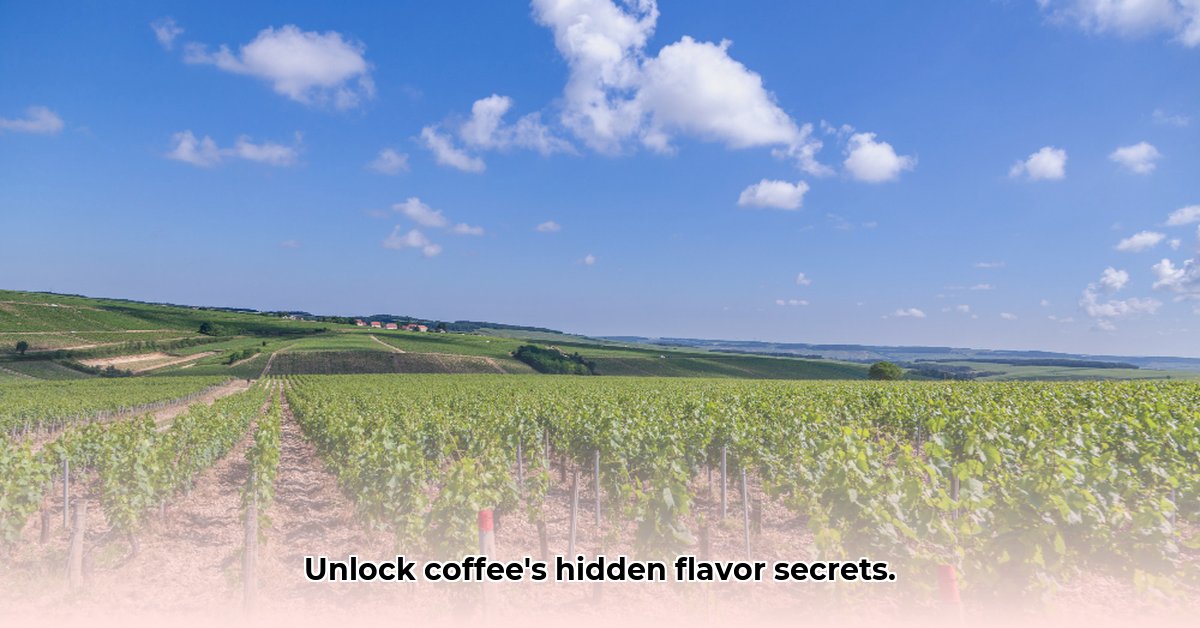
Ever wondered why your morning cup tastes so different depending on where the beans come from? It’s not just a coincidence – it’s all about “terroir,” which significantly impacts coffee flavor, acidity, and sweetness. Think of terroir as the fingerprint of a specific place, creating unique flavor profiles in coffee, much like it does in wine. This article takes you on a journey from bean to cup, exploring how the soil, climate, altitude, and even the farming practices, all work together to produce coffee’s incredible range of tastes. We’ll examine the challenges facing coffee growers due to climate change and unsustainable practices, and highlight how sustainable solutions can help preserve those delicious flavors for years to come. Understanding complex flavors is key, so learn more about [savory flavor science](https://www.lolaapp.com/the-science-of-umami-why-we-crave-savory-foods). Get ready to discover the secrets behind your favorite brew and learn how you can make a difference.
The Terroir Concept: How Environment Shapes Coffee Flavor
A Journey Through Coffee’s Flavor Landscape
Imagine standing amidst lush coffee plants on a sun-drenched hillside, the air thick with the earthy scent of fertile soil and the sweet perfume of blossoms. That’s where the magic begins – the incredible story of how the land itself shapes the flavor of your morning coffee. It’s not just about the beans; it’s about the unique “fingerprint” of the place where they’re grown, a concept called “terroir.” The altitude, the soil – the coffee plant’s essential nutrient source – and the climate all weave together to create the distinctive taste of coffee from different regions around the world.
Imagine sipping a cup of coffee grown in mineral-rich volcanic soil, its rich, complex flavor a testament to the nutrients absorbed from the earth. Contrast that with a cup from sandy soil, which might be lighter and brighter – a completely different sensory experience. This incredible diversity is all thanks to terroir, a concept that creates unique flavor profiles in coffee.
Decoding the Elements of Terroir: Nature’s Recipe
Let’s dive deeper into the key ingredients of this natural flavor recipe, exploring how climate, soil, altitude, and farming practices interact to shape the final taste.
First, consider the soil. Different soil types offer vastly different nutrients. Volcanic soil, rich in minerals, contributes to a deep, earthy taste. Sandy soil, on the other hand, tends to produce lighter, more delicate brews. Clay soil can contribute to a heavier body and a more robust flavor profile. The soil’s composition directly influences the plant’s ability to absorb essential nutrients, which then translates into the final cup’s flavor profile.
Next, there’s the climate, the conductor of this natural orchestra. High altitudes often mean slower bean development, resulting in denser beans and a more concentrated, intense flavor. Lower altitudes, with their warmer temperatures, can produce beans that develop faster but may lack the same complexity. Rainfall also plays a significant role. Consistent rainfall can lead to larger beans and a sweeter taste. Too much or too little rain, however, can negatively impact the bean’s growth, affect acidity levels, and diminish quality. The amount of sunlight also makes a difference, influencing the bean’s sugar development and ultimately its sweetness.
Altitude is a critical factor. Coffee grown at higher elevations, typically above 1,200 meters (approximately 4,000 feet), often exhibits a brighter acidity and more complex flavor profile. This is due to the cooler temperatures that slow down the maturation process, allowing the beans to develop more nuanced characteristics.
Then there are the farming practices. Organic farming, for example, aims to maintain soil health and biodiversity, contributing to a more sustainable and potentially more flavorful result. Shade-grown coffee – when coffee plants are grown under a canopy of trees – often produces beans with a different flavor profile than sun-grown coffee, as the canopy provides a more stable and humid environment. The careful choice of coffee variety also plays a crucial role in the final flavor. Certain varieties, like Geisha or Pacamara, are known for their distinctive flavor characteristics.
Processing methods, such as washed, natural, or honey processing, can further enhance or modify the terroir-driven flavors. Washed processing typically highlights the acidity and clarity of the coffee, while natural processing can result in a fruitier and sweeter cup.
The Science Behind the Sensory Experience: Unpacking the Flavor
But how do these elements actually influence the flavor? It’s an interplay of chemical processes. Temperature affects the chemical reactions within the coffee bean, influencing its acidity and sweetness. The amount of sunlight impacts the sugars the plant produces – more sunlight often means a sweeter bean. Soil nutrients provide the building blocks for the bean’s complex flavor profile. This sophisticated dance of chemistry and nature creates the subtle, nuanced tastes we appreciate in a cup of coffee. For example, magnesium is known to enhance acidity, while potassium contributes to body and richness.
The Challenges: Climate Change and Unsustainable Practices
Sadly, climate change is disrupting this delicate balance. Shifting rainfall patterns, hotter temperatures, and more frequent extreme weather events threaten coffee-growing regions. Unsustainable farming practices, like deforestation and excessive pesticide use, further compound the problem, degrading soil health, depleting water resources, and reducing biodiversity. This jeopardizes the livelihoods of coffee farmers and threatens the unique, treasured coffee flavors associated with particular regions. The very essence of terroir is at risk. Deforestation leads to soil erosion and loss of habitat, while pesticides can contaminate water sources and harm beneficial insects.
Actionable Steps for a Sustainable Future: What Can We Do?
The good news is, we can all play a part in safeguarding coffee’s future. Here’s how, broken down by stakeholder:
For Coffee Farmers:
- Short-Term Actions: Implement improved soil management practices (like composting and cover cropping); invest in tools to monitor the local climate, and explore climate-resilient coffee varieties. Farmers can also implement water conservation techniques, such as rainwater harvesting and efficient irrigation systems.
- Long-Term Strategies: Diversify their crops to reduce risks; adapt to changing climate conditions (for instance, by planting drought-resistant varieties or managing shade to minimize heat stress), and join farmer cooperatives to gain market access and share knowledge. They can also explore agroforestry practices, which integrate trees into the coffee farming system, providing shade, improving soil health, and sequestering carbon.
For Coffee Roasters and Importers:
- Short-Term Actions: Prioritize sourcing coffee beans from farms committed to sustainable practices; boost transparency in their supply chains, and educate consumers about terroir and its importance. Roasters can also support farmer training programs and invest in research on climate-resilient coffee production.
- Long-Term Strategies: Collaborate with farmers to promote sustainable farming methods; invest in research on climate-resilient coffee production; minimize their environmental footprint (reducing packaging waste and carbon emissions, for instance), and support fair trade principles. This includes developing long-term relationships with farmers and providing them with technical assistance and financial support.
For Consumers (that’s you!):
- Short-Term Actions: Make conscious coffee choices – opt for sustainably sourced coffee brands, support fair trade initiatives, and learn about the origin and farming practices behind your favorite brews. Look for certifications such as Fair Trade, Organic, and Rainforest Alliance.
- Long-Term Strategies: Advocate for policies supporting sustainable agriculture and prioritize buying coffee that carries environmental certifications. This includes supporting companies that are transparent about their sourcing practices and committed to paying farmers a fair price.
For Governments and Non-Governmental Organizations (NGOs):
- Short-Term Actions: Provide financial and technical support to coffee farmers adopting sustainable farming methods; fund research into climate-resilient solutions, and offer incentives for sustainable practices. Governments can also implement policies that promote sustainable land management and protect coffee-growing regions from deforestation and pollution.
- Long-Term Strategies: Develop national and international strategies to mitigate the effects of climate change; support the creation and growth of farmer cooperatives; invest in improving infrastructure in coffee-growing regions, and foster international collaboration. This includes promoting sustainable agricultural practices, supporting research and development, and creating market incentives for sustainable coffee production.
The Future of Flavor: Protecting Our Shared Heritage
Protecting coffee terroir is more than just preserving delicious coffee; it’s about safeguarding the livelihoods of farmers, the biodiversity of our planet, and the rich cultural heritage woven into coffee production. By adopting sustainable practices across the coffee supply chain—from bean to cup—we can ensure that future generations can enjoy the diverse and delicious flavors that result from this unique interplay of soil, climate, cultivation, and human care. Let’s raise a cup to a future where the story of terroir continues to unfold!
Mitigating Climate Change Risks in Sustainable Coffee Farming
Key Takeaways:
- Climate change significantly threatens coffee production, especially Arabica, disproportionately affecting smallholder farmers.
- Rising temperatures, erratic rainfall, and increased pests and diseases are major concerns.
- Sustainable farming practices are crucial for mitigating these risks by boosting resilience and reducing environmental impact.
- Collaboration among farmers, businesses, and governments is essential for a sustainable and climate-resilient coffee industry.
- Adaptation to climate change conditions is necessary to ensure long-term viability.
Terroir: The Foundation of Flavor
Imagine the rich aroma of freshly brewed coffee. That complex flavor profile isn’t accidental; it’s a direct result of terroir. This French term describes a unique combination of factors—soil composition, climate, altitude, and farming practices—that influence the taste of agricultural products, particularly wine and coffee. Think of it as the coffee bean’s fingerprint, imprinted by its environment.
For coffee, terroir dictates everything from acidity and body to sweetness and aroma. The volcanic soil of Guatemala creates a distinct coffee experience compared to the high-altitude slopes of Ethiopia. These subtle variations are what make each cup so unique. But this delicate balance is under threat from climate change.
Climate Change: A Bitter Brew
Climate change is altering the ideal growing conditions for coffee plants, impacting the strategies to mitigate climate change risks in sustainable coffee farming. Higher temperatures disrupt the delicate flowering and ripening processes, leading to reduced yields. Erratic rainfall patterns result in both drought and flooding, impacting both plant health and bean quality. Furthermore, changing climate conditions are favorable to pests and diseases, often requiring increased reliance on pesticides, which are detrimental to both the environment and human health.
These environmental changes disproportionately affect smallholder farmers, who often lack the resources to adapt and build resilience. The shrinking suitable area for Arabica, projected to possibly reach a 70% loss in areas like Mexico and Ethiopia, highlights the problem’s severity.
Sustainable Solutions: Brewing a Better Future
Mitigating climate change risks in sustainable coffee farming requires a multifaceted approach. The key is to work with the natural environment, not against it. This includes adopting sustainable farming practices, promoting biodiversity, and reducing reliance on chemical inputs. Shade-grown coffee provides natural protection from the harsher elements while fostering biodiversity and healthier soil.
Actionable Steps for a Resilient Coffee Industry
Here’s a breakdown of actionable measures for different stakeholders:
| Stakeholder | Short-Term Actions | Long-Term Actions |
|---|---|---|
| Farmers | Improved water management (drip irrigation, rainwater harvesting), intercropping (planting diverse crops together), access to microfinance. | Transition to climate-resilient varieties (drought-resistant, disease-resistant), farmer training programs on sustainable practices, diversification of income streams. |
| Producers | Irrigation systems, precision agriculture (using data to optimize farming practices), varietal upgrades (planting more resilient varieties). | Climate risk management plans (assessing and mitigating climate-related risks), carbon offsetting (reducing carbon footprint), R&D for new coffee species adapted to changing climates. |
| Governments/NGOs | Subsidies for sustainable farming practices, capacity building programs for farmers, deforestation regulation and enforcement. | Research on ecosystem services (valuing the benefits provided by ecosystems), climate-smart policies (incentivizing sustainable practices), creating sustainable supply chains. |
| Consumers | Support sustainable brands and products, paying higher premiums for climate-friendly beans. | Advocate for climate-conscious policies, educating themselves about the impact of their coffee choices. |
Collaboration is Key
Addressing these challenges requires a coordinated and collaborative effort. We need scientists developing climate-resilient coffee varieties, governments creating supportive policies, producers investing in sustainable practices, and consumers actively choosing ethically sourced coffee. The future of coffee’s unique flavors hinges on our collective commitment to a sustainable and climate-resilient coffee industry. Only then can we ensure the delightful taste of coffee remains for generations to come.
Sustainable Coffee Farming Practices for Enhanced Terroir Expression
Key Takeaways:
- Soil health is paramount to coffee quality and yield. A thriving soil microbiome is essential for nutrient cycling and disease suppression.
- Sustainable Coffee Farming Practices for Enhanced Terroir Expression directly influence the final cup by affecting flavor precursors and aroma compounds.
- Climate change threatens coffee production; adaptation is crucial for long-term viability.
- Organic farming practices and reduced chemical inputs lead to superior coffee quality and significant environmental benefits.
- Collaboration across the coffee supply chain is essential for long-term success and resilience.
The Symphony of Soil: Understanding Terroir in Coffee
Have you ever wondered why one cup of coffee tastes dramatically different from another, even if it’s the same bean variety? It’s not just the bean itself; the “terroir” plays a massive role. Think of it as the coffee bean’s fingerprint, imprinted by its environment. This unique combination of factors, including soil composition, climate, altitude, and farming practices, dictates the bean’s final flavor profile — its acidity, body, sweetness, and aroma. High-altitude beans often develop unique characteristics due to slower ripening and increased UV exposure.
Decoding the Elements: How Terroir Shapes Flavor
Let’s break down the key elements. The soil composition, whether rich in essential nutrients or depleted, directly influences the coffee plant’s vigor and the resulting bean’s flavor complexity. Climate, with its unique rainfall patterns and temperatures, affects the rate of bean maturation and the development of specific flavor compounds. Altitude affects factors like sunlight exposure and temperature fluctuations, which in turn affect the bean’s density and sweetness. Even post-harvest processing methods, from drying to roasting, further refine the final flavor expression.
The Urgent Need for Sustainability: A Growing Threat
Climate change is dramatically impacting coffee terroir. Unpredictable rainfall patterns leads to either drought or excess water, while extreme temperatures and soil erosion are threatening coffee production across the globe. Unsustainable farming practices exacerbate these issues. Deforestation and the overuse of chemical fertilizers and pesticides disrupt delicate ecosystems and significantly degrade soil health. This isn’t just an environmental issue; it’s directly impacting coffee quality, the livelihoods of farmers, and the long-term viability of the industry.
Sustainable Solutions: A Multi-Faceted Approach
Sustainable Coffee Farming Practices for Enhanced Terroir Expression require a collaborative effort. This involves moving towards organic farming methods and improve water management promote biodiversity and naturally enrich the soil. Efficient water management techniques minimize water waste and conserve this precious resource. Shade-grown coffee helps protect biodiversity and provides a more stable environment for coffee plants. Farmers need access to training and resources, and consumers must demonstrate support for ethically sourced coffee.
Actionable Steps for a Better Cup
Here’s how different stakeholders can contribute to a more sustainable coffee industry:
| Stakeholder | Short-Term Actions | Long-Term Actions |
|---|---|---|
| Coffee Farmers | Soil testing, using compost and cover crops, reducing chemical inputs (fertilizers, pesticides). | Transitioning to organic farming practices, exploring microbial inoculants to enhance soil health, adopting drought-resistant varieties, implementing water-efficient irrigation techniques. |
| Coffee Companies | Investing in sustainable farming programs, supporting farmer training initiatives and provide technical assistance. | Developing long-term partnerships with farmers, promoting climate-smart agriculture practices, enhancing supply chain transparency and traceability. |
| Governments & NGOs | Funding research on climate adaptation and sustainable farming, supporting organic certification programs for farmers. | Developing supportive policies for sustainable farming, providing financial incentives and technical assistance for adopting sustainable practices, promoting fair trade principles. |
| Consumers | Choosing sustainably sourced coffee, supporting ethical brands that prioritize fair labor practices. | Educating themselves about coffee production and its environmental impact, advocating for sustainable practices and supporting policies that promote sustainability. |
Climate Change Adaptation Strategies for Coffee Terroir Preservation
Key Takeaways:
- Climate change poses a significant threat to coffee production worldwide, impacting yields, shrinking suitable growing regions, and disrupting ecosystems.
- Adaptations, such as improved water management and the adoption of climate-resilient varieties, help moderate the impacts of climate shifts.
- Systemic changes—including socio-institutional reforms and strategic interventions—are vital for achieving substantial and lasting climate resilience.
- Certification programs offer valuable solutions but need continuous monitoring and updates to effectively support smallholder farmers in adapting to climate change.
- The effectiveness of adaptation strategies relies heavily on local conditions, farmer resources, and access to information and support networks.
Terroir: The Heart of Coffee Flavor
Terroir is unique to each place. It’s the specific combination of soil composition, climate, altitude, and farming practices that creates the distinct character of a coffee bean. Coffee’s flavor is directly linked to its origins, with these environmental factors shaping the aroma, acidity, body, and sweetness of each cup.
How Climate Change Threatens Coffee Terroir
However, climate change is throwing this delicate balance out of whack, threatening coffee-growing areas around the globe and causing significant stress on coffee plants,Ultimately impacting harvest yields and quality. Changes in rainfall patterns can lead to both drought and excess water, which devastates crops and disrupts traditional farming practices. Without effective Climate Change Adaptation Strategies for Coffee Terroir Preservation, we risk losing irreplaceable elements of our culinary landscape and the livelihoods of countless farmers.
Understanding the Impact of Each Factor
- Soil Composition: Nutrient-rich volcanic soil contributes to the richness and body of certain coffees. Declining soil health due to erosion, deforestation, and unsustainable farming practices directly impacts flavor and productivity.
- Climate: Consistent temperature and rainfall are crucial for optimal flavor development, but rising temperatures, prolonged droughts, and increased frequency of extreme weather can cause stress and negatively impact the bean’s quality.
- Altitude: Higher altitudes often result in slower growth, producing denser beans with more complex flavour profiles. Climate change can alter temperature gradients, impacting the viability of high-altitude coffee-growing regions.
- Farming Practices: Sustainable farming methods protect biodiversity, enhance soil health, and promote climate resilience. Conversely, unsustainable practices exacerbate the negative impacts of climate change.
Actionable Steps for Climate Change Adaptation
To safeguard coffee terroir and ensure the long-term sustainability of coffee production, we need a multi-pronged approach involving all stakeholders.
For Smallholder Farmers:
- Implement improved water management techniques such as drip irrigation and rainwater harvesting to conserve water and mitigate the impacts of drought.
- Adopt climate-resilient coffee varieties that are better adapted to changing temperature and rainfall patterns.
- Participate in knowledge-sharing networks and training programs to learn about best practices for climate change adaptation.
- Explore crop diversification strategies to reduce risk and enhance food security.
For Certification Bodies:
- Review and strengthen existing standards to include specific climate adaptation criteria and ensure that certified farms are actively implementing climate-resilient practices.
- Provide training and resources on climate-smart agriculture practices to help farmers implement effective adaptation strategies.
- Facilitate access to finance and markets for climate-resilient coffees, creating incentives for farmers to adopt sustainable practices.
For Governments and NGOs:
- Invest in climate-resilient coffee research and development to identify and promote varieties and farming systems that are well-suited to changing conditions.
- Provide financial and technical support to smallholder farmers to help them implement climate adaptation measures and improve their livelihoods.
- Develop policies that incentivize sustainable land management and protect coffee-growing regions from deforestation and pollution.
For Coffee Companies:
- Source coffee beans from farmers committed to climate-resilient practices and offer long-term contracts and fair prices to support their efforts.
- Offer higher prices for certified sustainable coffee to create a market demand for climate-friendly products and incentivize wider adoption of sustainable practices.
- Invest in training and capacity-building programs for farmers to help them implement climate adaptation measures and improve the quality of their coffee.
The Future of Coffee Depends on Us
Implementing effective Climate Change Adaptation Strategies for Coffee Terroir Preservation is essential for sustaining the coffee industry and preserving the unique flavors and aromas. It’s a shared responsibility, requiring close cooperation and collaboration across the entire supply chain, from farmers to consumers. Together, we can ensure the long-term sustainability of coffee production and safeguard the livelihoods of millions of coffee farmers around the world.










