August, the eighth month of our modern calendar, is far more than just the peak of summer or the harbinger of autumn. It’s a month steeped in dramatic Roman history, named after an emperor who reshaped the world, and brimming with global traditions, natural wonders, and fascinating August fun facts. From ancient harvest festivals to quirky modern celebrations, August offers a rich tapestry of stories waiting to be discovered. If you’ve ever wondered about the origins of its name, the significance of its 31 days, or the unique events that unfold throughout its span, prepare to embark on a captivating journey. This article will unveil the secrets of August, ensuring you’re equipped with comprehensive insights to understand and appreciate this remarkable time of year.
The Imperial Legacy: How August Became “Augustus”
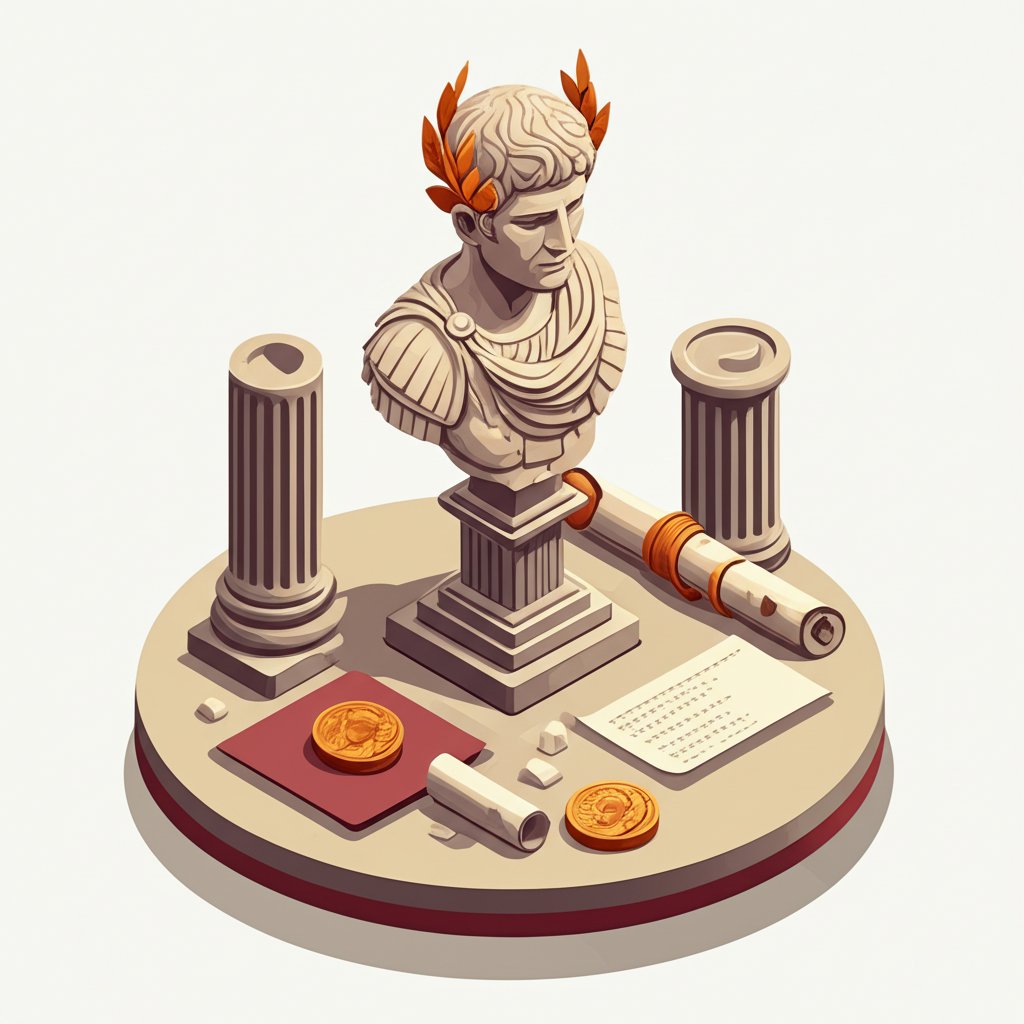
The very name “August” is a testament to the enduring power and influence of the Roman Empire, specifically the towering figure of Augustus Caesar. His story is intertwined with the month, providing a foundational layer to August history.
From Sextilis to a Caesar’s Honor
Before it became August, the month was simply known as “Sextilis,” deriving from the Latin word for “sixth,” a reflection of its position in the earlier Roman calendar which began in March. This nomenclature persisted until 8 BC when a monumental change occurred. Emperor Caesar Augustus, born Gaius Octavius Thurinus, decreed that Sextilis be renamed in his honor. This wasn’t merely an act of egomania; Augustus had achieved several significant military victories and political triumphs during this month, including the conquest of Egypt and the end of the Roman civil wars, ushering in the Pax Romana. Renaming the month solidified his legacy and eternalized his period of abundance and success.
This renaming also introduced a subtle, yet significant, alteration to the calendar. To ensure his month was as long and prestigious as July, named after his adopted father, Julius Caesar, a day was transferred from February, bringing August’s total to 31 days. This seemingly small tweak underscores how the ambitions and decisions of powerful emperors continue to shape our daily lives, millennia later.
The Reign of Augustus: Architect of an Empire
Augustus Caesar was not just a month-namer; he was the first Roman Emperor, transforming the Roman Republic into an Empire and initiating a golden age of peace and prosperity known as the Pax Romana (Roman Peace). His reign, from 27 BC to 14 AD, was characterized by extensive reforms in governance, finance, and military organization, as well as significant architectural projects that beautified Rome. He established a stable administrative system that would last for centuries, effectively laying the groundwork for much of Western civilization. Understanding Augustus’s impact helps us appreciate why a month was dedicated to him and why his name resonates so powerfully in August history.
The Julian-Gregorian Calendar Shift and August’s Place
While Augustus established the month’s name and length, its position within the year was cemented by broader calendar reforms. The Julian calendar, introduced by Julius Caesar in 45 BC, fixed the number of days in most months, including August. Later, the Gregorian calendar, adopted in 1582, refined the system, particularly regarding leap years, but largely maintained the structure established by the Romans. Thus, August’s 31 days and its eighth-month position are direct descendants of these ancient Roman decrees, demonstrating the profound and lasting influence of Roman timekeeping on our modern world.
More Than a Month: Essential August Fun Facts
Beyond its Roman origins, August is packed with general August fun facts that highlight its unique position in the annual cycle, its natural phenomena, and its cultural symbols.
Celestial Spectacles and Summer’s Peak
In the Northern Hemisphere, August is synonymous with the height of summer. It’s a time of long, warm days, sun-drenched landscapes, and an overall sense of leisure before the autumn shift. This period is famously known as the “dog days of summer,” traditionally associated with the heliacal rising of Sirius, the brightest star in the night sky, which coincides with the hottest part of the season in the Northern Hemisphere.
However, August also offers one of the most breathtaking celestial events of the year: the Perseid meteor shower. Peaking in mid-August, this annual display of “shooting stars” is caused when Earth passes through the debris left by Comet Swift-Tuttle. Stargazers around the world look forward to this spectacle, which provides a stunning natural light show, especially away from city lights.
Birthstones, Flowers, and Zodiac Signs
Each month carries symbolic representations, and August is no exception. These symbols add another layer to the month fun facts associated with this time of year:
- Birthstones: Traditionally, August’s birthstone was Sardonyx, a banded variety of onyx known for its protective qualities. However, Peridot, with its vibrant green hue, is now widely recognized as the primary August birthstone, symbolizing strength, protection, and growth. Spinel, a beautiful gemstone found in a variety of colors, has also been added as a modern August birthstone, reflecting passion and longevity.
- Flowers: The Gladiolus, often called the “sword lily” due to its shape, is one of August’s birth flowers. It symbolizes strength of character, sincerity, and remembrance. The Poppy is another August flower, carrying different meanings depending on its color, from remembrance (red) to peace (white) and success (yellow).
- Zodiac Signs: Individuals born in August fall under two zodiac signs:
- Leo (July 23 – August 22): Leos are often characterized by their confident, generous, and enthusiastic personalities, much like the sun that dominates August.
- Virgo (August 23 – September 22): Virgos are typically known for their practical, analytical, and hardworking nature, reflecting the transition towards harvest and preparation.
Agricultural Abundance: Harvest Time
For many cultures in the Northern Hemisphere, August is the heart of the harvest season. Farmers are busy gathering the fruits of their labor, and fields are laden with ripening crops. This is a time of incredible abundance, bringing forth staples like corn, wheat, oats, and barley. Orchard fruits such as peaches, plums, and apples are at their peak, alongside a bounty of vegetables like tomatoes, zucchini, and bell peppers. This agricultural peak is a fundamental aspect of August’s character and has historically shaped many of its cultural practices and celebrations.
Southern Hemisphere’s Spring Awakening
In stark contrast to the Northern Hemisphere’s summer zenith, August marks the vibrant awakening of spring in the Southern Hemisphere. Countries like Australia, New Zealand, South Africa, and parts of South America begin to shed the chill of winter. Days grow longer, temperatures rise, and the natural world bursts into life with blossoming flowers, budding trees, and the return of migratory birds. This global duality highlights Earth’s tilt and orbit, offering a beautiful reminder of our planet’s diverse seasonal experiences.
A World of Celebration: August Traditions & Global Festivities

August traditions are as diverse as the world itself, ranging from ancient pagan rituals to modern-day festivals of art, food, and community.
Ancient Roots and Harvest Festivals
Deeply rooted in agricultural cycles, many August traditions stem from ancient harvest festivals. One of the most significant is Lammas (or Lughnasadh), observed around August 1st in the Northern Hemisphere. This cross-quarter day marks the first harvest, particularly of grain, and is a celebration of abundance, gratitude, and the bounty of the earth. Pagan and Wiccan traditions often involve baking bread from the first grains, feasting, and rituals to honor the cycles of life and death, and to ensure continued fertility of the land. It’s a powerful reminder of humanity’s ancient connection to the natural world and the rhythm of the seasons.
National Days and Independence
August is a month of profound national significance for many countries, commemorating pivotal moments in their August history.
- India’s Independence Day (August 15th): Celebrates India’s liberation from British rule in 1947, a day marked by flag-hoisting ceremonies, parades, and cultural programs nationwide.
- Switzerland’s National Day (August 1st): Observes the founding of the Swiss Confederacy in 1291, with bonfires, fireworks, and community celebrations across the cantons.
- Pakistan’s Independence Day (August 14th): Marks its independence from British rule and the creation of Pakistan in 1947, celebrated with fervor, patriotism, and national pride.
- Singapore’s National Day (August 9th): Commemorates Singapore’s separation from Malaysia in 1965, celebrated with a grand parade and cultural showcases.
- Bolivia’s Independence Day (August 6th): Celebrates the country’s independence from Spanish rule in 1825.
These diverse celebrations, each steeped in unique historical narratives and cultural expressions, paint a vibrant picture of human resilience and the pursuit of self-determination.
Unique Cultural Events
Beyond formal national holidays, August hosts a spectacular array of unique cultural festivals that draw participants from around the globe:
- La Tomatina (Buñol, Spain): Held on the last Wednesday of August, this is arguably the world’s largest food fight, where thousands gather to hurl over-ripe tomatoes at each other in a joyous, messy spectacle.
- Edinburgh Fringe Festival (Scotland): Running for most of August, this is the world’s largest arts festival, showcasing thousands of performances in theatre, comedy, dance, music, and more, across hundreds of venues.
- Burning Man Festival (Nevada, USA): An annual event held in the Black Rock Desert, culminating on the last Monday in August, focusing on community, art, self-expression, and self-reliance, ending with the burning of a large effigy.
- Notting Hill Carnival (London, UK): Europe’s largest street festival, held over the August bank holiday weekend, celebrates Caribbean culture with vibrant parades, music, and food.
These events highlight the creative spirit and communal joy that define August fun facts across different cultures.
Quirky Modern Observances
August is also sprinkled with a delightful assortment of less formal, often humorous, “national days” and observances that reflect contemporary interests and add a touch of whimsy:
- National Watermelon Day (August 3rd): A perfect mid-summer celebration, encouraging the enjoyment of this refreshing fruit.
- National Dog Day (August 26th): Dedicated to celebrating our beloved canine companions and advocating for animal rescue.
- National Sandwich Month: Inspired by the Earl of Sandwich’s culinary innovation in 1762, this entire month encourages appreciation for this versatile and beloved meal.
- National Friendship Day (First Sunday in August): A day to celebrate the bonds of friendship, often through gatherings, shared meals, or thoughtful gestures.
These lighthearted celebrations demonstrate our collective desire to find joy in the everyday and create shared, memorable experiences.
Echoes Through Time: Pivotal August History Moments

Beyond the naming of the month, August history is filled with moments that have irrevocably shaped human civilization, from explorations and scientific breakthroughs to critical political and social shifts.
Explorations and Discoveries
- Christopher Columbus Sets Sail (August 3, 1492): A momentous day in world history, as Columbus departed from Palos, Spain, on his first voyage across the Atlantic, ultimately leading to the European discovery of the Americas. This event permanently altered global trade, culture, and demographics.
- Transatlantic Cable Completed (August 5, 1858): The first telegraph cable connecting North America and Europe was completed, drastically reducing communication time and symbolizing a new era of global connectivity.
Wars, Peace, and Political Shifts
- Atomic Bombs Dropped on Japan (August 6 & 9, 1945): The United States dropped atomic bombs on Hiroshima and Nagasaki, Japan, leading to Japan’s surrender and the end of World War II. These devastating events marked a new, terrifying chapter in human warfare and diplomacy.
- Voting Rights Act Signed (August 6, 1965): President Lyndon B. Johnson signed this landmark piece of civil rights legislation, outlawing discriminatory voting practices adopted in many Southern states after the Civil War. It was a crucial step toward racial equality in the United States.
- Berlin Wall Construction (August 13, 1961): The division of East and West Berlin began with the construction of the Berlin Wall, becoming a potent symbol of the Cold War and the ideological divide between communism and capitalism for nearly three decades.
- India and Pakistan Partition (August 14-15, 1947): The British colony of India was partitioned into two independent nations, India and Pakistan, leading to one of the largest mass migrations in human history and significant geopolitical shifts.
Scientific Breakthroughs and Cultural Milestones
- First Photograph of Earth from Moon Orbit (August 23, 1966): Lunar Orbiter 1 captured the first image of Earth from lunar orbit, offering humanity a new perspective of its home planet and fueling the space race.
- Woodstock Festival (August 15-18, 1969): This iconic music festival brought together half a million people for “3 Days of Peace & Music” in Bethel, New York, becoming a defining moment for the counterculture generation and a legend in music August history.
- First Human to Walk on the Moon (July 20, 1969, but the Apollo 11 crew returned to Earth in August): While the moon landing happened in July, the Apollo 11 crew’s safe return to Earth in August solidified this monumental achievement in human exploration.
These events, among countless others, underscore August’s role as a stage for monumental moments that have reshaped the world, making it a month rich with compelling August history.
Just as Augustus’s achievements earned him a month, some numbers have fascinating backstories too; for instance, did you know there are plenty of cool facts about the number 22?
Unpacking the Calendar: Broader Month Fun Facts
Understanding August also involves looking at its place within the broader context of calendar systems and how months themselves are structured. These month fun facts provide a deeper appreciation for our system of timekeeping.
The Eighth Month’s Unique Position
August is the eighth month, following July and preceding September. Its placement marks a significant transition point in the year, especially in temperate zones. In the Northern Hemisphere, it’s the last full month of summer before the autumnal equinox, often characterized by a noticeable shift in light and a subtle hint of cooler days to come. In the Southern Hemisphere, it signals the definitive end of winter and the rejuvenating onset of spring. This transitional quality makes August a month of both culmination and anticipation.
Linguistic Roots and Etymology
The names of our months are windows into ancient cultures and their understanding of time. While August’s name change from Sextilis is well-known, it’s worth noting the Latin origin, sex, meaning six, for its original name. This reflects the Roman calendar’s early start in March, making Sextilis the sixth month. The shift to “Augustus” wasn’t just a re-naming but a complete re-signification, moving from a numerical label to an imperial tribute. This evolution in naming highlights how calendars are not just scientific instruments but also cultural artifacts, reflecting social values, political power, and historical events.
Seasonal Significance Across the Globe
The distinct seasonal experiences across the globe are quintessential month fun facts. While many in the Northern Hemisphere associate August with heat, holidays, and harvest, this is not a universal experience.
- Northern Hemisphere: Peak summer, “dog days,” vacations, school breaks, abundant harvests, meteor showers.
- Southern Hemisphere: Early spring, blossoming flowers, increasing daylight, preparation for planting, end of winter sports.
- Equatorial Regions: Often characterized by consistent temperatures but possibly distinct wet or dry seasons, making August’s significance more about rainfall patterns or specific agricultural cycles rather than dramatic temperature shifts.
This global perspective enriches our understanding of August, demonstrating that its character is truly multifaceted and dependent on geographical location.
Conclusion: Embracing the Multifaceted Magic of August
From the grandeur of the Roman Empire and the legacy of Augustus Caesar to the vibrant August traditions celebrated worldwide, and the captivating August fun facts that define its unique character, this month is undeniably rich. It’s a time of both sweltering summer and blossoming spring, ancient rituals and modern revelry, profound historical shifts and fleeting celestial wonders.
Whether you’re marveling at the Perseid meteor shower, celebrating an independence day, or simply enjoying the bounty of a summer harvest, August invites us to connect with history, culture, and the natural world. Its story is a powerful reminder of how deeply intertwined our daily lives are with the echoes of the past and the diverse experiences of humanity. So, as August arrives, take a moment to appreciate its multifaceted magic – a month where secrets of history, vibrant traditions, and endless fascination truly converge.
August Fun Facts: Frequently Asked Questions
Q1: Why is August named August?
A1: August was originally called “Sextilis,” meaning “sixth” in Latin, as it was the sixth month in the ancient Roman calendar. It was renamed in 8 BC by Emperor Caesar Augustus in his own honor, due to several significant victories and achievements occurring for him during this month.
Q2: What are some general fun facts about August?
A2: August is the eighth month of the year with 31 days. Its birthstones are Peridot, Sardonyx, and Spinel, and its birth flowers are the Gladiolus and Poppy. It experiences peak summer in the Northern Hemisphere and early spring in the Southern Hemisphere. The Perseid meteor shower is a famous celestial event in August.
Q3: What notable traditions and events happen in August?
A3: August hosts diverse traditions:
Q4: What are some important historical events that occurred in August?
A4: Key moments in August history include:
Q5: What are August’s birthstone and flower?
A5: August’s primary birthstone is Peridot (green), with Sardonyx and Spinel also associated with the month. Its birth flowers are the Gladiolus (symbolizing strength and sincerity) and the Poppy.
Q6: Why does August have 31 days?
A6: August has 31 days because Emperor Caesar Augustus, when renaming the month from Sextilis to August, decreed that it should have the same number of days as July (named after Julius Caesar), to prevent his month from being shorter or less significant than his predecessor’s. A day was taken from February to achieve this.










