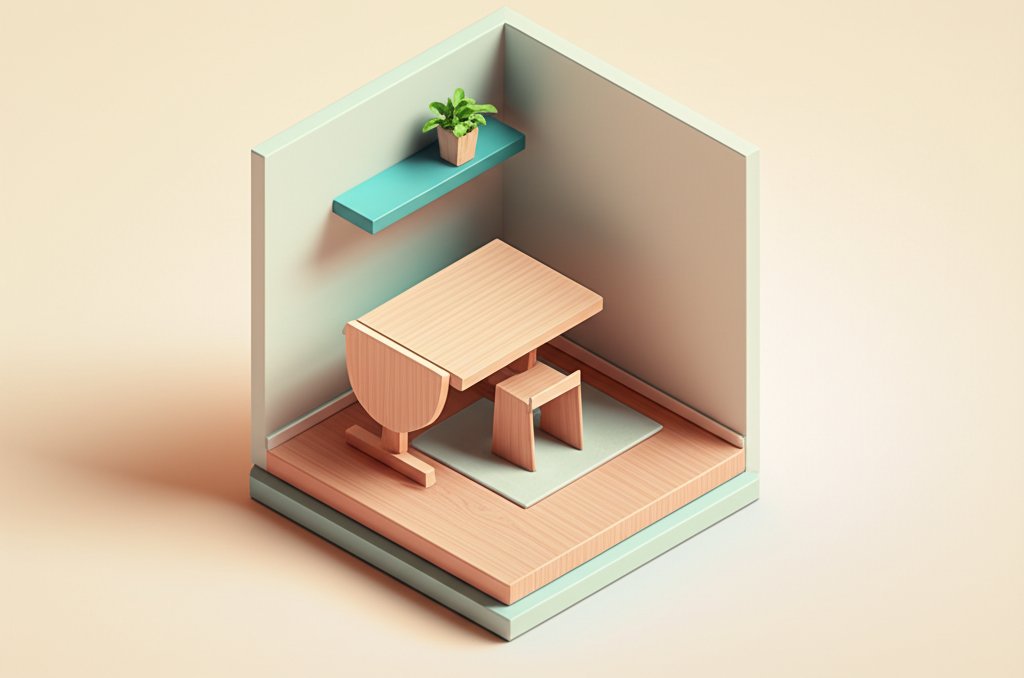
In the quest for efficient and stylish living, especially in urban environments or smaller homes, the drop-leaf table stands out as a true champion of adaptability. This ingenious piece of space-saving furniture effortlessly transforms from a slim console or compact side table into a fully functional dining or workspace, making it an indispensable asset for anyone looking to maximize every square inch. If you’re navigating the challenges of limited room and dreaming of a versatile solution that blends form and function, this ultimate guide will unveil everything you need to know about selecting, using, and maintaining the perfect drop leaf table to revolutionize your home.
The Ingenious Design of Drop-Leaf Tables
At its heart, a drop-leaf table is a triumph of design, offering an elegant solution to the perennial problem of limited space. Understanding its core mechanics and evolution helps appreciate its enduring appeal.
What Sets a Drop-Leaf Apart?
A classic drop-leaf table features one or more hinged sections (leaves) on the sides of a central, fixed tabletop. These leaves can be lifted and supported by gate legs, pull-out slides, or other mechanisms to expand the table’s surface area, or dropped down to create a narrower profile. This simple yet effective design allows for incredible flexibility, changing the table’s footprint to suit immediate needs. From a narrow entryway console to an expansive dining surface, the transformation is seamless and swift. This adaptability is precisely why it’s a cornerstone of effective small space furniture.
Drop-Leaf vs. Traditional Folding Tables: A Key Distinction
While both are designed to save space, there’s a crucial difference between a drop-leaf table and a generic folding table.
- Drop-Leaf Tables: Typically feature a more robust construction, often made from quality woods or metals, designed for semi-permanent placement and regular use as an attractive piece of furniture. Their “folding” mechanism is usually limited to dropping the sides, maintaining a central, fixed section. They prioritize aesthetic integration and durability for daily tasks.
- Folding Tables (General): Often lighter, more portable, and designed for temporary use (e.g., card tables, utility tables, outdoor picnic tables). They usually fold completely flat for storage and may not offer the same level of design sophistication or material quality for permanent indoor display.
While a drop-leaf table is a type of folding table in its functional mechanism, it elevates the concept to a furniture piece that is both practical and stylish, rather than purely utilitarian.
Avoiding an awkward centerpiece is crucial in small spaces, and a drop-leaf table’s adaptability makes it far superior to what might become an awkward bulwark in room, a common problem discussed further in our guide.
Why Drop-Leaf Tables Are Your Ultimate Space-Saving Solution
The surging popularity of drop-leaf tables isn’t a trend; it’s a testament to their unparalleled utility in contemporary living. They offer tangible benefits that address the core needs of modern homes.
Unlocking Versatility in Limited Areas
The primary allure of any drop-leaf table is its ability to adapt. Imagine a small space furniture piece that can perform multiple roles throughout your day:
- Compact Console: When not in use, with both leaves down, it can serve as a slim console table against a wall in a hallway, living room, or entryway, holding decorative items or a lamp.
- Dining for Two: With one leaf extended, it creates a cozy breakfast nook or a perfect surface for intimate meals.
- Dining for More: Fully extended, it transforms into a substantial dining table, comfortably seating four, six, or even eight people, depending on its size. This eliminates the need for a large, permanent table that would overwhelm a room.
- Workstation: It can double as a home office desk, providing ample room for a laptop and papers, then shrinking back down when work is done.
This inherent versatility means you invest in one piece of furniture that fulfills the functions of several, making it the epitome of space-saving furniture.
Aesthetic Appeal Beyond Functionality
Beyond their practical benefits, drop-leaf tables are designed to be beautiful. Contemporary designs embrace clean lines and minimalist aesthetics, while traditional models offer intricate details and rich wood finishes. They come in an array of styles, colors, and materials, ensuring there’s a drop leaf table to complement virtually any interior décor, from rustic farmhouse to sleek modern. They prove that small space furniture doesn’t have to compromise on style.
Multi-Functional Living Made Easy
In many homes, rooms aren’t dedicated to a single purpose. A living room might also be a dining area, and a bedroom might host a workspace. A drop-leaf table facilitates this multi-functional living:
- Kitchen Island Extension: A narrow drop-leaf can extend your kitchen counter space for meal prep, then fold away.
- Craft or Hobby Table: Provides a large, stable surface for projects without permanently occupying floor space.
- Entertainment Hub: Perfect for board games, puzzles, or serving snacks during gatherings, easily tucking away afterward.
This smart design liberates floor space and allows for a dynamic living arrangement, truly maximizing output from a small footprint.
Navigating the World of Drop-Leaf Table Types
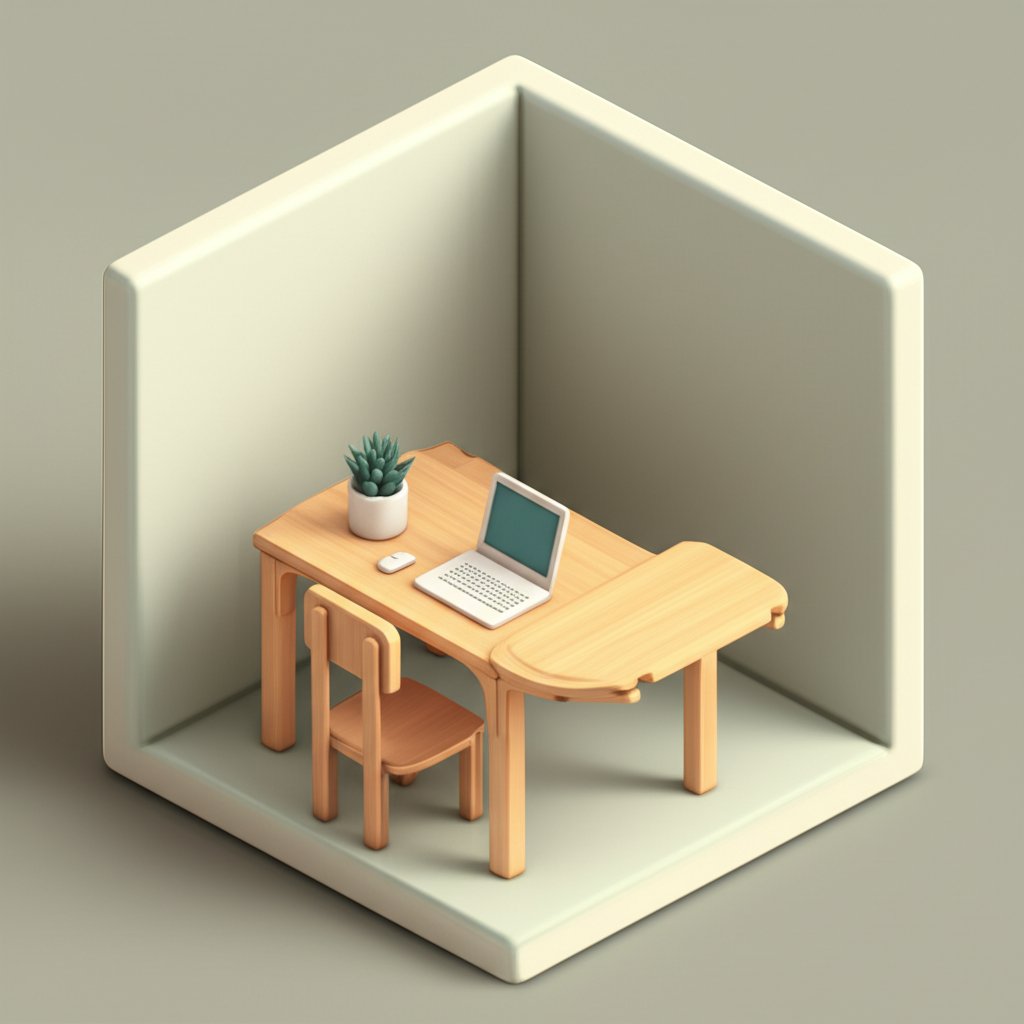
The market offers a diverse range of drop-leaf tables, each with unique features designed to meet specific needs and aesthetic preferences. Understanding these variations is key to finding your ideal match.
Understanding Leaf Mechanisms
The way a drop leaf table expands and contracts is a crucial aspect of its functionality and how easily it integrates into your space.
- Classic Drop-Leaf: Features hinged leaves that fold down vertically, often supported by swing-out legs or sturdy wooden slides when expanded. Simple and timeless.
- Gateleg Table: A specific type of drop-leaf where the supporting legs (or “gates”) swing out like a gate to support the extended leaves. These can often fold down entirely, making them incredibly compact, sometimes to a mere few inches wide. This is a highly effective folding table variant.
- Pull-Out/Slide Mechanism: Some designs feature leaves that slide out from underneath the main table, providing support without additional hinged legs.
- Butterfly Leaf: While commonly found in traditional extension tables, some drop-leaf designs incorporate a ‘butterfly’ style where the leaf folds in half and stores within the table’s frame, offering a very clean look when collapsed.
- Self-Storing Leaf: Similar to butterfly, these leaves are cleverly designed to store within the table’s structure when not in use, keeping them protected and out of sight.
Shapes and Sizes for Every Nook
Drop-leaf tables come in various shapes and sizes, each suited to different spatial requirements and design tastes.
- Round Drop-Leaf Tables: Excellent for promoting conversation and for breaking up linear room layouts. When leaves are down, they can form a semi-circle against a wall.
- Rectangular Drop-Leaf Tables: The most common and versatile, offering ample surface area when extended. They work well in traditional dining settings or as console tables.
- Square Drop-Leaf Tables: Provide a balanced look and can be very practical for smaller dining areas or as a central work table.
- Console-Style Drop-Leaf Tables: Designed to be narrow when fully collapsed, ideal for hallways, entryways, or behind sofas.
Always measure your available space in both collapsed and extended configurations to ensure a comfortable fit and adequate traffic flow, especially if it’s designated small space furniture.
Materials That Define Style & Durability
The material choice impacts not only the table’s appearance but also its durability, weight, and maintenance requirements.
- Solid Wood (Oak, Maple, Pine, Rubberwood): Offers timeless charm, exceptional durability, and can be refinished. Wood provides warmth and a classic aesthetic. Different wood species offer varying grains and hardness.
- Engineered Wood (MDF, Particle Board with Veneer): More affordable, lightweight, and comes in a wide range of finishes. Can be susceptible to moisture damage if not properly sealed.
- Metal (Steel, Wrought Iron): Provides a modern, industrial, or minimalist look, with excellent strength and stability. Can be heavier, and some finishes may show fingerprints more readily.
- Glass Tops: Introduce an airy, sophisticated feel and make small spaces appear larger. Requires careful handling to avoid chips or scratches and needs regular cleaning to maintain shine.
- Laminate/Melamine: Durable, easy to clean, and resistant to scratches and stains. Available in many colors and patterns, often mimicking wood grain.
Consider your lifestyle, aesthetic preferences, and maintenance commitment when selecting the material for your drop-leaf table.
Base Designs: Stability Meets Aesthetics
The table’s base contributes significantly to its stability and overall look.
- 4-Legs: The most common design, offering robust support. Can sometimes be less ideal for cramped seating if legs interfere with chairs.
- Pedestal Base: Features a central column, often with multiple feet, providing clear legroom around the entire table, making it easier to arrange seating.
- Trestle Base: Consists of two sturdy supports at each end connected by a stretcher. Offers a rustic or traditional look and excellent stability.
- Double Pedestal: Two central pedestals, often seen on larger rectangular tables, providing ample support and a grander aesthetic.
Styles to Complement Your Decor
From the rustic to the contemporary, there’s a drop-leaf table style for every home.
- Traditional: Often features rich wood finishes, turned legs, and classic detailing.
- Modern/Minimalist: Characterized by clean lines, geometric shapes, and materials like metal, glass, or light-toned woods.
- Farmhouse/Rustic: Emphasizes natural wood grains, distressed finishes, and often sturdy, simple construction.
- Scandinavian: Focuses on light wood, minimalist design, and functional simplicity.
- Mid-Century Modern: Blends natural materials with iconic, often tapered leg designs and clean silhouettes.
Integrated Features: Storage & More
Some drop-leaf tables go beyond mere expansion, offering additional features for enhanced utility, further solidifying their role as ingenious small space furniture.
- Storage Drawers: Small drawers built into the table’s apron can be perfect for stowing placemats, napkins, or small office supplies.
- Shelving: Some console-style drop-leaves include open shelving beneath the tabletop for books or decor.
- Casters/Wheels: For ultimate portability, some smaller models include lockable casters, allowing you to easily move the table between rooms or reconfigure your space.
Your Definitive Drop-Leaf Table Buying Guide
Purchasing a drop-leaf table requires careful consideration to ensure it meets your specific needs, fits your space, and truly becomes a valuable piece of space-saving furniture.
Precise Measurement: A Non-Negotiable Step
Before you even start browsing, grab a tape measure. This is the single most critical step in buying any small space furniture.
- Collapsed Dimensions: Measure the width, depth, and height of the table in its most compact form. Ensure it fits where you intend to place it when not in use, considering walkways and other furniture.
- Extended Dimensions: Measure the width, depth, and height when fully expanded. Crucially, allow for at least 24-30 inches of clearance around the table for chairs to be pulled out and for comfortable movement. Visualize how many people will sit there and ensure each person has adequate elbow room (approx. 24 inches per person).
- Doorways and Hallways: Don’t forget to measure the dimensions of any doorways or hallways the table needs to pass through for delivery or assembly.
Seating Capacity: From Solo to Social
Think realistically about how many people you typically need to accommodate.
- Everyday Use: Is it just for one or two people daily, perhaps as a small kitchen table or a workstation?
- Occasional Gatherings: How many guests do you host for dinner parties? Look for tables that can expand to seat 4, 6, or even 8 people, as needed. Remember, an 8-seater drop-leaf table will still be substantial when fully extended.
Material Match: Lifestyle & Longevity
Revisit the material section and consider your household’s dynamics.
- Families with Kids/Pets: Opt for durable, easy-to-clean surfaces like laminate, metal, or sealed solid wood. Glass might be less ideal due to vulnerability to fingerprints and potential for breakage.
- Formal Settings: Solid wood or a combination of wood and glass can elevate a more formal dining space.
- Maintenance Level: Are you willing to polish wood, or would you prefer a wipe-clean surface?
Budgeting for Value
Drop-leaf table prices vary widely based on size, materials, brand, and craftsmanship.
- Set a Realistic Range: Determine how much you’re willing to spend before you start shopping.
- Consider Long-Term Value: While cheaper options exist, investing in a well-constructed table from durable materials will often pay off in longevity and satisfaction. Good quality space-saving furniture is an investment.
Assembly and Installation Considerations
Some drop-leaf tables come fully assembled, while others require varying degrees of DIY assembly.
- Read Reviews: Check customer reviews for comments on assembly difficulty.
- Tools Required: Ensure you have the necessary tools or that they are provided.
- Professional Assembly: If assembly seems daunting, factor in the cost of professional installation.
Seamlessly Integrating Your Drop-Leaf Table
The true genius of a drop-leaf table lies not just in its ability to transform, but in how beautifully it integrates into and enhances your living space.
Strategic Placement for Optimal Flow
Where you place your drop-leaf table dictates its utility and impact on room flow.
- Against a Wall: This is the most common placement when the table is collapsed, serving as a console or sideboard. Ensure there’s enough room to extend the leaves without hitting other furniture.
- Behind a Sofa: A narrow drop-leaf table can double as a sofa table, providing a surface for drinks or decor, then expanding for dining.
- In a Nook or Corner: Ideal for creating a dedicated, yet flexible, dining or work area.
- As a Kitchen Island Extension: If space allows, a sturdy drop-leaf table can extend your kitchen prep area, especially useful for baking or large meals.
Remember the clearance rule: 24-30 inches around the table for comfortable seating and movement when expanded.
Styling Your Adaptable Centerpiece
Just because it’s functional small space furniture doesn’t mean it can’t be stylish.
- Collapsed State: Adorn it with a decorative bowl, a stack of books, a small plant, or a table lamp to create an inviting vignette. This reinforces its role as a beautiful furniture piece, not just a utilitarian folding table.
- Extended State: Use placemats, a runner, and suitable dinnerware to define it as a dining table. When used as a workspace, keep it organized with elegant desk accessories.
- Chair Selection: Pair your drop-leaf table with chairs that are comfortable, stylish, and, ideally, stackable, foldable, or easily tuckable to save space when not in use.
Real-World Applications: Kitchen, Dining, Home Office
The adaptability of a drop-leaf table makes it a hero across various rooms:
- The Compact Kitchen Dining Solution: For studio apartments or small kitchens, a drop-leaf kitchen table provides a functional dining spot for daily meals that can be expanded for guests or for serious meal prep.
- The Versatile Living/Dining Room Combo: In open-concept living, it transitions from an elegant console to a full dining table for entertaining, defining zones without permanent barriers.
- The Instant Home Office: Transform a corner of your living room or bedroom into a productive workspace, then reclaim your personal space by dropping the leaves. This is invaluable when dedicated office space isn’t an option.
Maintaining Your Drop-Leaf Table for Years to Come
To ensure your drop-leaf table remains a beautiful and functional piece of space-saving furniture for decades, proper care and maintenance are essential.
General Care Tips for All Materials
- Regular Cleaning: Wipe down the surface regularly with a soft, damp cloth to remove dust and spills. Avoid abrasive cleaners that can damage the finish.
- Protect from Heat and Moisture: Always use coasters for drinks and hot pads for warm dishes to prevent rings, stains, or damage.
- Avoid Harsh Chemicals: Test any cleaning product on an inconspicuous area first.
- Even Weight Distribution: Avoid placing excessively heavy items on the leaves, especially when fully extended, to prevent strain on the hinges and supports.
Specific Material Maintenance
- Wood Tables:
- Dust Regularly: Use a soft, dry cloth or feather duster.
- Polish (if applicable): Use a quality furniture polish designed for wood every few months to maintain luster and protect the finish.
- Avoid Direct Sunlight: Prolonged exposure can cause fading or cracking.
- Address Scratches: Minor scratches can often be touched up with furniture repair pens or waxes.
- Metal Tables:
- Wipe Clean: Use a damp cloth with mild soap, then dry thoroughly to prevent water spots or rust.
- Rust Prevention: For outdoor-safe metal surfaces, ensure any scratches are touched up to prevent rust formation.
- Glass-Top Tables:
- Glass Cleaner: Use a streak-free glass cleaner and a microfiber cloth for a sparkling finish.
- Prevent Scratches: Be mindful of placing heavy or abrasive items directly on the glass. Consider a table protector for heavy use.
Mechanism Care: Keeping it Smooth
The hinges and support mechanisms are vital to your drop-leaf table’s functionality.
- Lubrication: Periodically, apply a small amount of silicone spray or paraffin wax to the hinges and sliding components to ensure a smooth, quiet operation.
- Check Screws: Over time, screws can loosen. Gently tighten any loose screws on hinges, supports, or legs to maintain stability and prevent wobbling.
- Handle with Care: Always lift and lower leaves smoothly and deliberately, rather than letting them drop, to prevent wear and tear on the mechanism.
Conclusion
The drop-leaf table is more than just a piece of furniture; it’s a testament to intelligent design that champions versatility, style, and efficiency. Whether you call it a drop leaf table, a space-saving furniture essential, or an elegant folding table variant, its ability to adapt to your changing needs makes it an invaluable asset in any home. By understanding the diverse types, making informed purchasing decisions, and committing to proper care, you can select a drop-leaf table that not only maximizes your small spaces but also enriches your living experience for years to come. Embrace the flexibility and transform your home with this truly ingenious solution!
Frequently Asked Questions (FAQ)
Are drop-leaf tables sturdy?
Yes, most well-constructed drop-leaf tables are very sturdy. The key is to look for quality materials (solid wood, robust metal) and a reliable leaf mechanism with strong hinges and supports (like gatelegs or sturdy slides). When properly expanded and locked, they are designed to hold the weight typical of dining or workstation use.
How much space do I need for a drop-leaf table?
To determine the ideal size, you need to measure the space in both the table’s collapsed and extended states. When collapsed, ensure it doesn’t obstruct traffic flow. When extended, allow for at least 24-30 inches of clearance around the table for chairs to be pulled out comfortably and for people to move around.
Can a drop-leaf table be used as a permanent dining table?
Absolutely! Many people use drop-leaf tables as their primary dining table, especially in smaller homes or apartments. They offer the flexibility to have a cozy setup for daily meals and expand for entertaining. Choose a durable material and a stable base if it will see heavy, daily use.
What’s the difference between a drop-leaf and a gateleg table?
A gateleg table is a type of drop-leaf table. While all drop-leaf tables have hinged leaves, gateleg tables specifically use swinging “gate” legs that pivot out from under the main tabletop to support the extended leaves. This design often allows the table to fold down to a very narrow profile.
How do you clean a drop-leaf table?
Cleaning depends on the material. For most wood or laminate surfaces, a soft, damp cloth with a mild soap is sufficient, followed by drying. Glass tops require a streak-free glass cleaner. Always avoid harsh chemicals, abrasive scrubbers, and excessive moisture to protect the finish and hinges.
Are drop-leaf tables easy to assemble?
Assembly difficulty varies by model and brand. Many basic drop-leaf tables are relatively simple to assemble, requiring only basic tools like screwdrivers or Allen wrenches. More complex designs or larger tables might take longer or benefit from two people. Always check product reviews for insights into assembly challenges.
Can I paint or refinish my drop-leaf table?
Yes, if your drop-leaf table is made of solid wood or has a suitable veneer, it can often be sanded, painted, or refinished. This is a great way to update its look or match new decor. For engineered wood with laminate or melamine, painting might be possible with proper priming, but sanding would not be advisable. Always test a small, inconspicuous area first.










