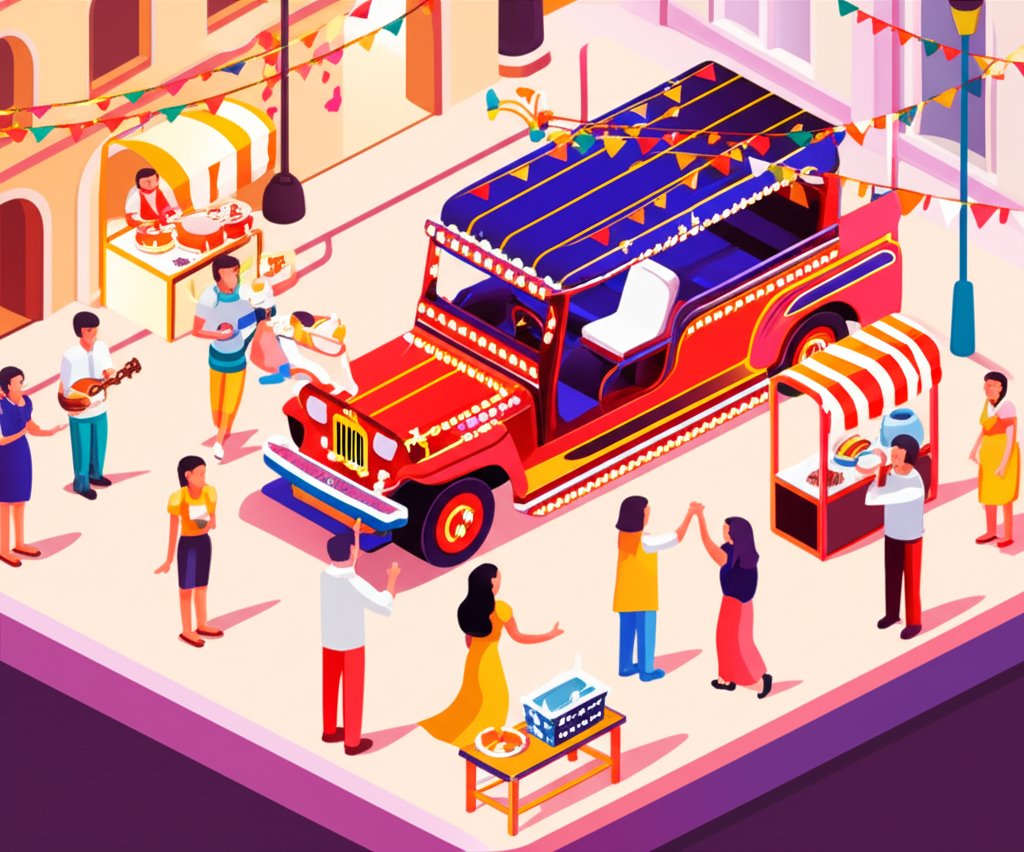
The Philippines, a vibrant archipelago of over 7,000 islands, offers a cultural mosaic unlike any other. It’s a place where ancient indigenous customs gracefully intertwine with centuries of colonial history, all infused with a modern, dynamic spirit. To truly grasp the essence of this Southeast Asian gem is to understand its people – their unwavering sense of community, deep-seated deference, and zest for life. This article is your ultimate guide to the unique Filipino culture, exploring its foundational filipino traditions, everyday practices, the unparalleled importance of family, and the spectacular world of festivals that paint the islands with color and sound. Prepare to embark on a journey that reveals the heart and soul of the Filipino identity.
The Foundation: Why Filipino Family is Everything
At the very core of unique Filipino culture lies the family, an institution revered above all else. More than just a nuclear unit, the Filipino concept of family extends to grandparents, aunts, uncles, cousins, and even close friends, forming a vast, supportive network. This profound interconnectedness shapes every aspect of life, from social interactions to personal decisions, making family the bedrock of society.
Understanding the significance of family provides a crucial lens for appreciating various Filipino customs and how these cultural values shape interactions and expectations within society, highlighting several unique Filipino cultural traits.
The Dynamics of an Extended Family
In the Philippines, it’s common for multiple generations to live under one roof or in close proximity. Grandparents often play an active role in raising grandchildren, while aunts and uncles provide a secondary support system. This setup fosters a strong sense of belonging and mutual responsibility. Decisions are often made collectively, with the well-being and honor of the entire family taking precedence over individual desires. This collective spirit is a key aspect of how filipino traditions are preserved and passed down.
Respect for Elders: The Practice of “Pagmamano”
A palpable sign of the deep reverence for elders is the practice of pagmamano. This traditional gesture involves a younger person taking the hand of an elder and gently pressing it to their forehead while saying “Mano po.” It’s a beautiful, everyday ritual signifying respect, seeking blessings, and acknowledging the wisdom and authority of the older generation. This tradition is not merely a formality but a heartfelt expression embedded in the everyday lives of Filipinos.
Filial Piety and Interdependence
Filial piety is a cornerstone of Filipino family values. Children are expected to care for their aging parents, often welcoming them into their homes. This isn’t viewed as a burden but as a loving duty and a way to repay the sacrifices made by their parents. This interdependence ensures that no one is left behind, creating a strong social safety net nurtured by love and obligation.
Core Filipino Traditions and Practices: Values in Action
Beyond family, a rich tapestry of filipino traditions and practices defines daily life, reflecting the nation’s history, values, and an innate sense of community. These customs are not relics of the past but living aspects of unique Filipino culture that continue to adapt and thrive.
Bayanihan: The Spirit of Communal Unity
Perhaps one of the most iconic filipino traditions is Bayanihan, the spirit of communal unity and cooperation. Rooted in the ancient practice of neighbors helping to move an entire house (literally carrying it on their shoulders), Bayanihan today manifests in various forms of community service, mutual aid during crises, or collective efforts for a common good. It embodies the essence of selflessness and shared responsibility, demonstrating the strength found in solidarity.
Pakikisama and Hiya: Navigating Social Harmony
Two crucial social practices that influence Filipino interactions are Pakikisama and Hiya.
Hospitality: The Warmth of a Filipino Welcome
Filipino hospitality is legendary. Visitors, even strangers, are often treated like honored guests, extended generous welcomes, and offered the best of whatever the household has. The phrase “Kain tayo!” (Let’s eat!) is an open invitation, reflecting the innate generosity and desire to share, which are deeply ingrained filipino traditions. This genuine warmth is a hallmark of the Filipino people and a truly unique Filipino culture experience.
Catholicism and Indigenous Beliefs: A Spiritual Blend
Centuries of Spanish colonization left an indelible mark, particularly in the widespread adoption of Catholicism. Religious practices like attending Mass, observing Holy Week, and celebrating numerous patron saint feasts are central to Filipino life. However, indigenous animistic beliefs often coexist, leading to a fascinating blend of spirituality where folk Catholicism integrates elements of pre-colonial anitism and superstition, creating a distinctly Filipino faith experience.
A Calendar of Celebrations: The Magic of Filipino Festivals
The Philippines is a nation that loves to celebrate, and its festivals are a testament to this vibrant spirit. These elaborate, colorful events are more than just parties; they are deep expressions of faith, cultural heritage, and community bonding, drawing millions of participants and spectators annually. Exploring these filipino traditions offers a dazzling peek into the unique Filipino culture.
Major National Festivals: A Symphony of Colors and Sounds
Across the archipelago, numerous festivals stand out for their grandeur and cultural significance:
- Sinulog Festival (Cebu): Honoring the Santo Niño (Child Jesus), Sinulog is arguably the grandest of all, featuring mesmerizing street dancing, elaborate costumes, and rhythmic drumbeats of “Pit Señor! Viva Santo Niño!” It’s a fervent expression of faith and joy.
- Ati-Atihan Festival (Kalibo, Aklan): Known as the “Mother of All Philippine Festivals,” Ati-Atihan is a week-long celebration of the Santo Niño. Revelers paint their faces black, don indigenous costumes, and dance ecstatically to ancient tribal music, representing the indigenous Ati people. This is one of the oldest and most authentic filipino traditions of celebration.
- Dinagyang Festival (Iloilo City): Similar to Ati-Atihan and Sinulog, Dinagyang is a competitive street dance festival that showcases the rich history and vibrant culture of Iloilo. Its highly choreographed performances tell tales of the region’s cultural roots and religious devotion.
- Panagbenga Festival (Baguio City): The “Flower Festival” transforms Baguio into a floral wonderland every February. Giant floats adorned with a breathtaking array of fresh provincial flowers parade through the streets, accompanied by marching bands and street dancers in floral-inspired costumes. It’s a celebration of abundance and nature’s beauty.
- Kadayawan Festival (Davao City): A thanksgiving festival for good harvest and cultural diversity, Kadayawan showcases the rich indigenous cultures of Mindanao. Floral floats, street dancing with vibrant tribal costumes, and indigenous music highlight the region’s bounty and the unity of its diverse ethnic groups.
Town Fiestas: Local Expressions of Faith and Fun
Beyond the national spectacles, almost every town and barrio in the Philippines has its own fiesta, celebrating its patron saint. These local festivals are intimate yet equally joyous affairs, featuring parades, traditional games, beauty pageants, and, most importantly, feasts. Homes are opened to visitors, and tables groan under the weight of traditional dishes, embodying the essence of Filipino hospitality. These regular practices reinforce community bonds and local identity.
A Culinary Journey: The Flavors of Filipino Identity
Filipino cuisine is a delightful reflection of its history and geography, a blend of indigenous ingredients with Chinese, Malay, Spanish, and American influences. More than just sustenance, food is an integral part of unique Filipino culture, a centerpiece of gatherings, and an expression of love and hospitality.
Iconic Dishes: A Taste of Home
- Adobo: Often hailed as the national dish, Adobo embodies comfort and versatility. Meat (typically pork or chicken, or a combination) is braised in vinegar, soy sauce, garlic, and peppercorns, resulting in a savory, tangy, and deeply satisfying dish that is unique in its preparation and flavor profile.
- Lechon: No Filipino celebration is complete without Lechon, a whole roasted pig with deliciously crispy skin and tender, flavorful meat. It’s the ultimate party centerpiece, symbolizing festivity and abundance—a true testament to grand filipino traditions of feasting.
- Sinigang: This sour and savory soup, typically made with pork, shrimp, or fish and a variety of vegetables, gets its distinctive tang from tamarind. It’s a refreshing and comforting staple, showcasing the Filipino love for bold flavors.
- Kare-Kare: A rich and hearty stew, Kare-Kare features oxtail, tripe, and vegetables simmered in a thick peanut sauce, often served with bagoong (fermented shrimp paste). Its distinctive flavor profile is a beloved filipino tradition.
Communal Dining: The “Kamayan” Experience
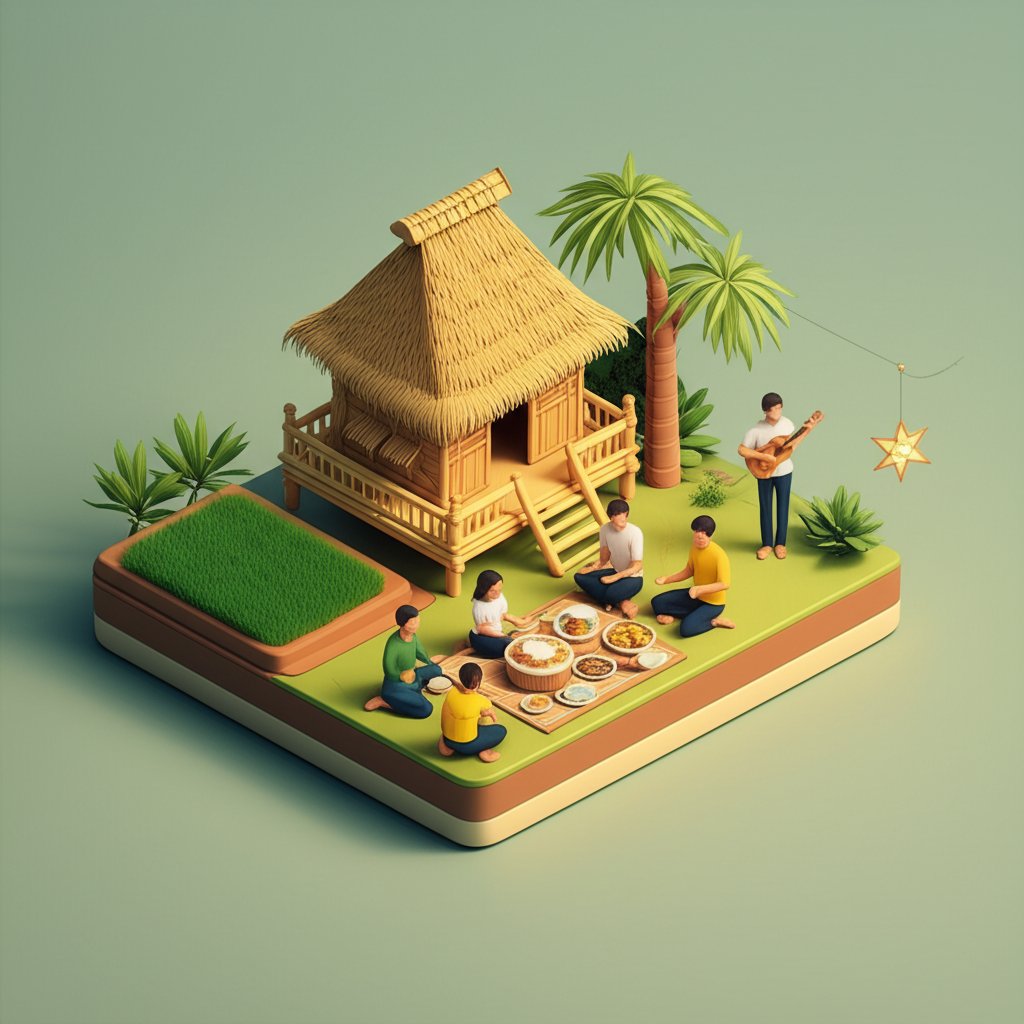
Dining is a communal experience in the Philippines. The practice of Kamayan (eating with hands) is a traditional way to enjoy meals, especially during informal gatherings or special occasions. Food is laid out on banana leaves, encouraging shared eating and fostering closeness among family and friends. This isn’t just a different way to eat; it’s a social ritual reinforcing community and shared experience within unique Filipino culture.
Art, Language, and Daily Life: Everyday Expressions of a Unique Culture
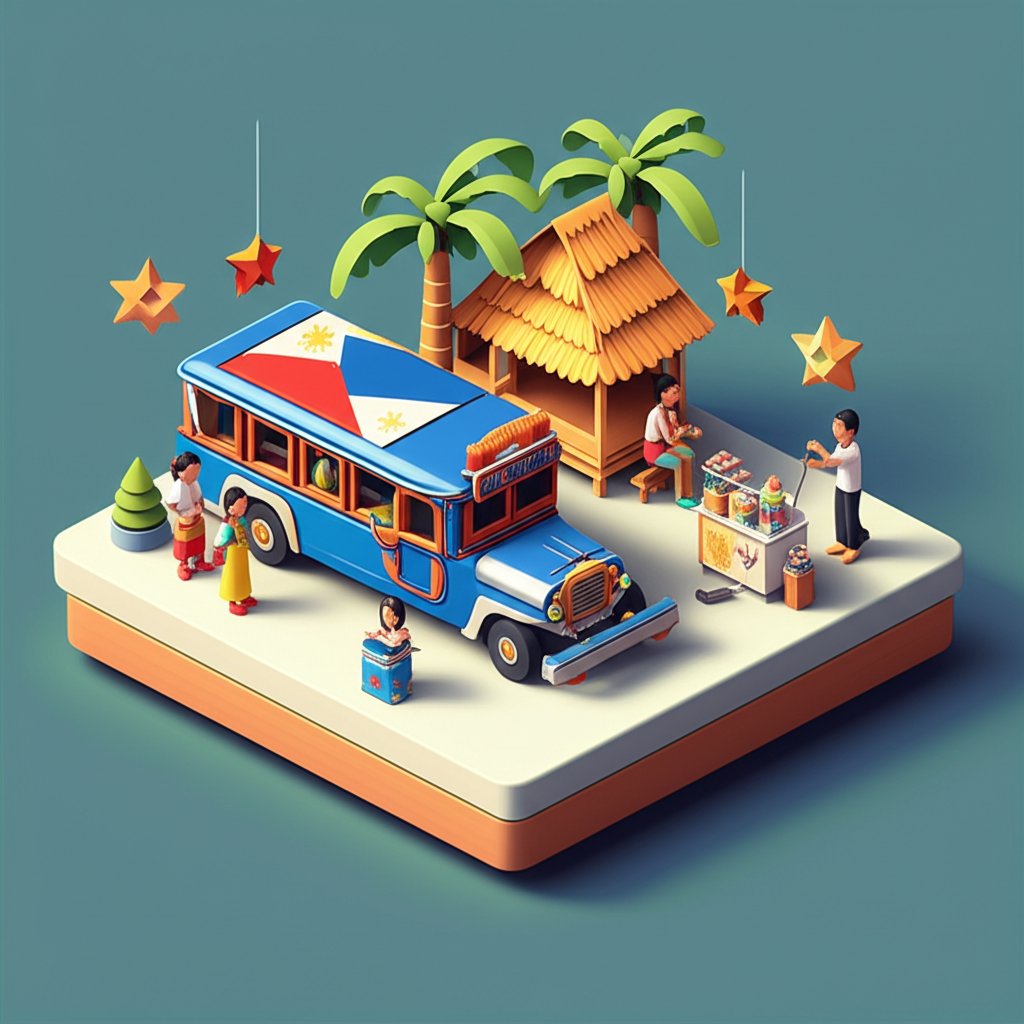
Beyond family and festivals, the unique Filipino culture is expressed through its diverse artistic forms, a multitude of languages, and the charming nuances of daily life. These elements paint a fuller picture of the Filipino identity.
Artistic Expressions: From Traditional Crafts to Modern Creativity
Filipino artistry is diverse and deeply rooted.
A Multitude of Tongues: The Language Landscape
While Filipino (based on Tagalog) and English are the official languages, over 180 distinct languages and dialects are spoken across the Philippines. Each region boasts its own linguistic identity, contributing to the country’s incredible cultural diversity. This linguistic mosaic is a powerful aspect of what makes unique Filipino culture so rich, with language often intertwined with local filipino traditions and identity.
Social Graces and Everyday Practices
- Pagsesenyas (Gestures): Filipinos often communicate with subtle gestures. Pointing with the lips, a raised eyebrow as a greeting, or a slight nod can convey messages without words, adding to the layers of unique Filipino culture.
- Strong Sense of Humor: Despite challenges, Filipinos possess an indomitable spirit and a vibrant sense of humor, often finding laughter in everyday situations. This resilience is a notable characteristic.
- Love for Karaoke: Karaoke is a cherished pastime, a social bonding activity enjoyed across all ages and social strata, showcasing the Filipino love for music and communal fun.
Navigating Modernity: Preserving a Rich Heritage
The unique Filipino culture stands at the crossroads of tradition and modernity. Globalization, digital connectivity, and the global diaspora of Overseas Filipino Workers (OFWs) have significantly influenced the contemporary Filipino lifestyle. Yet, despite these dynamic shifts, the core filipino traditions, practices, and values, especially the importance of family and festivals, remain resilient.
Preservation efforts are increasingly focused on safeguarding intangible heritage – traditional music, dances, storytelling, and indigenous crafts – ensuring these elements of unique Filipino culture are passed down to future generations. Individuals contribute by supporting local artists, learning traditional skills, and advocating for cultural education. By embracing both the old and the new, Filipinos continue to navigate the complexities of a globalized world while cherishing the vibrant legacy that defines them.
Conclusion
The unique Filipino culture is a captivating blend of deep-rooted values, diverse influences, and an enduring spirit. From the unwavering importance of family that anchors society, to the heartfelt filipino traditions and everyday practices that guide interactions, and the explosion of joy found in its spectacular festivals, the Philippines offers an immersive cultural experience. It is a culture defined by resilience, profound hospitality, and a celebration of life, faith, and community. To truly understand the Philippines is to open your heart to its people and embrace the vibrant tapestry that makes its culture truly singular. Discover it, experience it, and be forever touched by its warmth.
Frequently Asked Questions (FAQs)
Q1: What makes Filipino culture so unique compared to other Asian cultures?
Filipino culture’s uniqueness stems from its distinct blend of indigenous Malayo-Polynesian roots, over 300 years of Spanish colonial influence (especially Catholicism), American cultural imprint, and historical interactions with Chinese and other Asian traders. This fusion created a culture that is both Asian and distinctly Western-influenced, emphasizing strong family ties, deep hospitality, and a vibrant faith that manifests in elaborate festivals.
Q2: How important is family in Filipino society?
Family is the single most important institution in Filipino society. It serves as the primary source of identity, support, and security. The concept of family extends far beyond the nuclear unit to include extended relatives, and interdependence among family members is paramount. Decisions often consider the entire family’s welfare, and respect for elders is a deeply ingrained practice.
Q3: What are some of the most famous Filipino traditions and practices?
Key filipino traditions and practices include Bayanihan (communal unity and cooperation), Pagmamano (respectful hand-kissing gesture to elders), Pakikisama (maintaining smooth interpersonal relationships), and Hiya (sense of shame or self-respect). Hospitality is also a profound tradition, where guests are treated with utmost generosity.
Q4: Why are festivals so prominent in Filipino culture?
Festivals are a vibrant and essential part of unique Filipino culture because they serve as expressions of deep religious faith (especially Catholic fiestas honoring patron saints), celebrations of abundant harvests, and opportunities for communities to come together, reinforce bonds, and express cultural pride through music, dance, and colorful parades.
Q5: How has globalization affected Filipino culture and traditions?
Globalization has introduced modern influences, technology, and Western lifestyles into Filipino society, leading to some changes in daily practices. However, core filipino traditions like strong family values, community spirit (Bayanihan), and the love for festivals have remained remarkably resilient. Many Filipinos actively work to preserve and promote their cultural heritage while adapting to contemporary life.
Q6: What role does food play in unique Filipino culture?
Food plays a central role in unique Filipino culture, symbolizing hospitality, love, and celebration. Meals are often communal events, and sharing food is a fundamental practice of bonding. Filipino cuisine itself is a cultural narrative, reflecting the country’s diverse history through its fusion of flavors and ingredients, with dishes like adobo and lechon being national symbols.










