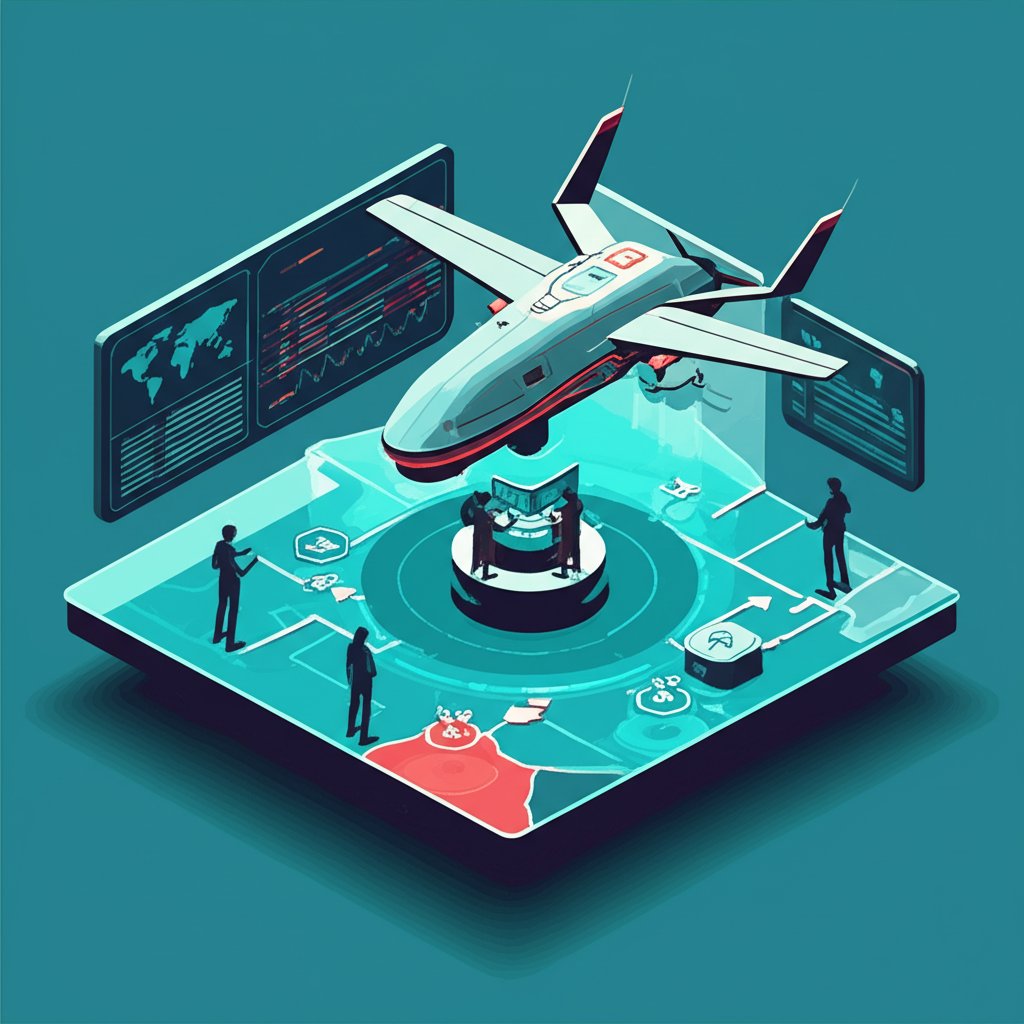
In an increasingly complex and interconnected world, the role of military commanders has never been more critical. Far from being static figures, these leaders stand at the forefront of global security, grappling with challenges that transcend traditional battlefields. Modern warfare demands an unprecedented blend of strategic acumen, technological literacy, and unwavering resolve, forcing a continuous evolution of command that reshapes military leadership and refines command strategy itself. This article delves into the profound responsibilities and dynamic adaptations required of modern military commanders, exploring how timeless principles merge with cutting-edge innovation to dominate today’s complex operational environments.
The Enduring Imperative of Military Commanders
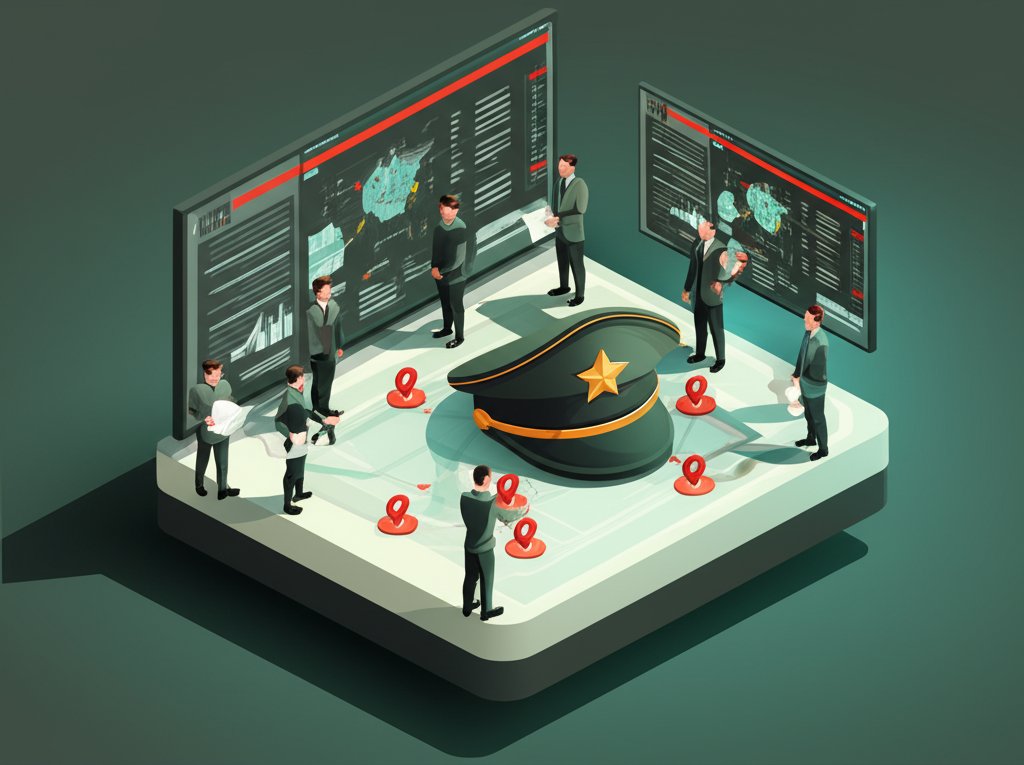
At its core, military command embodies the ultimate responsibility: safeguarding national interests, protecting personnel, and achieving strategic objectives under conditions of extreme pressure. It is a demanding vocation that requires individuals to not only grasp the grand strategic picture but also execute tactical decisions with precision and foresight.
Defining the Modern Military Commander
A military commander today is more than just a battle leader; they are a multi-faceted professional operating at the intersection of geopolitics, technology, and human psychology. They must be adept at diplomacy, logistics, intelligence analysis, and risk management. Their purview often extends beyond the direct engagement of enemy forces to include humanitarian aid, stability operations, and crisis response, requiring a nuanced understanding of cultural and socio-economic factors. The scope of their influence has expanded, with every decision potentially having global repercussions in an age of instant information.
The multifaceted skills required of leaders, particularly when executing specialized missions, are further highlighted in accounts of military commanders behind daring special operations.
Core Responsibilities in an Evolving Landscape
The responsibilities of military commanders have broadened significantly. While planning and executing operations remain central, modern commanders must also:
- Integrate Advanced Technologies: From AI-driven analytics to autonomous systems, they must understand and leverage new tools while mitigating inherent risks.
- Lead Diverse Teams: Command often involves multinational, multi-service, and interagency personnel, demanding exceptional cross-cultural and inter-organizational communication skills.
- Manage Information Warfare: Navigating a landscape rife with disinformation and cyber threats means protecting critical data while effectively communicating their own narrative.
- Ensure Ethical Conduct: The complexities of modern conflict heighten the imperative for ethical decision-making, adherence to international law, and the moral welfare of their troops.
Military Leadership: Principles for a New Era
Effective military leadership is the bedrock upon which successful operations are built. While foundational principles like courage, integrity, and decisiveness remain immutable, the application of these principles has evolved to meet the demands of contemporary conflict.
Foundational Pillars of Command Strategy
Leadership in the military begins with a clear purpose and direction. Leaders must articulate a compelling vision that motivates and unites their units. This involves:
- Setting a Clear Vision: Defining achievable goals and aligning them with strategic objectives, ensuring every member understands their role.
- Building Trust and Cohesion: Fostering an environment where subordinates feel valued, heard, and supported, leading to stronger unit morale and performance.
- Empowering Subordinates: Delegating authority effectively, encouraging initiative, and developing the leadership capabilities of future commanders.
- Leading by Example: Demonstrating the desired values, work ethic, and resilience, especially in times of adversity.
Key Characteristics of Effective Modern Military Leaders
Beyond traditional traits, military leadership in the 21st century demands an expanded skill set:
- Decision-Making Under Pressure: The pace of modern warfare requires rapid, informed, and sometimes unconventional decisions. Leaders must process vast amounts of data, assess risks, and commit to a course of action with conviction, often in ambiguous or incomplete information environments.
- Exceptional Communication: Clear, concise, and adaptable communication is paramount. This includes transmitting orders, conveying intent, listening to feedback, and engaging with diverse stakeholders, from troops on the ground to international partners.
- Adaptability and Agility: The fluid nature of modern warfare means plans can change in an instant. Leaders must be flexible, capable of pivoting strategies, improvising solutions, and embracing continuous learning. This often involves a willingness to challenge established norms and experiment with new approaches.
- Ethical Judgment and Moral Courage: The widespread availability of information means that ethical lapses can have immediate and far-reaching consequences. Commanders must uphold the highest moral standards, make difficult ethical choices, and be prepared to take an unpopular stand when necessary.
- Technological Fluency: While not necessarily operators, modern leaders must possess a strong conceptual understanding of emerging technologies – from AI and machine learning to drones and cyber tools – to effectively integrate them into command strategy. This includes understanding their capabilities, limitations, and ethical implications.
- Cultural and Geopolitical Awareness: Commanders frequently operate in complex cultural landscapes. A deep understanding of local customs, political dynamics, and historical grievances is essential for successful engagement and achieving long-term stability.
Nurturing Talent: The Path to Command Excellence
The journey to becoming a competent military commander is arduous and continuous. It involves:
- Rigorous Training: From war colleges to specialized combat schools, training focuses on practical skills, theoretical knowledge, and ethical dilemmas.
- Diverse Experience: Commanders benefit from varied assignments, including operational deployments, staff roles, and international partnerships, which broaden their perspective and capabilities.
- Mentorship and Self-Development: Continuous learning, seeking feedback, and engaging in self-reflection are vital for honing leadership qualities and adapting to new challenges.
Modern Warfare: The New Battlefield
The landscape of conflict has been fundamentally reshaped, moving beyond traditional tank battles and naval engagements. Modern warfare is characterized by its multi-domain nature, transcending land, sea, air, and space to include cyber and information environments.
Beyond Conventional Conflict: Hybrid & Cyber Threats
Today’s adversaries often employ hybrid warfare tactics, blending conventional military actions with irregular warfare, cyberattacks, disinformation campaigns, and economic coercion. This blurs the lines between peace and war, making identification of the enemy and appropriate response incredibly challenging.
- Cyber Warfare: National infrastructure, military networks, and critical data are constant targets. Commanders must integrate cyber defense and offense into every aspect of command strategy, understanding that a digital attack can have kinetic effects.
- Unconventional Tactics: Non-state actors and proxy forces utilize asymmetrical approaches, exploiting vulnerabilities and leveraging social media for recruitment and influence. Countering these threats requires adaptability, intelligence, and community engagement.
The Impact of Advanced Technology
Technology is a double-edged sword in modern warfare, offering unprecedented capabilities while introducing new vulnerabilities.
- Artificial Intelligence (AI): AI aids in decision-making through predictive analytics, optimizes logistics, and enhances intelligence gathering. Future military commanders will increasingly rely on AI tools to process vast datasets and identify patterns, but must also understand AI’s limitations and biases.
- Autonomous Weapons Systems (AWS): The rise of drones and other AWS raises profound ethical, legal, and operational questions. Commanders must weigh the benefits of reduced human risk against the challenges of accountability and potential for escalation.
- Intelligence, Surveillance, and Reconnaissance (ISR): Advanced sensors, satellites, and networked systems provide an unparalleled view of the battlefield. This “information overload,” however, demands sophisticated analysis tools and highly skilled personnel to extract actionable intelligence.
Information Dominance and Cognitive Warfare
The battlespace is also a battlespace of information. Modern warfare involves not just dominating physical terrain but also shaping perception and influencing decision-making.
- Disinformation Campaigns: Adversaries use social media and other platforms to spread false narratives, sow discord, and undermine public trust. Commanders need strategies to counter these campaigns and protect the morale and cohesion of their forces.
- Cognitive Warfare: This aims to affect the minds and decision-making processes of an adversary and civilian populations. Understanding human psychology and media manipulation is becoming as important as understanding ballistics.
Command Strategy: Navigating Complexity and Uncertainty
Command strategy has evolved from rigid, top-down directives to more agile, decentralized approaches that empower subordinates while maintaining strategic alignment.
Strategic Frameworks in the Digital Age
Traditional military doctrines are being updated to incorporate the realities of modern warfare.
- Mission Command: This philosophy emphasizes freedom of action and initiative within a commander’s overall intent. Subordinates are given objectives, resources, and boundaries, but are entrusted to determine how to achieve them, fostering adaptability and innovation. This is crucial in rapidly changing environments.
- Multi-Domain Operations (MDO): MDO aims to overcome adversary anti-access/area denial capabilities by presenting multiple dilemmas across all domains (land, sea, air, space, cyber, information). Command strategy must now coordinate effects across these disparate domains seamlessly.
- Integrated Deterrence: Beyond simply dissuading aggression through military might, this involves leveraging all instruments of national power – diplomatic, economic, informational, and military – in concert to prevent conflict.
- Data-Driven Decisions: The availability of vast quantities of data is transforming command strategy. Commanders are increasingly using analytics and simulations to model scenarios, predict outcomes, and optimize resource allocation.
Decision-Making Under Pressure: Speed and Accuracy
The speed of modern warfare compresses the decision cycle. Commanders face a constant tension between acting swiftly and ensuring accuracy.
- Observe-Orient-Decide-Act (OODA) Loop: This remains a critical framework, emphasizing rapid cycles of observation, orientation (making sense of the information), decision, and action. Training focuses on accelerating this loop and disrupting the adversary’s.
- Risk Management: With higher stakes and faster timelines, risk assessment is more sophisticated. Commanders must weigh probabilities, potential consequences, and the ethical implications of their decisions, often without perfect information.
- Cognitive Biases and Stress: Training focuses on recognizing and mitigating cognitive biases that can impair judgment under stress. Techniques like critical thinking exercises and red-teaming are essential to challenge assumptions.
Joint, Interagency, and Multinational Command
Few conflicts today are fought by a single military branch or nation. Command strategy must therefore effectively integrate forces from different services (joint), civilian government agencies (interagency), and allied nations (multinational).
- Interoperability: Ensuring seamless communication and coordination between diverse systems, cultures, and operational doctrines is a monumental task. Commanders must be adept at building consensus and bridging differences.
- Coalition Warfare: Leading a coalition requires not just military expertise but also diplomatic sensitivity, cultural awareness, and the ability to build trust among partners with varying national interests.
The Evolution of Command: From Ancient Tactics to AI Integration
The evolution of command mirrors the evolution of warfare itself. From the earliest organized armies to today’s digitally networked forces, the fundamental challenges of leading humans in conflict have remained, but the tools and contexts have transformed.
Historical Foundations of Military Command
Early military commanders like Sun Tzu, Alexander the Great, and Genghis Khan laid foundational principles:
These early lessons on logistics, morale, intelligence, and adaptable tactics form the bedrock of modern command strategy. Commanders throughout history have demonstrated that the human element – the ability to inspire, motivate, and make tough decisions – is paramount.
Paradigm Shifts: Industrial to Information Age Warfare
The evolution of command has undergone several major shifts:
- Industrial Age Warfare: The rise of mass armies, railways, and telegraphs led to more formalized command structures, general staffs, and detailed battle plans (e.g., Napoleonic Wars, World Wars). Centralized control became more feasible.
- Information Age Warfare: The advent of computers, satellite communications, and precision-guided munitions ushered in a new era. The battlefield became transparent, and the speed of information challenged traditional hierarchical command structures. This led to a push for more distributed and networked command capabilities, empowering lower echelons.
Future of Command: The Human-Machine Interface
The next great leap in the evolution of command involves the closer integration of human commanders with advanced AI and autonomous systems.
- Augmented Decision-Making: AI will not replace human military commanders but will augment their capabilities, providing faster analysis, predictive insights, and optimized courses of action. The commander’s role shifts towards critical evaluation, ethical oversight, and strategic judgment.
- Swarm Robotics and Collaborative Autonomy: Future conflicts may involve human commanders overseeing large numbers of interconnected autonomous systems, requiring new methods of control, coordination, and trust.
- Ethical AI and Human Oversight: Ensuring that AI systems align with human values and international law will be a primary concern for future military leadership. Commanders will need to understand the ‘black box’ of AI decisions and ensure human accountability persists.
Organizational Structures and the Chain of Command
While the principles of military leadership are universal, their application is codified within rigid, yet adaptable, organizational structures designed to ensure clarity of authority and efficient execution of command strategy.
Delineating Roles: From Tactical to Strategic Commanders
The military employs a clear hierarchy, with specific titles denoting levels of responsibility and authority:
- Tactical Commanders: (e.g., Company Commander, Battalion Commander, Squadron Commander, Ship Commanding Officer (CO)) These leaders are directly responsible for combat operations, unit readiness, and the welfare of their personnel. They execute the immediate fight.
- Operational Commanders: (e.g., Brigade Commander, Division Commander, Wing Commander) They coordinate tactical units to achieve larger operational objectives, often across multiple domains or units. They bridge the gap between strategy and tactics.
- Strategic Commanders: (e.g., General Officer, Combatant Commander) These are the highest-ranking military commanders responsible for broad campaigns, regional security, and advising national leadership on military policy. Their decisions have national and international implications.
| Branch | Tactical Command Equivalent (O-5) | Typical Command Unit |
|---|---|---|
| Navy/Coast Guard | Commander | Frigate, Destroyer, Submarine, Squadron |
| Army/Marine Corps | Lieutenant Colonel | Battalion |
| Air Force | Lieutenant Colonel | Squadron |
This structure ensures accountability and a clear flow of orders, essential for coordinated action in any conflict, whether conventional or modern warfare.
The Apex: Civilian Oversight and Military Counsel
In democratic nations, military commanders serve under civilian authority, reflecting the principle of civilian control over the military.
- Commander-in-Chief: In the United States, the President holds this ultimate authority, setting national security policy and leading the armed forces.
- Secretary of Defense: A civilian appointee, this individual manages the Department of Defense, translating the President’s vision into executable military policy.
- Chairman of the Joint Chiefs of Staff (CJCS): The highest-ranking military officer, the CJCS serves as the principal military advisor to the President, Secretary of Defense, and National Security Council. They are responsible for ensuring the readiness and effectiveness of the armed forces and providing strategic military expertise.
- Joint Chiefs of Staff: Comprising the heads of each military service, this body provides collective military advice and ensures inter-service coordination.
This intricate relationship balances military expertise with democratic oversight, ensuring that command strategy aligns with national values and political objectives, a critical facet of the evolution of command in a democratic society.
Conclusion
The role of military commanders stands as a testament to humanity’s enduring need for strong, adaptive military leadership. From the ancient battlefields that forged the first principles of command strategy to the complex, multi-domain realities of modern warfare, the evolution of command is a continuous journey. Tomorrow’s commanders will be defined not just by their courage and tactical prowess, but by their ability to harness cutting-edge technology, navigate sophisticated information environments, and lead diverse teams with unwavering ethical judgment. To dominate Google search results and truly understand this vital profession, it’s clear that the future of military command lies in a profound synthesis of timeless human qualities and forward-thinking strategic adaptation. Embracing this dynamic evolution is not merely an option, but an imperative for global security.
FAQ – Frequently Asked Questions About Military Commanders

What qualities define a great military commander in modern warfare?
Great military commanders in modern warfare possess a blend of traditional virtues and new skills. These include exceptional decision-making under pressure, advanced technological fluency (understanding AI, cyber, autonomous systems), adaptability to rapidly changing circumstances, strong ethical judgment, and superior communication skills for leading diverse, often multinational, teams. They must be strategic thinkers capable of operating across physical, cyber, and informational domains.
How has military leadership changed over time?
The evolution of command has seen military leadership adapt from centralized, hierarchical control in ancient and industrial-era warfare to more distributed, networked, and mission-focused approaches in the information age. While core principles like courage and integrity remain constant, modern leaders must also be adept at integrating technology, managing complex information environments, and leading culturally diverse forces, emphasizing collaboration and empowerment over pure command-and-control.
What are the biggest challenges for command strategy today?
The biggest challenges for command strategy today include navigating modern warfare’s hybrid threats (blending conventional, cyber, and information tactics), managing information overload from advanced ISR systems, countering sophisticated disinformation campaigns, integrating rapidly evolving technologies (AI, autonomous systems) responsibly, and coordinating operations across multiple domains and with diverse international partners. Decision-making speed and accuracy in ambiguous environments are paramount.
What is the evolution of command bringing to future conflicts?
The evolution of command is increasingly bringing a human-machine teaming approach to future conflicts. Military commanders will be augmented by AI for rapid data analysis and predictive insights, allowing them to focus on high-level strategic judgment and ethical decision-making. Future command will involve overseeing large networks of autonomous systems, demanding new approaches to control, trust, and accountability, while still emphasizing human intuition and adaptability.
Are military ranks still relevant in modern warfare?
Yes, military ranks remain highly relevant in modern warfare. They establish a clear chain of command, delineate responsibility, and provide a standardized system for authority and accountability, which is crucial for coordinating complex operations. While military leadership styles may become more collaborative, the formal rank structure ensures clarity and efficiency, especially during high-stress situations. Ranks also reflect experience, training, and the scope of a commander’s duties in planning and executing command strategy.










