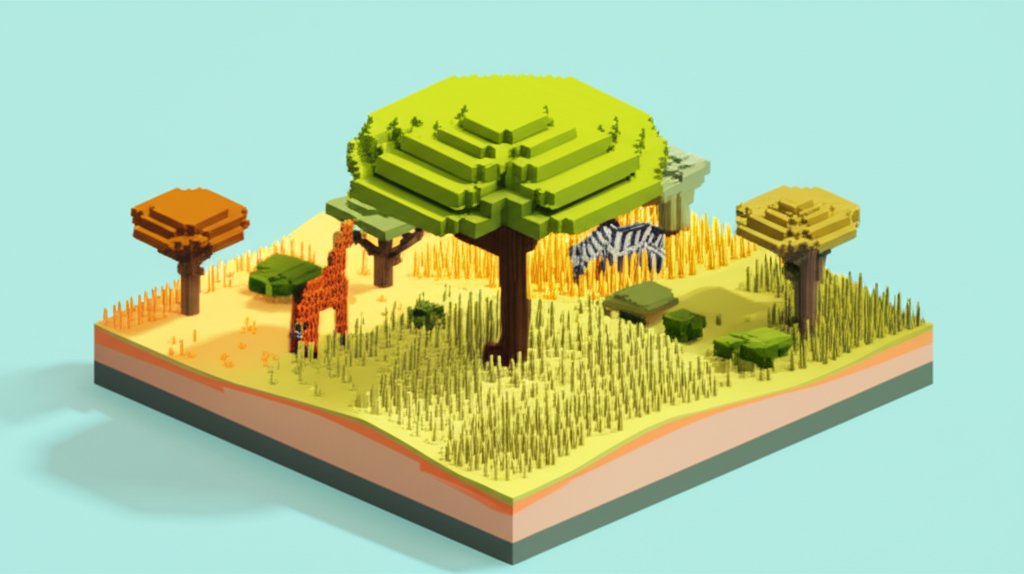
Imagine vast, golden grasslands stretching to the horizon, dotted with acacia trees, where the air hums with life and the drama of nature unfolds daily. This is the savanna, a dynamic and crucial biome that covers roughly one-fifth of Earth’s land surface. Often stereotyped solely by the stunning vistas of the African Savanna, these vital ecosystems are far more diverse and globally significant than many realize.
Beyond their breathtaking beauty, savannas play an indispensable role in global climate regulation, support unparalleled biodiversity, and sustain millions of people worldwide. This comprehensive guide will delve into the intricate workings of this extraordinary biome, revealing its defining characteristics, global distribution, astonishing adaptations, and the critical challenges it faces. Prepare to uncover the wild secrets and vital importance of the Earth’s majestic grasslands.
Understanding what defines a savanna, from its climate to its inhabitants, highlights why grasping these savanna important facts is critical for appreciating their global significance and conservation needs.
What Exactly is a Savanna? Defining a Dynamic Biome
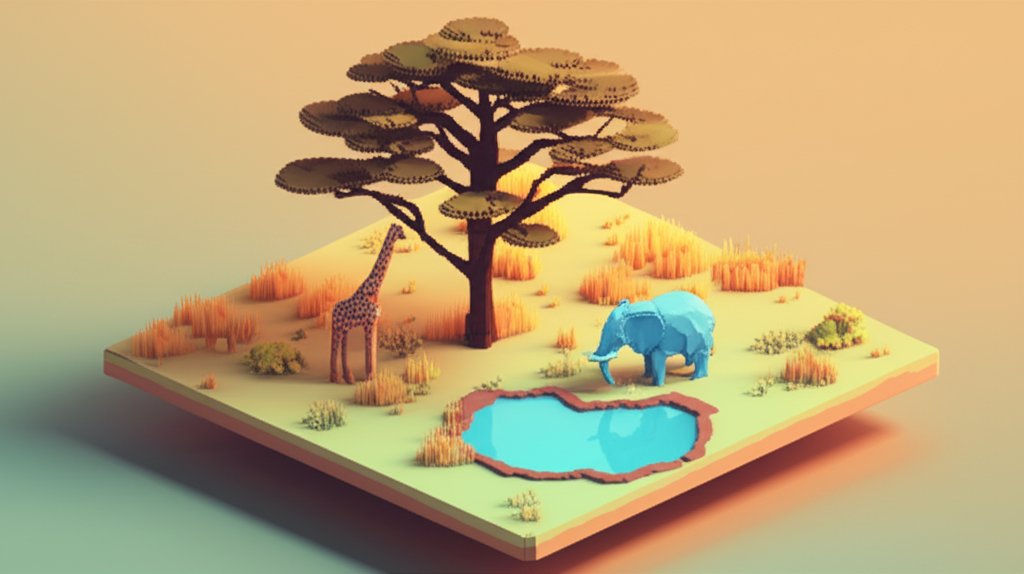
At its core, a savanna is a grassland ecosystem characterized by grasses as the dominant vegetation, interspersed with scattered trees and shrubs. It’s a transitional biome nestled between forests (too wet for grasslands) and deserts (too dry for continuous tree cover), striking a delicate balance dictated primarily by climate.
Characteristics of a Savanna Landscape
The appearance of a savanna can vary significantly depending on its specific geographic location and rainfall patterns, yet several common traits define this unique environment:
- Dominant Grasses: Tall, coarse grasses like elephant grass, Rhodes grass, or various species of Andropogon form the primary ground cover. These grasses are typically resilient, fast-growing, and often adapted to withstand drought and fire.
- Scattered Trees and Shrubs: Trees are present but do not form a closed canopy, allowing ample sunlight to reach the ground and support the grass layer. Iconic trees include acacias, baobabs, and various palms, many of which exhibit thorns or thick bark as protective measures.
- Porous Soil: Savanna soils are often nutrient-poor and have varying drainage capacities, which influences the types of vegetation that can thrive. The presence of a hardpan layer can limit tree root growth, favoring grasses.
- Open Landscape: The sparse tree cover creates an open, expansive environment crucial for the large herbivore populations and their predators that define many savanna areas.
The Savanna Climate: A Tale of Two Seasons
The most defining climatic feature of the savanna biome is its distinct wet and dry seasons. This dramatic fluctuation in rainfall is the primary driver behind the ecosystem’s structure and the life within it.
- Wet Season (Summer): Characterized by high temperatures and significant rainfall, often concentrated in short, intense bursts. During this period, the savanna transforms into a lush, green paradise, with grasses growing rapidly and waterholes abundant. This is a time of plenty for herbivores and a period of intense breeding for many species.
- Dry Season (Winter): Marked by much lower rainfall and often higher temperatures, leading to parched landscapes, dry grasses, and shrinking water sources. This season poses significant challenges for survival, forcing animals to adapt through migration, dormancy, or specialized feeding strategies. Fire is also a natural and frequent occurrence during the dry season, clearing old vegetation and promoting new growth with the return of the rains.
Savanna vs. Other Biomes: A Clear Distinction
Understanding the savanna requires differentiating it from other major biomes:
- Forests: Unlike forests, savannas lack a dense, continuous tree canopy that shades the ground.
- Deserts: While both experience dry periods, savannas receive significantly more rainfall than deserts, allowing for the growth of extensive grasslands.
- Temperate Grasslands (Prairies/Steppes): Temperate grasslands experience greater temperature extremes between summer and winter and typically lack the scattered tree component characteristic of most savannas. They also often have different dominant grass species and a distinct animal community.
- Shrublands: Shrublands are dominated by shrubs rather than grasses and trees. The savanna’s unique combination of grasses and scattered trees truly sets it apart.
A World of Savannas: Beyond the African Plains
While the image of the African Savanna is widely known, these vibrant grasslands are found on nearly every continent, each with its own unique characteristics, species, and ecological nuances.
The Iconic African Savanna: A Cradle of Biodiversity
The African Savanna is arguably the most famous and extensive savanna biome globally, sprawling across East, Central, and Southern Africa. It comprises vast stretches of grasslands broken by acacia trees and baobabs, supporting an unparalleled concentration of megafauna.
- Key Regions: The Serengeti and Masai Mara in East Africa are legendary for the Great Migration, where millions of wildebeest, zebras, and gazelles traverse the plains in search of fresh grazing. Other prominent areas include the Okavango Delta in Botswana and the Kruger National Park in South Africa.
- Iconic Wildlife: The African Savanna is home to the “Big Five” (lion, leopard, elephant, rhino, buffalo), giraffes, zebras, wildebeest, cheetahs, and countless species of antelopes, birds, and reptiles. It is a vital stronghold for many endangered species.
- Ecological Role: This savanna acts as a massive carbon sink and supports a complex food web driven by the interplay of herbivores and carnivores, shaping the landscape through grazing patterns.
South America’s Cerrado: The Most Biodiverse Savanna
Often overlooked in global discussions of savannas, the Cerrado biome in Brazil is a contender for the world’s most biodiverse savanna. Despite its dry character, it boasts an incredible array of plant and animal life.
- Unique Characteristics: The Cerrado features fire-adapted vegetation, including gnarled trees with thick, corky bark and deep root systems that tap into groundwater. It’s a mosaic of grasslands, woodlands, and gallery forests along rivers.
- High Biodiversity: This savanna is a hotspot for endemic species, including the giant anteater, maned wolf, capybara, and various species of armadillos and reptiles. Its plant diversity is astonishing, with thousands of unique species.
- Conservation Challenge: Rapid agricultural expansion (soybean farming, cattle ranching) poses a severe threat to the Cerrado, making its conservation a global priority.
Australian Tropical Savannas: Land of Marsupials
Northern Australia is home to extensive tropical savannas, characterized by a monsoonal climate with distinct wet and dry seasons. These grasslands are fundamentally shaped by fire and grazing by native marsupials.
- Monsoonal Influence: Strong seasonal rains lead to lush growth, followed by intense dry periods and frequent bushfires, which are a natural part of the ecosystem’s cycle.
- Unique Wildlife: Australian savannas are dominated by marsupials like kangaroos, wallabies, and various smaller mammals, as well as a diverse range of birds and reptiles. Invasive species like feral cattle have also significantly impacted the ecosystem.
- Aboriginal Management: Indigenous Australians have historically used fire management techniques to shape these savannas for millennia, demonstrating a deep understanding of their ecological dynamics.
Asian Grasslands and Other Savanna Echoes
Smaller, yet ecologically significant, savanna ecosystems also exist in parts of Asia, such as the Deccan Plateau in India, and in some regions of the Caribbean. These areas share the characteristic wet/dry climate and grass-dominated landscapes, adapted to local conditions and supporting unique biodiversity. From the Chital deer in India’s savannas to diverse bird species, each region adds to the global tapestry of this incredible biome.
The Rhythmic Pulse of Life: Adaptations in Grassland Ecosystems
Life in the savanna is a testament to resilience. The extreme fluctuations between abundance and scarcity, driven by the wet and dry seasons, have forged remarkable adaptations in both flora and fauna, allowing them to not just survive, but thrive.
Plant Power: Surviving Drought, Fire, and Grazers
Savanna plants have evolved ingenious strategies to cope with the challenging conditions of their biome:
- Deep Root Systems: Many trees, like acacias, and grasses develop extensive root systems, sometimes reaching dozens of meters deep, to tap into groundwater during the dry season. This also helps them quickly access moisture during brief rainfalls.
- Fire Resistance: Thick, corky bark (e.g., baobab trees, some Cerrado species) protects trees from frequent fires. Some grasses have underground growing points, allowing them to quickly regrow after a blaze. Seeds of certain species even require fire to germinate.
- Drought Deciduousness: Some trees shed their leaves during the dry season to conserve water, minimizing transpiration.
- Thorns and Toxins: To deter herbivores, many savanna plants, especially acacias, develop sharp thorns or produce chemical compounds that make their leaves unpalatable.
- C4 Photosynthesis: Many savanna grasses utilize C4 photosynthesis, a highly efficient pathway that allows them to maximize carbon capture even in hot, dry, and intense sunlight conditions, outcompeting C3 plants.
Animal Ingenuity: Migrations, Diets, and Social Structures
Savanna animals display an equally impressive array of adaptations:
- Epic Migrations: In the African Savanna, large herbivores like wildebeest and zebras undertake the longest terrestrial migrations on Earth, following the rains and fresh grazing lands which can span thousands of kilometers. This strategy ensures access to vital resources.
- Specialized Diets: Animals often specialize in different parts of plants or different plant species to reduce competition. For example, zebras graze on coarser grasses, wildebeest prefer medium-height grasses, and gazelles browse on short grasses and forbs. Browsers like giraffes access leaves high up in trees.
- Water Conservation: Many animals, such as various antelope species, can extract most of their water needs from the plants they eat, reducing their reliance on open water sources.
- Social Behaviors: Complex social structures, from the intricate hierarchies of lion prides to the cooperative hunting of African wild dogs and the family bonds of elephants, enhance survival rates, protect young, and improve foraging efficiency.
- Camouflage and Speed: Predators and prey alike have evolved impressive camouflage. Lions blend with dry grasses, while zebra stripes may confuse predators in a moving herd. Prey animals, like cheetahs, have developed incredible speed to catch their swift prey across the open grasslands.
The Unsung Heroes: Insects and Soil Health
Beneath the magnificent megafauna, a bustling world of smaller creatures plays a vital role. Termites, in particular, are the unsung engineers of the savanna biome. Their elaborate mound systems aerate the soil, improve water infiltration, and cycle nutrients, fundamentally shaping the soil structure and plant growth. Other insects, too, contribute to pollination, decomposition, and serve as a crucial food source for many species.
Savannas as Global Climate Regulators: A Critical Biome
Beyond their biodiversity, savannas are increasingly recognized for their vital ecological services, particularly their role in regulating global climate. These extensive grasslands are far more than just a home for wildlife; they are active participants in Earth’s essential cycles.
Carbon Sequestration: Savannas’ Role in Mitigating Climate Change
Savannas play a significant, often underestimated, role as natural carbon sinks. They absorb vast amounts of carbon dioxide (CO2) from the atmosphere, helping to mitigate the effects of climate change.
- Grass Root Systems: While trees store carbon above ground, the dense, fibrous root systems of savanna grasses are highly effective at storing organic carbon deep within the soil. This soil carbon can remain sequestered for long periods.
- Biomass Accumulation: During the wet season, the rapid growth of grasses and other vegetation leads to significant biomass accumulation, locking away carbon. Even when grasslands burn, a portion of the carbon is retained in the soil, and new growth quickly begins to re-absorb CO2.
- Dynamic Cycle: Research is ongoing to better understand the full capacity of savannas to store carbon and how traditional land management practices, such as controlled burning, can influence this capacity positively or negatively in a changing climate.
Water Cycle Influence: Evapotranspiration and Rainfall Patterns
Savannas also have a substantial impact on regional and even global water cycles. The extensive vegetation facilitates evapotranspiration – the process by which water vapor is released into the atmosphere from plants and soil.
- Local Rainfall Generation: High rates of evapotranspiration contribute to cloud formation and local rainfall, creating a feedback loop that sustains the savanna biome.
- Regional Climate Systems: Disruptions to savanna ecosystems, such as widespread deforestation or desertification, can alter regional atmospheric moisture content, potentially leading to reduced rainfall and increased drought in surrounding areas.
Oxygen Production: The Green Lungs of the Tropics
Like all photosynthesizing plant life, the abundant grasses and scattered trees of the savanna contribute to the production of oxygen, essential for all aerobic life on Earth. While individual trees might capture more carbon, the sheer expanse and rapid growth cycles of savanna grasslands make their collective contribution significant, acting as “green lungs” in tropical and subtropical zones.
Threats and Triumphs: Protecting the Savanna Biome
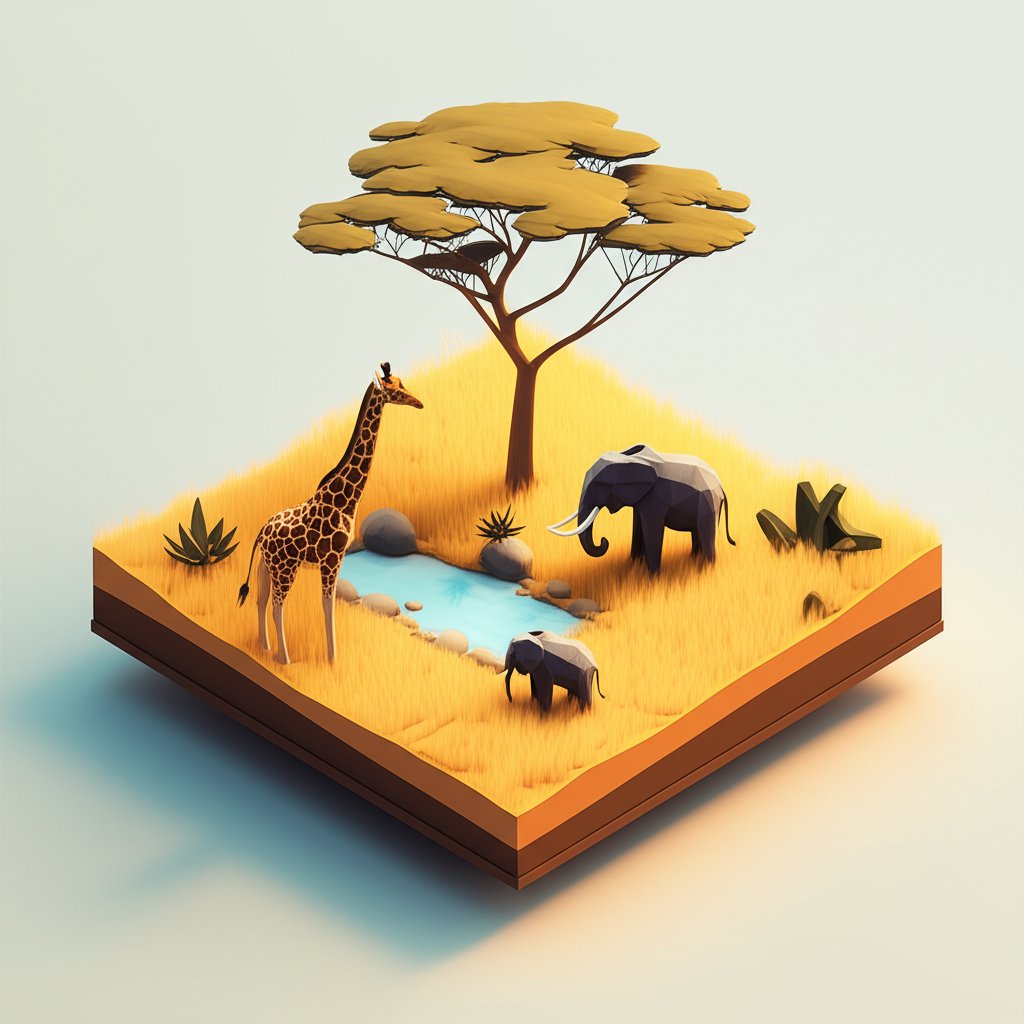
Despite their resilience and immense ecological value, savannas worldwide face increasing pressure from human activities and a rapidly changing climate. Understanding these threats and supporting conservation efforts is crucial for the future of this vital biome.
Major Challenges: Climate Change, Human Encroachment, and Poaching
The delicate balance of the savanna biome is under siege from multiple fronts:
- Climate Change: Altered rainfall patterns, increased frequency and intensity of droughts, and rising temperatures directly impact savanna vegetation and water resources. Some models predict shifts in vegetation, potentially leading to desertification or conversion to other biomes if conditions become too extreme.
- Agricultural Expansion: The conversion of savanna grasslands into farmland for crops (e.g., soy, corn) and cattle ranching is the single biggest threat globally. This leads to habitat loss, fragmentation, and soil degradation. The Cerrado in South America is particularly vulnerable to this.
- Unsustainable Grazing: Overgrazing by livestock can degrade savanna soils, leading to erosion, reduced grass cover, and bush encroachment, where less palatable woody plants take over.
- Poaching and Illegal Wildlife Trade: Particularly in the African Savanna, iconic species like rhinos, elephants, and pangolins are relentlessly hunted for illegal wildlife products, pushing many to the brink of extinction.
- Altered Fire Regimes: While fire is natural, human-induced changes to fire frequency (either too much or too little) can disrupt the ecological balance. Uncontrolled wildfires can be devastating, while lack of fire can lead to woody plant encroachment.
- Infrastructure Development: Roads, dams, and human settlements fragment habitats, disrupt migration routes, and increase human-wildlife conflict.
Conservation Success Stories and Ongoing Initiatives
Despite the challenges, numerous individuals, organizations, and governments are engaged in critical efforts to protect savannas:
- Protected Areas and National Parks: The establishment and effective management of national parks (e.g., Serengeti, Kruger, Amboseli) and protected areas are vital for safeguarding large tracts of savanna habitat and their wildlife.
- Community-Based Conservation: Empowering local communities living alongside savannas by providing economic incentives (e.g., eco-tourism, sustainable agriculture) and involving them in conservation decision-making has proven highly effective.
- Anti-Poaching Efforts: Intensive anti-poaching patrols, technology (drones, satellite tracking), and intelligence gathering are crucial in combating illegal wildlife trade.
- Restoration and Reforestation: Projects aimed at restoring degraded savanna lands, reintroducing native plant species, and implementing sustainable grazing practices are gaining momentum.
- Sustainable Land Management: Promoting practices that balance human needs with ecological health, such as rotational grazing, fire management, and responsible forestry, are key to long-term savanna survival.
What You Can Do: Supporting Savanna Conservation
Everyone can play a role in protecting these critical grasslands:
- Support Reputable Conservation Organizations: Donate to or volunteer with organizations dedicated to savanna conservation and anti-poaching efforts.
- Choose Sustainable Products: Opt for products that are sustainably sourced and do not contribute to deforestation or unsustainable agricultural practices in savanna regions.
- Responsible Tourism: If traveling to savanna destinations, choose eco-tourism operators that prioritize wildlife conservation and community benefits.
- Educate Yourself and Others: Share knowledge about the importance of savannas and the threats they face.
Conclusion: Guardians of the Grasslands
The savanna biome is a landscape of profound beauty, resilience, and unparalleled ecological significance. From the iconic drama of the African Savanna to the hidden biodiversity of the Cerrado, these vast grasslands are more than just wild spaces; they are critical components of Earth’s life support system. They regulate climate, sustain unique life forms, and provide essential resources for human communities.
Understanding the intricate dance between wet and dry seasons, the ingenious adaptations of its inhabitants, and the vital role savannas play as carbon sinks is crucial. As we face global environmental challenges, the health and preservation of our savannas become ever more important. By recognizing their value and actively supporting conservation efforts, we can ensure that these magnificent grasslands continue to thrive for generations to come, revealing their wild secrets and sustaining life across the globe.
Frequently Asked Questions About Savannas
How old are savannas?
The age of the savanna biome is a topic of ongoing scientific debate. While it was traditionally believed that the African Savanna emerged roughly two million years ago, coinciding with the evolution of early humans, newer research suggests a much older origin. Some studies, using techniques like soil isotope analysis, propose that savanna ecosystems may have existed as far back as 7.4 million years, or even earlier in some regions. This highlights the complexities of determining the precise age of such dynamic ecosystems, which are constantly shaped by climate, geology, and biological factors.
What is the biggest savanna in the world?
The title of “world’s largest savanna” is often debated, primarily between the African Savanna and the Cerrado in South America.
- African Savanna: Spanning approximately 13 million square kilometers across 25 countries, the African Savanna is the most extensive continuous expanse of grasslands and woodlands. It’s renowned for its sheer size and the scale of its wildlife migrations (e.g., the Serengeti).
- Cerrado (South America): While smaller in continuous area, the Cerrado in Brazil is often cited as the most biodiverse savanna in the world. Its vast mosaic of grasslands, woodlands, and gallery forests is incredibly rich in endemic plant and animal species.
The debate hinges on the exact definition of “savanna” – whether it refers strictly to open grasslands or includes more wooded savanna mosaics. Regardless of the exact definition, both are ecologically vital and among the largest and most important savanna biomes on Earth.
Why are savannas important?
Savannas are critically important for several reasons:
- Biodiversity Hotspots: They support an incredible diversity of life, including iconic megafauna in the African Savanna and high endemism in regions like the Cerrado. Many species found here exist nowhere else.
- Climate Regulation: Savannas are significant carbon sinks, storing vast amounts of carbon in their soils and vegetation, thereby helping to mitigate climate change. They also play a crucial role in regional water cycles through evapotranspiration.
- Ecological Services: They provide essential services like nutrient cycling, soil formation, and erosion control.
- Livelihoods: Millions of people worldwide depend on savannas for grazing livestock, agriculture, and other resources.
- Research and Education: They offer invaluable opportunities for scientific research into ecosystem dynamics, evolutionary biology, and climate change impacts.
What are the main types of savannas?
While all savannas share the common characteristic of dominant grasses with scattered trees and distinct wet and dry seasons, they can be broadly categorized by their climatic zones and specific characteristics:
- Tropical Savannas: These are the most widespread type, found near the equator in regions with high temperatures year-round and distinct wet and dry seasons. The African Savanna and the Australian tropical savannas are prime examples.
- Subtropical Savannas: Located poleward of the tropical savannas, they share similar characteristics but may experience slightly cooler temperatures or more variation in seasonal rainfall.
- Temperate Savannas: Less common, these occur in transitional zones between temperate grasslands and forests, experiencing more pronounced temperature changes between seasons.
- Montane Savannas: Found at higher altitudes, these are influenced by mountainous terrain and unique microclimates.
- Floodplain Savannas: Seasonally flooded grasslands, often found along major rivers, like parts of the Pantanal in South America.
These types illustrate the adaptability of the savanna biome to a range of environmental conditions across the globe.
What animals live in the African Savanna?
The African Savanna is famous for its incredible array of wildlife. Some of the most well-known inhabitants include:
- Large Herbivores: Wildebeest, zebras, gazelles, impalas, buffalo, giraffes, elephants (African savanna elephant), rhinoceroses (black and white rhinos).
- Carnivores: Lions, leopards, cheetahs, hyenas (spotted, striped, brown), African wild dogs, jackals.
- Birds: Ostriches, secretary birds, various eagles, vultures, hornbills, and a multitude of smaller species.
- Reptiles: Crocodiles (in rivers), various snakes, and lizards.
- Smaller Mammals: Warthogs, meerkats, various mongooses, and many species of rodents and insects (such as termites, which play a crucial ecological role).
This rich diversity makes the African Savanna one of the most exciting and vital grassland ecosystems on Earth.











1 thought on “Savanna: Uncover Its Vital Role & Wild Grassland Secrets”
Comments are closed.