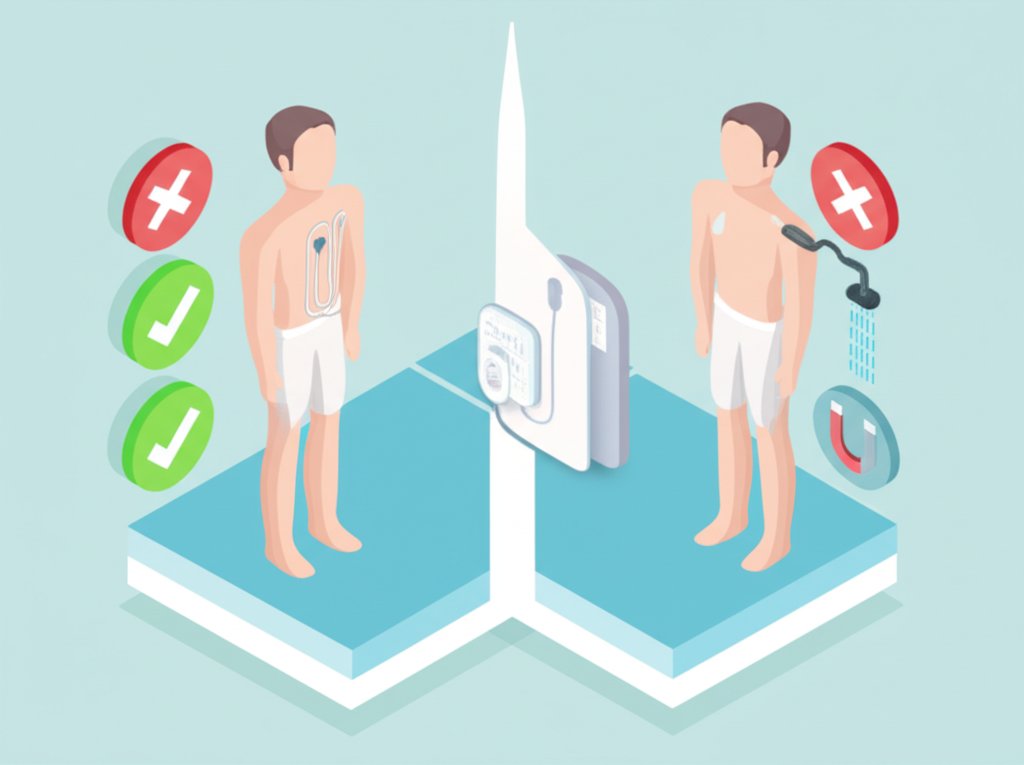
Understanding your heart’s rhythm is a cornerstone of cardiovascular health. When your doctor suspects an intermittent heart issue, they might prescribe a Holter monitor test. This small, portable device offers a unique window into your heart’s electrical activity over an extended period—typically 24 to 48 hours, or sometimes longer. While wearing a Holter monitor is generally straightforward, adhering to specific Holter monitor restrictions and understanding the key do's and don'ts is paramount to ensuring accurate and reliable results.
This comprehensive guide will equip you with the knowledge to confidently navigate your monitoring period, outlining critical precautions, offering practical tips for daily activities, and empowering you to contribute to the success of your Holter monitor test. By understanding these guidelines, you’ll help your healthcare team gather the most precise data possible, leading to a clearer diagnosis and more effective treatment plan.
If your doctor has suggested this test, knowing where it fits within the broader landscape of cardiac assessments, like those listed on a medical systems test menu, can help you feel more prepared.
Understanding Your Holter Monitor Test: What, Why, and How
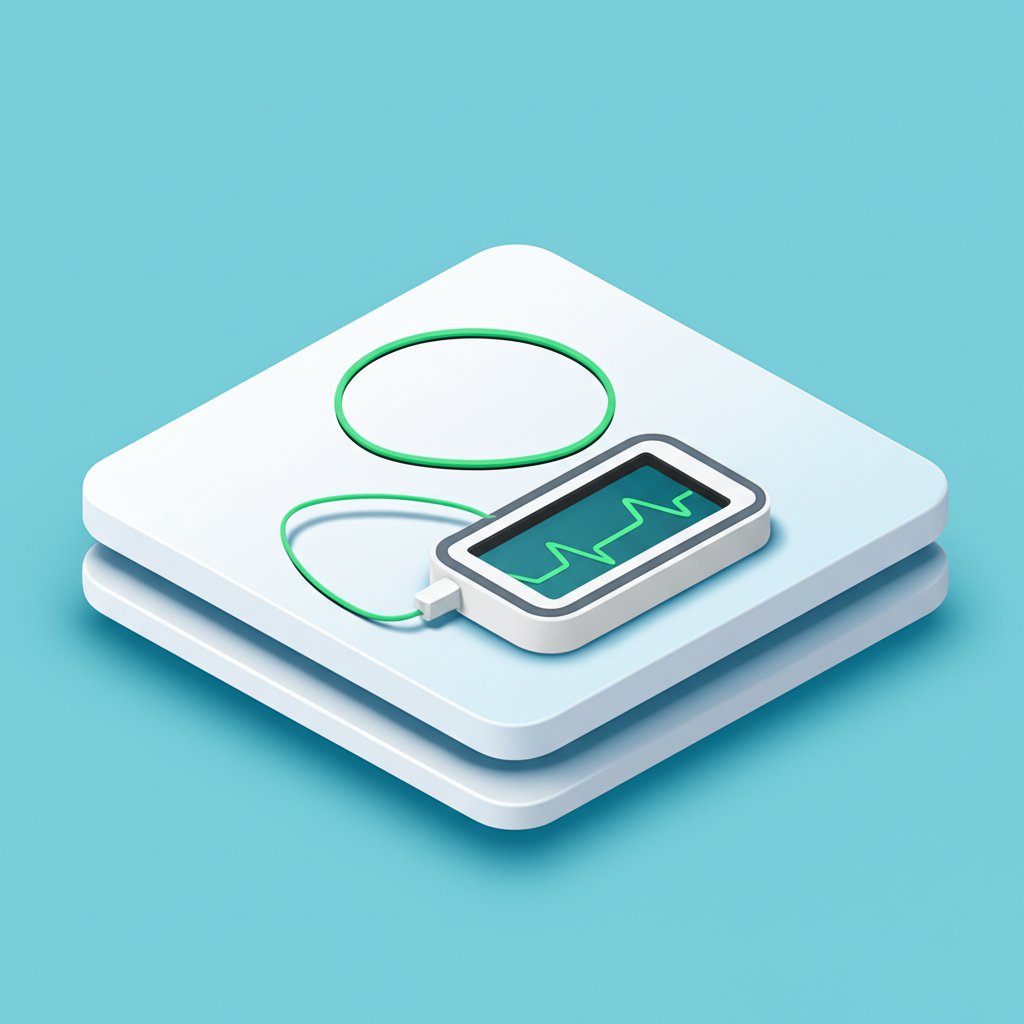
Before diving into the specifics of what to avoid, let’s establish a foundational understanding of the Holter monitor itself and the purpose of this vital diagnostic tool.
What is a Holter Monitor?
A Holter monitor is a compact, battery-operated electrocardiography (ECG or EKG) device designed for continuous heart rhythm recording outside of a clinical setting. Unlike a standard ECG, which captures your heart’s activity for only a few seconds, the Holter monitor records continuously, usually for 1 to 2 days. It consists of:
- Electrodes: Small, adhesive patches that stick to your chest. These detect your heart’s electrical signals.
- Wires: Connecting the electrodes to the recording device.
- The Monitor: A small, pager-sized unit that stores the electrical data. It can be worn in a pouch, clipped to your belt, or carried on a neck/shoulder strap.
The device essentially creates a detailed “movie” of your heart’s beats throughout your normal daily routine, including periods of activity, rest, and sleep.
Why Your Doctor Prescribed a Holter Monitor Test
Your doctor orders a Holter monitor test to investigate symptoms that might be linked to an irregular heartbeat (arrhythmia) but don’t manifest during a brief in-office ECG. These symptoms can include:
- Heart palpitations (a feeling of your heart pounding, racing, fluttering, or skipping beats)
- Unexplained dizziness or lightheadedness
- Fainting (syncope)
- Chest pain or shortness of breath
- Monitoring the effectiveness of existing heart medications
- Assessing the risk of future cardiac events in certain heart conditions
By capturing your heart’s rhythm over an extended period, the Holter monitor can detect intermittent arrhythmias that would otherwise be missed, providing crucial context for your symptoms.
The Holter Monitor Test: What to Expect During Setup
Setting up your Holter monitor is a quick and painless process performed by a technician or nurse:
- Skin Preparation: To ensure good contact for the electrodes, the technician will clean several spots on your chest. For men, some chest hair may need to be shaved.
- Electrode Placement: Multiple electrodes (usually 5 to 7) are strategically placed on your chest.
- Device Connection: Wires from the electrodes are snapped onto the Holter monitor device.
- Fitting and Instructions: The monitor will be secured, and you’ll receive detailed instructions on wearing a Holter monitor, including how to use the device, maintain the electrodes, and, most importantly, how to keep a detailed diary.
Critical Holter Monitor Restrictions: What to Strictly Avoid
To ensure your Holter monitor test yields clear, interpretable data, several key Holter monitor restrictions must be observed. Ignoring these can compromise the results, potentially necessitating a repeat test.
Water Exposure: The Absolute No-Go
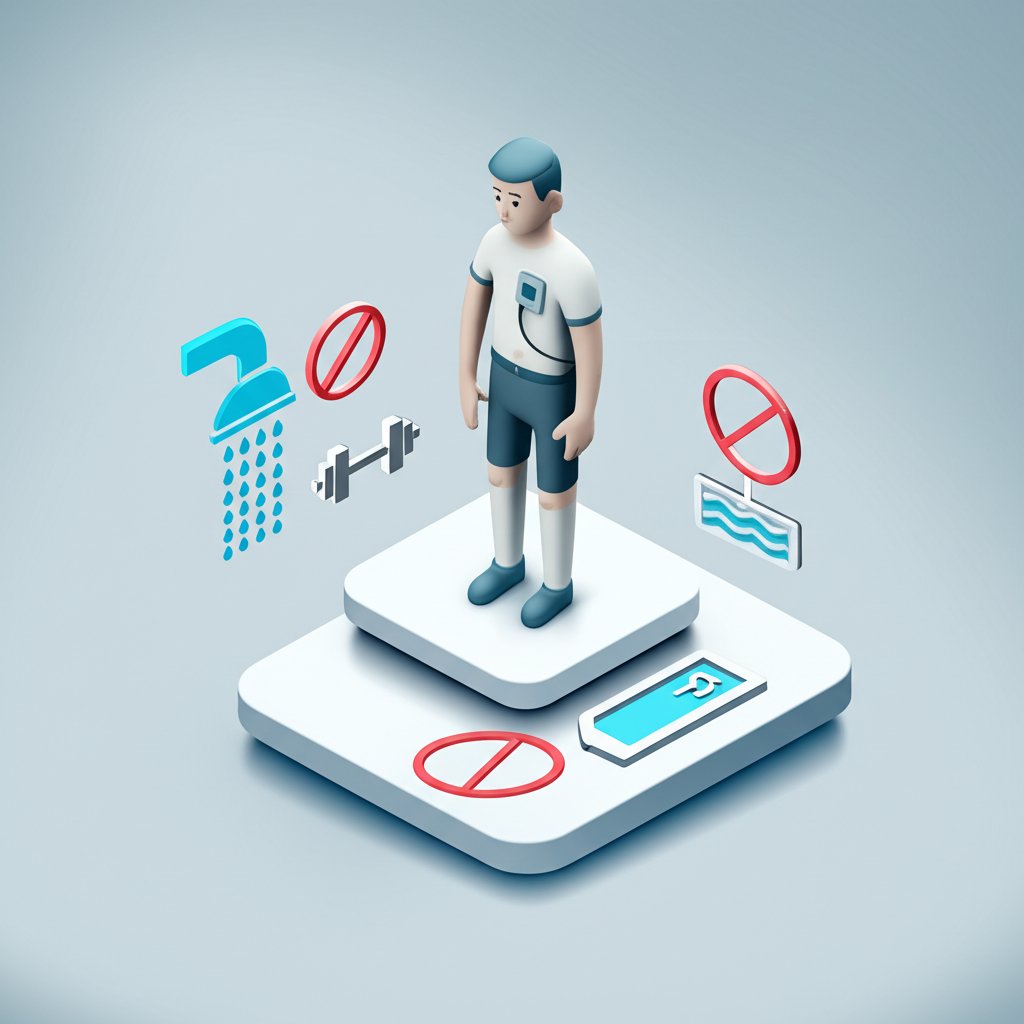
Restriction: Do not get your Holter monitor or the electrodes wet. This means avoiding showering, bathing, swimming, hot tubs, saunas, and any activities that cause excessive sweating.
Rationale: Water is the single biggest threat to the integrity and function of your Holter monitor.
Electromagnetic Interference: Keeping Your Distance
Restriction: Stay away from strong magnetic and high-voltage electrical fields. This includes MRI machines, industrial equipment, arc welders, metal detectors, and certain high-tension power lines. Keep smaller electronic devices like cell phones, tablets, and laptops at least six inches (about 15 cm) away from the monitor.
Rationale: Strong electromagnetic fields can disrupt the delicate electrical signals the Holter monitor is trying to record.
Harsh Chemicals and Lotions: Protecting Electrode Adhesion
Restriction: Do not apply lotions, creams, oils, powders, or perfumes near the electrodes or on your chest where the electrodes are placed.
Rationale: These substances can create a barrier between the electrode and your skin or weaken the adhesive, leading to:
Physical Impact: Preventing Dislodgement and Damage
Restriction: Avoid activities that could cause the monitor to be bumped, dropped, or have wires tugged excessively. This includes contact sports, roughhousing, or placing heavy objects directly on the device.
Rationale: The Holter monitor is a medical device that needs to be protected:
Wearing a Holter Monitor: Navigating Daily Activities with Confidence
While there are important Holter monitor restrictions, the goal is to observe your heart during your normal life. Here’s how to manage common daily activities while wearing a Holter monitor.
Personal Hygiene: Mastering the Sponge Bath
Since showering and bathing are prohibited due to Holter monitor restrictions, a sponge bath is your alternative.
Actionable Tip:
Clothing Choices: Comfort and Protection
Tip: Opt for loose-fitting, comfortable clothing, especially tops made of natural fibers like cotton.
Rationale:
Sleeping Comfortably: Tips for an Undisturbed Night
Many patients worry about sleeping with a Holter monitor.
Actionable Tip:
Traveling with Your Holter Monitor
Tip: You can generally drive and travel normally with your Holter monitor.
Considerations:
Medications and Diet: Continuity and Awareness
Instruction: You should continue taking all your prescribed medications as usual unless specifically instructed otherwise by your doctor. Limit your intake of caffeine, alcohol, and nicotine.
Rationale:
Holter Monitor Do’s and Don’ts for Optimal Results
This section provides a clear, actionable summary of the do's and don'ts essential for a successful Holter monitor test, integrating all critical Holter monitor restrictions.
DO’s for a Successful Holter Monitor Test
- DO Wear the Holter Monitor Continuously: Keep the device on for the entire prescribed duration (24, 48 hours, or longer), even while sleeping. Consistent data is key.
- DO Keep a Detailed Diary: This is arguably as important as the monitor itself! Record the exact time of any symptoms (palpitations, dizziness, chest pain), activities (exercise, rest, stress), and medication intake.
- DO Perform Sponge Baths: This is the only safe way to maintain hygiene during the monitoring period.
- DO Maintain Distance from Electronics: Keep cell phones and other devices at least six inches away from the monitor.
- DO Continue Regular Medications: Take all prescribed medications unless your doctor advises otherwise. Note them in your diary.
- DO Engage in Normal, Light Activities: Carry on with your usual daily routine to capture realistic heart activity.
- DO Gently Check Electrodes: Periodically check that all electrodes are still firmly attached. If one peels slightly, gently press it back down if you can.
- DO Report Issues: If you experience significant skin irritation, if an electrode comes completely off and cannot be reattached, or if the device malfunctions (e.g., beeping, error message), contact your healthcare provider immediately.
- DO Wear Loose Clothing: This prevents dislodgement of electrodes and improves comfort.
- DO Stay Hydrated: Drink plenty of water as usual.
DON’Ts for a Successful Holter Monitor Test
- DON’T Get the Monitor Wet: Absolutely no showering, bathing, swimming, or excessive sweating.
- DON’T Remove or Disconnect the Monitor Prematurely: Only your healthcare provider should remove the device at the end of the testing period.
- DON’T Damage the Device: Avoid dropping, bumping, or subjecting the monitor to rough treatment.
- DON’T Expose to Strong Magnetic or Electrical Fields: Stay clear of MRI machines, metal detectors, and high-voltage areas.
- DON’T Apply Lotions, Creams, or Powders: These can interfere with electrode adhesion and signal quality.
- DON’T Engage in Strenuous Exercise or Heavy Lifting: While normal activity is encouraged, intense physical activity can dislodge electrodes, cause excessive sweating, and make it difficult to interpret heart rate increases as normal exertion vs. an arrhythmia. Discuss specific activity levels with your doctor.
- DON’T Ignore Symptoms or Neglect Diary Entries: Every detail provides crucial context for the recorded data.
- DON’T Alter Medication Dosages: Never change your medication regimen without consulting your doctor.
- DON’T Sleep on Your Stomach: This can put pressure on the electrodes and wires.
- DON’T Tamper with the Device: Do not try to open or “fix” the monitor yourself.
Maximizing Accuracy: Your Role in the Holter Monitor Test
Your active participation is crucial for the success of your Holter monitor test. By following the guidelines and being vigilant, you become an indispensable partner in your diagnostic process.
The Indispensable Holter Monitor Diary
The diary is your personal narrative that complements the objective data recorded by the monitor. It helps your doctor correlate specific events or symptoms with precise heart rhythm changes.
Details to Record in Your Holter Monitor Diary:
- Symptoms: Note the exact time, duration, and description of any symptoms (e.g., “7:15 AM – felt heart flutter rapidly for 10 seconds, lightheaded”).
- Activities: Log significant activities and their start/end times (e.g., “8:00 AM – walked briskly for 20 mins,” “1:00 PM – ate lunch,” “10:00 PM – went to sleep”).
- Emotional State: If you experience strong emotions like stress, anxiety, or excitement, note the time and intensity.
- Medications: Record the time you take any medications.
- Sleep: Note when you go to bed and when you wake up.
Gentle Care of Your Device and Electrodes
Periodically, gently check that the electrodes are still firmly adhered to your skin and that the wires are securely connected to both the electrodes and the monitor. If an electrode feels loose, try to gently press it back down without rubbing. Avoid pulling on the wires. If an electrode comes off completely and you cannot reattach it, or if it causes significant irritation, contact your clinic for guidance.
Communication with Your Healthcare Provider
If you have any questions or concerns while wearing a Holter monitor, do not hesitate to contact your doctor’s office. This includes questions about a specific activity, an unexpectedly loose electrode, or any unusual symptoms you experience. Open communication ensures that your Holter monitor test proceeds smoothly and effectively.
After the Monitoring Period: What’s Next?
Once your monitoring period is complete, the process isn’t over. Understanding the next steps can alleviate any anxiety.
Returning the Device
You will typically return the Holter monitor to the clinic or facility where it was placed. The technician will carefully remove the electrodes and wires. This process is quick and painless. Make sure you return the monitor and your completed diary together, as both are essential for interpretation.
Understanding Your Holter Monitor Test Results
After you return the device, the recorded data will be downloaded and analyzed by specialized software. A cardiologist or other heart specialist will then review the data, comparing it with your diary entries to identify any correlations between your symptoms and heart rhythm abnormalities.
What to Expect at Your Follow-Up:
Holter monitor restrictions and maintaining your diary are invaluable in this process.Frequently Asked Questions (FAQ) about Holter Monitor Restrictions
Can I shower with a Holter monitor on?
No, absolutely not. Holter monitor restrictions strictly prohibit showering, bathing, or swimming due to the risk of damaging the electronic device and dislodging the electrodes. You should perform sponge baths instead, being careful to keep the device and electrodes completely dry.
What happens if my Holter monitor gets wet?
If your Holter monitor gets wet, it can lead to device malfunction, inaccurate data, or complete failure of the test. If this happens, immediately contact your healthcare provider. They will advise you on the next steps, which may include returning the device early or rescheduling the Holter monitor test.
Can I use my cell phone while wearing a Holter monitor?
Yes, you can use your cell phone and other small electronic devices, but it’s advisable to maintain a safe distance. Keep your cell phone at least six inches (about 15 cm) away from the Holter monitor at all times to minimize any potential electromagnetic interference with the recording.
Can I exercise with a Holter monitor?
You should continue your normal daily activities, but Holter monitor restrictions typically advise against strenuous exercise, heavy lifting, or activities that cause excessive sweating. Light to moderate activity is usually fine, as your doctor wants to see your heart’s response to your usual routine. Always clarify appropriate activity levels with your physician.
What should I do if an electrode falls off?
If an electrode comes completely off, first try to gently reattach it in its original spot if possible (you may have been given extra adhesive patches). If it keeps falling off, or if multiple electrodes detach, contact your clinic for guidance. They may advise you to return for reapplication or give you specific instructions. Do not try to reapply it with non-medical tape or other adhesives unless instructed.
How do I sleep with a Holter monitor?
To sleep comfortably and prevent dislodgement, try to sleep on your back or side, avoiding sleeping on your stomach. Secure the Holter monitor next to you in bed or clip it to your pajamas in a way that prevents tugging on the wires.
What kind of clothes should I wear while wearing a Holter monitor?
Wear loose-fitting, comfortable clothing, ideally made of breathable fabrics like cotton. This will help prevent the electrodes from rubbing or detaching and will minimize discomfort or excessive sweating, ensuring the integrity of your Holter monitor test.
Can I drive while wearing a Holter monitor?
Yes, you can generally drive normally while wearing a Holter monitor. It should not impair your ability to operate a vehicle safely.
By diligently following these Holter monitor restrictions and guidelines, you are actively contributing to the success of your Holter monitor test. Your cooperation ensures that your doctor receives the most accurate and comprehensive data, paving the way for a precise diagnosis and the best possible care for your heart health. If you have any remaining questions or concerns, always consult with your healthcare provider.











1 thought on “Holter Monitor Restrictions Guide: Do’s & Don’ts for Success”
Comments are closed.