Tired of watery, bland, or unevenly cooked potatoes? You’re not alone. Achieving perfectly cooked potatoes, light and fluffy on the inside with their natural flavor intact, can seem like a culinary enigma. But what if we told you there’s a simple, superior method that guarantees delicious results every time? Enter the world of steamable potatoes. This comprehensive guide will transform you into a true potato-steaming pro, revealing the secrets to ideal timing, luscious textures, and maximizing flavor. Whether you’re using a traditional steamer, an Instant Pot, or even your microwave, prepare to unlock the full potential of this versatile vegetable and dominate your dinner table with flawlessly steamed spuds.
The Unbeatable Advantages of Steaming Potatoes
Steaming isn’t just a cooking method; it’s an enhancement. It elevates the humble potato, offering a suite of benefits that other techniques simply can’t match. Understanding “why” steaming is superior lays the groundwork for mastering the “how.”
Steaming unlocks the potato’s potential by gently cooking, a process that, like other innovative culinary techniques discussed in the realm of molecular gastronomy, aims to maximize flavor and texture through scientific understanding, turning your kitchen into a hub for creative exploration.
Preserving Peak Nutrition
One of the most compelling reasons to steam potatoes is its remarkable ability to lock in nutrients. Unlike boiling, which submerges potatoes in water, leading to a significant leaching of water-soluble vitamins and minerals (like Vitamin C and B vitamins), steaming minimizes this loss. The potatoes are cooked by circulating steam, which gently transfers heat without direct water contact. Research suggests steaming can retain up to 50% more Vitamin C compared to boiling, making your steam potato a powerhouse of health benefits. This method ensures you get more of the good stuff in every bite.
Achieving Unrivaled Texture & Flavor
If you’ve ever experienced mushy, waterlogged boiled potatoes, you’ll appreciate the textural magic of steaming. Steamed potatoes consistently boast a superior, fluffy texture that remains intact, preventing the common pitfalls of over-absorption. The gentle heat allows the potato’s starches to cook evenly without breaking down excessively, resulting in a firm yet tender bite. Furthermore, steaming concentrates the potato’s natural, earthy flavor, rather than diluting it. You’ll taste the potato, pure and unadulterated, making it an ideal canvas for any seasoning or dish.
Streamlined & Versatile Cooking
Steaming is an incredibly hands-off and forgiving cooking method. Once your potatoes are in the steamer, you largely leave them alone until they’re done. This frees you up to prepare other components of your meal. Moreover, steamable potatoes are remarkably versatile. From light and creamy for salads to perfectly tender for mashing, the consistent results of steaming make them suitable for almost any culinary application, saving precious time and effort.
Choosing Your Perfect Steamable Potatoes: Variety & Preparation
Not all potatoes are created equal, especially when it comes to steaming. Selecting the right variety and preparing it correctly are crucial first steps to culinary success.
Understanding Potato Varieties for Steaming
Potatoes are generally categorized into waxy, starchy, and all-purpose. Each type behaves differently under steam:
- Waxy Potatoes (e.g., Red Potatoes, New Potatoes, Fingerlings): These varieties have a low starch and high moisture content, holding their shape exceptionally well during steaming. Their firm texture makes them ideal for potato salads, roasting after steaming, or serving in wedges. They cook relatively quickly.
- All-Purpose Potatoes (e.g., Yukon Gold, Idaho Gold): A fantastic middle-ground, these potatoes offer a creamy texture when steamed but still maintain their shape. They’re excellent for general side dishes, light mashing, or gratin. Yukon Golds are often hailed as the “perfect”
steam potatodue to their buttery flavor and robust structure. - Starchy Potatoes (e.g., Russet, Idaho): High in starch and low in moisture, these potatoes become incredibly fluffy and almost crumbly when steamed. While they may fall apart slightly, this characteristic makes them superb for light, airy mashed potatoes or baked potatoes (after steaming). They typically require a slightly longer steaming time.
Pre-Packaged “Steamables”: Convenience Meets Quality
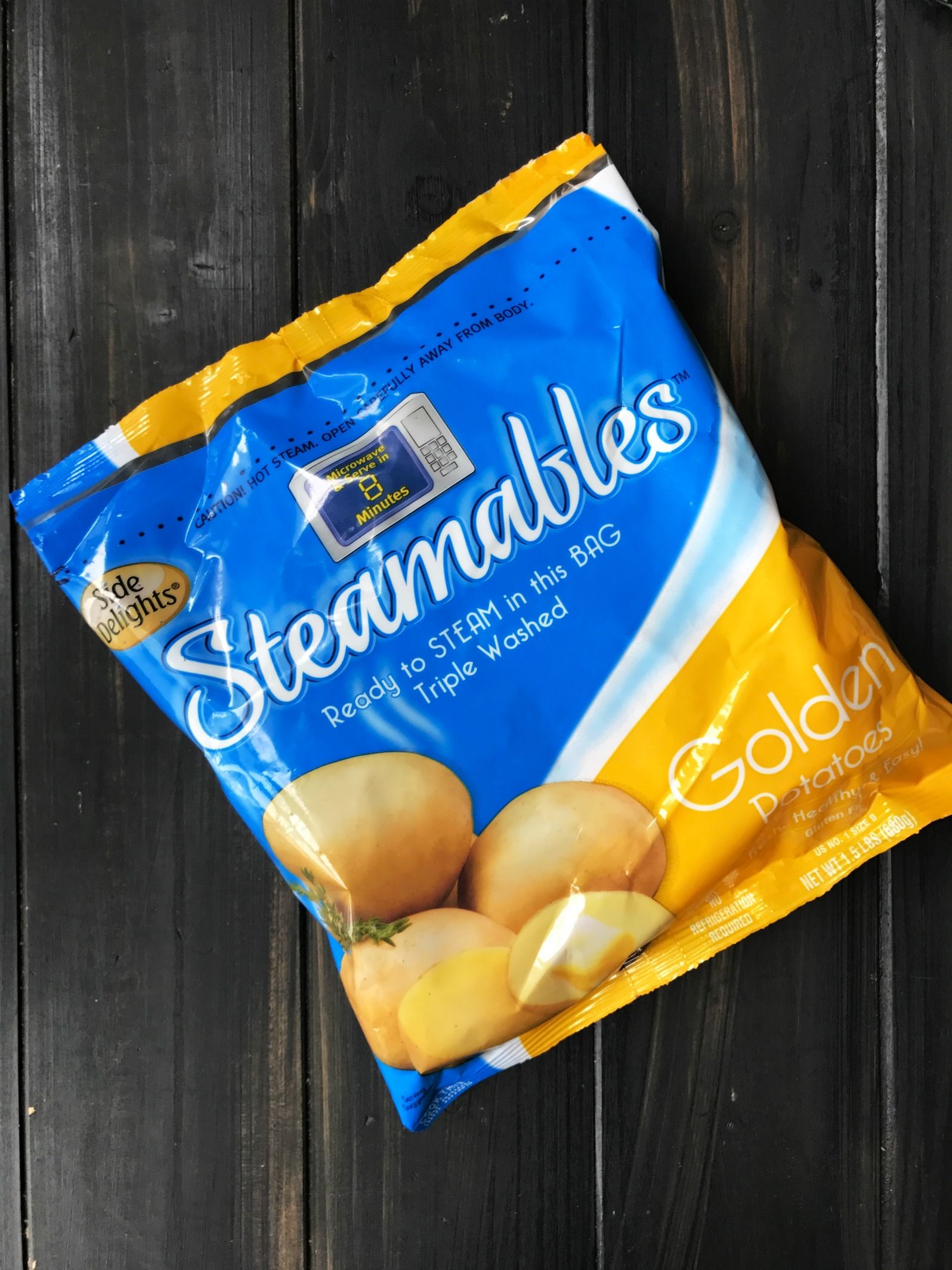
The term steamable potatoes often refers to pre-packaged options found in grocery stores. These convenient bags of pre-washed, sometimes pre-cut potatoes are designed for direct microwave steaming in their own packaging. They’re a fantastic time-saver for busy weeknights, offering consistent results with minimal effort. Brands like J&J Steamables Red Potatoes are popular choices. When using these, simply follow the package directions for how long to steam potatoes in steamer (microwave style).
Essential Potato Preparation Steps
Regardless of the variety, proper preparation ensures even cooking and optimal results:
- Wash Thoroughly: Always scrub your potatoes under cold running water to remove any dirt or debris, especially if keeping the skin on. Keeping the skin on not only adds vital nutrients and fiber but also protects the potato flesh during steaming, enhancing its natural flavor and visual appeal.
- To Peel or Not to Peel: This is largely a personal preference. As noted, leaving the skin on boosts nutrition. If you do peel, do it just before steaming to prevent oxidation.
- Uniform Sizing is Key: This is perhaps the most critical preparation step. For even cooking, cut your potatoes into pieces of roughly the same size. Large potatoes should be halved or quartered, while smaller new potatoes might just need a prick. Cubing potatoes into 1-inch pieces is a common strategy for consistent doneness. Aim for pieces that are 1-2 inches in diameter for most applications.
- Optional: Soak in Cold Water: For starchy potatoes like Russets, a brief 15-30 minute soak in cold water can help remove excess surface starch, leading to an even fluffier texture and preventing stickiness. Pat them dry before steaming.
Mastering Steaming Methods: From Basket to Bowl
There are several effective ways to steam potato at home, each with its own advantages. Choose the method that best suits your kitchen equipment and time constraints.
1. Traditional Steamer Basket Method
This classic approach is reliable and delivers perfectly cooked potatoes with minimal fuss.
- Equipment: A large pot with a tight-fitting lid, and a steamer basket (metal or bamboo).
- Steps:
- Pour 1-2 inches of water into the bottom of your pot. Ensure the water level is below the base of the steamer basket.
- Bring the water to a rolling boil over high heat.
- Carefully place your prepared potatoes into the steamer basket. Avoid overcrowding; ensure steam can circulate freely around each piece.
- Place the basket into the pot, cover tightly with the lid, and reduce heat to medium-high to maintain a steady simmer.
- Steam for the recommended duration (refer to the timing guide below), adding more boiling water if the pot runs dry.
- Test for doneness by piercing a potato with a fork. It should slide in easily with little resistance.
2. Instant Pot Steaming (Pressure Steaming)
The Instant Pot is a game-changer for speed and efficiency, delivering consistently excellent results for steamable potatoes.
- Equipment: Instant Pot, trivet, 1 cup of water.
- Steps:
- Place the trivet inside the Instant Pot liner.
- Add 1 cup of cold water to the liner.
- Arrange your prepared potatoes on the trivet. Again, avoid dense overcrowding.
- Secure the lid, ensuring the sealing valve is set to “Sealing.”
- Select the “Manual” or “Pressure Cook” setting. Adjust the cooking time based on potato size (see guide below).
- Once cooking is complete, allow a Natural Pressure Release (NPR) for 5-10 minutes, then quick release any remaining pressure.
- Carefully open the lid away from your face and test for doneness.
3. Microwave Steaming (For Speed & Convenience)
For a quick steam potato fix, especially with pre-packaged steamable potatoes, the microwave is your friend.
- Equipment: Microwave-safe dish with a lid, or a microwave-safe steamer bag.
- Steps (for regular potatoes):
- Place prepared potato pieces (cubed or small whole) in a microwave-safe bowl.
- Add 2-3 tablespoons of water to the bowl.
- Cover the bowl tightly with a microwave-safe lid or microwave-safe plastic wrap, leaving a small vent.
- Microwave on high for 5-8 minutes, depending on potato size and quantity, stirring halfway through if possible.
- Let stand for 2-3 minutes before carefully removing the lid (to avoid steam burns) and testing for doneness.
4. Foil-Wrapped Steaming (Oven or Grill)
This method creates an almost “steamed-baked” potato, concentrating flavors and yielding exceptionally tender results, perfect for a steam potato with enhanced sweetness.
- Equipment: Heavy-duty aluminum foil, oven or grill.
- Steps:
- Wash and lightly oil whole medium potatoes.
- Wrap each potato tightly in aluminum foil.
- Oven Method: Place wrapped potatoes directly on an oven rack preheated to 400°F (200°C) for 45-60 minutes, or until tender when squeezed (carefully, with oven mitts). The foil traps the potato’s internal moisture, effectively steaming it.
- Grill Method: Place wrapped potatoes directly on the grill grates over medium-high heat for 30-45 minutes, turning occasionally.
Precision Timing: How Long to Steam Potatoes in Steamer for Fluffy Perfection
The most common question is how long to steam potatoes in steamer to get them just right. The answer depends on several factors: potato size, type, and whether they are whole or cut. Always use a fork test as your ultimate guide. The fork should slide into the center of the potato with minimal resistance.
Factors Influencing Steaming Time
- Potato Size: Smaller potatoes, or those cut into uniform pieces, will cook faster than large, whole potatoes.
- Potato Type: Starchier potatoes (Russets) often take slightly longer than waxy varieties (Red, Yukon Gold).
- Steamer Efficiency: The amount of water, tight-fitting lid, and heat source can all affect actual steaming time. An Instant Pot under pressure will be significantly faster than a traditional stovetop steamer.
- Desired Doneness: For mashing, you’ll want them very tender; for potato salad, firm-tender is best.
General Steaming Time Guidelines (Traditional Steamer Basket)
This table provides approximate times for how long to steam potatoes in steamer using the traditional method. Adjust as needed based on your specific setup and desired tenderness.
| Potato Type & Preparation | Size / Cut | Approximate Steaming Time (Min.) | Doneness Test |
|---|---|---|---|
| New Potatoes | Whole (1-2 inches) | 15-20 min. | Easily pierced by a fork. |
| Red Potatoes | Whole (2-3 inches) | 20-25 min. | Fork slides in cleanly. |
| Yukon Gold | Whole (2-3 inches) | 20-25 min. | Creamy texture, fork-tender. |
| Russet Potatoes | Whole (3+ inches) | 25-35 min. | Very tender, slightly crumbly for mashing. |
| Cubed Potatoes | 1-inch pieces | 10-15 min. | Firm-tender for salads, very soft for mashing. |
| Potato Halves/Quarters | Large pieces | 18-25 min. | Tender throughout. |
Instant Pot Steaming Times (High Pressure)
For steam potato enthusiasts seeking speed, the Instant Pot is unparalleled. Use 1 cup of water and High Pressure, followed by a 5-10 minute Natural Release.
| Potato Type & Preparation | Size / Cut | Approximate Pressure Cooking Time (Min.) | Doneness Test |
|---|---|---|---|
| New Potatoes | Whole (1-2 inches) | 3-5 min. | Fork-tender. |
| Red Potatoes | Whole (2-3 inches) | 6-8 min. | Fork slides in cleanly. |
| Yukon Gold | Whole (2-3 inches) | 6-8 min. | Creamy texture, fork-tender. |
| Russet Potatoes | Whole (3+ inches) | 10-12 min. | Very tender for mashing. |
| Cubed Potatoes | 1-inch pieces | 2-4 min. | Firm-tender for salads, soft for mashing. |
Expert Tips for Perfect Steaming Every Time:
- Don’t Rush the Release (Instant Pot): A brief Natural Pressure Release helps prevent skins from bursting and finishes the cooking gently.
- Avoid Overcrowding: Give your potatoes space in the steamer basket or on the trivet for even steam circulation.
- Monitor Water Level: Ensure your stovetop steamer doesn’t run dry. Keep extra boiling water on hand to replenish if needed.
- Fluff Immediately: Once cooked, remove potatoes from the steamer and, if desired, gently fluff them with a fork or let them sit uncovered for a minute or two to release excess steam and prevent sogginess.
- Season After Steaming: While adding a pinch of salt to the steaming water can subtly season potatoes, the most effective seasoning happens after steaming, when the potato cells are open and receptive to flavor.
Steaming vs. Boiling: The Nutritional & Culinary Verdict
The debate between steaming and boiling potatoes is a long-standing one, but from a perspective of nutrition, flavor, and texture, steaming consistently emerges as the healthier and often tastier choice.
Nutritional Showdown
As mentioned, steaming is superior for nutrient retention. Water-soluble vitamins (like Vitamin C, B vitamins, and some minerals) are highly susceptible to leaching when submerged in boiling water. With steaming, the potatoes touch only steam, significantly reducing this nutrient loss. A study published in the Journal of Food Science indicated that steaming can preserve a higher percentage of certain antioxidants in vegetables compared to boiling. For maximum health benefits from your steam potato, the choice is clear.
Culinary Comparison: Taste & Texture
- Flavor: Steaming concentrates the potato’s natural flavor, resulting in a more intense and authentic taste. Boiling, conversely, can dilute the potato’s inherent sweetness and earthiness, sometimes leading to a blander product.
- Texture: This is where steaming truly shines. Steamed potatoes consistently maintain a firmer, fluffier texture, preventing the waterlogged and mushy consistency often associated with over-boiled spuds. This makes them ideal for dishes where distinct potato pieces are desired, such as potato salads, roasted potato sides, or even gratins. Boiled potatoes tend to be softer, making them excellent for smooth mashed potatoes or purees, but less suitable for applications requiring structural integrity.
In essence, if your goal is a healthy, flavorful potato with a superior texture that holds its shape, steaming is the undisputed champion.
Elevating Your Steam Potato Creations: Seasoning & Beyond
A perfectly steamed potato is a blank canvas, ready to absorb and enhance countless flavors. Don’t let your steam potato be merely a side; transform it into a culinary star.
Classic Seasonings & Flavor Boosters
Simple is often best, but even the basics can be elevated:
- Butter & Salt: A knob of good quality butter (salted or unsalted) instantly adds richness. Flaky sea salt (like Maldon) provides a subtle crunch and burst of flavor.
- Fresh Herbs: Finely chopped chives, parsley, dill, rosemary, or thyme add aromatic freshness. Toss them in immediately after steaming.
- Garlic & Onion: Melted butter infused with minced garlic or a sprinkle of garlic powder and onion powder can add depth. Roasted garlic cloves mashed into the potatoes are also divine.
- Black Pepper: Freshly cracked black pepper offers a pungent counterpoint to the potato’s creamy texture.
- Olive Oil: A drizzle of high-quality extra virgin olive oil, especially a fruity one, can replace or complement butter, lending a Mediterranean flair.
Creative Culinary Applications for Steamable Potatoes
Beyond basic sides, steamable potatoes are incredibly versatile:
- Gourmet Potato Salad: Unlike boiled potatoes that can turn mushy, steamed potatoes hold their shape beautifully in a cold salad. Toss warm, cubed steamed potatoes with pesto, a lemon-herb vinaigrette, or a creamy Greek yogurt dressing with feta and cucumber for a lighter take.
- Crispy Roasted Potatoes: Steam potatoes until just tender, then toss with olive oil, herbs, and spices. Roast at high heat (400-425°F / 200-220°C) until golden brown and crispy. The pre-steaming drastically reduces roasting time and ensures a fluffy interior.
- Healthier Smashed Potatoes: Steam small whole potatoes until very tender. Place on a baking sheet, gently smash with the back of a fork, drizzle with oil, season, and bake until crispy.
- Mashed Potato Perfection: For the fluffiest mashed potatoes, steam starchy varieties like Russets until very tender. Mash with warm milk, butter, salt, and a touch of cream cheese or sour cream for extra richness.
- Soups and Stews: Add cubed
steamable potatoesto the last 10-15 minutes of cooking time for soups and stews. They absorb flavors wonderfully without becoming disintegrated. - Frittatas and Omelets: Thinly sliced or diced steamed potatoes make a hearty and flavorful addition to breakfast or brunch items.
Troubleshooting Common Steaming Issues
Even with the best intentions, a few hiccups can occur. Here’s how long to steam potatoes in steamer effectively and deal with common problems:
- Soggy or Waterlogged Potatoes:
- Cause: Overcrowding the steamer, insufficient space for steam circulation, or over-steaming.
- Solution: Ensure potatoes are in a single layer or loosely arranged. Don’t overcook. Immediately remove from steamer once done and let them sit briefly to release residual steam.
- Unevenly Cooked Potatoes:
- Cause: Potatoes cut into different sizes.
- Solution: Cut all potatoes into uniform pieces for consistent cooking. Rotate microwave-steamed potatoes halfway through.
- Potatoes Sticking to Steamer:
- Cause: Steamer basket not pre-oiled, or potatoes are very starchy.
- Solution: Lightly grease the steamer basket, especially if using a fine mesh. Ensure adequate water level so the steam is strong and consistent.
- Flavorless Potatoes:
- Cause: Not seasoning enough or at the right time.
- Solution: Season generously immediately after steaming. The heat helps the potato absorb flavors. Consider adding aromatic herbs or spices.
Storing and Reheating Your Steam Potato
Proper storage and reheating ensure your delicious steamed potatoes remain enjoyable.
Allow steamed potatoes to cool completely before storing them in an airtight container in the refrigerator. They will keep for 3-4 days. For longer storage, steamed and cooled potatoes can be frozen for up to 3 months, though their texture may soften slightly upon thawing.
To reheat:
- Microwave: Place in a microwave-safe dish, add a tablespoon of water, cover, and microwave in 1-2 minute increments until hot.
- Stovetop: Gently sauté in a pan with a little butter or oil until warmed through and lightly crisped.
- Oven: Spread on a baking sheet and reheat at 350°F (175°C) for 10-15 minutes, or until heated through.
Conclusion: Master Your Steamable Potatoes
By now, you should feel equipped with all the knowledge needed to master steamable potatoes. We’ve covered why steaming is the superior method for nutrient retention and ideal texture, how to choose and prepare the perfect steam potato, explored various steaming techniques from traditional baskets to the speedy Instant Pot, and provided precise guidelines on how long to steam potatoes in steamer for every variety and cut.
Embrace the simple elegance of steaming. With these expert tips and comprehensive guides, you’re ready to create consistently fluffy, flavorful potatoes that will impress without fail. Say goodbye to bland, mushy spuds and hello to perfectly steamed perfection every time you step into the kitchen. Your meals—and your taste buds—will thank you.
Frequently Asked Questions (FAQ)
Q1: Is it better to steam potatoes with or without the skin?
A1: It is generally better to steam potatoes with the skin on. The skin is rich in fiber, vitamins, and minerals, making your steam potato more nutritious. It also helps the potato maintain its shape and flavor during cooking, preventing it from absorbing too much moisture. Just ensure you scrub them thoroughly before steaming.
Q2: Can I steam frozen potatoes?
A2: Yes, you can steam frozen potatoes, especially pre-cut varieties like hash browns or French fry cuts. However, they may require a slightly longer steaming time (an extra 5-10 minutes) compared to fresh potatoes. The texture might also be a bit softer.
Q3: How do I know when my potatoes are perfectly steamed?
A3: The best way to check for doneness is the fork test. Carefully insert a fork into the thickest part of a potato. It should slide in easily with minimal resistance. If you feel any significant firmness or crunch, they need more time. For mashed potatoes, you’ll want them very tender; for salads, firm-tender.
Q4: Can I add seasoning to the water when steaming potatoes?
A4: While you can add a pinch of salt to the steaming water, it only subtly seasons the potatoes. For optimal flavor, it’s generally recommended to season your steam potato generously after it’s cooked. The cooked potato’s surface is more receptive to absorbing flavors from salt, butter, herbs, and spices.
Q5: What if I don’t have a steamer basket? Can I still steam potatoes?
A5: Yes! You can create a makeshift steamer. Place a heat-proof colander or a metal trivet/rack inside a large pot. Add 1-2 inches of water, ensuring it’s below the colander/rack. Place your potatoes in the colander/on the rack, cover the pot tightly, and steam as usual. Alternatively, the microwave or foil-wrapped oven methods (as described above) are great alternatives.
Q6: Why do my steamed potatoes sometimes feel sticky?
A6: Stickiness can occur if you’re steaming a very starchy potato variety (like Russets) without rinsing them, or if they’re slightly overcooked and have released too much starch. To mitigate this, consider soaking cut starchy potatoes in cold water for 15-30 minutes before steaming, then pat them dry. Ensuring even cuts and not overcrowding the steamer also helps.










