Tired of stale smells lingering in your home, forcing you to reach for overpriced, chemical-laden air fresheners? Imagine a world where freshness isn’t bottled in synthetic fragrances but crafted with simple, natural ingredients you likely already have. Welcome to the liberating world of DIY Febreze!
This comprehensive guide will empower you to create your own natural air freshener and fabric freshener sprays that are not only incredibly effective at banishing odors but also kind to your wallet, your health, and the planet. Get ready to transform your living spaces with custom, chemical-free scents that truly neutralize, not just mask, unwanted smells.
The Power of DIY Febreze: Why Go Homemade?
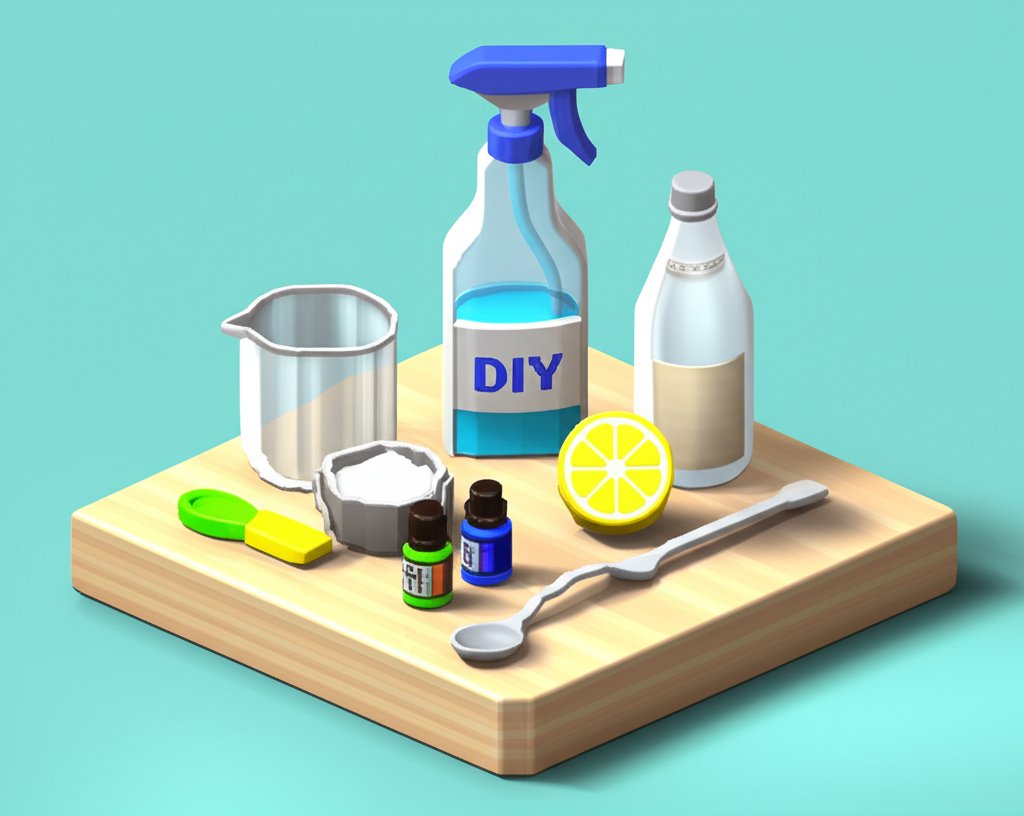
Choosing to create your own homemade air freshener solutions isn’t just a trend; it’s a smart, conscious decision. Beyond the satisfaction of a DIY project, there are significant benefits that commercial products simply can’t match.
Unmasking the Chemicals: Why Natural is Better
Many store-bought air and fabric fresheners contain a cocktail of synthetic chemicals, including volatile organic compounds (VOCs) like formaldehyde, phthalates, and synthetic musks. Studies have linked exposure to these compounds with a range of health concerns, from respiratory issues and allergies to headaches and even more serious endocrine disruptions. When you spray these products, you’re not just freshening the air; you’re often introducing potential irritants into your home environment.
By contrast, a natural air freshener relies on ingredients that absorb odors and provide pure, plant-derived scents. This drastically reduces your family’s exposure to harmful substances, promoting a healthier indoor atmosphere.
Savings & Sustainability: Your Wallet and the Planet Will Thank You
The cost of constantly replenishing commercial odor eliminators adds up quickly. Crafting your own DIY Febreze solutions uses inexpensive, readily available ingredients like baking soda, white vinegar, and essential oils. A single bottle of distilled water and a bag of baking soda can create numerous batches, leading to significant savings over time.
Furthermore, opting for homemade air freshener contributes to environmental sustainability. You’ll drastically reduce plastic waste from discarded aerosol cans and spray bottles, embracing a more eco-friendly approach to home care.
Tailored Scents: Your Signature Home Fragrance
One of the greatest joys of DIY Febreze is the ability to customize your scent. Are you yearning for the calming aroma of lavender in your bedroom? A zesty lemon and peppermint blend in the kitchen? Or a fresh eucalyptus and tea tree essential oil mix for the bathroom? With essential oils, you become the master perfumer, creating unique, inviting, and even mood-boosting fragrances that truly reflect your personal style, unlike the limited and often generic options found in stores.
Essential Ingredients for Your DIY Odor Eliminator
The secret to powerful homemade air freshener and fabric freshener sprays lies in understanding the natural properties of a few common household items. Let’s delve into why these ingredients are superstars in odor neutralization.
Baking Soda: The Ultimate Odor Absorber
Sodium bicarbonate, or baking soda, is a miraculous, non-toxic compound renowned for its ability to absorb and neutralize acidic and alkaline odors rather than just masking them. Its unique chemical structure allows it to bind with odor-causing molecules, trapping them and eliminating the smell from the environment. This makes it an indispensable component in any DIY Febreze recipe, especially for fabrics.
White Vinegar: Nature’s Disinfectant & Deodorizer
Don’t let the initial pungent smell of white vinegar deter you – it dissipates quickly, leaving no trace. Vinegar’s acetic acid content makes it a powerful disinfectant and natural deodorizer. It effectively breaks down odor-causing bacteria and mildew, making it particularly effective for tackling tough smells in bathrooms, kitchens, and pet areas. When combined with essential oils, its odor-eliminating prowess shines, and the oil covers its temporary scent.
Essential Oils: Scent, Mood, and More
Pure essential oils are concentrated plant extracts that not only provide delightful aromas but often possess antibacterial, antifungal, and antiviral properties. Beyond their pleasant scents, many essential oils offer therapeutic benefits, such as lavender for relaxation, lemon for upliftment, and tea tree for purification. Choose high-quality, pure essential oils for the best results and to avoid synthetic fragrance oils which lack these natural benefits.
Alcohol (Rubbing or Witch Hazel): The Perfect Emulsifier
A small amount of rubbing alcohol (isopropyl alcohol) or witch hazel serves several crucial purposes in your DIY Febreze spray:
Master Recipes: Your Go-To DIY Febreze Sprays
Ready to mix up your own batch of DIY Febreze? Here are a few versatile recipes for both a gentle fabric freshener and a powerful homemade air freshener.
Classic DIY Fabric Freshener: Gentle & Effective
This recipe is perfect for refreshing upholstery, curtains, carpets, bedding, and clothing that isn’t ready for a full wash. It’s a fantastic fabric freshener that removes odors without harsh chemicals.
Ingredients:
Instructions:
Tips for Best Results:
Powerful Vinegar-Based Odor Eliminator: For Tough Odors
When you need serious odor-fighting power, especially for lingering bathroom smells, pet odors, or mustiness, this vinegar-based DIY air freshener is your secret weapon.
Ingredients:
Instructions:
When to Use This Spray:
Instant Essential Oil Air Freshener Mist: Simple & Quick
For a super quick and easy DIY air freshener that adds a burst of aroma to a room, this simple mist is perfect.
Ingredients:
Instructions:
Note: Without alcohol, essential oils may separate from water. Shake vigorously before each spray.
Beyond the Bottle: Creative Natural Air Freshener Ideas
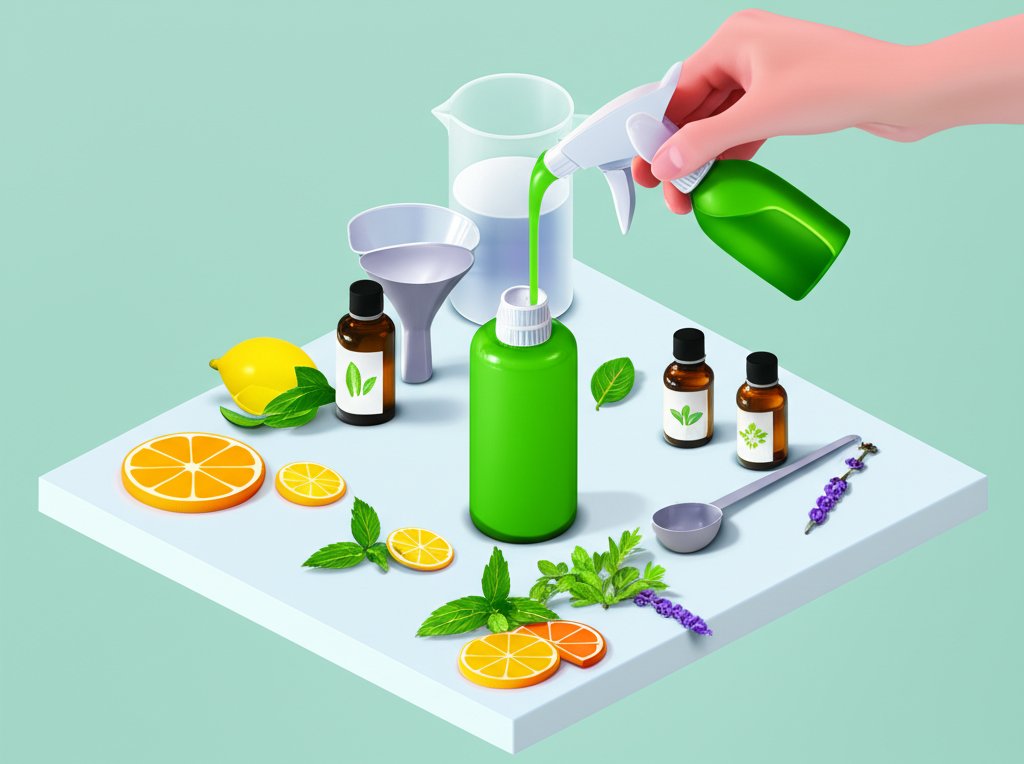
While spray formulations are excellent DIY Febreze solutions, the world of natural air freshener extends far beyond just misting. Here are other creative and effective ways to keep your home smelling divine.
Simmer Pots: Aromatic Warmth for Your Home
A simmer pot creates a continuous, inviting aroma throughout your home, especially wonderful during cooler months or holidays. It’s a beautiful, gentle homemade air freshener.
How to Make:
DIY Reed Diffusers: Continuous, Subtle Fragrance
Reed diffusers offer a constant, subtle release of fragrance without the need for electricity or an open flame. This makes them an excellent, hands-free natural air freshener.
How to Make:
Scented Sachets & Potpourri: Elegant & Effective
For closets, drawers, or small spaces, scented sachets and homemade potpourri provide a timeless, elegant fabric freshener and homemade air freshener solution.
How to Make Sachets:
How to Make Potpourri:
Houseplants: Nature’s Air Purifiers
Certain houseplants are natural air filters, absorbing toxins and releasing oxygen, and some even emit subtle, pleasant scents. They are living, breathing natural air freshener solutions.
Good Choices for Air Purification:
While most don’t have strong scents, their air-purifying qualities contribute to an overall fresher home environment.
Pro Tips for DIY Febreze & Natural Air Freshener Success
To get the most out of your DIY Febreze and ensure safety and efficacy, consider these expert tips.
Safety First: Essential Oil Dilution & Handling
- Always Dilute: Essential oils are highly concentrated. Never apply undiluted essential oils directly to skin. Always dilute them in a carrier oil or water for sprays.
- Pet Safety: Some essential oils are toxic to pets (e.g., tea tree, eucalyptus, citrus oils for cats). Research pet-safe essential oils or avoid spraying in areas where pets frequently go.
- Ventilation: Use essential oils in well-ventilated areas.
- Storage: Store essential oils in dark glass bottles, away from direct sunlight and heat, to preserve their potency. Keep all DIY solutions out of reach of children and pets.
Patch Testing: Protect Your Fabrics
Before generously spraying your fabric freshener on a large area, always perform a patch test.
Storage & Shelf Life: Keeping Your Sprays Fresh
- Cool, Dark Place: Store your homemade sprays in a cool, dark cabinet or pantry. Sunlight and heat can degrade essential oils and other ingredients.
- Dark Bottles: Using dark-colored spray bottles (amber or cobalt blue) can help protect essential oils from light degradation.
- Shelf Life: As these sprays lack commercial preservatives, they have a shorter shelf life, typically 2-4 weeks. If you notice any changes in scent, separation that won’t remix with shaking, or cloudiness, it’s time to make a fresh batch. Making smaller batches more frequently is often best.
Targeting Specific Odors: Pet, Smoke, Musty Smells
- Pet Odors: Baking soda is king for pet odors. Sprinkle it directly on carpets or pet beds, let it sit for a few hours (or overnight), then vacuum. Follow up with a vinegar-based
fabric freshenerfor deeper treatment. Essential oils like lemon, peppermint, or purifying blends can help too. - Smoke Odors: For smoke, a combination approach is best. Use a vinegar-based
DIY air freshenerliberally. Place bowls of white vinegar or activated charcoal around the room to absorb lingering smoke particles. - Musty Smells: Mustiness often indicates mildew or dampness. Address the source if possible (e.g., improve ventilation). A vinegar-based spray is excellent for combating mildew odors. Essential oils like tea tree or eucalyptus have antifungal properties that can further assist.
Custom Scent Blends: Unleash Your Inner Alchemist
Experimenting with essential oil blends is where the fun truly begins! Here are a few popular ideas for your homemade air freshener:
- Uplifting & Energizing: Lemon + Orange + Peppermint
- Calming & Relaxing: Lavender + Chamomile + Cedarwood
- Fresh & Clean: Lemon + Tea Tree + Eucalyptus
- Warm & Inviting: Cinnamon + Clove + Wild Orange (great for simmer pots!)
- Odor Buster: Lemon + Rosemary + Pine
Start with 5-10 drops total for smaller bottles, adjusting to your preference. Remember to keep a note of your favorite combinations!
Conclusion: Embrace a Fresher, Healthier Home
You now possess the knowledge and recipes to create powerful, natural, and budget-friendly odor eliminators that will transform your home. Beyond the simple act of spritzing, you’re embracing a lifestyle that prioritizes health, sustainability, and personal customization.
By choosing DIY Febreze, you’re not just making a homemade air freshener or fabric freshener; you’re making a conscious decision to banish harsh chemicals and invite pure, natural freshness into every corner of your life. So, gather your ingredients, unleash your creativity, and enjoy the incredibly rewarding experience of a truly fresh home. Happy spritzing!
If lingering odors are a persistent issue, even after using your DIY Febreze, you might want to consider addressing the root cause, such as moisture problems which can become a real awkward bulwark in room, potentially leading to mold and mustiness.
FAQ Section: Your DIY Odor Eliminator Questions Answered
Q1: Is DIY Febreze safe for all fabrics?
A1: While generally safe, it’s crucial to always patch test your DIY Febreze on an inconspicuous area of delicate fabrics (silk, suede, certain synthetics) first. The alcohol content helps prevent water stains, but some dyes or materials might react differently.
Q2: How long does homemade air freshener last?
A2: Due to the lack of synthetic preservatives, your homemade air freshener or fabric freshener typically lasts 2-4 weeks when stored in a cool, dark place. If you notice a change in scent, cloudiness, or separation that won’t recombine with shaking, it’s best to discard and make a fresh batch. Making smaller batches more frequently is recommended.
Q3: Can I use tap water instead of distilled water?
A3: You can, but distilled water is highly recommended. Tap water contains minerals that can leave residue on fabrics over time and may also reduce the shelf life of your spray. Distilled water ensures a cleaner, purer solution.
Q4: Are essential oils safe for pets?
A4: Not all essential oils are safe for pets. Some, such as tea tree, eucalyptus, and many citrus oils, can be toxic, especially to cats. Always research pet-safe essential oils and avoid spraying directly on pets or in areas where they might lick surfaces. When in doubt, consult your veterinarian or opt for unscented solutions in pet zones.
Q5: Will the vinegar smell linger if I use a vinegar-based DIY air freshener?
A5: No, the strong scent of white vinegar dissipates very quickly as it dries and neutralizes odors. After a few minutes, you should only notice the fresh smell of any essential oils you’ve added or simply a neutral, odor-free environment.
Q6: Can I use this DIY Febreze as a general room spray?
A6: Absolutely! All the spray recipes, particularly the essential oil mist and the classic baking soda fabric freshener, work wonderfully as a DIY air freshener for general room refreshers. Just mist lightly into the air.
Q7: What are the best essential oils for odor elimination?
A7: For powerful odor elimination, consider essential oils like lemon, tea tree, eucalyptus, peppermint, and purification blends (often containing citronella, lemongrass, rosemary, tea tree, and myrtle). These oils have natural antibacterial and antiseptic properties that help tackle odor-causing bacteria.










